Nango Castle (Miyazaki Prefecture) Complete Guide: The Scenic Mountain Castle Built by Ito Sukeyoshi and the Charms of Visiting
What is Nango Castle?
Nango Castle is a mountain castle located in Nakamura, Nango-cho, Nichinan City, Miyazaki Prefecture. Built on a mountaintop at an altitude of 122.4 meters and a relative height of approximately 80 meters, this castle was constructed in 1601 by Ito Sukeyoshi, the lord of the Obi Domain, as a defense against the Shimazu clan.
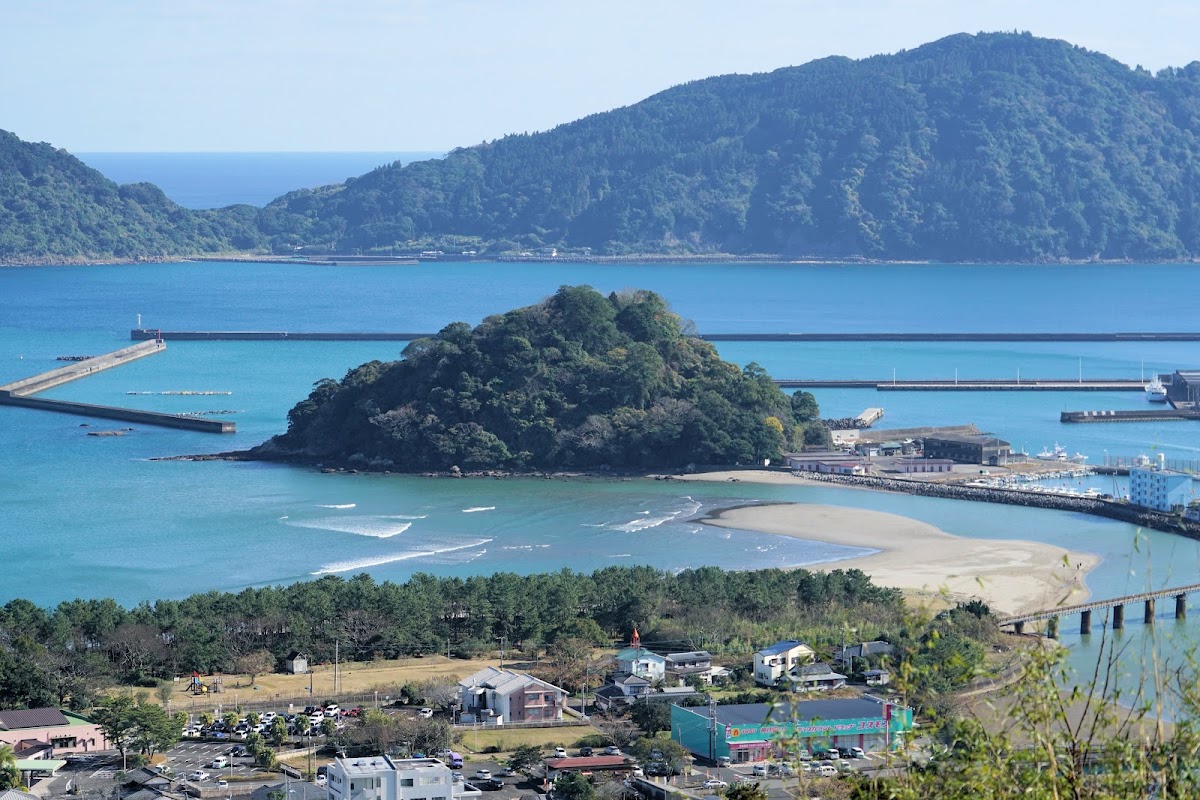
Located in a strategic location at the entrance to a bay where the Hosoda River meanders and flows into the Hyuga Sea, it is a modern castle boasting a scale of approximately 500 meters east-west and 400 meters north-south. Although it was abandoned in 1615 due to the “One Castle Per Province” decree, remnants such as stone walls remain today, and it is known as a scenic spot offering panoramic views of the Pacific Ocean.
History of Nango Castle
Background of Construction and Ito Sukeyoshi
The construction of Nango Castle took place amidst the tense relationship between the Ito and Shimazu clans in southern Kyushu. Ito Sukeyoshi, as the first lord of the Obi Domain, needed to strengthen the defenses of his territory.
In 1601 (Keicho 6), Nango was built as a strategic stronghold because the area was close to Shimazu territory and needed to be prepared for invasions from the sea. Ito Sukeyoshi himself took command as the castle lord, and a mountain castle with the functions of a modern fortress was completed.
The One Castle Per Province Decree and Abandonment
The Tokugawa Shogunate’s One Castle Per Province Decree of 1615 ordered each domain to abandon all castles except its principal residence. Since Obi Castle was the principal residence of the Obi Domain, Nango Castle was abandoned after only about 14 years.
Despite its short lifespan, Nango Castle was built as a full-fledged fortress with sturdy stone walls, and its remains still exist today.
Use during the Pacific War
Nango Castle was again used militarily towards the end of the Pacific War. Anti-aircraft gun positions were established using the castle’s stone walls, and anti-aircraft gun emplacements were built on the seaward side. Currently, some remains that appear to be watchtower bases are thought to be anti-aircraft gun emplacements built during this period.
This historical layering is one of Nango Castle’s distinctive features.
Structure and Highlights of Nango Castle
Layout and Enclosure Arrangement
Nango Castle is a mountain castle with a stepped layout, centered around the main enclosure (honmaru) at the mountaintop, surrounded by multiple enclosures. The main enclosure is long from east to west and surrounded by stone walls.
An additional enclosure is located one level below the main enclosure, further strengthening its defenses. As a mountain castle, it boasts a relatively large flat area, exhibiting characteristics of a modern castle.
Stone Wall Remains
The greatest highlight of Nango Castle is its surviving stone walls. Around the main enclosure, rough-hewn stone walls remain, showcasing the castle-building techniques of the Keicho period. The height of the stone walls varies depending on the location, reaching several meters at their highest points.
Although some sections have collapsed due to their age (over 400 years), the overall structure is well-preserved. The stone walls on the east and south sides of the main enclosure are particularly well-preserved, allowing us to imagine the castle’s grandeur at the time.
While some alterations may have occurred during World War II when it was used as an anti-aircraft gun position, the basic structure is believed to be the same as when the castle was built.
Main Enclosure (Honmaru)
The main enclosure at the mountaintop is the central part of Nango Castle and is currently a large flat area. The main enclosure can be accessed by car, and thanks to the generosity of the landowner (castle lord), a parking space is provided next to the main keep.
The view from the main enclosure is magnificent, offering a panoramic view of the vast Pacific Ocean. On clear days, you can see all the way to the horizon, and the contrast between the blue sea of the Hyuga Sea and the sky captivates visitors.
Views and Scenery
The view from the Nango Castle ruins is one of the castle’s greatest attractions. The view of the Pacific Ocean from the 122-meter-high mountaintop is breathtaking, making it a popular spot not only for castle enthusiasts but also for tourists who want to enjoy the scenery.
The Hyuga Sea stretches out from the east to the south, and the townscape of Nango can be seen to the north. Especially at sunset, the setting sun over the sea is beautiful, and it is also known as a night view spot. You can look down on the night view towards Odotsu, creating a fantastical scene centered on the sea.
Information Signs and Maintenance Status
The castle ruins feature signs explaining the history of Nango Castle, providing visitors with information about the castle’s origins and structure. Interestingly, there’s also a sign for the “Nango Castle Ondo” (a local folk song), showcasing its cultural significance rooted in the region.
While the remains themselves are well-preserved, extensive archaeological excavations and maintenance have been limited, leaving the site largely in a natural state. As it is private property, consideration for the landowner is necessary when exploring.
Nearby Historical Spots
Nakamura Shrine
At the entrance to the Nango Castle ruins is Nakamura Shrine, the first shrine of the eight major Nango shrines. This shrine marks the starting point of the path to Nango Castle, with the trail beginning in front of the shrine’s torii gate.
Nakamura Shrine itself is a historical shrine, cherished as a center of faith in the Nango region. When visiting Nango Castle, it’s recommended to pay your respects at this shrine before ascending.
The Ito Family’s Ancestral Graves
Near the ruins of Nango Castle lies the ancestral graves of the Ito family, lords of the Obi Domain. This is the burial site of successive heads of the Ito family, including Ito Sukeyoshi, and is an important historical site deeply connected to the history of Nango Castle.
Visiting these graves in conjunction with a visit to Nango Castle will allow for a deeper understanding of the Ito clan’s history.
Relationship with Obi Castle
Nango Castle functioned as a subsidiary castle of Obi Castle. Obi Castle was the residence of the Ito clan and is a flatland castle located in the Obi district of Nichinan City. Obi Castle still retains its stone walls, moats, and reconstructed main gate, and has been designated a National Important Preservation District for Groups of Traditional Buildings.
Visiting both Nango Castle and Obi Castle together will provide a more comprehensive understanding of the Obi Domain’s defense system and castle network.
Access Information
Access by Car
The most convenient way to access Nango Castle Ruins is by car.
Main Routes:
- From central Miyazaki City: Head south on National Route 220 for approximately 1 hour and 30 minutes.
- From central Nichinan City: Head south on National Route 220 for approximately 30 minutes.
- From Miyakonojo City: Take National Route 222 for approximately 1 hour and 20 minutes.
Landmarks:
Aim for Nango Hachimiya Ichinomiya/Nakamura Shrine. There is a stone pillar in front of the shrine’s torii gate marked “Entrance to Nango Castle Ruins.”
Route to the Castle:
Turn left in front of the Nakamura Shrine’s torii gate and climb the paved road (wide enough for one car) to the summit. Although the road is narrow, it is paved and easily accessible by regular cars. There is a parking space next to the main enclosure at the summit.
Access by Public Transportation
Train:
- Get off at Odotsu Station on the JR Nichinan Line, then walk for approximately 35 minutes (approx. 2.5 km).
- The walk from the station to the castle ruins is uphill, so this is recommended for those confident in their physical fitness.
Notes:
The JR Nichinan Line has infrequent service, so it is recommended to check the timetable in advance. Also, there is a considerable distance and elevation difference from the station to the castle ruins, so if using public transportation, you may want to consider taking a taxi.
Precautions for Visiting
- Respect for Private Property: Nango Castle Ruins are private property. Visiting is permitted thanks to the landowner’s generosity, so please observe proper etiquette.
- Road Conditions: The road to the summit is only wide enough for one car. Please be careful of oncoming traffic and drive safely.
- Weather: The ground can be slippery in rainy weather. Please wear appropriate footwear.
- Toilets and Shops: There are no toilets or shops around the castle ruins. Please prepare in advance before visiting.
- Visiting Hours: There are no specific restrictions, but since it gets dark after sunset, we recommend visiting during daylight hours.
Seasons and How to Enjoy Sightseeing at Nango Castle
Spring: A Famous Cherry Blossom Spot
Nango Castle Ruins are also known as a famous cherry blossom spot. Kawazu cherry blossoms, in particular, bloom profusely in early spring, creating a beautiful landscape with the contrast between the pink flowers and the blue sea.
Every year, the Kawazu cherry blossoms are in full bloom from late February to early March, attracting many visitors. The combination of cherry blossoms, stone walls, and the Pacific Ocean is a unique spring scene at Nango Castle.
Summer: The Contrast of the Blue Sea and Green
Summer is a beautiful season when the blue of the Pacific Ocean stands out, contrasting beautifully with the green of the castle ruins. The view on a clear day is especially magnificent and ideal for photography.
However, since the sun is strong in summer, we recommend bringing a hat, sunscreen, and drinking water.
Autumn: Clear Air and Distant Views
Autumn is a season when the air is clear and you can see far into the distance. The horizon is clearly visible, and if the weather is good, you can even see the silhouettes of distant islands.
The temperature is also pleasant, making it an ideal season for strolling.
Winter: Sunset and Night Views
In winter, the air is clear, making it a particularly beautiful season for sunsets and night views. At sunset, the setting sun sinking into the sea creates a fantastic scene, and at night you can enjoy the night view towards Odotsu.
Visiting at dusk is especially recommended, as you can enjoy the transformation from daytime scenery to sunset and then to nighttime scenery.
Photography Tips
Recommended Photo Spots
- Pacific Ocean from the Main Enclosure: The most popular photo spot. We recommend using a wide-angle lens to capture a wide view of the sea and sky.
- Details of the Stone Wall: The rough-hewn stone wall, when photographed up close, allows you to capture its 400-year history and texture.
- Combination of Cherry Blossoms and the Sea: This is a rare spot, available only in spring, where you can photograph Kawazu cherry blossoms and the Pacific Ocean together.
- Evening Scenery: The moment the sun sets over the sea is perfect for silhouette photography.
Precautions for Photography
- Remember that this is private property; be careful not to damage the ruins.
- Avoid climbing on the stone walls or photographing in dangerous areas.
- If you plan to use a drone, you must obtain permission in advance.
Nango Castle and the Hyuga Province Castle Network
Nango Castle played a part in the Ito clan’s castle network in Hyuga Province (present-day Miyazaki Prefecture). Centered around Obi Castle, branch castles such as Nango Castle, Hosoda Castle, and Sakaya Castle were positioned to form a defensive line against the Shimazu clan.
Nango Castle, in particular, is located facing the sea and is thought to have played a role in monitoring incursions from the sea. This location resulted in a unique layout and structure that differed from inland castles.
Cultural Value of Nango Castle
As a Regional Historical Heritage Site
Nango Castle is an important historical heritage site in Nango-cho, Nichinan City, and is an integral part of the region’s identity. It is deeply rooted in local culture, as evidenced by the creation of a folk song called “Nango Castle Ondo.”
As a Subject of Castle Research
As an early modern mountain castle and a castle that was abandoned after a short period, Nango Castle is an interesting subject for castle research. It is recognized for its academic value as an example of the reality of castle abandonment due to the “One Castle Per Province” decree, and as a site that demonstrates the multifaceted history of its military use during World War II.
Visitor Feedback
Castle enthusiasts and tourists have offered the following feedback:
- “The view is magnificent and well worth the climb.”
- “The stone walls are well-preserved and impressive.”
- “You can easily visit as you can drive to the summit.”
- “Especially beautiful during cherry blossom season.”
- “A hidden gem where you can enjoy the sunset and night views.”
On the other hand, some visitors have commented that “there are few signs” and “more detailed explanations are needed,” suggesting that improvements are expected in the future.
Model Itinerary for Visiting Nango Castle
Half-Day Course
Morning:
- Visit Nakamura Shrine (15 minutes)
- Visit Nango Castle Ruins (1 hour)
- Visit the Tombs of the Ito Family (30 minutes)
Afternoon:
- Visit Obi Castle (2 hours)
- Stroll through the town of Obi (1 hour)
Full-Day Course
In addition to the above:
- Drive along the Nichinan Coast
- Visit Udo Shrine
- Stroll along the Horikawa Canal
- Enjoy seafood cuisine
Summary
Nango Castle (Nichinan City, Miyazaki Prefecture) is a mountain castle built by Ito Sukeyoshi in 1601. Although it was abandoned after only 14 years, the remains, such as the stone walls, are still well-preserved today.
The view of the Pacific Ocean from the 122-meter-high summit is breathtaking, making it a recommended spot not only for castle enthusiasts but also for tourists who simply want to enjoy the scenery. It offers charm in every season: cherry blossoms in spring, the blue sea in summer, the crisp air of autumn, and the beautiful winter sunsets.
Its easy accessibility, with the summit reachable by car, is another attractive feature; you can find it by using Nakamura Shrine as a landmark. However, it’s important to remember that it’s private property and to visit with proper etiquette.
Visiting nearby historical sites such as Obi Castle and the tombs of the Ito family will allow you to gain a deeper understanding of the Ito clan’s history and the castle network of Hyuga Province.
When visiting Miyazaki Prefecture, be sure to visit Nango Castle Ruins and enjoy both its history and stunning scenery.