
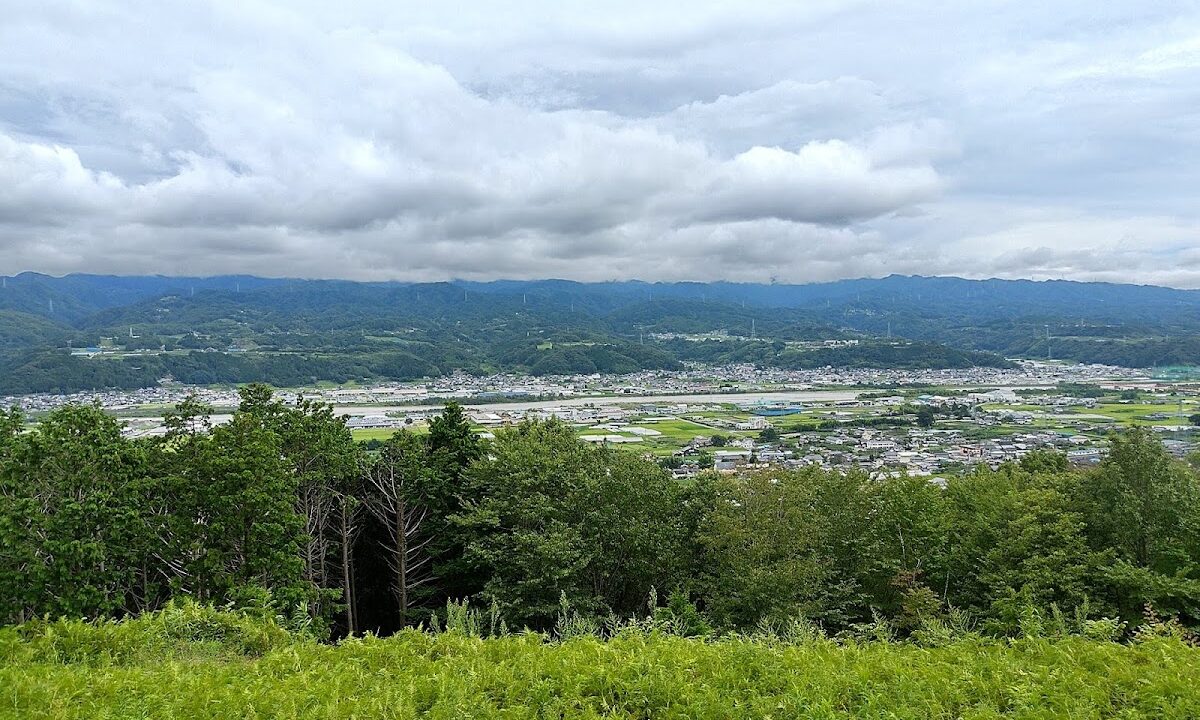
History and Present State of Katsuoka Castle (Miyagi Prefecture) – Detailed Guide and Visiting Information
Introduction – What is Katsuoka Castle (Miyagi Prefecture)?
Katsuoka Castle is a castle believed to have existed in Miyagi Prefecture. However, in current castle research and historical documents, there are very few instances where a castle named “Katsuoka Castle” is clearly recorded within Miyagi Prefecture.
Miyagi Prefecture is a region with many famous castles, including Sendai Castle (Aoba Castle), Shiroishi Castle (Masuoka Castle), Taga Castle, Wakutani Castle, and Kanayama Castle. These castles were built by Sengoku-era daimyo, including the Date clan, and by Edo-era daimyo, and are still preserved today as remains and historical sites.
Location and Historical Background of Katsuoka Castle
Records of Katsuoka Castle in Miyagi Prefecture
In various documents and castle databases that comprehensively survey castles in Miyagi Prefecture, a castle named “Katsuoka Castle” is not included in general castle lists. While over 120 castle ruins have been identified in Miyagi Prefecture, none currently bear the name “Katsuoka Castle.”
Regarding confusion with Katsuoka Castle in Miyazaki Prefecture
The castle known as “Katsuoka Castle” actually exists in Mimata Town, Miyazaki Prefecture. This castle is a historical fortress built in 1318 by the Kabayama clan, a branch of the Shimazu clan. Later, it came under the control of the Ito clan, with the Kaeda and Aratake clans serving as its lords.
Katsuoka Castle in Miyazaki Prefecture has the following characteristics:
- Location: Tachiike, Mimata-cho, Kitamorokata-gun, Miyazaki Prefecture
- Year of Construction: Bunpo 2 (1318)
- Builder: Shimazu Sukehisa (later of the Kabayama clan)
- Main Lords: Kabayama clan, Kaeda clan, Aratake clan
- History: The site of conflict between the Shimazu clan and the Ito clan
When searching for “Katsuoka Castle” on the internet, this castle in Miyazaki Prefecture is the primary result. Therefore, caution is advised if you are looking for castles in Miyagi Prefecture.
Relationship with Major Castles in Miyagi Prefecture
Representative Castles of Miyagi Prefecture
Besides Katsuoka Castle, Miyagi Prefecture has numerous other important castles. The following are some of the major castles.
Sendai Castle (Aoba Castle)
Sendai Castle was the residence of the Sendai Domain, built in 1601 by Date Masamune. Built on the hills of Aobayama, it is a flatland castle and is now known as a symbol of Sendai City. Remains such as stone walls and the main gate’s side turret still exist, and from the site of the main keep, where a statue of Date Masamune on horseback stands, you can enjoy a panoramic view of Sendai city.
Shiroishi Castle (Masuoka Castle)
Shiroishi Castle is located in Masuoka-cho, Shiroishi City, Miyagi Prefecture, and is known as the residence of the Katakura clan, important retainers of the Sendai Domain. In 1995, the three-story turret and main gate were restored in wood, attracting attention as one of the few wooden restored castle keeps in the Tohoku region.
Taga Castle (Taga Fort)
Taga Castle is an ancient fort built during the Nara period and was an important base where the provincial capital of Mutsu Province was located. Located in Tagajo City, Miyagi Prefecture, it is designated as a Special Historic Site. As the center of ancient Tohoku administration, it is an extremely important historical site in Japanese history.
Wakutani Castle (Wakutani Fortress)
Wakutani Castle is located in Wakutani Town, Toda District, Miyagi Prefecture, and was the residence of the Wakutani Date clan (Watari clan), a senior retainer of the Date clan. It has been developed into Shiroyama Park and is known as a famous cherry blossom viewing spot.
Kanayama Castle (Kanayama Fortress)
Kanayama Castle is a mountain castle located in Marumori Town, Igu District, Miyagi Prefecture, and was under the control of the Date clan. Several other castle ruins, including Marumori Castle (Maruyama Castle, Maruyama Manor), exist in Marumori Town.
Characteristics of Castles in Miyagi Prefecture
Castles in Miyagi Prefecture have the following characteristics:
- Many castles related to the Date clan: Numerous castles were built by the Date clan and their retainers from the Sengoku period to the Edo period.
- Presence of ancient fortifications: Ancient fortifications, such as Tagajo, remain as important historical sites.
- Mainly hilltop and mountain castles: Many hilltop and mountain castles utilize the terrain, while flatland castles are relatively few.
- Dispersion of historical documents: Due to the long-term rule of the Date clan during the Edo period, many older documents from before that time have been lost.
Exploring Castles in Miyagi Prefecture
Current Status and Visiting Castles
Many castles in Miyagi Prefecture are now maintained as parks or historical sites. The following are possible to visit at major castles:
- Sendai Castle: The main keep site has been developed into Aoba Castle Ruins Park, and the stone walls and earthworks remain.
- Shiraishi Castle: The three-story turret and main gate have been reconstructed in wood, and the interior can be viewed.
- Taga Castle: The administrative office site and outer fortifications have been restored and developed, and it is open to the public as a historical park.
- Funaoka Castle (Shihokan): Developed into Funaoka Castle Ruins Park in Shibata Town, it is a famous cherry blossom viewing spot.
Number of Castles in Miyagi Prefecture
There are over 120 castle ruins confirmed within Miyagi Prefecture. In particular, many castles are concentrated in Kurihara City, making it an important area for studying the history of castles from the medieval to early modern periods.
Current Status of Research on Katsuoka Castle
Records in Historical Documents
Currently, no clear historical documents indicating the existence of a castle named “Katsuoka Castle” in Miyagi Prefecture have been found in general castle research. However, the following possibilities should be considered:
- Possibility of an alternative name or common name: The name “Katsuoka” may have been used as an alternative name for a castle known by another name.
- Small-scale castle: It may have existed as a small residence or fort rather than a large castle.
- Regionally limited name: It may have been a name used only in a specific region.
Future Research Topics
Research on castles in Miyagi Prefecture is ongoing, and new discoveries and excavations of historical materials may reveal the existence of previously unknown castles. Further research into local history and archaeological excavations may yield new information about “Katsuoka Castle.”
Points to Note When Visiting Castles in Miyagi Prefecture
Access and Visiting Information
When visiting major castles in Miyagi Prefecture, please note the following:
- Public Transportation: Sendai Castle and Shiroishi Castle are accessible by public transportation, but many castle ruins in rural areas require a car.
- Visiting Hours: Castle ruins maintained as parks are generally open for free viewing, but reconstructed buildings may have set opening hours.
- Season: The cherry blossom season (April) and autumn foliage season (October-November) offer particularly beautiful scenery.
How to Enjoy Exploring Castles
When visiting castles in Miyagi Prefecture, you can enjoy the following:
- Observation of Remains: Observe the remains such as stone walls, earthworks, and moats to learn about the castle construction techniques of the time.
- Views: Many castles are built on high ground, allowing you to enjoy the surrounding scenery.
- History Learning: Learn about the castle’s history at local information boards and museums.
- Photography: Enjoy photographing the restored buildings, stone walls, and natural scenery.
Castle Culture of Miyagi Prefecture
The Date Clan and Castles
The Date clan is indispensable when discussing the castle culture of Miyagi Prefecture. The Date clan, including Date Masamune, ruled the Sendai Domain, a large domain with a 620,000 koku (unit of rice production) yield. They positioned Sendai Castle as the centerpiece, along with branch castles such as Shiroishi Castle and Iwadeyama Castle.
The Date clan’s retainers also established castles and residences in various locations, strengthening the domain’s defense system. Shiroishi Castle of the Katakura clan and Wakutani Castle of the Wakutani Date clan are prime examples.
Castle Policy in the Edo Period
Due to the Edo period’s “One Castle Per Province” decree, many castles in the Sendai Domain were abandoned. However, important branch castles like Shiroishi Castle were exceptionally permitted to be maintained and continued to function as defensive bases for the domain.
Comparison with Surrounding Castles
Castles of the Tohoku Region
Castles in Miyagi Prefecture occupy an important position within the castle culture of the entire Tohoku region. Numerous castles also exist in the neighboring Yamagata, Fukushima, and Iwate prefectures, each possessing its own unique characteristics.
- Yamagata Prefecture: Castles associated with the Mogami and Uesugi clans, such as Yamagata Castle and Yonezawa Castle.
- Fukushima Prefecture: Castles that were the stage of the Boshin War, such as Aizuwakamatsu Castle and Nihonmatsu Castle.
- Iwate Prefecture: Castles associated with the Nanbu clan, such as Morioka Castle and Hanamaki Castle.
Uniqueness of Miyagi Prefecture’s Castles
Miyagi Prefecture’s castles possess the following unique characteristics:
- Continuity from Ancient to Early Modern Periods: Castles from a wide range of periods remain, from ancient fortifications like Tagajo to Edo period castles.
- Reflection of Date Culture: The aesthetic sense and political ideology of the Date clan are reflected in the castle architecture.
- Location on the Pacific Coast: Castles are scattered not only inland but also along the coast.
Summary
Regarding the castle known as “Katsuoka Castle (Miyagi Prefecture),” currently, no clear historical materials or remains have been confirmed. It’s easy to confuse this castle with Katsuoka Castle in Mimata Town, Miyazaki Prefecture, so be careful when searching for information.
Miyagi Prefecture boasts numerous important castles, including Sendai Castle, Shiroishi Castle, Taga Castle, Wakutani Castle, and Kanayama Castle, each with its own rich history and culture. Visiting these castles allows you to learn about diverse historical aspects, such as the history of the Tohoku region, the rule of the Date clan, and the ancient administration of Tohoku.
Exploring castles in Miyagi Prefecture is a fascinating activity for history enthusiasts. Of the more than 120 castle ruins that have been identified, many have not yet been fully researched, and there is potential for new discoveries through future investigations and research.
When visiting Miyagi Prefecture, be sure to visit these castles and experience the history and culture of Tohoku. Each castle has its own unique charm, and you’re sure to make new discoveries with each visit.


