Shinsho Castle, Kameyama City, Mie Prefecture | Complete Guide to History and Remains
Located in Shinsho, Seki-cho, Kameyama City, Mie Prefecture, Shinsho Castle is a valuable historical site that tells the story of the turbulent Sengoku period. Built by Seki Aki-no-kami Morinobu, the lord of Kameyama Castle, this castle played an important role during the chaotic period following the Honnoji Incident. Even today, remains such as earthworks and vertical moats remain, conveying the atmosphere of the Sengoku period.
History of Shinsho Castle
Background of Construction and Seki Aki-no-kami Morinobu
Shinsho Castle was built by Seki Aki-no-kami Morinobu, the lord of Kameyama Castle. Seki Morinobu was a samurai of the Seki clan and initially served Oda Nobutaka. During the Sengoku period, the Kameyama region was a strategically important transportation hub connecting Ise Province and Omi Province.
The Seki clan is known as a samurai family that ruled the entire Suzuka-Kameyama region from the medieval period, and their history dates back to the Kamakura period. In 1265, Seki Sanetada built Kameyama Castle in Wakayama, which was later moved to its current location. As a member of the Seki clan, which had a long history, Morinobu is believed to have built Shinsho Castle, which functioned as a subsidiary castle of Kameyama Castle.
Turmoil After the Honnoji Incident
The Honnoji Incident of 1582 drastically altered the fate of Shinsho Castle. After Akechi Mitsuhide’s assassination of Oda Nobunaga, Seki Morinobu decided to leave Oda Nobutaka and become a vassal of Hashiba Hideyoshi (later Toyotomi Hideyoshi).
However, this choice came at a great cost for Morinobu. While Morinobu was away, anti-Hashiba vassals, including Iwama Shichirozaemon, revolted and seized Shinsho Castle along with Kameyama Castle, Morinobu’s main castle. This incident symbolizes the difficult position of local warlords during the chaotic period following the Honnoji Incident.
The Road to Abandonment
It is believed that Shinsho Castle was abandoned in 1590, during the unification of Japan by Toyotomi Hideyoshi. In the same year, Okamoto Munenori entered Kameyama Castle, establishing a new system of rule. During this period, as many medieval castles were reorganized into early modern castles, subsidiary castles like Shinsho Castle ceased to exist and disappeared from the stage of history.
Kameyama Castle itself remained an important castle throughout the Edo period. The keep was removed in 1632 during the time of Miyake Yasumori, and the current multi-story turret was built on the site of the keep during the Shoho era (1644-1648) when Honda Toshitsugu was the lord.
Remains and Highlights of Shinsho Castle
Existing Remains
At the Shinsho Castle site, castle remains from the Sengoku period can still be seen today. The main remains include the following:
Earthworks
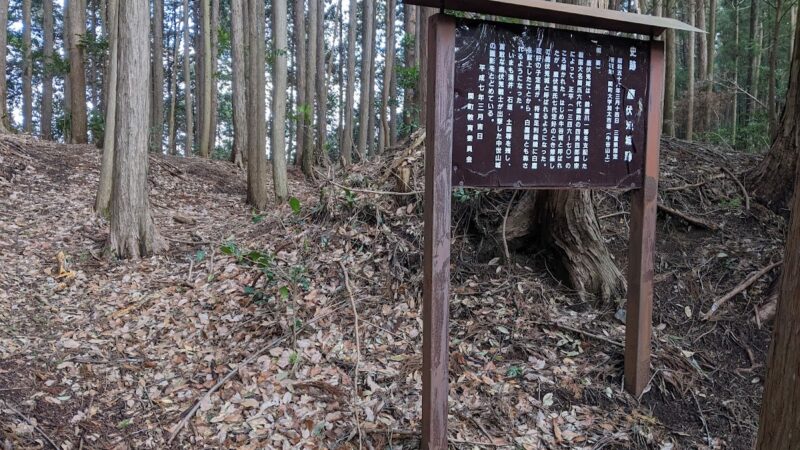
Earthworks, built as defensive structures for the castle, remain in good condition today. Earthworks are earthen walls constructed by piling up soil to prevent enemy intrusion, and they provide important clues to understanding the scale and structure of Shinsho Castle.
Vertical Moats
Vertical moats dug along the slope can also be seen. Vertical moats are defensive structures designed to prevent lateral movement by enemies and make attacks difficult. They are highly valued historically as valuable remains demonstrating the castle-building techniques of the Sengoku period.
Kuruwa Remains
Traces of the kuruwa (enclosures), the central part of the castle, also remain, allowing us to infer the castle’s layout at the time.
Current Status of the Castle Ruins
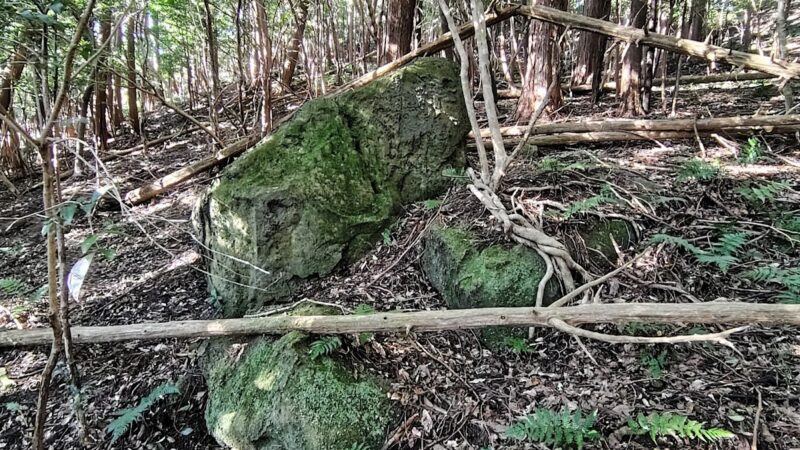
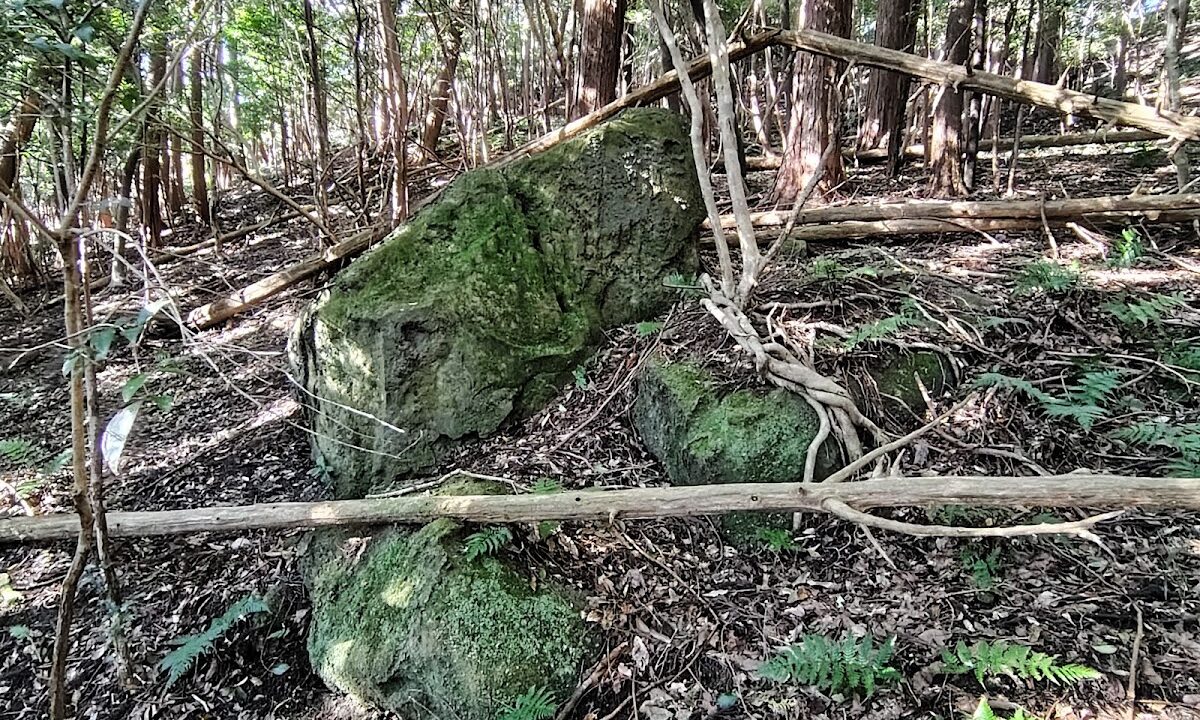
Shinsho Castle Ruins are located in Shinsho, Seki-cho, Kameyama City, Mie Prefecture, and are currently a forest. The remains are relatively well-preserved, making it a valuable spot for castle researchers and history enthusiasts. However, rather than being a well-maintained tourist destination, it is more of a historical site buried in nature, so appropriate equipment and preparation are necessary when visiting.
Access and Visiting Guide
How to Access Shinsho Castle
Access by Train
- Approximately 15 minutes by car from JR Kansai Main Line “Kameyama Station”
- Walking from Kameyama Station takes a considerable amount of time, so we recommend using a taxi or rental car.
Access by Car
- Approximately 10 minutes from Tomeihan Expressway “Kameyama IC”
- Approximately 15 minutes from Shin-Meishin Expressway “Suzuka PA Smart IC”
- Regarding parking, there is no dedicated parking space around the castle ruins, so please use the parking lots of nearby public facilities or tourist attractions.
Points to Note When Visiting
Please note the following points when visiting Shinsho Castle Ruins.
- Clothing and Equipment: As this is a historical site in a mountain forest, we recommend wearing comfortable shoes and long sleeves and long pants.
- Season: Insect repellent is necessary in summer, and warm clothing is necessary in winter.
- Time: Please allow ample time to descend before sunset.
- Directions: There are few detailed signs at the site, so we recommend checking the location information in advance.
Nearby Tourist Spots
Kameyama Castle Ruins
When visiting Shinsho Castle, be sure to also visit Kameyama Castle Ruins. Kameyama Castle was the main castle of Shinsho Castle, and remains such as the multi-story turret still exist today. The address is 575-2 Honmaru-cho, Kameyama City, Mie Prefecture, and it is about a 15-minute walk from Kameyama Station.
Kameyama Castle is an important castle in Ise Province, and is also known as Kochō-jō or Funchō-jō. During the Edo period, the Kameyama Domain’s administrative center was located here, and it played an important role as a key point on the Tokaido Road.
Sekijuku
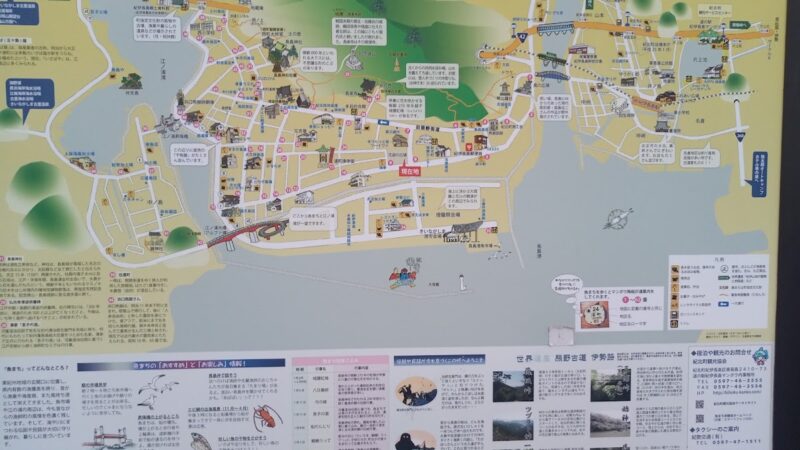
In Seki-cho, Kameyama City, lies Sekijuku, the 47th post town on the Tokaido Fifty-three Stations. The Edo-period townscape is well-preserved and has been designated a National Important Preservation District for Groups of Traditional Buildings. Located about a 5-minute drive from Shinsho Castle, it’s an ideal spot for a historical stroll.
Sekijuku boasts approximately 200 traditional buildings, conveying the atmosphere of an Edo-period post town. Walking through the streets gives you the feeling of stepping back in time.
Seki Jizo-in Temple
Seki Jizo-in Temple is known as the oldest Jizo temple in Japan, with connections to the monk Ikkyu. Its address is 664-2 Shinsho, Seki-cho, Kameyama City, Mie Prefecture, and it’s located close to the ruins of Shinsho Castle. It’s a temple of great historical value, offering a peaceful atmosphere for worship.
Seki Jizo-in Temple hosts various events and functions as a hub for local culture and tourism. The Kameyama City Tourism Association is also located here, where you can obtain tourist information such as castle stamps.
Kameyama Sunshine Park
For families, Kameyama Sunshine Park is highly recommended. The vast grounds include a lawn area and athletic facilities, offering enjoyment for both children and adults. It’s an ideal spot to refresh yourself after a historical stroll.
History and Culture of Kameyama City
A Key Point on the Tokaido Road
Kameyama City is located in the northern part of Mie Prefecture, bordering Suzuka City to the east, Iga City to the west, Tsu City to the south, and Koka City in Shiga Prefecture to the north. During the Edo period, it flourished as a post town with Kameyama-juku, Seki-juku, and Sakashita-juku, bustling with travelers on the Tokaido Road.
This geographical location was also important during the Sengoku period (Warring States period). Controlling the transportation route connecting Ise Province and Omi Province held great military and economic significance. The construction of Shinsho Castle is thought to have been influenced by its geographical importance.
The Rule of the Seki Clan
During the medieval period (from the Kamakura period to the Sengoku period), the Seki clan was a samurai family that ruled the entire Suzuka-Kameyama region. The Seki clan ruled this region for a long period, maintaining their power with Kameyama Castle as their base. Seki Aki-no-kami Morinobu, who built Shinsho Castle, was also a member of this Seki clan and was involved in regional governance.
The remains of mountain villas that also served as forts for the Seki clan still exist in the city, making them important historical sites for understanding the history of Kameyama in the medieval period.
Modern Kameyama City
Modern Kameyama City is a place where time flows slowly, characterized by its lush green satoyama (rural landscape) and townscape that retains the atmosphere of the Edo period. In addition to historical tourist spots, there are also many nature-based experience programs and events, enhancing its appeal as a tourist destination.
Kameyama Park holds seasonal events such as iris and sunflower picking experiences, which are popular with families. It is a representative tourist area of Mie Prefecture where history and nature are in harmony.
Significance of Visiting Shinsho Castle
As a Place for Historical Learning
The Shinsho Castle ruins are a valuable resource for learning about the structure of castles during the Sengoku period (Warring States period). Defensive structures such as earthworks and trenches remain well-preserved, allowing for an understanding of the castle-building techniques and strategies of the time.
In particular, the history of Shinsho Castle offers important insights into the actions of local warlords during the chaotic period following the Honnoji Incident. Seki Morinobu’s choices and their consequences illustrate the difficulty of surviving the Sengoku period.
Understanding Local History
Visiting Shinsho Castle allows for a deeper understanding of the history of Kameyama City. Understanding Shinsho Castle within the context of local history—its relationship with Kameyama Castle, its location relative to Sekijuku, and its connection to the Tokaido transportation route—enables a richer historical understanding.
Interacting with Nature
The current Shinsho Castle ruins are located in a forest, allowing visitors to enjoy interaction with nature. The ability to enjoy both historical and nature walks simultaneously is one of the attractions of this spot.
Tourist Information and Support
Kameyama City Tourism Association
For detailed information about Shinsho Castle and Kameyama City, please contact the Kameyama City Tourism Association. The association is located within Seki Jizo-in Temple (664-2 Shinsho, Seki-cho, Kameyama City), where you can obtain tourist maps and brochures.
They also sell castle stamps, making them a great souvenir of your castle tour. It is recommended to check opening hours and details in advance.
Volunteer Tourist Guides
Kameyama City also has volunteer tourist guides, and guided tours may be available with prior reservation. Touring historical sites while listening to explanations from knowledgeable guides will provide a deeper understanding and a more fulfilling experience.
Accommodation
Kameyama City has accommodations, including Hotel Econo Kameyama. If you want to enjoy a leisurely historical walk, it is recommended to stay in the city and visit multiple tourist spots. There are also several business hotels around Kameyama Station, offering convenient access.
Gourmet Information
Kameyama City is known for its local cuisine, such as “Kameyama Miso Yaki Udon.” Enjoying local flavors between historical walks is a highlight of any trip. Around Sekijuku, you can find restaurants with a traditional atmosphere, allowing you to experience the feeling of being a traveler in the Edo period.
Summary
Located in Shinsho, Seki-cho, Kameyama City, Mie Prefecture, Shinsho Castle is a valuable historical site that conveys the turbulent events of the Sengoku period. Built by Seki Aki-no-kami Morinobu, this castle, which played a significant role in history amidst the chaos following the Honnoji Incident, still retains remnants such as earthworks and vertical moats, preserving its appearance from that time.
Visiting Shinsho Castle allows you to learn about the castle structure of the Sengoku period and gain a deeper understanding of the region’s history. The surrounding area also boasts numerous historically valuable tourist spots, including Kameyama Castle Ruins, Sekijuku, and Seki Jizo-in Temple, making for a fulfilling historical walk.
Access is relatively convenient, approximately 15 minutes by car from Kameyama Station or about 10 minutes from the Kameyama Interchange on the Tomeihan Expressway. However, since the castle ruins are located within a forest, it is recommended to prepare appropriate clothing and equipment and allow ample time for your visit.
The Kameyama City Tourism Association provides detailed tourist information, and it is also possible to receive guidance from volunteer tourist guides. Enjoy a journey that evokes the romance of the Sengoku period in Kameyama City, where history and nature harmonize.
Shinsho Castle is not a famous tourist spot, but that is precisely why it is a valuable place to quietly contemplate history. Please visit Shinsho Castle ruins and spend some leisurely time feeling the spirit of the Sengoku period.