Komono Castle, Mie District, Mie Prefecture – The History of the Castle and Castle Town of the Hijikata Clan (12,000 koku)
Komono Castle, located in Komono Town, Mie District, Mie Prefecture, was an important castle that functioned as the administrative center of the Komono Domain (12,000 koku) throughout the Edo period. Taking advantage of its location at the eastern foot of the Suzuka Mountains, it made its mark in history as a strategic point in the northern Ise region from the time of Oda Nobunaga until the end of the Tokugawa Shogunate. Although the site is now occupied by Komono Elementary School, parts of the castle moat and earthen walls still convey the atmosphere of its former glory.
Origins and History of Komono Castle’s Construction
Establishment of the Magistrate’s Office by Takigawa Kazumasu
The origins of Komono Castle can be traced back to the magistrate’s office of Mie District, built by Takigawa Kazumasu in 1568 (Eiroku 11). Ordered by Oda Nobunaga to conquer northern Ise, Takigawa Kazumasu began his invasion of the region during the Eiroku era.
After suppressing the Nagashima Ikko-ikki rebellion, Takigawa Kazumasu was granted five districts of northern Ise (Inabe, Kuwana, Mie, Asake, and Yokkaichi), and established a magistrate’s office in Komono as the administrative base for the region. It is believed that Komono Castle originated at this time, when his retainer, Minamikawa Jirozaemon, was stationed there, making it the administrative and military center of Mie district.
Komono in the Sengoku Period
Komono was located along the road connecting Kyoto and Ise, and was also a crucial transportation hub to the Omi region. Its geographical location, with the Suzuka Mountains behind it, also held significant military importance.
As Oda Nobunaga’s power expanded, the northern Ise region came under Oda control. However, during the chaotic period following the Honnoji Incident, this region was also embroiled in conflict. After the Honnoji Incident, Takigawa Kazumasu lost power following a conflict with Hashiba Hideyoshi, and the power structure of the northern Ise region changed significantly.
The Hijikata Clan and the Establishment of the Komono Domain
The Arrival of Hijikata Katsuuji and the Founding of the Komono Domain
In 1600 (Keicho 5), just before the Battle of Sekigahara, Hijikata Katsuuji was appointed to Komono with a stipend of 12,000 koku, establishing the Komono Domain. Hijikata Katsuuji was the eldest son of Hijikata Katsuhisa, who served Oda Nobunaga and Oda Nobuo, and he himself was a warrior who had served as a close retainer of Toyotomi Hideyoshi.
In 1599, during the Keicho era, his father, Takehisa, was suspected of the “phantom assassination plot against Ieyasu,” allegedly orchestrated by Tokugawa Ieyasu and Honda Masanobu. Takehisa was also implicated and placed under the custody of Satake Yoshinobu. However, his contributions to the Eastern Army in the Battle of Sekigahara were recognized, and he was granted territory in Komono.
Development of the Castle Town by the Second Lord, Hijikata Katsutaka
Hijikata Katsutaka, the second lord of the Komono Domain, proceeded with the construction of Komono Castle and its surrounding castle town, which served as the domain’s administrative center. During Katsutaka’s time, a jinya-style residence was built around the present-day Komono Elementary School, and a castle town was formed with samurai residences and merchant districts surrounding it.
Komono Castle was not a full-fledged castle with stone walls, but rather a jinya-style residence. This was a scale commensurate with the domain’s assessed yield of 12,000 koku and complied with the regulations of the Edo shogunate. However, it also functioned as a defensive structure, showcasing the lord’s authority, equipped with moats, earthen walls, and turret gates.
Structure and Fortifications of Komono Castle
Castle Layout and Scale
Komono Castle was built within the area centered around the current Komono Elementary School. As a fortified residence (jinya) style castle, it featured the following facilities:
Main Facilities:
- Lord’s Residence (Goten)
- Offices for Administrative Affairs
- Retainers’ Quarters
- Domain Residence Garden
- Castle Gate (Turret Gate)
- Moat
- Earthen Wall
The castle area is estimated to be approximately 200 meters east-west and 150 meters north-south, surrounded by a moat. The moat was approximately 10 meters wide and is thought to have functioned as a water-filled moat.
Existing Remains
After the Meiji Restoration, Komono Castle was abandoned, and many of its buildings were demolished. However, the following remains can still be seen today.
Existing Remains:
- Part of the Castle Moat: Parts of the original moat remain on the west and north sides of Komono Elementary School.
- Traces of the Earthen Wall: Small sections of the earthen wall’s foundation can be seen in some places.
- Remnants of the Feudal Lord’s Residence Garden: Part of the garden remains in the southwest corner, offering a glimpse into the landscaping techniques of the time.
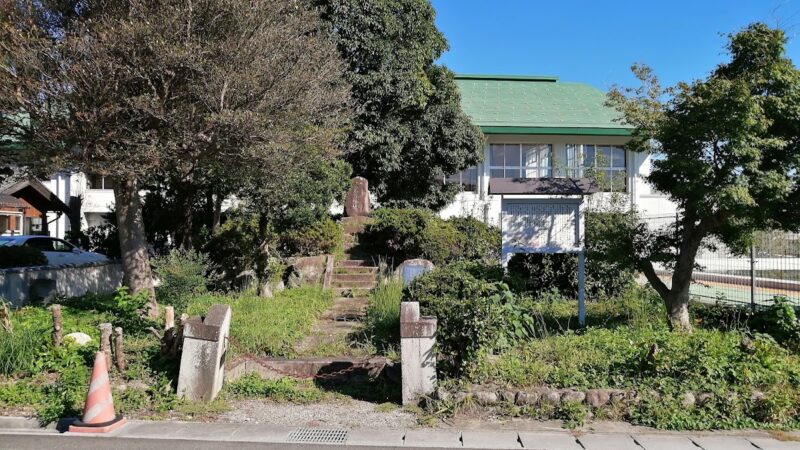
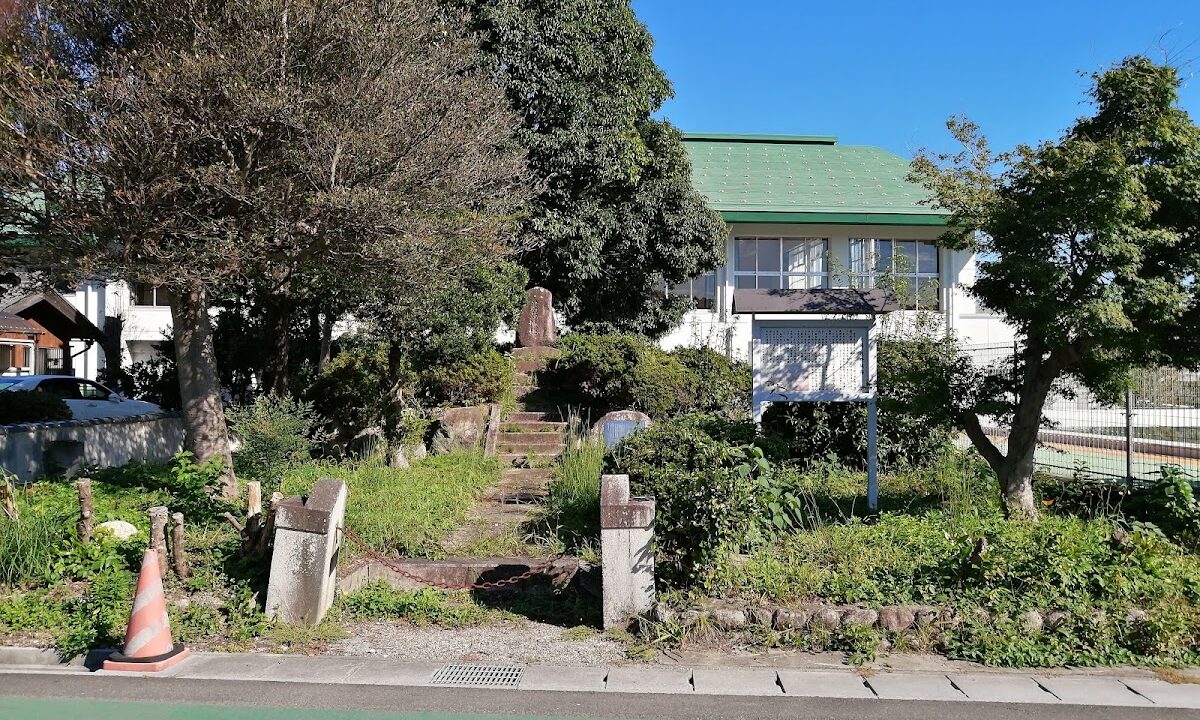
- Stone Monument to the Komono Castle Site: A stone monument marking the Komono Castle site has been erected where the garden remains.
Structure of the Castle Town
The castle town, centered around Komono Castle, was planned and laid out systematically. Samurai residences were arranged around the castle, and the merchant district was formed outside of that.
Merchant houses lined the road, and it was a bustling route for pilgrims visiting Yunoyama Onsen. Komono also functioned as a post town on the highway connecting Kyoto and Ise, leading to the development of inns and shops.
History of the Komono Domain and the Reign of the Hijikata Clan
Domain Administration Throughout the Edo Period
The Hijikata clan ruled the Komono Domain for 12 generations, from the first lord, Osamu, until the Meiji Restoration. Despite being a small domain with a stipend of 12,000 koku, they developed their own unique domain administration as an outside daimyo.
Main Achievements of Successive Lords:
- 2nd Lord, Otaka: Development of the castle town, establishment of the foundation of domain administration
- 3rd Lord, Oonaga: Consideration of establishing a domain school, promotion of learning
- Mid-Period Lord: Development of new rice fields, promotion of flood control projects
- Late Edo Period Lord: Response to the turmoil of the late Edo period, domain administration reforms
The Komono Domain’s economy was based on forestry utilizing the abundant forest resources of the Suzuka Mountains and agriculture utilizing the clear streams at the foot of the mountains. Managing Yunoyama Onsen (hot spring) was also one of the domain’s important projects.
The Komono Domain during the Late Edo and Meiji Restoration Periods
During the late Edo period, the Komono Domain, though small, responded sensitively to the changes of the times. It sided with the new government in the Boshin War and witnessed the Meiji Restoration.
Following the return of the domain registers to the Emperor in 1869 (Meiji 2), the last lord of the Komono Domain became the domain governor. However, with the abolition of the feudal domains and establishment of prefectures in 1871 (Meiji 4), the Komono Domain was abolished and incorporated into Mie Prefecture via Komono Prefecture.
Komono Castle and Surrounding Cultural Properties and Historical Sites
Jigenji Temple and the Hijikata Clan’s Family Temple
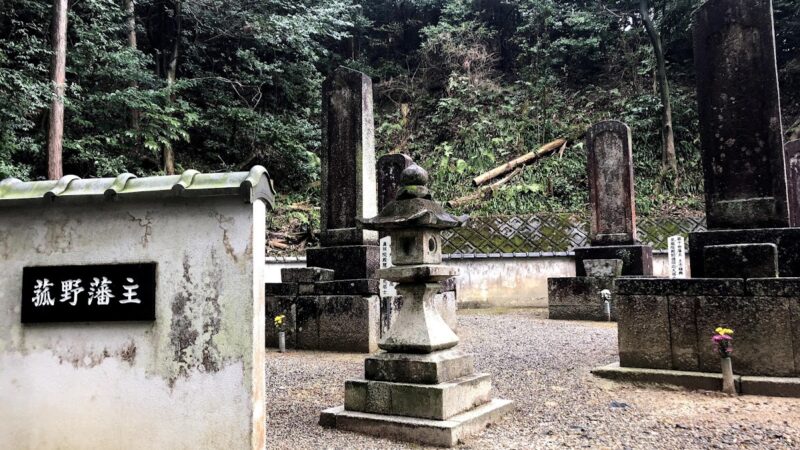
Near Komono Castle is Jigenji Temple, the family temple of the Hijikata clan. This temple houses the tombs of successive lords and is an important historical site that conveys the history of the Komono Domain to the present day.
Jigenji Temple houses cultural properties deeply connected to the Hijikata clan, and visitors can see items related to the lords. The temple grounds are enveloped in a tranquil atmosphere, a place where one can imagine the former glory of the Komono Domain.
Related Historical Sites in the Surrounding Area
Around Komono Castle, there are numerous historical sites that retain traces of the castle town era. Main Related Historical Sites:
- Samurai Residence Sites: Some remnants of samurai residences remain around the castle.
- Traces of the Old Highway: Along the old highway, there are places where you can feel the atmosphere of the townscape in the past.
- Irrigation Canals: Some of the irrigation canals that supported life in the castle town are still in use today.
Geographical and Historical Background of Mie County and Komono Town
Origins of Mie County
Mie County existed as one of the counties of Ise Province from ancient times. Under the Ritsuryo system, it was a central county in the northern Ise region, along with Asake County.
Currently, Mie County consists of three towns: Komono Town, Asahi Town, and Kawagoe Town. It once encompassed a vast area, but has shrunk to its current size due to the implementation of city status and mergers.
Geographical Characteristics of Komono Town
Komono Town is located at the eastern foot of the Suzuka Mountains and is characterized by its topography with large differences in elevation. The western part of the town is mountainous, with the Suzuka Mountains, including Mount Gozaisho (1,212 meters), forming a chain of peaks.
Geographical Characteristics:
- Mountainous Area: Suzuka Mountains, abundant forest resources
- Foothills: Alluvial fan, clear streams and abundant water resources
- Plains: Agricultural area, residential and commercial areas
- Rivers: Mitaki River, Asake River, etc., flow eastward
The town’s name is said to have originated from the fact that it was a wilderness overgrown with plants such as wild rice (Zizania latifolia) and mugwort, hence the name “Komono.”
Suzuka Mountains and Yunoyama Onsen
A major characteristic of Komono Town is that it benefits from the Suzuka Mountains. Mount Gozaisho is a popular tourist destination for hiking and ropeway rides, and Yunoyama Onsen hot springs gush forth at its base.
Yunoyama Onsen is an ancient hot spring resort said to have been discovered during the Nara period, and was under the control of the Komono Domain during the Edo period. Many hot spring inns still operate there today, attracting numerous tourists from Nagoya and Osaka.
Access to Komono Castle and Local Information
Transportation Access
Access to Komono Castle Ruins (Komono Elementary School) is as follows:
By Train:
- Get off at Komono Station on the Kintetsu Yunoyama Line, approximately 10 minutes on foot
- Transfer to the Yunoyama Line at Kintetsu Yokkaichi Station on the Kintetsu Nagoya Line
By Car:
- Approximately 15 minutes from Yokkaichi IC on the Tomeihan Expressway
- Approximately 5 minutes from Komono IC on the Shin-Meishin Expressway
- Parking: Use public parking lots around Komono Elementary School
Points to Note When Visiting
Since Komono Castle Ruins are located within the grounds of Komono Elementary School, consideration is required when visiting.
Points to Note During Your Visit:
- Please be considerate and avoid disrupting school activities.
- The stone monument and remnants of the garden can be viewed from outside the school grounds.
- Part of the castle moat can be seen from the roadside.
- Visiting during holidays or long breaks is recommended.
Nearby Tourist Attractions
When visiting Komono Castle Ruins, we recommend also visiting nearby tourist attractions.
Nearby Tourist Attractions:
- Yunoyama Onsen: Approximately 15 minutes by car, a historic hot spring town.
- Gozaisho Ropeway: Enjoy spectacular views of the Suzuka Mountains.
- Mitake-ji Temple: A sacred site of mountain worship, famous for its autumn foliage.
- Jigen-ji Temple: The family temple of the Hijikata clan, burial ground of successive feudal lords.
- Paramita Museum: Contemporary art museum, pond garden.
- Mie Prefectural Forest: Nature walks, campsite.
History and Culture of Komono
Development as a Castle Town
Komono developed throughout the Edo period as a castle town centered around Komono Castle. Despite being a castle town of a small domain with a 12,000 koku (unit of rice production) domain, it flourished as a commercial center, taking advantage of its location on a major road.
The castle town was home to people of various social classes, including samurai, merchants, artisans, and farmers, fostering a unique townspeople culture. Festivals and annual events were actively held, playing a role in strengthening community ties.
Komono in the Modern Era
After the Meiji Restoration, Komono became part of Mie Prefecture and was affected by the wave of modernization. With the implementation of the town and village system in 1889 (Meiji 22), Komono Village was established, and in 1929 (Showa 4), it became Komono Town.
Major Events Since the Modern Era:
- Meiji Era: Establishment of school education, Komono Elementary School
- Taisho Era: Progress in road development
- Early Showa Era: Town status established (1929)
- Post-war: Opening of Kintetsu Yunoyama Line (opened in 1913, developed after the war)
- High-growth period: Development as a tourist destination, prosperity of Yunoyama Onsen (hot springs)
- Heisei Era and beyond: Town development utilizing nature and history
Modern Komono Town
Currently, Komono Town, with a population of approximately 40,000, is promoting town development that utilizes its nature, history, and tourism.
Characteristics of Modern Komono Town:
- Tourism: Promotion of tourism centered around Yunoyama Onsen and Mt. Gozaisho
- Agriculture: Rice cultivation, vegetable farming, and development of local specialties
- Industry: Industrial parks utilizing its location adjacent to Yokkaichi City
- Residential Area: Development as a commuter town for the Nagoya area
- Education and Culture: Educational activities utilizing history and nature
Historical Significance of Komono Castle
As a Base for Controlling Northern Ise
Although small in scale, Komono Castle was an important base in the Northern Ise region. From the time of Oda Nobunaga through the Edo period, it functioned as the political, economic, and cultural center of the region.
Its history, beginning as a magistrate’s office for Mie County and later becoming the administrative center of the Komono Domain, is a good example of the changes in regional control during the transition from the Sengoku period to the early modern period.
Administration of a Small Domain
The Komono Domain was a small domain with a stipend of 12,000 koku, but the Hijikata clan maintained stable administration for 12 generations. This was due to economic management that utilized the characteristics of the region and the maintenance of good relations with the shogunate.
The agile policy-making unique to a small domain and governance closely tied to the local community hold historical significance as an example of the diverse forms of domain administration in the Edo period.
Core of Regional Identity
The history of Komono Castle and the Komono Domain forms the core of the identity of present-day Komono Town. Remnants of the castle town’s streetscape, historical sites associated with the Hijikata clan, and festivals and events that have continued since the domain era demonstrate the historical continuity of the region.
Preservation and Utilization of the Komono Castle Ruins
Positioning as a Cultural Property
The Komono Castle Ruins are positioned as an important cultural property of Komono Town. Currently, the site is occupied by Komono Elementary School, making large-scale archaeological excavations and restoration difficult. However, efforts are being made to preserve the remaining ruins.
Efforts are underway to convey the history of Komono Castle to visitors through the installation of stone monuments and explanatory signs.
Future Prospects
Komono Town is promoting town development utilizing historical heritage, including the Komono Castle ruins.
Directions for Utilization:
- Implementation of historical guided tours
- Recreation of the past using digital technology
- Incorporation into educational programs
- Utilization as a tourist resource
- Fostering local historical awareness
Summary
Komono Castle, located in Komono Town, Mie Prefecture, served as the center of the region for approximately 300 years, from the Sengoku period to the Meiji Restoration. Its history, beginning with the establishment of a magistrate’s office by Takigawa Kazumasu and later becoming the residence of 12 generations of the Hijikata clan and the administrative center of the 12,000-koku Komono Domain, is indispensable when discussing the history of the northern Ise region. Although the castle structures themselves are now gone, remnants of the castle moat, parts of the earthen walls, and the lord’s residence garden evoke memories of the past. A stone monument standing on the grounds of Komono Elementary School quietly commemorates the fact that this area was once the center of the Komono domain.
Nestled in the rich natural environment of the eastern foothills of the Suzuka Mountains, the history and culture nurtured by Komono Castle and its castle town are now inherited as part of the identity of present-day Komono Town. Along with tourist attractions such as Yunoyama Onsen and Mount Gozaisho, the Komono Castle ruins, as an important historical site conveying the historical charm of Komono Town, will continue to convey the weight of history to many people in the future.