Full story of Takamori Castle: Complete explanation of the history of the castle pond and its castle in various places around the time of the war
In the history of castle forts in Japan, “Takamori Castle” is an interesting example and a representative fort that has existed in many places. Castle forts with the same names were built in Yufei Province (Kumamoto Province), Suo Province (Yamaguchi Province), Fuzen Province (Oita Province), Waiyo Province (Lovehime Province), etc., and each theater is an important cornerstone in the historical performance of the area where it is located. The main text includes the historical background, construction progress, and full details of Takamori Castle.
Is that Takamori Castle? : A castle pond that existed in many places during the war period
Takamori Castle is the nickname for a mountainous castle built in a strategic location during the wars of Japan during the Middle Ages. Zheng Ru place name “Gaosheng” indicated, Xuta City Fort Capital Jianyu Gaohai Forest or Mountain Area, location Yongyue, Kai overlooking surrounding area.
However, the historical background of the castle fort is different from each other, but the city has important area restraints and a harmonious boundary defense function. Understand that each person understands the importance of local governance during the Japanese war.
Gaosheng Castle, Feihou Province: The final residence of the great priest of the Asu family
Feihou Gaosheng Castle overview and location
Takamori Castle is located in Takamori Town, Asu District, Kumamoto, and is an important redoubt for one troupe, and is also one of the 24 Asu Castle Forts. It was built as a castle fort on the mountain above the castle, and was a strategically important position for the war, and was an important point for the Asu family during the time when they were in the war.
Takamori Castle is an excellent site with a bird’s-eye view of the southern plains, east and east of the volcanic mouth, and a highly praised natural fortress, also known as “Bengcheng”. Its high-altitude position gives it the ability to overlook the surrounding area, which is extremely advantageous for the military there.
Castle lord construction history and changes
The construction of Takamori Castle began during the construction period. During the War period, Mitsunao Takamori, a member of the Asu family, was the lord of the castle. Mitsunao Takamori was an important vassal of the Asu family, and was in charge of the first area of the peace and security district.
The Asu family has a long history, a famous and famous family, a traditional Shinto Taoist priesthood, and a samurai family-like practice—all of its unique combinations. Takamori Castle is a frontline fortress within the Asu family’s army, and is an important cornerstone of the battle between the Otomo clan and the Mashimazu clan.
Battle of Takamori Castle in 1586
The most important incident in the history of Takamori Castle was its fall in 1586. During the battle in Kyushu between the Shimazu clan, Takamori Castle was attacked by a fierce attack by the Haima Army. The final result of this attack was the decline of the Asu family’s high priest, who was attacked by an army of warriors.
This was the turning point in the battle, which marked the end of the Kyushu battle. In the following year, Hideyoshi conquered Kyushu, and the regional power level was determined.
Takamori Tonosugi: Watch the history of the castle ruins
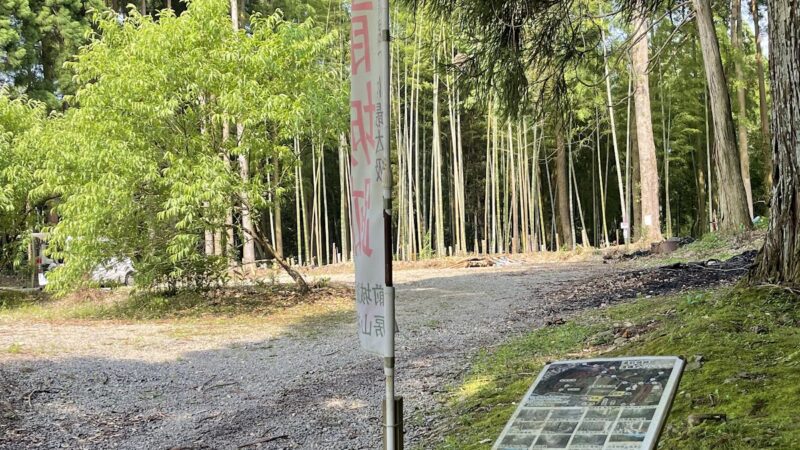
The Takamori Castle ruins are currently in existence, and the famous Santen tree, known as Takamori Tonosugi, stands here. The surname of Mitsunao Takamori, the lord of the castle, was given the name of Sanshu, which has been around for hundreds of years, and is a local symbol.
We also entertained the famous female performer Kanno Miho, and now we have a rare natural history, and the history of General Takamori Castle has been accepted since then. The construction of the castle ruins is an important monument in the history of the imperial era.
Current status of Takamori Castle
Takamori Castle is located in Takamori Town, a tourist attraction that has recently opened, and is a well-preserved medieval landscape preserved on the top of the castle. This is an important historical site in terms of fort construction techniques, and the history of defense works such as the construction of the fortress and the construction of the Hewa earthworks, and the construction of the envoys.
The panoramic view of the southern plains is magnificent, and no one is allowed to see it. The spring sky blooms, the autumn leaves bloom, and the history of its formation is explored and the natural scenery is combined to remove the heat gate.
Takamori Castle in Suo Province: Ouchi clan military base
Geographical location of Takamori Castle in Suo Province
Takamori Castle in Suo Province is located in Yamaguchi, Iwakuni City, and is a mountain castle located at 412 Yoneyama Bay in the East South direction. Recently, Iwakuni City’s history has been designated as a museum, and it is convenient for visitors to visit.
The castle fort was a strategic strategic point during the Ouchi clan’s military occupation. Production restraint control in the mountain city area, forward military operation forward base, occupying an important position.
Castle-like construction during the Yoouchi clan era
Takamori Castle was built in 1449, by Michiaki Kishi, a vassal of the Yuoouchi clan. In the 15th century, the Ouchi clan was in power, and their power was in power.
As a powerful feudal lord in the Chugoku region, the Ouchi clan acquired great trade and wealth during the Japanese and Ming dynasties, and had a highly developed culture. Takamori Castle is the key to the Ouchi clan’s strategy.
Mori clan’s consent and peace
In 1551, after the change of Daininji Temple, the Ouchi clan was overthrown, the Mori clan was taken away and the Suo Province was restrained, and Saka Shingo was appointed as the gatekeeper to Takamori Castle. He was a vassal of the Mori clan, and was given a heavy post in the Tairajoyama Castle area, where Shingo Saka left the gate.
It was established by the Mori clan during the Ouchi clan’s reign, and was established by the Mori clan. The construction of Takamori Castle was a key point in the restricted area, and the Mori clan in the Chugoku area played an important role in the process.
Fortress structure and departure
Takamori Castle in Suo Province is a typical mountain castle, built as the main castle in the mountains of Yuta. A small shrine with one troupe dedicated to the North East corner.
Takamori Castle’s layout makes full use of Yamashiro’s unique geographical advantages, and the clever design maximizes its defensive ability. The mountain base of the mountain, the clever combination of artificial walls and trenches, the small number of immediate guards, and the effective and effective defense.
Status of preservation and traffic
The site of Takamori Castle is designated as a historical site by Iwakuni City, has a good mountain climbing route, and has convenient transportation links. In the past, I have visited Iwakuni Castle, and since then I have been visiting the castle fortress site in the middle of the mountains.
“Are you thinking about this unexpected local ability to see the castle fort site!?” This is the joy of a lover of the castle fortress in this area, and the charming demise of the castle. Iwakuni City Cultural Quality Protection Management, Licensing Certificate.
Takamori Castle in Uzen Province: Mainly controlled by the Kurota clan before U.
Geographical expedition of Ushimae Takamori Castle
Takamori Castle is located in Usa City, Oita Prefecture, the height of the plateau is approximately 30 meters high, and the Eishigawa River is located in the area. This is a typical plains castle for the troupe, with clever use of the land and topography of the river.
Takamori Castle sits on a prominent plateau, where the river flows, a natural fortification, and a three-faced river. Its basic design is that there is only one weak and weak environment–the east side and the plateau are connected to the double castle river–progressing and strengthening.
Kurota’s rule
In 1587, Yoshitaka Kuroda (Jousui) was in charge of the Kyushu War under Hideyoshi, a vassal of the Emperor, and was the lord of Nakatsu Castle in the six districts of the former province of Japan. At the same time, another younger brother, Toshitaka Kuroda, was enslaved with 10,000 koku and was also appointed lord of Takamori Castle.
A fort currently used by the Kurota clan, and a new administrative system established during the pre-Japanese period. Takamori Castle was one of the most important castles in the country before the Kuroda clan was established, and the district was designated as one of the most important castles.
Usage river distribution
The most important feature of Takamori Castle is its construction, which allows maximum use of land and the natural topography of the river. However, the altitude of 30 U.S. mountains is low, but the natural defense of the river provides a natural defense.
The construction of multiple forts on the high ground, the construction of a double castle on the east side, and the establishment of solid defense lines, effectively preventing intrusion by enemies. The construction of this castle is an exhibition of techniques for building forts at the end of the Warring Period.
Takamori Castle in Iyo Province: Utsunomiya branch castle information
Overview of Takamori Castle in Iyo Province
The castle ruins of Takamori Castle in Yutaza, Aihime, and the most important of these are the castle forts in Mimacho, Wauwajima City, Otsu City (Harakita District).
Takamori Castle, Otsu City, 190 U.S., located on the north bank of the Hirachi River. This is a small mountain town with a troupe, 35 meters east and west, 43 meters north and south. This is the residence of Utsunomiya Castle, a branch castle of Hagimori Castle, and the residence of Kajitani Izu no kami Keisuke, a vassal of Seiri during the Tenbun period.
Takamori Castle, Omacho, Uwajima City
Takamori Castle is located in Kanechika, Goma-machi, Uwajima City, and is a mountain castle during the era of the war, the outer fort, the drying up of the river, and the stone mound of the earthworks. The length of the east and west of the city is 160 meters, the distance between the north and south is 90 meters, the distance is 379 meters, and the altitude is 249 meters.
At the time of the war, the castle was built as a restraining point in the southern part of Iyo Province, and it played an important role. At present, it is an important castle site that has been publicly acknowledged, and has even been included in the Encyclopedia of Japanese Castles.
Systematic effect of Iyo district castle division
Takamori Castle, owned by Iyo Province, is the main fort and branch castle. The system of dividing castles is an important system for controlling the territory of feudal lords (feudal lords). The surrounding area of the main castle is divided into multiple parts, and other areas are also available for effective maintenance.
The image of Gaosheng Castle is divided into various functions, including comprehensive area monitoring, information collection, and emergency evacuation equipment. Exhaust control, control, and control position, but hold the position in an important strategic position.
Takamori Castle’s common construction techniques and defense structure
Basic form: Yamashiro
The common feature of Takamori Castle, which is owned by the district, is that it is shaped like a mountain castle or a plains castle. Due to the maximum use of land, natural terrain such as highlands and rivers, Gaomori Castle has little artificial modification, and under the circumstances, it has actually achieved a strong defensive ability.
The basic defense elements of a mountain castle fort, such as the outer fort, the Pucheng River, the Yugaiwa earthworks, and the uniformity of the castle grounds in Gaomori in various parts of Japan. This castle is a masterpiece of unique Japanese castle construction techniques that originated from the medieval period when the country entered the war.
Observation information collection function
The castle is located in the city center and has a bird’s-eye view of the surrounding area. It does not have the ability to defend, but it also has the ability to collect important information.
During the time of the war, information was very important. Quickly grasp all kinds of information – military movements, road traffic conditions, fires and other ordinary incidents in the surrounding areas – directly related to local survival and local safety.
Differences in fort construction techniques in various regions
The immediate envoy has the same name as “Takamori Castle”, but the fort construction techniques in different areas are slightly different. Takamori Castle’s stone mounds in Kyushu are small in number, and are the main local construction owners, and Takamori Castle’s stone mounds are the main owners in the western part of Japan. This reflects local geological conditions, available materials, and the level of builder’s technology since the time of construction. We have been familiar with Takamori Castle all over the country, and we understand the regional diversity of Japanese castle fort construction techniques.
Takamori Castle’s historical meaning and current history
Current local administrative history sites
The nationwide distribution of Takamori Castle is a treasured historic site, a habitat exhibition, and the local administration of the Roman Empire era (Japan’s Roman Empire era). We understand that while the castle fort was in ruins, the rulers of the Daimyo region and others were able to establish a defense system.
In particular, the idea is that the system of division of castles has been established, and under the circumstances of limited military strength, the wisdom of managing highly effectively. Understand that Takamori Castle’s small and medium-sized forts are played in a variety of ways, and it is very important to understand the power structure of the country’s time.
Protection and use of production culture and industry
At present, Takamori Castle sites in various parts of Japan are being designated by local governments as cultural heritage sites for protection. For example, Iwakuni City, Watakamori-cho, Iwakuni City, Watakamori-cho, the efforts to open the building, the historical site, and the travel resources were used.
Cultural protection, etc., the protection of the gate’s location, research and promotion, and the power of the general public’s history. We guarantee that you will be able to read the instructions for the installation of the plaque, continue to maintain the maintenance activities such as walking distance, periodic cutting, etc., and also guarantee that the fort site will be provided.
Regional recognition core
Joya Takamori is the core of local folklore. The work is based on the history of the area, Takamori Castle is the arrogance of the local residents, and the persistence of the social area.
Takamori Castle, Takamori Hall, Cedar Trees, etc., the benefits of the natural world, the construction of the history and the natural cultural landscape, and the attraction of the area.
Takamori Castle Site Tour Guide
Previous transportation method of Takamori Castle
Hihou Takamori Castle: Takamori Town, Kumamoto Prefecture. You can now walk to JR Minami-Asu Railway Takamori Station. You can drive from the Kyushu Expressway Kumamoto IC to the Immigration Road No. 57.
Shuo Takamori Castle: Yamaguchi Iwakuni City. Arrive immediately by 30 minutes by car from Iwakuni IC on the Yushanyang Expressway. Tour of Iwakuni Castle during its construction. The course of the mountain climbing was good, but the mountain climbing clothes and Japanese sandals fit the demand.
Uzen Takamori Castle: Usa City, Oita Prefecture. It takes approximately 15 minutes to arrive by car from the East Kyushu Expressway Usa IC. The ruins of a castle fort in front of the riverside road.
Iyo Takamori Castle: Otsu City or Uwajima City. Take a car to the center of Keidu City. Yuyu is a mountain fort, construction equipment and mountain climbing equipment.
Learn about the game
When visiting the mountain fortress, please note the following items:
- Compatible climbing clothes and Japanese sandals
- Portable drinking water
- Summer travel guide
- 查view天气预报,Escape from rainy weather
- Be careful and avoid unnecessary damage.
- Work must be carried out at the school
Zhoukan Scenic Spot
There are many sightseeing spots around Takamori Castle in different locations.
The surroundings of Takamori Castle in Feihou Province include Alian Mountain, Takamori Spring Water Tunnel Park, Takamori Cedars, and other scenic spots. Famous scenic spots such as Takamori Castle in Suo Province and nearby Iwakuni Castle and Tsutahama Bridge make it an ideal choice for a day trip exploring the history of Japan.
Surroundings of Takamori Castle in Uzen Province include Ariusa Shrine, Nakatsu Castle, and other historic sites; Takamori Castle in Iyo Province includes well-preserved well-known castle forts such as Otsu Castle and Uwashima Castle.
Takamori Castle research status and future challenges
Archaeological excavation and scientific research
Irregular exhibitions of archaeological excavations at the Takamori Castle ruins and local government research mechanisms. Specially, the details of the detailed information on the development of Takamori Castle in the Suo Province and the Takamori Castle in the Suo Province and the subsequent state of the country were recorded.
However, there is a restriction on the number of personnel in Yuyu, and there is a restriction on the total number of archaeological excavations. In the future, we will conduct more in-depth scientific research, learn new features, confirm the construction date, and understand the techniques used at the time.
Protective equilibrium
How to secure the fortress, build peace, promote the area, and acquire equilibrium while expanding, the beginning is one challenge. It is necessary to proceed with the purpose of traveling, but it is possible to proceed with the trip.
We have a variety of ways to protect our culture, promote tourism, and expand our area. It is important that local residents and government researchers work together to develop and develop the protection plan.
Numerical technology used
In recent years, the research and use of castle forts has been a long-term progress in acquiring numerical technologies such as three-dimensional drawing, zero-human machine-making, and virtual reality technology. Immediate envoy’s statue Takamori Castle’s mountainous castle fortress, this small technical feature is further detailed record and analysis.
It is possible to keep track of the construction of the numerical system, to record changes over time, and to use it as a future security plan. In addition, the use of virtual reality (VR) technology has brought great benefits to the world of education, education, and social activities.
Summary: Takamori Castle’s historical memories of the war
Takamori Castle has been scattered all over Japan, and each troupe has its own unique history. This is because of the construction of defensive works in various parts of Japan, such as the Aso family in the post-Hitoku province, the Ouchi clan and Wamori clan in the Suo province, the Kurota clan in the Prefecture, and the Utsuya clan in the Iyo province.
Existing ruins have been exhibited at the time, and the fort construction technology of the time has been revealed, and the structure has been realized by the skillful use of the natural topography and the unique Japanese fort culture. Elemental layouts such as castle towers, castles, rivers, landslides, etc., are determined to maximize defensive and effective wisdom based on limited circumstances and resources.
When you visit Gaosheng Castle, you will not be disappointed in its historical construction, and you will also be able to see the topography that people around the time of the war were looking at, and the opportunities for military strategy and challenge in other areas. Understood Gaosheng City (Yu Feihou, overlooking Nanhou Plains), Gaosheng City (Weiyu Suwang, overlooking Aizhi Road) He Gaosheng City (Weiyu Front) 、A bird’s-eye view of the river)This is the three castle ruins’ strategic intention, and if you help us, you will understand that we have a clearer understanding of the area.
During the course of the local government’s protection work for the Japanese culture and security department, academic research and local residents’ contributions, Takamori Castle’s memories and successive companions. The cultural scenery of Takamori Castle and the cedar trees of Takamori-dono and nature are integrated, and this is a rare treasure of Japanese history and the harmonious coexistence of nature.
400 years later, Takamori Castle is still the core of the area’s physical recognition, and it is also a historical educational material, which plays an important role. If you use the fortress in a reasonable manner, it is your personal responsibility.