Complete Guide to Oba Castle (Fujisawa City, Kanagawa Prefecture) | History, Highlights, and Access Explained in Detail
Located in Oba, Fujisawa City, Kanagawa Prefecture, Oba Castle is a historically significant site as the only remaining medieval castle site in southern Sagami Province. Designated as a Fujisawa City Historic Site in 2021 (Reiwa 3), it is now a popular park for local residents known as Oba Castle Ruins Park. This article comprehensively explains the detailed history of Oba Castle, highlights of its remains, and access methods, providing useful information for castle enthusiasts and local residents alike.
History of Oba Castle | From the Heian Period to the Sengoku Period
The Era of Oba Mikuriya and the Oba Clan (Late Heian Period to Kamakura Period)
The area where Oba Castle is located was a manor of Ise Grand Shrine called “Oba Mikuriya” during the late Heian period (12th century). This area was ruled by the Ōba clan, a branch of the Kantō Taira clan. Ōba Kagechika is known as a warrior who distinguished himself on the Taira side during the Genpei War, and is credited with cornering Minamoto no Yoritomo at the Battle of Ishibashiyama.
There are few clear records of Ōba Castle from this period, and it is presumed to have been a residence-sized structure, but it certainly functioned as the Ōba clan’s base. After Ōba Kagechika’s defeat, this region came under the control of the Kamakura Shogunate, and the Ōba clan’s power declined.
Full-scale construction by Ōta Dōkan (Muromachi period)
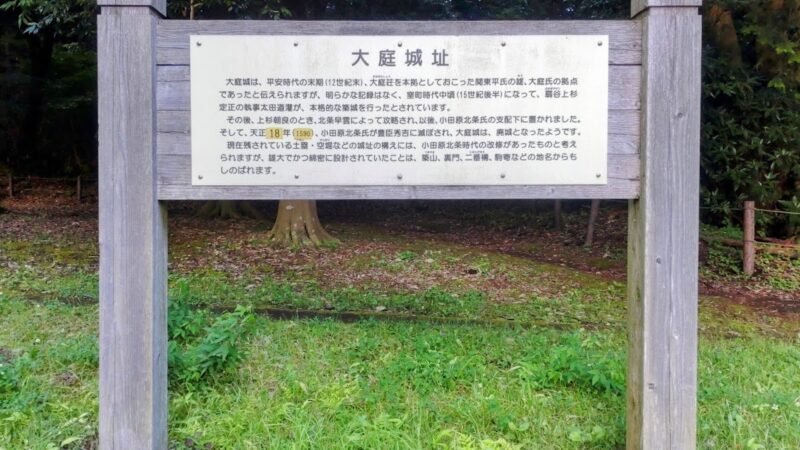
Ōba Castle was fully developed as a fortress in the late 15th century, during the mid-Muromachi period. Ōta Dōkan, a renowned general who served the Ōgigayatsu Uesugi clan and the Kantō Kanrei Uesugi family, undertook full-scale construction of this castle. Ōta Dōkan is also known as a master castle builder, having constructed Edo Castle, and Ōba Castle was transformed into a fortress of the Sengoku period under his direction.
The reason Ota Dokan valued Oba Castle so highly lies in its location. Surrounded by the Hikichi River to the east and the Koito River to the west, it was a naturally fortified tongue-shaped plateau, a strategically important point controlling southern Sagami Province. Taking advantage of its plateau topography, which offered panoramic views, a robust castle was constructed with large dry moats and earthworks.
The Conquest by Hojo Soun and the Era of the Odawara Hojo Clan
In 1512 (Eisho 9), Hojo Soun (Ise Sozui), who had advanced into Sagami Province, captured Oba Castle, the residence of the Ogigayatsu Uesugi clan. The castle lord at the time was Uesugi Tomoyoshi, but it fell due to Soun’s strategic attack. The legend of the “Boat Jizo” related to this battle is still passed down in the region today.
Oba Castle, which came under the control of Hojo Soun, was subsequently renovated by the Odawara Hojo clan. However, with Hojo Soun’s construction of Tamanawa Castle (Kamakura City), the strategic importance of Oba Castle relatively declined. As Tamanawa Castle began to function as a base in southern Sagami Province, Oba Castle became a subsidiary castle.
Abandoned Castle and Modern Times (After Toyotomi Hideyoshi’s Siege of Odawara)
In 1590, when the Later Hojo clan was destroyed in Toyotomi Hideyoshi’s siege of Odawara, Oba Castle was also abandoned. After Tokugawa Ieyasu’s entry into the Kanto region, the area came under Tokugawa control, but its function as a castle was lost, and it came to be used as farmland and forest.
Even after many years, the remains of the castle were preserved relatively well, and in 1932, a memorial stone monument to the Oba Castle site was erected. Currently, the site is maintained as the Oba Castle Ruins Park, covering approximately 12.6 hectares. Its historical value is recognized as the only remaining medieval castle site in southern Kanagawa Prefecture.
Structure and Layout of Oba Castle
Defensive Structure Utilizing a Tongue-Shaped Plateau
Oba Castle was built on a tongue-shaped plateau between two rivers, the Hikichi River and the Koito River. This terrain functioned as a natural moat, creating a natural stronghold that made enemy intrusion difficult. From the plateau, approximately 40 meters above sea level, a wide view of the surrounding area was possible, offering the advantage of early detection of enemy movements.
The castle grounds extended approximately 300 meters east-west and 500 meters north-south, boasting a considerable scale for an earthen castle in the Kanto region. As a typical example of an “earthen castle” without stone walls, it is a valuable historical site that conveys the castle-building techniques of the Sengoku period.
Remains of Dry Moats and Earthworks
Within the Oba Castle Ruins Park, large-scale dry moats and earthworks from the Sengoku period remain in excellent condition. The dry moat surrounding the main enclosure, in particular, reaches a depth of several meters, attesting to the high level of defense at the time.
The dry moat not only physically prevented enemy intrusion but also allowed for the defense of enemy soldiers attacking from above. The earthworks, constructed by piling up the soil excavated from the moats, served as both a defensive wall and a means of maintaining visibility from within the castle.
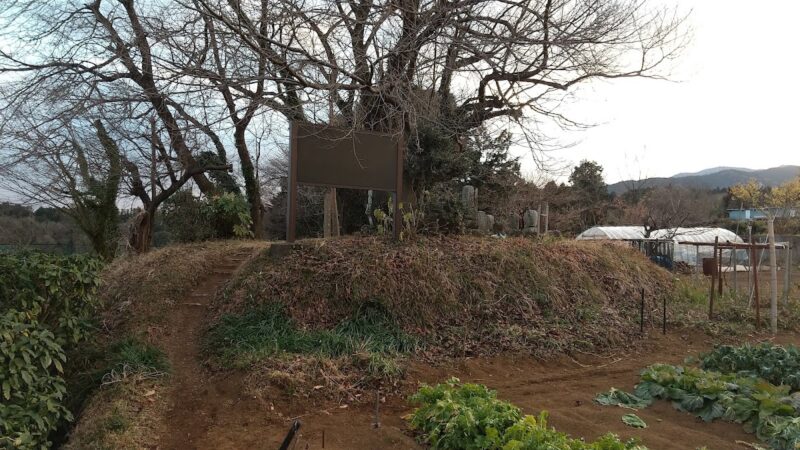
A stroll through the park allows for close observation of these remains, providing a tangible experience of a medieval castle. Clear earthworks remain, especially around the castle site plaza, evoking the magnificent appearance of the castle in its heyday.
Traces of the Castle Remaining in Surrounding Place Names
The sheer scale of Oba Castle can still be seen in the surrounding place names. Place names such as “Komayose,” “Uramon,” and “Niban-gamae” all originate from castle facilities and defensive structures.
“Komayose” refers to a place for tethering horses, “Uramon” is a gate located at the rear of the castle, and “Niban-gamae” signifies a second line of defense. The widespread distribution of these place names suggests that Oba Castle was not merely a mountain castle, but rather a large-scale castle town encompassing the surrounding area.
These place names are still used daily by local residents, and the history of the castle town lives on in their daily lives.
Highlights of Oba Castle Ruins Park
Manor Site Plaza and Oba Castle Ruins Memorial Stone Monument
The Manor Site Plaza, located in the center of the park, is believed to be the site of the former main enclosure (honmaru). In this plaza stands a memorial stone monument to the Oba Castle ruins, erected in 1932 (Showa 7). The inscription reads: “This place is said to have been the residence of Oba Kagechika. Later, Uesugi Sadamasa renovated it and resided there. However, in 1512 (Eisho 9), during the time of his son Tomoyoshi, Hojo Soun seized control of the castle, and from then on, it became a castle held by the Hojo clan. The date of its abandonment is unknown.”
This monument is a valuable document that concisely conveys the history of Oba Castle and is an important point of interest when visiting the castle ruins. From the plaza, you can overlook the surrounding terrain and imagine the castle lord watching over his territory from this spot.
Walking Trails and Nature Observation
Well-maintained walking trails crisscross the Oba Castle Ruins Park, allowing visitors to enjoy forest bathing while viewing the castle remains. The park covers approximately 12.6 hectares and maintains a lush green environment.
In spring, cherry blossoms bloom in profusion, and wisteria flowers hang beautifully from the trellises. A rose garden is also maintained, and seasonal flowers delight visitors throughout the year. The ability to enjoy both historical exploration and nature observation simultaneously is a major attraction of Oba Castle Ruins Park.
The walking paths are undulating, so comfortable shoes are recommended. Walking while experiencing the castle’s terrain allows for a deeper understanding of the defensive structure of the Sengoku period.
Athletic Field and Recreation Facilities
The park features an athletic field with plenty of playground equipment for children. It functions not only as a historical site but also as a recreational area for families, and is bustling with many citizens on weekends.
While being a historical site as a castle ruins park, it also functions as a modern park, making it a space that can be enjoyed by people of all ages. There is also a picnic area, so you can bring a packed lunch and spend a relaxing day there.
The Boat Jizo and the Legend of the Castle’s Fall
Around Oba Castle Ruins Park, there remains a legend of the “Boat Jizo” related to the castle’s fall in 1512 by Hojo Soun. This legend tells of the tragedy of those who tried to escape the castle during its fall, and is an interesting element for understanding the local history and culture.
The Boat Jizo is located a short distance from Oba Castle Ruins Park, but you can visit these historical sites by walking the Fujisawa City Cultural Heritage Hiking Course, “Oba Castle Ruins Course.” By visiting not only the castle ruins but also the surrounding historical spots, you can experience the history of Oba Castle more deeply.
Access Information | How to Get to Oba Castle Ruins Park
Access by Public Transportation
Oba Castle Ruins Park can be accessed by bus from three nearby stations.
Access from Fujisawa Station
- Take a bus from the north exit of Fujisawa Station (JR Tokaido Line, Odakyu Enoshima Line, Enoshima Electric Railway)
- Take a Kanagawa Chuo Kotsu bus bound for “Oba Castle Ruins Park” or “Shonan Life Town”
- Get off at the “Shiroshita” or “Oba Elementary School” bus stop, then walk for about 5 minutes
- Travel time: Approximately 15-20 minutes by bus
Access from Tsujido Station
- Take a bus from the north exit of Tsujido Station (JR Tokaido Line)
- Take a Kanagawa Chuo Kotsu bus bound for “Shonan Life Town”
- Get off at the “Shiroshita” or “Oba Elementary School” bus stop, then walk for about 5 minutes
- Travel time: Approximately 10-15 minutes by bus
Access from Shonandai Station
- Take a bus from Shonandai Station (Odakyu Enoshima Line, Sotetsu Izumino Line, Yokohama Municipal Subway)
- Take the Kanagawa Chuo Kotsu bus bound for “Shonan Life Town”
- Get off at the “Shiroshita” or “Oba Elementary School” bus stop, then walk for about 5 minutes.
- Travel time: Approximately 10-15 minutes by bus.
Bus schedules vary between weekdays and holidays, so it is recommended to check the timetable on the Kanagawa Chuo Kotsu website in advance.
Access by Car and Parking
Access by Car
- Approximately 10 minutes from the Shin-Shonan Bypass “Fujisawa IC”
- Accessible via National Route 467 and Prefectural Route 43.
Parking Information
Oba Castle Ruins Park has a dedicated parking lot. However, parking spaces are limited, so it may be crowded on holidays and during cherry blossom season. It is recommended to check with the Fujisawa City Community Development Association, which manages the park, in advance.
For parking hours and fees, please check the Fujisawa City official website or the information boards at the site.
Access by Foot or Bicycle
For those living in the Shonan Life Town area or exploring the surrounding area, access by foot or bicycle is convenient. You can enjoy nature while traveling along the riverside cycling path from Hikichigawa Waterfront Park to Oba Castle Ruins Park.
Using the Fujisawa City Cultural Heritage Hiking Course, the “Oba Castle Ruins Course,” allows you to visit Oba Castle Ruins Park while exploring nearby historical sites, providing a more fulfilling historical walk.
Basic Information on Oba Castle Ruins Park
Facility Overview
- Name: Oba Castle Ruins Park
- Location: 5230 Oba, Fujisawa City, Kanagawa Prefecture, and other locations
- Area: Approximately 12.6 hectares
- Designation: Fujisawa City Designated Historic Site (Designated December 2021)
- Management: Fujisawa City Community Development Association
Opening Hours and Admission Fee
- Opening Hours: Always open (Daytime use of walking paths is recommended)
- Closed Days: None
- Admission Fee: Free
The park is generally open 24 hours a day, but lighting is limited at night, so daytime visits are recommended. Especially if your purpose is to view the ruins or take photographs, the bright hours from morning to afternoon are ideal.
Main Facilities
- Castle Ruins Plaza (Main Enclosure Site)
- Oba Castle Ruins Memorial Stone Monument
- Walking Paths/Promenades
- Athletic Playground
- Rest Area
- Toilets (Located within the park)
- Parking Lot
Notes on Use
- No open fires allowed in the park
- Please take your trash home with you
- Pets are allowed, but please keep them on a leash at all times and clean up after them.
- Please refrain from entering the earthworks and dry moats without permission to protect the ruins.
- Collecting plants is prohibited.
Nearby Tourist Attractions
Hikichigawa Waterfront Park
Hikichigawa Waterfront Park, located within walking distance of Oba Castle Ruins Park, is a nature-rich park along the Hikichigawa River. It offers seasonal flowers and a water play area, making it a popular spot for families. Visiting Oba Castle Ruins Park in conjunction with this location allows you to fully enjoy nature and history in a single day.
Shonan Life Town
Shonan Life Town, located near Oba Castle Ruins Park, is a planned residential area with plenty of shopping centers and restaurants. You can stop by before or after exploring the park to enjoy meals and shopping.
Fujisawa City Cultural Heritage Hiking Course
Walking the “Oba Castle Ruins Course” set up by Fujisawa City allows you to efficiently visit related historical sites such as the Funajizo (boat Jizo statue) centered around Oba Castle Ruins Park. The entire course takes about 2-3 hours and is a recommended route for history buffs.
Points to Note When Visiting Oba Castle
Best Season for Visiting
Oba Castle Ruins Park can be visited throughout the year, but each season has its own unique charm.
- Spring (March-May): Cherry blossoms and wisteria are beautiful, and this is the season with the most visitors. The area gets particularly crowded during cherry blossom season, but you can enjoy both cherry blossom viewing and a visit to the castle ruins at the same time.
- Summer (June-August): The greenery is lush, making it ideal for forest bathing. However, precautions against the heat and insects are necessary.
- Autumn (September-November): The autumn foliage is beautiful, and the mild weather makes it an ideal season for strolling.
- Winter (December-February): There are fewer visitors, allowing you to carefully observe the ruins. The air is clear and the views are excellent, making it a good season to understand the castle’s location.
Useful Items to Bring
- Comfortable walking shoes (due to uneven terrain)
- Drinks (especially in summer)
- Camera (for photographing ruins and nature)
- Binoculars (for observing distant views)
- Castle-related materials and maps (for a deeper understanding)
- Insect repellent (in summer)
- Hat and sunscreen (for sun protection)
Estimated Time Required
- Ruins viewing only: 30 minutes to 1 hour
- Walking around the entire park: 1 to 2 hours
- Visiting surrounding historical sites: 2 to 3 hours
- Stay including a picnic: Half a day to a full day
It’s a good idea to plan your time allocation according to your purpose. If you’re a castle enthusiast, you’ll want to allocate about 2 hours to carefully observe the ruins.
Summary | Historical Value and Modern Significance of Oba Castle
Oba Castle (Fujisawa City, Kanagawa Prefecture) is a medieval castle with a long history spanning from the late Heian period to the Sengoku period. Beginning as the residence of Oba Kagechika, the castle was a crucial stage in the history of the Sengoku period in the Kanto region, from the full-scale construction by Ota Dokan, to the conquest by Hojo Soun, and the renovations by the Odawara Hojo clan.
Currently, the castle ruins, developed as Oba Castle Ruins Park, have well-preserved dry moats and earthworks from the Sengoku period, making it a valuable historical heritage site as the only remaining medieval castle site in southern Kanagawa Prefecture. Its designation as a Fujisawa City Historic Site in 2021 further recognized its historical value.
The park also offers excellent facilities, allowing visitors to enjoy not only historical exploration but also nature observation, recreation, and walks for a variety of purposes. Place names remaining in the surrounding area, such as “Komayose,” “Uramon,” and “Niban-gamae,” still convey the history of the castle town and are part of the local identity.
Access is convenient, with buses from Fujisawa Station, Tsujido Station, and Shonandai Station, and parking is available, attracting many history enthusiasts and tourists from both within and outside the prefecture. Visiting nearby spots such as Hikichigawa Waterfront Park will allow you to enjoy a more fulfilling sightseeing experience in the Shonan area.
Oba Castle is a valuable historical site that conveys the castle-building techniques of the Sengoku period, as a typical example of an “earthen castle” that does not use stone walls. As a castle associated with historical figures such as Ota Dokan and Hojo Soun, and as a historical site that tells the story of the region’s history, it will continue to be cherished by many people.
When visiting Fujisawa City, be sure to visit Oba Castle Ruins Park and enjoy the harmony of history and nature while feeling the spirit of the Sengoku period.