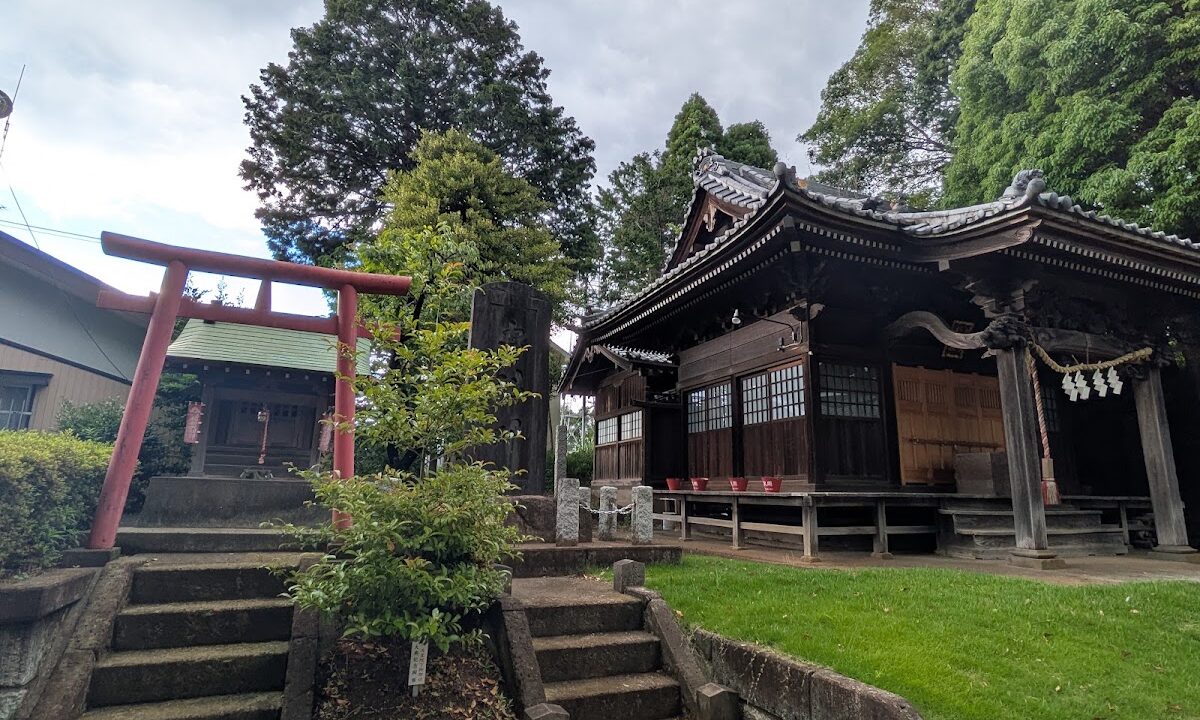
Saedo Castle (Kanagawa Prefecture) Complete Guide: History, Remains, and Access Information
Saedo Castle was a medieval castle located in Kanagawa Prefecture. While it is an important historical site for understanding the regional history of the Sengoku period, it is not widely known. This article provides a detailed explanation of Saedo Castle, including its historical background, builder, the current state of its remains, and access information for those wishing to visit.
Basic Information on Saedo Castle
Saedo Castle was a castle located in Kanagawa Prefecture and is believed to have been primarily used during the Sengoku period. There are multiple theories regarding its exact location, and researchers have differing opinions.
Castle Type and Characteristics
Saedo Castle is considered to have the typical form of a medieval mountain castle. Unlike early modern castles that used stone walls, it was composed mainly of earthworks and dry moats. This type of structure was common in the Kanto region during the Sengoku period.
Alternative Names and Notation
Some historical sources refer to it as “Saedo Fort” or “Saedo Camp.” The distinction between castles and forts is somewhat ambiguous depending on the era and scale, but it certainly served as a regional military base.
History of Saedo Castle
Construction Period and Background
Regarding the construction period of Saedo Castle, while the exact date is unclear due to limited reliable historical sources, it is estimated to have been built during the mid-to-late Sengoku period. During this period, the Later Hojo clan expanded its power in the Kanto region, and branch castles and forts were built throughout the area.
Builder and Lords
Information regarding the builder and successive lords of Saedo Castle is primarily based on local historical materials and traditions. In the Kanto region during the Sengoku period, local lords (kokushu) who were subordinate to the Later Hojo clan built castles throughout the area, and Saedo Castle is highly likely to have been one of these regional control bases.
Role in the Sengoku Period
During the Sengoku period, the area of present-day Kanagawa Prefecture was Sagami Province, located near the base of the Later Hojo clan, and held a strategically important position. Saedo Castle is presumed to have played the following roles:
- Regional Governance Center: Center for governing the surrounding area and collecting land tax
- Military Watchpoint: Role in monitoring roads and important transportation hubs
- Emergency Shelter: Evacuation site for local residents during wartime
- Information Transmission Relay Point: Part of a communication network using signal fires, etc.
Period of Abandonment
Like many medieval castles, Saedo Castle is thought to have been abandoned around the time of Toyotomi Hideyoshi’s Odawara campaign (1590). After the fall of the Later Hojo clan, when Tokugawa Ieyasu entered the Kanto region, many medieval mountain castles lost their military value and were abandoned.
Structure and Layout of Saedo Castle
Main Enclosure (Honmaru)
The main enclosure, the center of the castle, is generally located at the highest point. It is believed that Saedo Castle also had a main enclosure that utilized the terrain. The main enclosure served as the lord’s residence and command post, and was the most heavily fortified.
Arrangement of Enclosures (Kuruwa)
In medieval mountain castles, it was customary to arrange multiple enclosures around the main enclosure. Each enclosure had the following functions:
- A place for soldiers to be stationed
- A storage area for weapons and food
- A lookout post
Defensive Structures
Earthwork: A defensive wall made by piling up earth to prevent enemy intrusion.
Dry Moat: A moat without water, which functioned as an obstacle to hinder enemy advances.
Cut Slope: A technique of cutting a slope at a near-vertical angle to make climbing difficult.
Tiger’s Mouth (Koguchi): The entrance to the castle, and as the most important defensive location, complex structures were sometimes employed.
Current Status of the Remains
Preservation Status of the Remains
To accurately understand the current state of preservation of the remains of Saedo Castle, an on-site survey is necessary. Like many medieval castles, it may have undergone the following changes:
- Alteration due to development: Remains may have been lost due to residential or agricultural development.
- Natural erosion: Earthworks and moats may have become indistinct due to years of wind and rain.
- Overgrown vegetation: Remains may be difficult to confirm due to being covered with trees or bamboo groves.
Remains that may be identifiable
Features of remains to note when visiting:
Unnatural elevation changes in terrain: Traces of artificially leveled enclosures.
Depressions or ditch-like terrain: Remnants of moats.
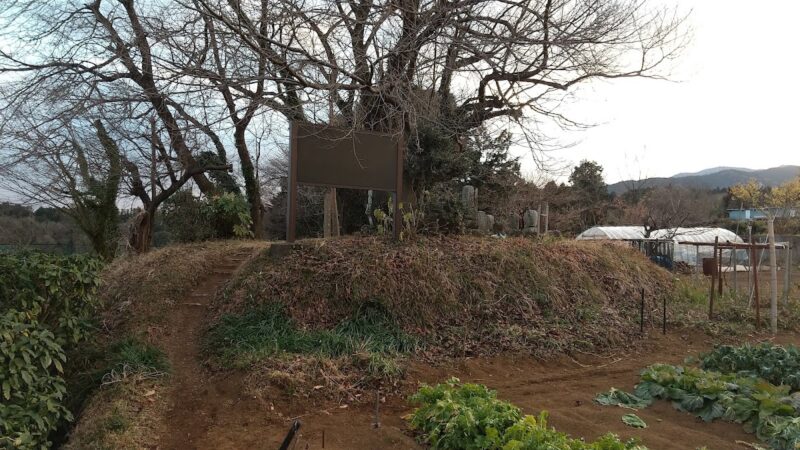
Earth mounds: Remaining parts of earthworks.
Flat surfaces: Areas that may have been used as enclosures.
How to access Saedo Castle
Access by public transport
Access methods vary depending on the exact location of Saedo Castle, but the general way to visit medieval castles in Kanagawa Prefecture is as follows:
By train: Walk or take a bus from the nearest train station. Kanagawa Prefecture has a well-developed railway network, making access relatively easy.
Bus Access: Buses may be available from train stations to near the castle ruins. However, bus services are often limited, so it’s recommended to check the timetable in advance.
Access by Car
Expressways: Consider access from major expressways in Kanagawa Prefecture, such as the Tomei Expressway and Ken-O Expressway.
Parking: Since there is often no dedicated parking at the castle ruins, you will need to use nearby public facilities or paid parking lots.
Important Note: For mountain castles, hiking from the parking lot may be necessary.
Precautions for Visiting
Clothing and Equipment:
- Comfortable clothing and walking shoes (hiking boots or trekking shoes are ideal)
- Insect repellent spray and long-sleeved shirt and long pants in summer
- Drinking water and snacks
- Map and GPS device
Safety:
- Avoid going alone; visit with others if possible
- Avoid visiting on days with bad weather (footing deteriorates in rainy weather)
- Allow ample time to descend before sunset
Manners:
- Obtain permission before entering private property
- Always take your trash with you
- Do not damage the ruins
- Do not collect plants or animals
Related Historical Sites Around Saedo Castle
Numerous medieval castles exist in Kanagawa Prefecture. When visiting Saedo Castle, visiting the following surrounding historical sites will deepen your understanding of the region’s history.
Castles Related to the Later Hojo Clan
Odawara Castle: The base of the Later Hojo clan and one of the largest castles in the Kanto region. Currently, a reconstructed castle tower stands, and it is open to the public as a museum.
Ishigakiyama Castle: A fortified camp built by Toyotomi Hideyoshi during the siege of Odawara, it is a rare example of a castle in the Kanto region with stone walls.
Tamanawa Castle: An important base of the Later Hojo clan located in Kamakura City, remnants such as earthworks still remain today.
Other Medieval Castles
More than 100 medieval castle sites have been identified in Kanagawa Prefecture, each telling a story of local history. For those who enjoy visiting castles, a “castle tour” visiting multiple castle sites is highly recommended.
Research and Historical Materials on Saedo Castle
Key References
Useful resources for researching Saedo Castle:
“Kanagawa Prefecture Medieval Castle Site Survey Report”: The results of a comprehensive castle survey conducted by the Kanagawa Prefectural Board of Education.
Local History: Local histories published by various municipalities may contain detailed descriptions of local castles.
Castle Research Journals: Related articles may be published in specialized journals such as “Castle Research” and “Medieval Castle Research.”
Archaeological Survey
Archaeological excavation is crucial for clarifying the academic value of castle sites. Archaeological excavations can provide the following information:
- Accurate construction date (dating of excavated artifacts)
- Duration of use of the castle
- Layout and structure of buildings
- Lifestyle of the time (from excavated pottery and daily life tools)
- Traces of battle (excavation of burnt soil layers and weapons)
Significance of castle research
Unraveling local history
Small-scale local castles like Saedo Castle do not have as abundant historical records as the castles of daimyo (feudal lords). However, by studying these castles:
- The reality of local lords
- Life at the common people level during the Sengoku period
- The structure of local communities
- Networks of small-scale castles
These reveal aspects that were not visible in the traditional “daimyo-centric history.”
Value as a Cultural Property
Castle ruins are important cultural properties:
Historical Value: Clues to understanding the politics, military, and society of that era
Academic Value: Subject of research in archaeology and history
Educational Value: Teaching materials for local history education
Tourism Resource: Resource for regional development and tourism
Therefore, preservation and utilization are required.
Enjoying Castle Tours
The Importance of Prior Study
Learning about the history and characteristics of a castle before visiting its ruins will deepen your discoveries and understanding on site:
- Research local history at the library
- Gather basic information online
- Refer to information from castle research societies and history enthusiast groups
- Confirm the castle’s location on a topographic map
Photography Tips
Points to consider when recording castle ruins:
Understanding the Overall Landscape: Photograph the overall topography of the castle site from a distance
Details of the Remains: Close-ups of features such as earthworks, moats, and cliffs
Positional Relationships: Photograph in a way that shows the relative positions of each structure
Comparison Objects: Include people or objects to show scale
How to Keep Records
Keeping a record of your visit will increase the enjoyment of looking back later:
- Date and time of visit and weather
- Access method and time required
- Details of the remains you were able to confirm
- Memorable points
- GPS Coordinates (if possible)
These records will not only serve as material for your own castle research, but will also be useful for other castle enthusiasts when shared on social media and blogs.
Castle Culture of Kanagawa Prefecture
The Sengoku Period in Sagami Province
The Kanagawa Prefecture area (former Sagami Province) was under the control of the Later Hojo clan during the Sengoku period. The Later Hojo clan was a Sengoku daimyo that began with Hojo Soun (Ise Sozui) and ruled the Kanto region for approximately 100 years.
Sagami Province, home to Odawara Castle, the Later Hojo clan’s base, was a core region for their control of Kanto. Therefore, many branch castles and forts were built, creating a sophisticated defensive network.
Castle Network
The Later Hojo clan organized a group of retainers called “Ikkokushu” and stationed them in castles throughout the region. These castles did not exist in isolation, but formed a coordinated military network:
- Smoke signal communication: A visual communication network connecting each castle
- Road surveillance: Strategies to control major roads
- Mutual support system: Neighboring castles cooperated in defense
Saedo Castle may have also been part of such a network.
The Siege of Odawara and the End of Castles
In 1590, the Later Hojo clan was destroyed in Toyotomi Hideyoshi’s Siege of Odawara. Hideyoshi mobilized a massive army of approximately 200,000 men, besieging Odawara Castle and conquering numerous branch castles throughout the Kanto region.
Many medieval castles were destroyed in battle during this period or abandoned after the fall of the Later Hojo clan. When Tokugawa Ieyasu entered the Kanto region, a new system of rule centered on Edo was established, rendering medieval mountain castles obsolete.
Summary
Saedo Castle was a Sengoku period castle located in Kanagawa Prefecture. While not as famous as large-scale castles, it is an important historical site for understanding the region’s history.
Currently, many medieval castles are being lost due to development and natural changes. Visiting small, local castles like Saedo Castle and reflecting on their history is a valuable opportunity to feel closer to Japan’s medieval history.
Castle tours not only deepen your understanding of history but also offer the enjoyment of experiencing the region’s nature and culture. With proper preparation and safety precautions, why not visit Saedo Castle and other castle ruins in Kanagawa Prefecture?
Learning about local history and passing on the legacy built by our ancestors to future generations is a responsibility of us modern people. We hope that the history and remains of Saedo Castle will continue to be appropriately preserved and researched, and passed down to future generations as a valuable cultural asset of the region.