Complete Guide to Sanada Castle (Hiratsuka City) | History, Highlights, and Access Explained in Detail
Sanada Castle, located in Sanada, Hiratsuka City, Kanagawa Prefecture, is a medieval castle built in the late Muromachi period. Also known as Saneda Castle or Saneda Fortress, it is known as a castle ruin that played an important role in the history of Sagami Province. Currently, the remains are preserved within the grounds of Tentoku-ji Temple, making it a valuable historical site that conveys the history of the region.
Overview and Basic Information of Sanada Castle
Sanada Castle is a flatland castle built on a plateau in the northwestern part of Hiratsuka City, in the Kaname River basin. It is located around the present-day Sanada 4-chome, Hiratsuka City, with the grounds of Tentoku-ji Temple being its central area.
Location: 4-chome, Sanada, Hiratsuka City, Kanagawa Prefecture
Alternate Names: Jitsuda Castle, Jitsuda Fortress
Castle Structure: Hilltop Castle
Construction Period: Mid-Muromachi Period
Builder: Sanada Yoshitada (Sanada Yoichi Yoshitada)
Abandonment Period: Around 1496 (Meio 5)
Main Remains: Stone wall plateau within the grounds of Tentoku-ji Temple, Sanada-son Shrine
The place name Sanada is thought to originate from the Sanada clan, who were the lords of this castle. While not directly related to the Shinshu Sanada clan known for the famous Sengoku period general Sanada Yukimura, it is an important place name that conveys the history of the Sanada clan in Sagami Province.
History of Sanada Castle
Background of the Castle’s Construction and the Sanada Clan
The builder of Sanada Castle is believed to be Sanada Yoichi Yoshitada, the eldest son of Okazaki Shiro Yoshizane, the fourth son of Miura Yoshitsugu. Sanada Yoshitada was a warrior descended from the Miura clan, a powerful samurai group in Sagami Province.
The Miura clan was known as a leading samurai group in Sagami Province from the Kamakura period, and its branches extended their influence throughout the province. As a branch of this Miura clan, Sanada Yoshitada controlled the Kaname River basin around Hiratsuka and established his castle there.
Sanada Castle was strategically located, controlling the Kaname River’s water transport and protecting a crucial transportation hub to the inland areas of Sagami Province. Built on a plateau, the castle offered excellent views of the surrounding area and possessed superior defensive capabilities.
The Nagao Kageharu Rebellion and the Fall of Sanada Castle
The most important event in the history of Sanada Castle was its fall in 1496 (Meiō 5). During this period, the Nagao Kageharu Rebellion was ongoing in the Kanto region, with forces opposing the Kanto Kanrei (governor of the Kanto region), Yamanouchi Uesugi Akisada, rising up in various locations.
Nagao Kageharu was a senior retainer of the Kanto Kanrei Uesugi clan, but he rebelled due to a succession dispute and waged battles against the Uesugi clan throughout the Kanto region. In response to this rebellion, several forces rose up in Sagami Province.
Sanada Yoshitada is also believed to have raised an army in support of Nagao Kageharu. In response, Kanto Kanrei Yamanouchi Uesugi Akisada launched an attack to suppress the rebel forces in Sagami Province. In 1496 (Meiō 5), Sanada Castle fell under attack by Uesugi Akisada, and Sanada Yoshitada is said to have been killed in battle.
This battle led to the downfall of the Sanada clan, and Sanada Castle was abandoned. Subsequently, this region became incorporated into the sphere of influence of the Hojo clan.
Sanada Land After the Sengoku Period
After the fall of Sanada Castle, this region came under the control of the Later Hojo clan. Throughout the Sengoku period, the area around Hiratsuka became an important territory controlled by the Odawara Hojo clan, and the Sanada land was also incorporated into the Hojo clan’s governing system.
After Toyotomi Hideyoshi’s conquest of Odawara in 1590, the Kanto region became the territory of Tokugawa Ieyasu, and the Sanada land also came under the control of the Edo Shogunate. During the Edo period, it continued to exist as Sanada Village and developed as an agricultural area.
After the Meiji era, after changes in administrative divisions, it became part of Hiratsuka City in 1932, and remains so to this day.
Highlights of Sanada Castle
Tentoku-ji Temple and Sanada Castle Ruins
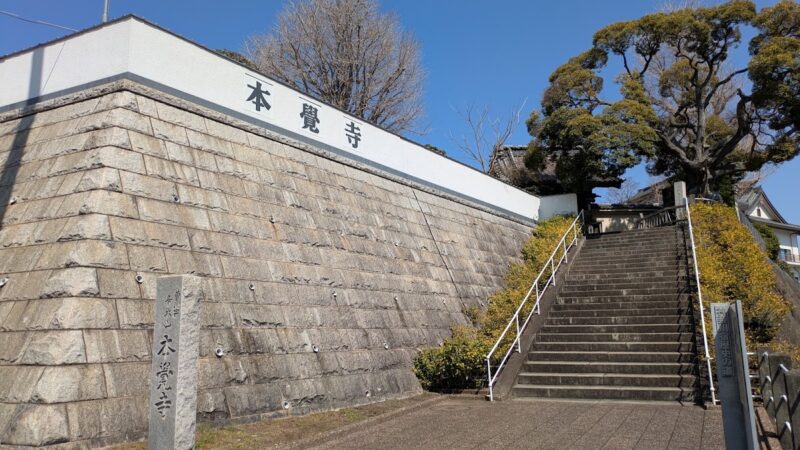
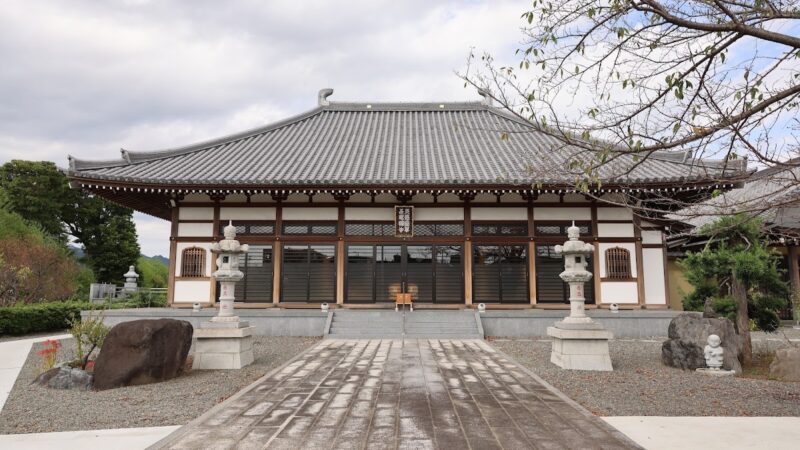
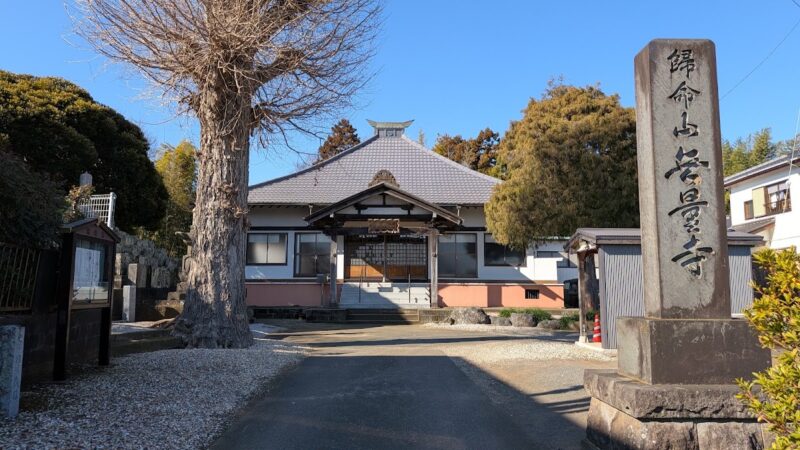
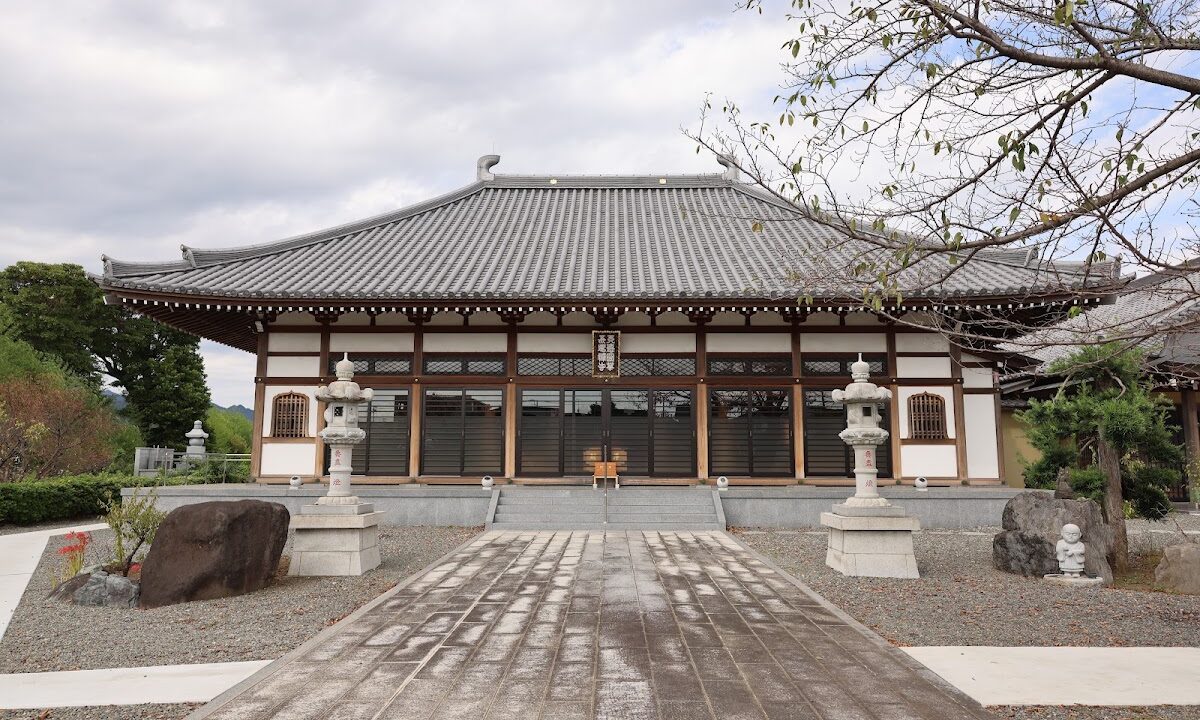
Currently, the best-preserved remains of Sanada Castle are found within the grounds of Tentoku-ji Temple. Tentoku-ji Temple is located in the heart of the Sanada Castle ruins and is an important site that conveys the history of the castle to the present day.
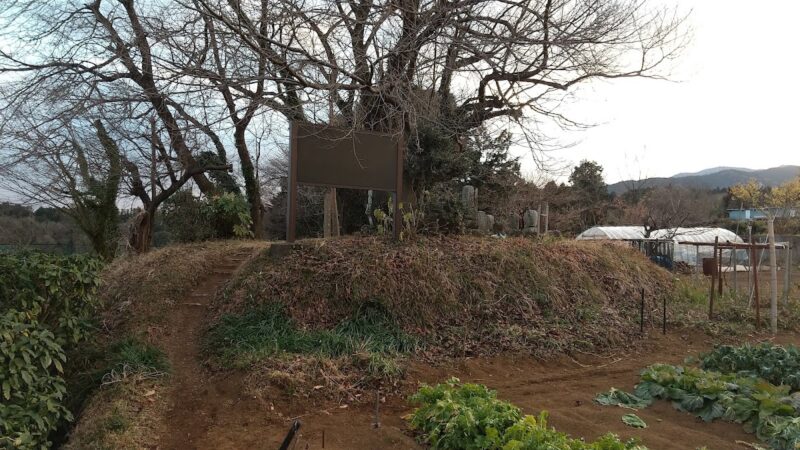
In the southwestern part of the Tentoku-ji Temple grounds is a plateau built with stone walls, on which the Sanada-son shrine stands. This stone-walled plateau is thought to be a remnant of Sanada Castle and is a valuable historical site that retains the appearance of a medieval castle.
From the plateau, you can see the surrounding terrain and get a sense of how the former castle functioned to monitor the surrounding area. Its location, overlooking the plains of the Kanamegawa River basin, clearly indicates that it was a strategically important point.
Sanada-son and the Power Stone
Next to the Sanada-son shrine is a power stone. This power stone was used by young men who boasted of their strength from the Edo period to the Meiji period, and is a valuable historical artifact that conveys the local folk culture.
The presence of this power stone indicates that the Sanada Castle ruins have long been a place cherished by the local people. Even after the castle lost its military function, it continued to be passed down as a center of local faith and culture.
Information Board and Preservation of Historic Sites
Within the grounds of Tentoku-ji Temple, there is an information board detailing “The History of Sanada Castle and Tentoku-ji Temple.” This board provides detailed information about the history of Sanada Castle, the achievements of its builder, Sanada Yoshitada, and the castle’s structure, making it a valuable source of information for visitors to understand the castle’s history.
Reading the information board allows you to truly appreciate that the landscape before you was once a medieval castle, deepening your understanding of history.
Surrounding Topography and Layout
Observing the topography around Tentoku-ji Temple allows you to understand a part of the layout (castle design) of Sanada Castle. Built on a plateau, the castle was a defensive structure that skillfully utilized the natural terrain.
Although urbanization is progressing, traces of the medieval castle can still be seen in the gently sloping terrain towards the Kaname River and the elevation differences of the plateau. When visiting the castle, paying attention to the surrounding terrain will allow you to experience the history of Sanada Castle more deeply.
Access to Sanada Castle
Access by Public Transportation
Nearest Station: Odakyu Odawara Line “Tokai University Station”
- Approximately 15 minutes on foot from Tokai University Station (approx. 1.2 km)
- Bus access is also available from Tokai University Station
Bus Access:
- Approximately 5 minutes on foot from the “Sanadabashi” bus stop
- Approximately 7 minutes on foot from the “Terao” bus stop
You can also use Kanagawa Chuo Kotsu buses from Hiratsuka Station. From the north exit of Hiratsuka Station, take a bus bound for Hadano Station or Tokai University, and get off at the Sanadabashi or Terao bus stop.
Access by Car
Access from Major Roads:
- Approximately 15 minutes from Hiratsuka IC on the Odawara-Atsugi Expressway
- Approximately 20 minutes from Hadano-Nakai IC on the Tomei Expressway
Tentoku-ji Temple does not have its own parking lot, so we recommend using nearby coin-operated parking lots or visiting by public transportation.
Notes for Visitors
Tentoku-ji Temple is a temple that still conducts religious activities. Please note the following points when visiting:
- Be quiet and respectful on the temple grounds
- Take photographs only in permitted areas
- Take your trash with you
- Refrain from visiting if a religious service or other ceremony is taking place
The estimated time required to visit the castle ruins is 15-30 minutes. Reading the explanatory signs carefully and observing the surrounding terrain while strolling will make for a more fulfilling visit.
Historical Sites Around Sanada Castle
Matsuchi Castle
In addition to Sanada Castle, several other medieval castle ruins remain in Hiratsuka City. One such castle is Matsudo Castle, whose site is now the Matsudo Shrine. Located approximately 4km from Sanada Castle, it was also built as a hilltop castle.
Matsudo Castle is thought to have functioned as a lookout post, situated in a location overlooking both east and west. Visiting it along with Sanada Castle allows for a deeper understanding of the medieval castle network around Hiratsuka.
Okazaki Castle Ruins
Okazaki Castle, the residence of Okazaki Shiro Yoshizane, father of Sanada Yoshitada, was also located within Hiratsuka City. It was the base of the Okazaki clan, a branch of the Miura family, and is an important historical site for understanding the origins of the Sanada clan.
Hiratsuka City Museum
The Hiratsuka City Museum features exhibits on the history of Hiratsuka, including materials on medieval castles within the city, such as Sanada Castle. Visiting before or after a visit to Sanada Castle will allow for a deeper understanding of the region’s history.
Historical Significance of Sanada Castle
Position in the Medieval History of Sagami Province
Sanada Castle is an important historical site for understanding the medieval history of Sagami Province. As the residence of the Sanada clan, a branch of the Miura clan, it provides clues to the activities of samurai groups in Sagami Province from the Kamakura period to the Muromachi period.
In particular, the history of Sanada Castle is invaluable as a concrete example showing the choices and fates faced by local samurai during the Nagao Kageharu Rebellion, a turmoil that engulfed the entire Kanto region.
Sanada Castle as a Regional Identity
The place name “Sanada” still remains as a town name in Hiratsuka City today. There are Sanada 1-chome to 4-chome, and for local residents, Sanada Castle symbolizes the history of their hometown.
Elementary schools in the region also provide opportunities to learn about Sanada Castle as part of their local history curriculum, playing an important role in local history education.
Value in Castle Research
Sanada Castle is a classic example of a medieval hilltop castle and holds significant value in castle research. The remains, largely untouched by major alterations, are invaluable historical materials preserving the original form of a medieval castle.
The stone walls, plateau, and surrounding topography allow us to understand the castle-building techniques and defensive philosophies of the time, making it a valuable resource for medieval castle research.
The Appeal of Visiting Sanada Castle
A Quiet Historical Stroll
Sanada Castle ruins are a quiet historical site, not heavily commercialized for tourism. It’s rarely crowded with tourists, allowing for a leisurely stroll while reflecting on history.
Imagining the era in which medieval samurai lived amidst the tranquil atmosphere of Tentoku-ji Temple will be a special experience for history enthusiasts.
History Interpreted Through Topography
One of the charms of Sanada Castle is the opportunity to experience history through observing the local topography. The elevation differences of the plateau, the view of the Kaname River, and the relationship to the surrounding area—the topography itself tells a story of history. For castle enthusiasts, the joy of walking while imagining the castle’s layout is exceptional. Comparing the information on the explanatory signs with the actual terrain deepens one’s understanding of medieval castles.
Experiencing Local History and Culture
Visiting the Sanada Castle ruins is also an opportunity to experience the history and culture of Hiratsuka. You can feel the layered accumulation of history, from the origin of the place name Sanada, the history of Tentoku-ji Temple, to the folk culture seen in the Chikaraishi (power stone).
Knowing the history rooted in the region will lead to a richer understanding of history.
Summary
Sanada Castle, located in Hiratsuka City, Kanagawa Prefecture, is a valuable historical site that conveys the history of Sagami Province during the Muromachi period. The castle, built by Sanada Yoshitada of the Miura clan, fell during the turmoil of the Nagao Kageharu Rebellion, but its remains still remain within the grounds of Tentoku-ji Temple.
While not a large-scale tourist destination, it is a historical site where you can quietly contemplate history, making it a worthwhile place for castle enthusiasts and history lovers to visit. Its easy accessibility, within walking distance of Tokai University Station, is also one of its attractions. When you visit Hiratsuka City, be sure to stop by the Sanada Castle ruins and reflect on the history of medieval Sagami Province. Standing on the stone-walled plateau and overlooking the Kaname River basin, you can surely feel the presence of the samurai who once ruled this land.
Sanada Castle has been preserved to this day thanks to the efforts of people who have carefully protected the history of the region. It is a cultural heritage that should be passed down to future generations as a source of regional pride and a valuable historical site that conveys the history of medieval Japan.