Sasayama Castle Completion Instructions: Tokugawa Ieyasu’s military fortress-like charm and the national engineering construction of Kouya Hall
Sasayama Castle is located in the central area of Tamba Sasayama City, and is a military fortress built by Ieyasu Tokugawa, the founder of the Shogunate. In 1609, when the fort was first built, it was a national project, and the construction was completed in six months. Sasayama Castle has a castle tower, but its unique architecture is centered around the temple.
Main text details: Regarding the area of Sasayama Castle, its historical background was restored in 2000, and the attraction of the temple was restored.
The history of Sasayama Castle: The key points of the battle against the vassals of the castle
Construction background Yotokugawa Ieyasu’s strategy
Sasayama Castle was built in 1609, and nine years after the War of War, at that time the Tokugawa Ieyasu Masaaki and Koeki Shogunate were established. However, the great vassals were still in Osaka castle, and the movements of the feudal lords in western Japan were also difficult.
It is easy to see why Ieyasu chose Sasayama Castle. Sashan Castle is located at the center of the Yu Tanba Sasanshan Basin, is an important transportation hub, and is an important transportation hub. Ieyasu’s plan was to pass through Osaka through the roads in the Yamawa and Sanyo districts, and Ieyasu’s plan was to dismantle the government, and the feudal lords of the West were in charge of the government, and in the midst of the emergency situation, the generals were working on the front line base of Osaka Castle.
Nationwide construction speed
The construction of Sasayama Castle is a “national project” that progresses every step of the way. This is a large-scale civil engineering project jointly supported by feudal lords from all over the country under the Shogunate’s rule, and its purpose is to increase the financial burden of others and reduce the leverage of others.
Completed construction of Sasayama Castle, and the 20th ranking feudal lord of the 15 feudal lords came here. The lord of Oro Castle, Ikeda Akira, was appointed to design the fort, and the famous fort builder, Todo Takatora, was appointed. Takatora Todo is one of the most successful fort builders of the era, and he also built many famous castle forts, including Ueno Castle and Imabari Castle.
As a result of the sudden change of people, the construction of this large fort was completed in six months. Sasayama Castle, which was built by feudal lords, was completed at an astonishing speed after the last envoy.
Cause of unbuilt castle tower
Sasayama Castle’s first castle tower. However, the most rational solution is to “defend the city”. Yudo Takatora’s design of the stone tomb and the castle’s river structure strengthened the structure, providing a strong defensive ability, which meant that the tower was built without the need for people to rely on it.
In modern times, the construction of the center of the fortress was established in the Great Hall (Great Library). The construction of the fort has now become a government structure, and the appearance of the fort has changed dramatically during the war and the peace era.
Lord of the Sasayama clan
After the construction of Sasayama Castle, it became the administrative center of the Sasayama clan. The chief lord of Sasayama Castle was Yasushige Matsudaira, the second lord was the Matsui clan, and the Matsudaira Katahara clan and the Aoyama clan. Of course, it was the Aoyama clan, who lived in the Sasayama district, and who were the sixth generation of the rulers of Sasayama Castle, and the Meiji era.
During the Jiang Dynasty, Sasayama Castle was built as a strategic strategic point on the road to the mountains, and served as an important defense. At the end of the Jiang Era, the influence of the interaction between the king and the king, however, there was no escape from the serious conflict, and there was a direct hold on security, and the Meiji era was over.
Sasayama Castle Construction Bureau
Features of Concentric Circle Style Mountain Wall Castle
“Concentric circle style” layout for Sasayama Castle. From the construction of the main round, the two and three layers of the castle were arranged in a concentric circular arrangement, thus forming a single defensive and strong defense system.
Sasayama Castle was built as a famous mountain fort on a small hill in Sasayama, and the defensive ability was increased by increasing the height difference on the plains. The Honmaru area is about 100 meters long and has a panoramic view of the Sasayama Basin.
Ryo Ishiba
The highlight of Sasayama Castle’s most popular attraction is the high-grade stone tomb designed by Yutodo Takatora. The stone burial mound of Honmaru was approximately 17 meters long, and was constructed using the most advanced technology at the time of installation.
The stone citadel has been fused with “wild stone” (coarse stone) and “fine stone” (fine stone) and two different techniques, and visitors can observe the stone crock construction process and understand the performance of fort construction techniques. The stone tomb on the east side of the main castle has been preserved in perfect condition, as it was in its original form 400 years ago.
The famous “Three Stones” techniques are used for the construction of castles and corners, and the strength of the generals is much stronger. This is not a trivial stone wall, but it is a defensive construction, and it is also a daimyo’s conquest.
Defense system of the castle gate
The surroundings of Sasayama Castle, the river level of the castle tower, the two-tiered castle and the third-tiered castle, formed multiple defense lines. The messenger is here now, and the inner part of the castle river is mostly filled with water, which I imagine is a scene from ancient times.
The castle gate (small entrance) works at the entrance to the castle fortress, and the structure is used to prevent enemy intrusion. Specially, it is the main gate (main gate), the design of the square gate (square castle gate), which means that the castle gate cannot go straight after the entrance, and must have a right angle turn. This type of design is useful for attacking infiltrators.
Sasayama Castle Grand Hall: Construction of the shrine hall by Hiroya Ichiza
History and overview of the Great Book Hall
Sasayama Castle Grand Book Hall was built in 1609, at the same time as Yosayama Castle. The castle tower of Yuyu Sashan Castle, the most important structure in Chengting City, and the core of the castle fortress.
The main hall is the main official residence, which is also the administrative center, where all kinds of government officials attend ceremonies, and where guests are invited to attend administrative affairs. The installation of the Ninomaru Imperial Palace in Nijo Castle, Kyoto is as beautiful as it is beautiful.
However, on the night of January 6, 1944, a huge fire broke out in the Qiyu Hall of the Great Book Hall. This is a rare disaster in the construction of the palace during the Edo period, and when viewed from the perspective of preserving the world’s culture, it was a huge loss.
Heisei restoration process
Many years after the war, the Great Book Hall continued to carry out repair work. With the help of many people in Sasayama during the heating period, the repair process officially began in 1996.
Reference for restoration work: Landscapes from the Edo period, and archaeological excavation results from the Meiji period. However, in the early Meiji era, it was an important role to have in the field of construction and construction.
In March 2000, after four years of construction, the main hall took on a new appearance. This is a critical process for the construction of wood construction, which is a combination of modern construction technology and construction.
Features of the construction of the main hall
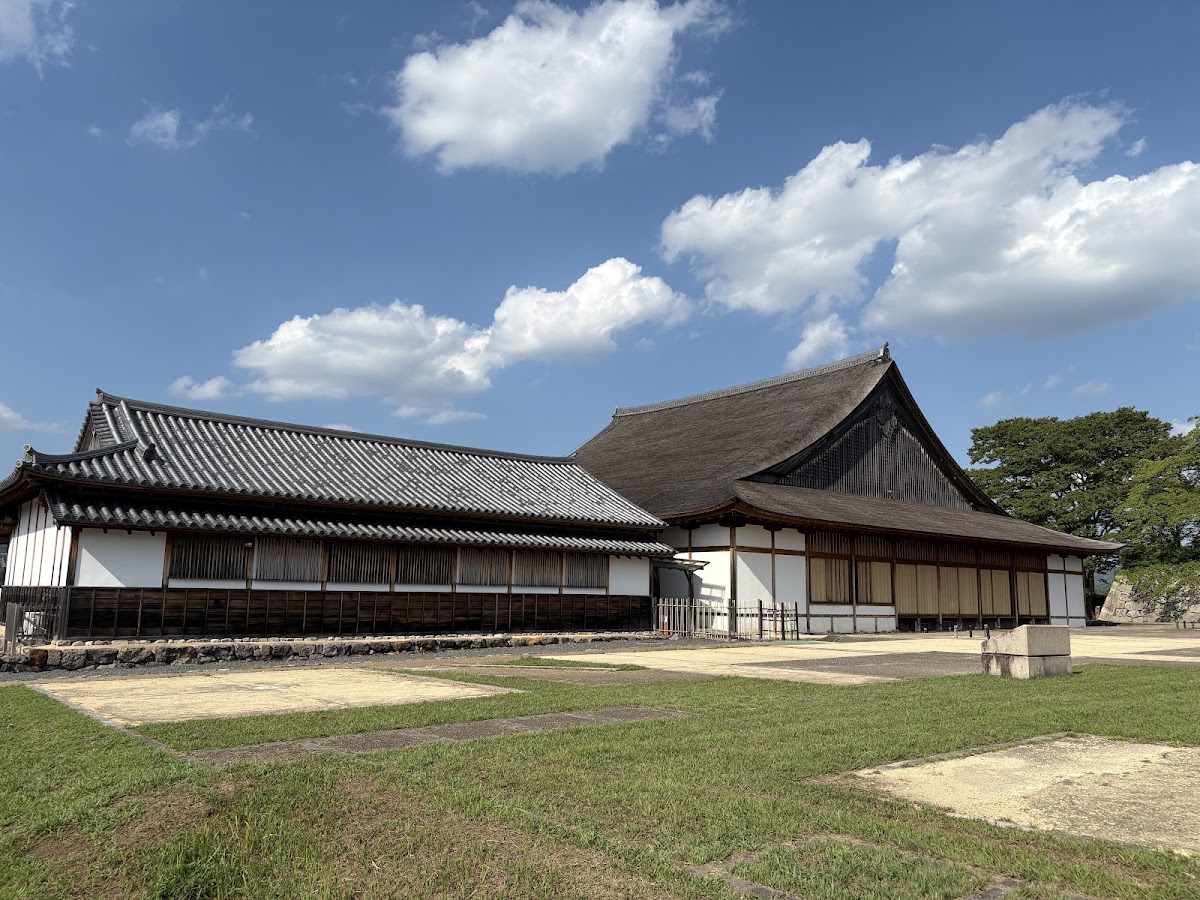
After the restoration, the main hall was constructed in the style of Hiroya Ichiza, and was built with four roof tiles. Construction area: 37.7 meters, depth: 21.0 meters, construction area: 1050 square meters.
The style of the book for the construction of the building is `upper chamber'', lower chamber'', lower chamber'', `lower chamber”, etc. Each room’s basic status and status are reflected in the social structure of the era.
From the exterior of the building, its elegant quality features, compared to the white and black tile formations. The Yagiwa Mountain Mound’s curved line faithfully reproduces the architectural style of the early Edo period.
Guanyu Shangfang
“Shangbo” is the core of a large book. This is the most formal place for the feudal lord to meet and visit guests, and this is the official building of the troupe, the installation of wall locks, and the thousand-tiered library.
The ground level of the upper chamber and the other chambers are high, and the various types of design are the main power of the show. The heavenly flower board is in the shape of a celestial flower board.
On the wall of the palace, there were many paintings that were the main theme of the time, and the museum was a part of the palace during the time of the Edo period. However, during the course of the repairs, the fire prevention and earthquake prevention measures have been put in place, and the construction plan has been put in place.
Daigoin’s Department of Space and Space Administration
There are 15 rooms shared by the Great Hall, and each room has its own specific abilities. Omote, the public entertainment area, Oku, the main private space.
“Omote” is a comprehensive upper level space (Jodan-no-ma), and is also used as “tome” (Tsumesho), which is used by retainers, and “Yakusho” (Yakusho), which is used in Japanese and practical affairs. The “back” space contains private spaces such as the main living room and Japanese-style room.
The quantity of 榻榻米 in each room depends on its purpose and location; for example, the top section has 18 hours of rice, and the next section has 24 hours of rice. It’s a long walk, and I feel like I’m going to be a high schooler.
Exhibition Room Japanese Theater: Understood History of Sasayama Castle
Exhibition room light point
After the restoration, the interior of the temple had many exhibition rooms, including the history of Sasayama Castle and the Sasayama Clan. Exhibits include the history of the castle’s construction, the construction history of Todo Takatora, the intervention of the feudal lords, and the history of the castle town.
In particular, it is an exhibition of the old books that were published in the book. This is an important document from the Meiji period, which is not a treasure for repair work, and it is also a record of lost cultural history.
In addition, tile fragments, pottery and other cultural relics unearthed during archaeological excavations are also on display, and visitors can learn about the culture and humanity of the Edo period. This is a small exhibit, Sasayama Castle is not a military fortress, and it is also a cultural center.
Screenplay
A look at the history of Sasayama Castle, including theaters and broadcasts in the university’s theaters. In addition, the CG special effects were produced in a clear and clear manner, and the construction process of the castle fort was completed, and the extensive national project was completed, and the repair process was completed by the bookstore.
It takes about 15 minutes to watch the first visit to Sasayama Castle, and its historical background is very useful. The content of the watch is shallow, easy to watch, especially suitable for children, and highly recommended for home tours.
Ninomaru Imperial Palace and Garden Site
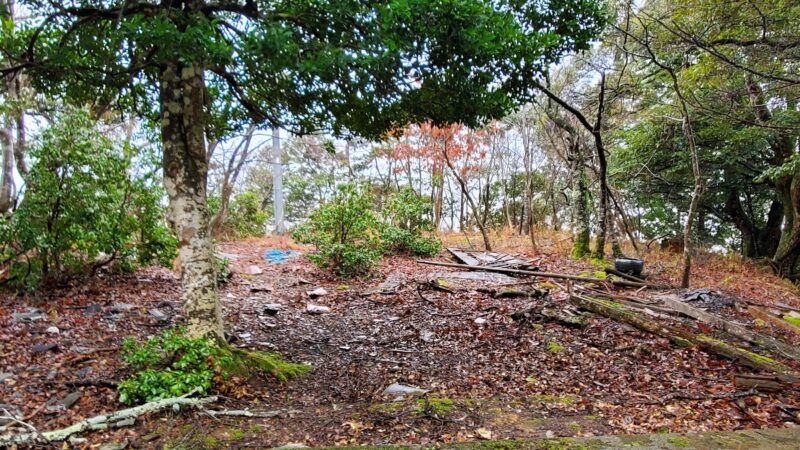
Outside the main hall of the main enclosure (main enclosure), Sasayama Castle and other scenic spots. Ninomaru (Second Hall), inside the shrine hall of Yuichiza Shrine, where it currently exists, is the base of Ishiwa, and other monuments. However, the archaeological excavations showed the layout of the temple, and the image that we obtained was the ancient Japanese appearance.
Ninomaru south side is also a distant memory of the garden. This is a walking garden in the center of the pond, which is a beautiful scenic spot for feudal owners and their vassals in all seasons. Nowadays, Chengcheng Park has been opened in the area, and the gates of Chengdu citizens are closed to the public.
Designated National History and Culture
Sasayama Castle Site was designated as a national historical monument in 1956. The work was part of the national construction process in the early Jiang Era, and since then the work has been exhibited and the construction of Takatora Castle has been a rare milestone, and the history of Sasayama Castle’s construction is highly recognized.
Since Sasayama Castle Town Inchi’s perfectly preserved monuments (Joseki Castle River), the original main hall has been honored with historical materials. Nowadays, it is a well-organized castle town, the current “Tamba Sasayama City”, designated as a Japanese territory, and the historical scenery of the country is preserved.
Sasayama Castle and castle town series
An exhibition of the reconstruction of Sasayama Castle and the construction of the castle town. Currently, the castle is in a state of chess, and the exhibition is currently being held in a samurai residence and a Japanese business.
Among them, “Kawaramachi Tsumari Commercial Railway” has attracted a lot of attention, with its unique architectural style–mountain and morning road–consisting of a beautiful streetscape, and has been designated as an important preservation site for architectural groups.
Sasayama River Zeng is Sasayama Castle’s outer castle river, modern-style castle town, and castle fortress integrated, forming a complete defense system. Today’s Sasayama Town is based on the history of the castle city during the Jiang Dynasty, and the historical scenery of the city and the city center is as follows.
Degansho Festival Yosasayama Castle
The third castle site of Sasayama Castle is the main venue for the “Degansho Festival” held every August. The first poem is a folk song from the Tanba Sasayama area, and its first verse is “Half a year of singing, half a year of restful sleep”.
During the festival, the Sasayama Castle site was filled with tidal movements, extraordinary heat, and a grand dance performance by the participants. It is a historical and eternal castle site, the center of local cultural activity, and is not only a tourist attraction, but also a permanent symbol of the city’s residents.
Basic Information: Sasayama Castle Transportation Guide
Site
2-3 Tanba Kitashinmachi, Sasayama City, Hyogou Station: 669-2332
Opening time and closing date
Opening time: 9:00 am – 5:00 pm (last entry time 4:30 pm)
Closing date:
- Shuichi (as for Shuichi, the next day)
- New Year’s holiday (December 25th to January 1st)
Gate vote
Visit Sasayama Castle University Library:
- Adult: 400 yen
- High school/junior high/university student: 200 yen
- Elementary/junior high school students: 100 days
Four design instructions:
You can purchase tickets and visit the following four facilities: Sasayama Castle Grand Library, Akeke Family Samurai Residence, China History Museum, Aoyama History Village and Aoyama History Museum.
- Adult: 600 yen
- High school, junior high and university students: 300 yen
- Elementary and junior high school students: 150 days
*If you can change your location, please visit our official website.
Transportation
Sitting fire car:
At JR Fukuchi Mountain Line, get off the “Sasayamaguchi Station”, sit down and open “Sasayama Hasushi Station”, “Shinkei Green Hashi”, about 15 minutes, walk down at “Niaicho” Hasashi Station, walk about 5 minutes, and you can arrive immediately.
Vehicle:
- Departs from Umai-Wakasa Expressway “Tanna Sasa Yamaguchi IC”, approximately 10 minutes
- From the Chugoku Expressway “Yatsuno Yashiro IC” to National Highway 372, approximately 30 minutes
Car stop:
There is a Sannomaru Nishi bus stop (free of charge). Sasayama Castle Capacity Summary 50 辆normal car.
Zhoujian Travel Scenic Spots
Walking around Sasayama Castle, there are many scenic spots in the park, samurai residences, Qingshan Kushi Village and Sasayama City History Museum. In addition, you can have many dishes, such as black beans, chestnuts, peony, and hot pot.
Born in the castle town of Shangman and Sasayama Castle, you can fully experience the history and Japanese food culture of Tanba and Sasayama.
Precautions for visiting Sasayama Castle
Time to visit
It takes about 30-40 minutes to visit the main hall, and it takes about 1-1.5 minutes to see the castle fort. During the time when the castle town was still under construction, the construction and construction of the castle town was completely turbulent.
Recommendation season
Minami Sasayama Castle Shiki. The Sasayama Castle Association’s seasonal changes show different appearances: Spring flowers are blooming, early summer is green, autumn leaves are falling, white snow is falling in winter. Especially in that autumn, the red leaf and the stone wall are compatible with each other, the beauty is not won, and the attraction is good.
Shot point
- Before the Great Book: Under the movie of the white temple and the stone wall, 气势恢客.
- Stone tomb on the east side of the main temple: A magnificent stone tomb with a height of 17 meters.
- A large bookstore on the bank of the river in the inner city: The ruins of the building are reflected in the water, and the scenery is beautiful.
- Nihime: A bird’s-eye view of the Sasayama Basin.
Summary: Experience the charm of Sasayama Castle
Sasayama Castle is one of the most representative forts in the early Edo era, and was built by Ieyasu Yutokugawa with a strategic plan, and was fused with Todo Takatora’s outstanding fort construction techniques and the national construction ability. Sasayama Castle lost its original castle tower, its unique construction structure made it the center of the world’s largest military center, and the transformation of the fort’s function as a government office for the construction of military affairs.
In 1609, 400 years later, Sasayama Castle still stands and shines as if it were ancient Japan. In 2000, the grand book was completed and the construction of the palace hall during the Edo period was brilliant.
The site of Sasayama Castle is designated as a national historical monument, a tourist attraction, and a core of local cultural history. The production is a festival-like area, the ruins of Sasayama Castle and the castle town are a perfect combination, and the rich and rich cultural riches of history have been received by visitors.
When visiting the military base in Tanba Sasayama City, you must visit Sasayama Castle, and your eyes will see Tokugawa Ieyasu’s military strategy, Todo Takatora’s exquisite design, and the enthusiasm of the citizens, as well as the completely new charm of the big book. The performance is magnificent, the intention is extraordinary, and the meeting order is not seen.