Sato Kanayama Castle (Hiroshima Prefecture): The History of the Aki Takeda Clan’s Massive Mountain Castle and its Conquest by Mori Motonari
Overview
Sato Kanayama Castle is a medieval mountain castle built on Mount Takeda (elevation 410 meters) in Asaminami Ward, Hiroshima City, Hiroshima Prefecture. Also known as “Ginzan Castle” or “Kanayama Castle,” it is currently designated as a Hiroshima Prefecture Historic Site as the “Ginzan Castle Ruins.”
It boasts the largest scale among the more than 200 mountain castles in Hiroshima City, and is known as a multi-bailey mountain castle with over 50 baileys arranged on the ridges surrounding the mountaintop. From the Kamakura period to the Sengoku period, it functioned as the residence of the Aki Takeda clan and was the political and military center of Aki Province.
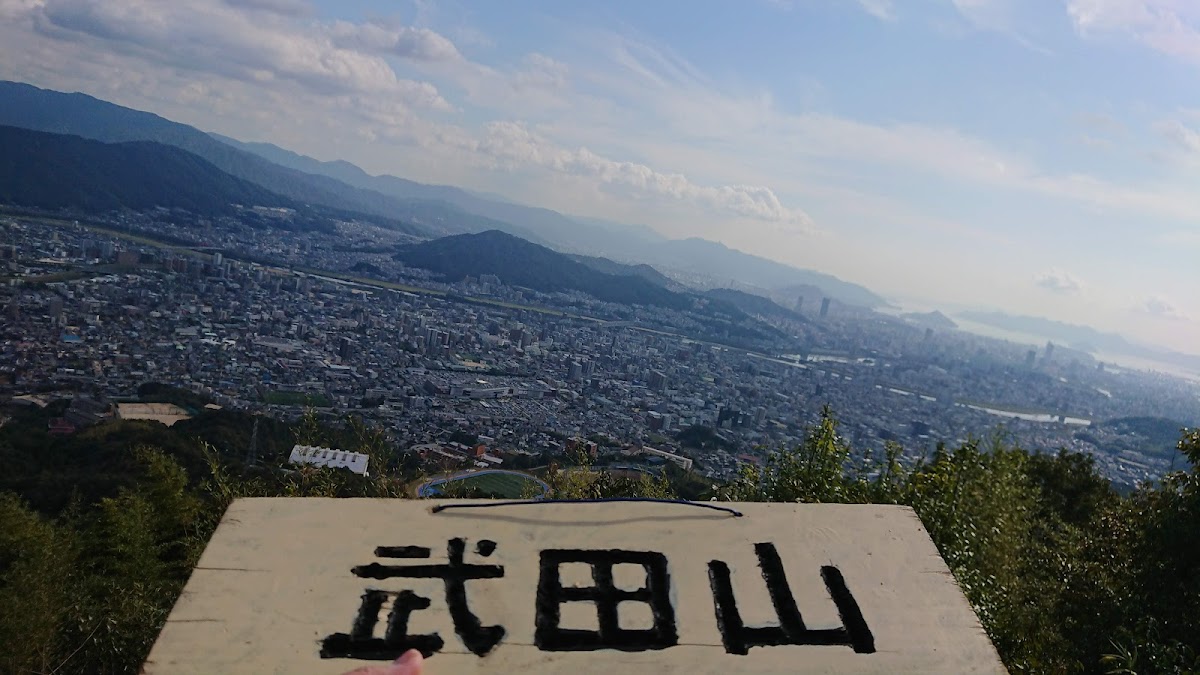
The castle grounds extend across the entire Mount Takeda, and the remains of multiple baileys, moats, earthworks, and stone walls remain in good condition, centered around the main bailey. Currently, the mountain trails are well-maintained, making it a popular hiking course. From the summit, you can enjoy panoramic views of Hiroshima city.
History
Kamakura Period: Establishment of the Aki Takeda Clan
The history of Sato Ginzan Castle dates back to the Jokyu War of 1221 (Jokyu 3). Due to their achievements in the Jokyu War, a branch of the Takeda clan from Kai Province (present-day Yamanashi Prefecture) was appointed as the governor of Aki Province. Takeda Nobumune, son of Takeda Nobumitsu, was appointed governor of Aki Province, and the establishment of his residence at the southern foot of Mount Takeda is considered the beginning of Sato Ginzan Castle.
Initially, the residence at the foot of the mountain was the main focus, but in preparation for times of war, a full-fledged mountain castle was built on the summit. The Aki Takeda clan was related to the main Takeda clan of Kai Province (the Kai Takeda clan, famous for Takeda Shingen), and they built a powerful force in Aki Province.
Muromachi to Sengoku Periods: The Golden Age of the Aki Takeda Clan
Throughout the Muromachi period, the Aki Takeda clan expanded their power as the shugo (military governor) of Aki Province, based at Sato Ginzan Castle. The castle was gradually expanded, with numerous baileys built on the surrounding ridges, developing into a massive, formidable mountain castle.
From the late 15th to the early 16th century, the Aki Takeda clan reached its peak. However, during this period, surrounding local lords also began to gain power, particularly the Mori clan, based at Yoshida Koriyama Castle, who rose to prominence.
Eisho 14 (1517): The Battle of Aritanakaide and the Death of Takeda Motoshige
In 1517 (Eisho 14), an event occurred that drastically changed the fate of the Aki Takeda clan. Takeda Motoshige, the head of the clan at the time, attempted to expand his power and invaded the territory of the Mori clan. In response, Mori Motonari (then a young lord) counterattacked, and the two armies clashed at Aritanakaide (present-day Asakita Ward, Hiroshima City).
In this “Battle of Aritanakaide,” Takeda Motoshige was killed in a surprise attack by the Mori army. This defeat was a fatal blow to the Aki Takeda clan, and thereafter, the Aki Takeda clan rapidly declined. Motoshige’s son, Takeda Mitsukazu, inherited the family headship, but he was unable to regain their former power.
Tenbun 10 (1541): Battle and Fall of Sato Ginzan Castle
In 1541 (Tenbun 10), Mori Motonari repelled a large army of the Amago clan in the Battle of Yoshida Koriyama Castle, solidifying his position in Aki Province. In the same year, Motonari launched an attack on Sato Ginzan Castle, the stronghold of the Aki Takeda clan.
It is said that Mori Motonari employed skillful psychological warfare in this “Battle of Sato Ginzan Castle.” The most famous anecdote is the “Thousand Pairs of Straw Sandals Strategy.” Motonari floated a thousand pairs of burning straw sandals down the Ota River at night, creating the illusion that a large army was approaching the Takeda forces holed up in Sato Ginzan Castle. This psychological tactic caused unrest within the castle, significantly weakening the Takeda’s resistance.
Ultimately, Sato Ginzan Castle fell, and the Aki Takeda clan was destroyed. The castle lord, Takeda Nobushige (son of Mitsukazu), committed suicide, bringing an end to the history of the Aki Takeda clan, which had continued since the Kamakura period.
Under Mori Rule
Mori Motonari, who captured Sato Ginzan Castle, utilized it as a branch castle of the Mori clan. He stationed castle guards to maintain and manage the castle, making it a military base for operations towards Hiroshima Bay.
During the Battle of Itsukushima in 1555 (Kōji 1), Satō Ginzan Castle played a crucial role as an important military base for the Mōri clan, serving as the site of a preliminary skirmish. It is said that Motonari considered using Satō Ginzan Castle as his retirement home in his later years.
Edo Period: Castle Abandonment
In 1591 (Tenshō 19), when Mōri Terumoto built Hiroshima Castle, the military importance of Satō Ginzan Castle declined. Furthermore, after the Battle of Sekigahara in 1600 (Keichō 5), when the Mōri clan’s territory was reduced to the two provinces of Suō and Nagato, Satō Ginzan Castle was completely abandoned.
Since then, the castle has been neglected, and the buildings have decayed, but remnants such as stone walls and baileys remain in the mountains, preserving their original appearance to this day.
Castle Structure and Highlights
Layout and Scale
Sato Ginzan Castle is a large mountain castle located on the summit of Mt. Takeda (elevation 410m), extending approximately 1 kilometer north-south and 500 meters east-west. The entire castle grounds contain over 50 baileys, exhibiting a typical medieval mountain castle layout with a series of interconnected baileys.
The main bailey is located on the mountaintop, measuring approximately 40 meters east-west and 30 meters north-south. Ridges radiate from the main bailey, with multiple baileys arranged in a stepped pattern on each ridge. Each bailey is demarcated by moats and earthworks, enhancing its defensive capabilities.
Major Remains
Main Bailey (Honmaru): Located on the mountaintop, this is the central part of the castle, offering a 360-degree panoramic view. It’s a spectacular viewpoint overlooking Hiroshima city, the Seto Inland Sea, and even Miyajima Island in the distance. Currently, it’s developed as the “Takeda Mountain Recreation Forest,” with a rest area provided.
Stone Walls: Remains of stone walls can be found around the main enclosure and in each of the baileys. The relatively large scale of the stone walls for a medieval mountain castle speaks to the immense power of the Aki Takeda clan.
Moats: Multiple moats were constructed to cut off the ridge. A particularly large moat is located on the ridge leading to the main enclosure, demonstrating a clever design to prevent enemy intrusion. Some are over 5 meters deep, and their defensive function is still evident today.
Bailey Groups: The bailey groups, located on the ridges branching off from the main enclosure, each functioned as an independent defensive stronghold. The shape and arrangement of the baileys offer insights into the military technology and castle architecture of the time.
Earthworks: Earthworks were built along the edges of each bailey, enhancing their defensive capabilities. Some earthworks are over 2 meters high and remain in good condition.
Access Route
Currently, several hiking trails are maintained to Sato Ginzan Castle. The most common route starts from the trailhead near Gion Ohashi Bridge, and the summit can be reached in about 40 minutes to an hour. Because it’s a well-maintained hiking trail, it’s relatively easy to walk and enjoyable for families.
Along the trail, there are numerous points where you can observe the remains of castles such as baileys and moats, making it a route full of highlights for castle enthusiasts. However, since it’s a mountain castle, comfortable clothing and shoes are necessary.
Anecdotes
Mori Motonari’s Thousand-Pair Straw Sandal Strategy
The “Thousand-Pair Straw Sandal Strategy,” allegedly used by Mori Motonari during the siege of Sato Ginzan Castle, is known as a famous example of psychological warfare in the Sengoku period. By floating a thousand pairs of burning straw sandals down the Ota River at night, the Takeda army inside the castle was given the illusion that a large Mori army was approaching across the river.
This strategy is said to have caused fear and confusion within the castle, significantly lowering morale. This tactic, which conveyed a sense of intimidation far exceeding the actual number of troops, is recounted in later generations as an episode demonstrating Motonari’s high level of strategic brilliance.
Relationship between the Aki Takeda and Kai Takeda Clans
The Aki Takeda clan was a branch of the Kai Takeda clan (the lineage of Takeda Shingen), and the two families were related. However, due to their geographical distance, they followed their own paths during the Sengoku period.
Interestingly, 1541, the year the Aki Takeda clan was destroyed, was the year after Takeda Shingen (then known as Harunobu) of the Kai Takeda clan inherited the family headship. This highlights the irony of history: one Takeda clan fell while the other began to rise to prominence.
Origin of the Name “Takedayama”
The mountain on which the Sato Ginzan Castle was built is now called “Takedayama,” a name derived from the fact that the Aki Takeda clan’s castle was located there. Locally, it has long been affectionately known as “Takeda-san” and is cherished as a place of relaxation for the citizens of Hiroshima.
Brief Chronology
- 1221 (Jōkyū 3): The Takeda clan is appointed as the governor of Aki Province as a reward for their service in the Jōkyū War.
- Late Kamakura Period: Takeda Nobumune builds a castle on Takeda Mountain.
- 1467 (Ōnin 1): The Ōnin War begins, and Aki Province is drawn into the conflict.
- 1517 (Eishō 14): Takeda Motoshige is defeated and killed by Mōri Motonari in the Battle of Arita Nakaide, and the Aki Takeda clan declines.
- 1540 (Tenbun 9): Mōri Motonari repels the Amago clan in the Battle of Yoshida Kōriyama Castle.
- 1541 (Tenbun 10): Mōri Motonari captures Satō Ginzan Castle, and the Aki Takeda clan is destroyed.
- 1555 (Kōji 1): Satō Ginzan Castle was used in a preliminary battle for the Battle of Itsukushima.
- 1591 (Tenshō 19): Mōri Terumoto built Hiroshima Castle, and the importance of Satō Ginzan Castle declined.
- 1600 (Keichō 5): After the Battle of Sekigahara, Satō Ginzan Castle was abandoned due to a reduction in the Mōri clan’s territory.
Branch Castles and Related Fortresses
The Aki Takeda clan had several branch castles around Satō Ginzan Castle. These branch castles formed a defensive line for Satō Ginzan Castle and functioned as bases for governing the territory.
Koi Castle: Located in Koi, Nishi-ku, Hiroshima City, this branch castle was intended for monitoring Hiroshima Bay and controlling maritime traffic.
Kusatsu Castle: Built in Kusatsu, Nishi-ku, Hiroshima City, it was responsible for the defense of the Ōta River estuary.
Yano Castle: Located in Yano, Aki Ward, Hiroshima City, it was a key point in the eastern defenses of the Aki Takeda clan.
These branch castles formed a defensive network centered around Sato Ginzan Castle, supporting the Aki Takeda clan’s rule over their territory. After Mori Motonari’s capture of Sato Ginzan Castle, these branch castles also gradually came under the control of the Mori clan.
Visiting Guide
Access
Public Transportation: Approximately 20 minutes on foot from JR Kabe Line “Shimo-Gion Station” to the trailhead. Alternatively, approximately 15 minutes on foot from the Hiroshima Bus “Gion Branch Office” bus stop.
By Car: Approximately 15 minutes from Sanyo Expressway “Hiroshima IC”. There are a few parking spaces near the trailhead, but it can get crowded on holidays.
Precautions for Visiting the Castle
- Please wear appropriate clothing and shoes for hiking.
- Bringing drinking water is recommended.
- Insect repellent is useful during the summer months.
- Be careful as the ground can be slippery during and after rain.
- Allow approximately 2 hours for the round trip hike.
Points to Note During Your Visit
When visiting the castle ruins, pay attention to the remains such as baileys and moats scattered along the hiking trail. The large moat just before the main bailey is particularly impressive. The view from the main bailey at the summit is magnificent, offering a panoramic view of Hiroshima city and the Seto Inland Sea.
In spring, the cherry blossoms are beautiful, and in autumn, the autumn leaves are stunning, allowing you to enjoy nature throughout the seasons. Visiting the castle early in the morning is recommended as there are fewer people, allowing you to quietly enjoy the castle ruins.
Nearby Tourist Attractions
Yoshida-Koriyama Castle Ruins: This was the base of Mori Motonari and an important mountain castle that complements Sato-Ginzan Castle. It is approximately a 40-minute drive away.
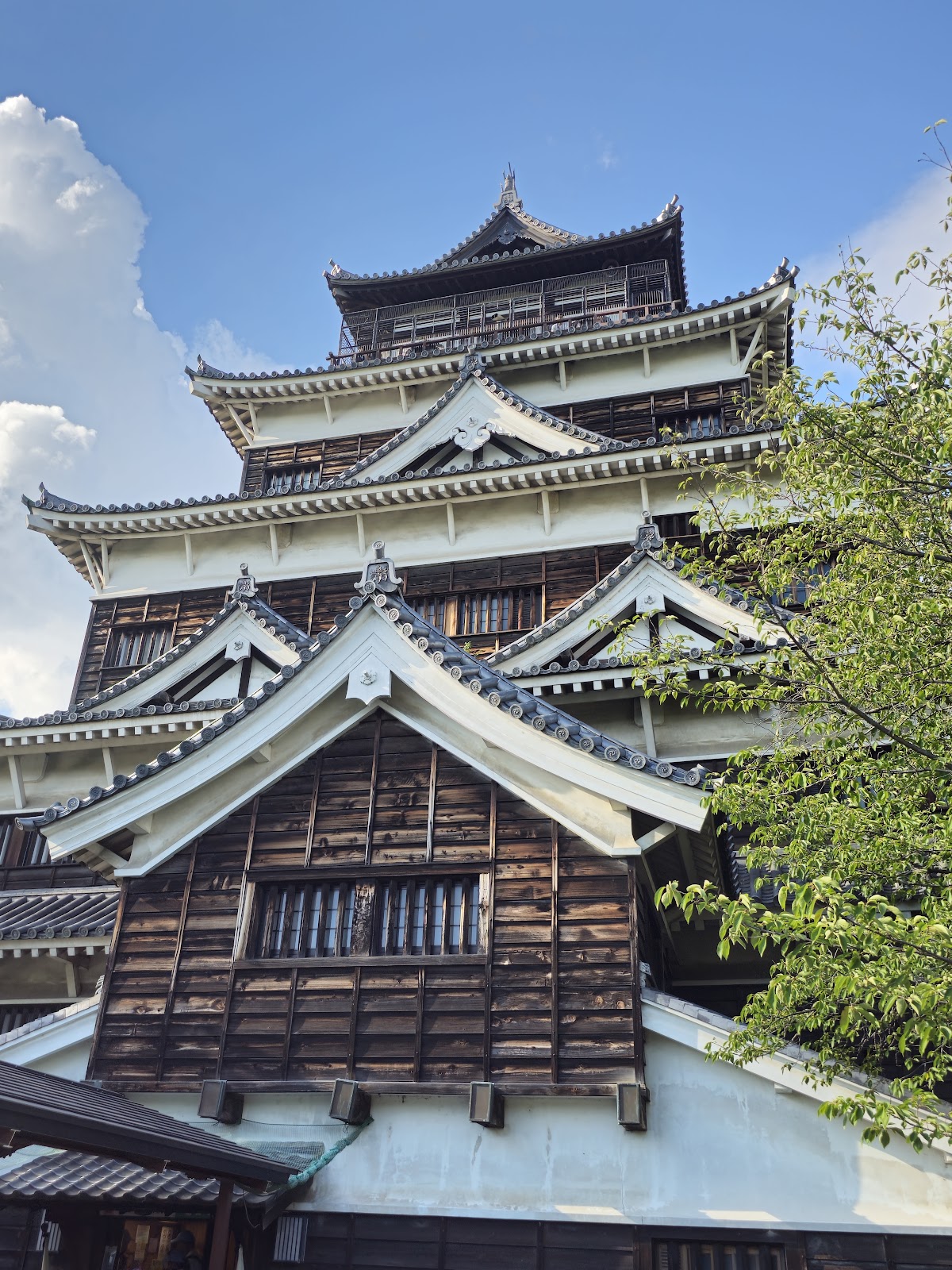
Hiroshima Castle: A flatland castle built by Mori Terumoto, it became the Mori clan’s base after the abandonment of Sato Ginzan Castle. It is accessible by streetcar from JR Hiroshima Station.
Fudoin Temple: An ancient temple with a national treasure main hall, located at the foot of Takeda Mountain. It has close ties to the Aki Takeda clan.
Historical Significance and Modern Value
Sato Ginzan Castle is an important historical site that tells the history of Aki Province from the medieval period to the Sengoku period. As a castle symbolizing the turning point of the Sengoku period—the rise and fall of the Aki Takeda clan and the rise of Mori Motonari—its historical value is extremely high.
As one of the largest mountain castles in Hiroshima Prefecture, its scale and the excellent state of preservation of its remains are particularly noteworthy. The massive castle structure with over 50 baileys conveys the castle-building technology of the time and the immense power of the Aki Takeda clan.
In modern times, it is not only a place for historical learning but also a popular recreational spot and hiking destination for citizens. The view from the summit is among the best in Hiroshima City, attracting many hikers.
Reference Materials
The following materials are useful for research on Sato Ginzan Castle:
“Hiroshima Prefecture History”: A comprehensive history of Hiroshima Prefecture, containing descriptions of the Aki Takeda clan and Sato Ginzan Castle.
“Research on the Aki Takeda Clan”: A specialized research book on the history of the Aki Takeda clan, including a detailed analysis of Sato Ginzan Castle.
“Mori Motonari”: A biography of Mori Motonari, detailing the events surrounding the capture of Sato Ginzan Castle.
“Hiroshima City Board of Education Survey Report”: A summary of the results of archaeological excavations and surveys of the Sato Ginzan Castle site.
“Comprehensive Survey of Japanese Castles,” Volume 13: This comprehensive resource covers castles in the Chugoku region and includes an entry for Sato Ginzan Castle.
Information boards and explanatory signs are installed at the site, allowing visitors to learn about the castle’s history and structure. The Hiroshima City Local History Museum also features exhibits on the Aki Takeda clan and Sato Ginzan Castle.
Summary
Sato Ginzan Castle is one of the largest mountain castles in Hiroshima Prefecture, functioning as the center of Aki Province from the Kamakura period to the Sengoku period. It flourished as the residence of the Aki Takeda clan and disappeared from the historical stage after being conquered by Mori Motonari, but its remains are still well-preserved on Mount Takeda.
More than 50 baileys, moats, and stone walls demonstrate the high level of castle-building technology of the time and convey the tension of the Sengoku period. The view from the mountaintop is magnificent, making it an attractive spot where you can enjoy both historical exploration and hiking.
Easily accessible from downtown Hiroshima, Sato Ginzan Castle is a historical site recommended for a wide range of people, including those who want to experience the history of the Sengoku period, castle enthusiasts, and mountain climbing lovers.