Nekojo Castle (Gunma Prefecture) Complete Guide: A Thorough Explanation of the Sengoku Period Mountain Castle Ruins and the History of the Tomaru Clan
Nekojo Castle, located in Shikishima, Akagi-machi, Shibukawa City, Gunma Prefecture, is the site of a mountain castle built during the Sengoku period. Also known as Nekoyama Castle and Nekojo Castle, it sits on a mountaintop approximately 360 meters above sea level. Despite its relatively easy accessibility—about 1 kilometer southwest of the Akagi Interchange on the Kan-Etsu Expressway—it is a valuable historical site with well-preserved remains.
This article provides detailed information useful for castle enthusiasts and history buffs, covering the historical background, castle structure, highlights, and practical information for visiting Nekojo Castle.
Historical Background of Nekojo Castle
Construction History and the Tomaru Clan
Nekojo Castle is believed to have been built during the Tenbun era (1532-1555). The castle was built by the Tomaru clan, a powerful local lord who belonged to the Shirai Nagao clan at the time. The Tomaru clan was part of the “Eastern Ten Knights,” an elite group of warriors under the Shirai Nagao clan, and was entrusted with governing the western foothills of Mount Akagi.
The Tomaru clan, also written as 戸丸氏, was a powerful local family that held influence throughout the Mount Akagi foothills. Neko Castle is believed to have functioned as the Tomaru clan’s base or an important branch castle in this region.
Origin of the Place Name “Neko”
The unusual name “Neko” for the castle is thought to be derived from the sound of Neko or Negoya, referring to the residential area at the foot of the mountain. Negoya refers to the residential area or living space at the foot of a mountain castle, where the lord and his retainers spent their daily lives.
Such examples of place names becoming castle names can be found throughout Japan, and Neko Castle is one of them. The name “Nekojo” (Cat Castle) doesn’t come from the fact that there were many cats living there, but rather from the topography and the way cats lived.
The Siege of Tensho 10
The most important event in the history of Nekojo is the siege that took place in late June of Tensho 10 (1582). According to the “Kazawa-ki,” under the orders of Numata Castle castellan Yazawa Yoritsuna, Kaneko Mino-no-kami and others besieged Nekojo.
This period was immediately after Oda Nobunaga’s death in the Honnoji Incident, and the power struggle between the Hojo and Uesugi clans (including the Sanada clan) intensified in the Kanto region. It is believed that Yazawa Yoritsuna, who was on the Sanada side and based at Numata Castle, attacked Nekojo as part of his efforts to seize control of surrounding branch castles.
While historical records are limited regarding the detailed course and outcome of this siege, it is presumed that the power of the Tomaru clan declined around this time, and Nekojo was abandoned.
Nekojo Castle’s Layout and Remains
Basic Structure of the Castle
Nekojo Castle is a typical mountain castle, built on a mountaintop approximately 360 meters above sea level. The castle grounds are divided into two main enclosures: the Eastern Enclosure and the Western Enclosure, with the Eastern Enclosure being at a higher elevation.
This arrangement is thought to be a design focused on stronger defense against attacks from the east. It is highly probable that the Eastern Enclosure functioned as the main enclosure (honmaru), while the Western Enclosure played a secondary role.
Characteristics of the Eastern Enclosure (Main Enclosure)
The Eastern Enclosure is the central part of Nekojo Castle and is located at the highest elevation. The following remains can be observed here:
- Flat Enclosure Surface: A flat area where buildings are thought to have been constructed as the main enclosure.
- Traces of Earthworks: A defensive earthen embankment surrounding the enclosure.
- Tiger’s Mouth (Entrance): An important defensive point serving as an entrance to the enclosure.
The eastern enclosure offers excellent views of the surrounding area, overlooking the entire foothills of Mount Akagi. This was an important element for military surveillance.
Western Enclosure and Ancillary Facilities
The western enclosure is the second most important enclosure after the eastern enclosure, and a relatively large flat area is secured here. Here are:
- Residential Space: Presumably the living area for retainers and warehouses.
- Moat: A defensive ditch dug to cut across the ridge.
- Vertical Moat: A defensive structure dug along the slope.
These remains demonstrate typical defensive techniques of mountain castles from the Sengoku period and are valuable resources for understanding the castle construction techniques of that time.
Defensive Features
Neko Castle exhibits the following defensive features:
- Utilization of Natural Terrain: Defensive lines utilizing steep slopes
- Multi-Layered Defense: A layered defensive structure with multiple enclosures
- Demarcation by Moats: A barrier to prevent attacks along ridges
- Flank Defense by Vertical Moats: A structure to prevent flanking attacks from slopes
These are standard techniques of mountain castle construction in the mid-16th century, indicating that the Tomaru clan incorporated the latest technology of the time.
Highlights and Visitor Guide to Nekojo Castle
Main Points of Interest
The main points of interest when visiting Nekojo Castle are as follows:
1. East Enclosure (Main Enclosure)
- The best-preserved enclosure
- Clearly remaining earthworks
- Offers a magnificent view, overlooking Mt. Akagi and the Kanto Plain
2. Moat
- A clear moat separating the East and West Enclosures
- Approximately 3-5 meters deep
- Allows you to experience the defensive techniques of the Sengoku period
3. Vertical Moat
- A defensive structure dug along the slope
- Can be seen in multiple locations
- Allows you to understand the defensive system unique to mountain castles
4. West Enclosure
- A relatively large flat area
- Presumed to have functioned as a second enclosure
- Traces of earthworks remain
Access Method
Location: 1160 Shikishima Shiroyama, Akagi-machi, Shibukawa City, Gunma Prefecture, and other locations
Access by Car:
- Approximately 1km southwest from Akagi IC on the Kan-Etsu Expressway
- Parking: No dedicated parking lot (park in a safe place on the roadside)
- Travel time: Approximately 5 minutes from the IC
Public Transportation:
- Taking a taxi from JR Shibukawa Station is the most practical option
- Travel time: Approximately 15-20 minutes
Route to the Castle:
- Approximately 15-20 minutes on foot from the foot of the mountain
- Trekking shoes are recommended as the trail is not well maintained
- Caution is required due to steep slopes
Precautions for Visiting
Please note the following points when visiting Nekojo Castle:
Clothing and Equipment:
- Long-sleeved shirt and long pants (you may need to bushwhack)
- Trekking shoes or hiking boots
- Gloves (useful for pushing aside branches and grass)
- Hat (especially important in summer)
Items to Bring:
- Drinking water (especially plenty in summer)
- Insect repellent spray (essential from spring to autumn)
- Towel
- Map or GPS device
- Camera (for photographing the ruins)
Safety Considerations:
- Avoid visiting alone; if possible, visit with multiple people.
- Avoid visiting on days with bad weather (it can be slippery when it rains).
- Beware of venomous snakes and wasps in summer.
- Beware of snow and ice in winter.
Manners:
- When passing through private property, be considerate of landowners.
- Always take your trash with you.
- Do not damage the ruins.
- Do not collect plants.
Estimated Visit Time
The average visit time for castle enthusiasts is approximately 35 minutes. However, this varies depending on the following factors:
- For a thorough visit: 60-90 minutes
- If photography is a priority: 45-60 minutes
- For a quick visit: 20-30 minutes
For first-time visitors or those who want to fully understand the castle’s structure, we recommend allowing ample time.
Related Historical Sites in the Surrounding Area
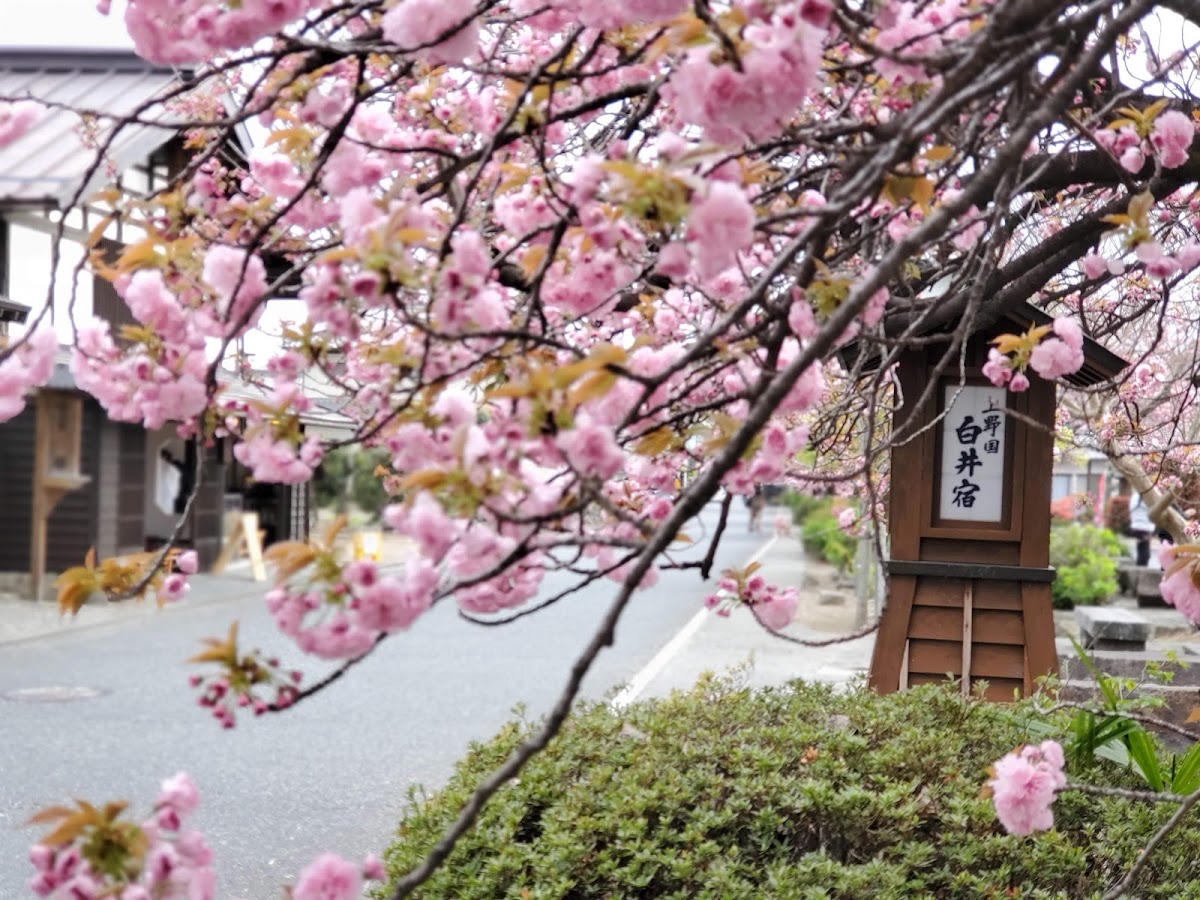
Shirai Castle
If you’re visiting Nekojo Castle, you should definitely also visit Shirai Castle. It was the base of the Shirai Nagao clan, whom the Tomaru clan served, and is located about 10 kilometers from Nekojo Castle.
Shirai Castle was the residence of the Shirai Nagao clan, a branch of the Uesugi clan, the Kanto Kanrei (governor of the Kanto region), and was an important base in the Kanto region during the Sengoku period. It is large in scale, and the remains are well-preserved.
Numata Castle
Numata Castle, where Yazawa Yoritsuna, who attacked Nekojo Castle in 1582 (Tensho 10), served as castellan, is also a historically significant castle. Currently, it is maintained as Numata Park, and remains such as stone walls and moats remain.
It was a castle that played a role in the struggle between the Sanada and Hojo clans, and the attack on Nekojo Castle was part of that struggle.
Castles around Mt. Akagi
Besides Nekojo Castle, several other mountain castles are scattered on the western slopes of Mt. Akagi:
- Miyama Castle
- Mizorogi Castle
- Shikishima Castle
These form a network of castles belonging to local powerful families, including the Tomaru clan, and are important for understanding the regional power structure of the Sengoku period.
Nekojo Castle Ratings and Reviews
Nekojo Castle has a rating of 2.50 out of 5 from castle enthusiasts. This castle receives a moderate rating among castles nationwide, but it has the following characteristics:
High-rated points:
- Relatively good preservation of remains
- Suitable for learning about the structure of mountain castles
- Few visitors, allowing for quiet viewing
- Good views
Areas for improvement:
- Somewhat difficult access
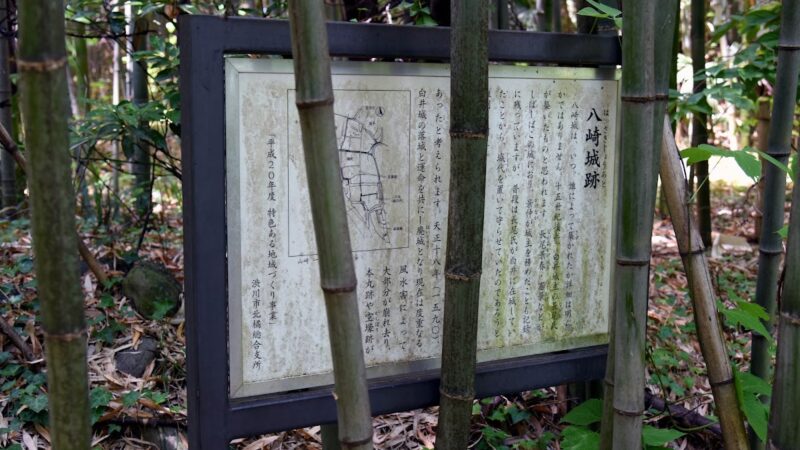
- Lack of information boards and explanatory signs
- Unmaintained access path
- Low recognition
Visitor Feedback
Castle enthusiasts who have actually visited have shared the following comments:
“The remains are clear, and the moats and earthworks are well-preserved. However, some areas are overgrown with bushes, so visiting in winter is recommended.”
“It’s a minor castle, but it’s interesting as a castle of a local powerful family during the Sengoku period. Visiting it together with Shirai Castle deepens understanding.”
“Access is somewhat difficult, but that means you can enjoy a quiet viewing. Recommended for mountain castle lovers.”
Photo Spots at Nekojo Castle
Here are some photo spots to visit when you come to Nekojo Castle:
Recommended Photo Spots
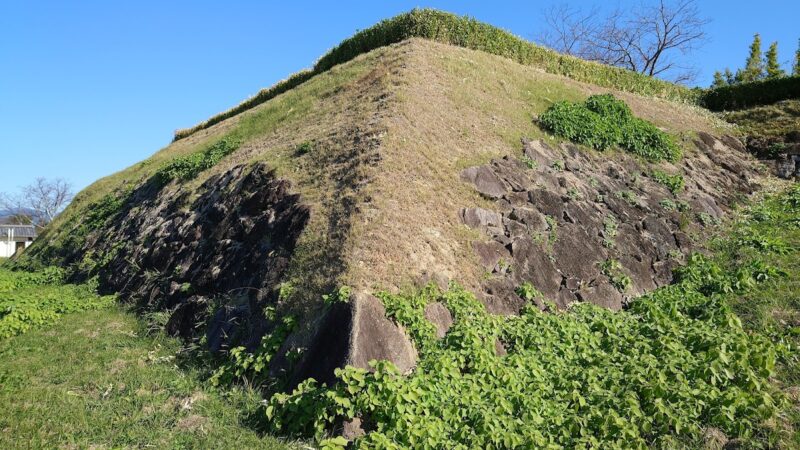
1. Eastern Enclosure Earthwork**
- Clearly visible cross-section of the earthwork
- Beautiful in the morning light
- Effective when capturing the whole scene with a wide-angle lens
2. Moat
- A representative structure of Nekojo Castle
- Shoot from an angle that emphasizes its depth
- Including a person adds a sense of scale
3. View from the Eastern Enclosure
- View of Mt. Akagi and the Kanto Plain
- Recommended for shooting on sunny days
- Capturing the distant landscape with a telephoto lens is also a good idea
4. Vertical Moat
- Defensive structure along the slope
- Effective when shooting in a vertical composition
- Beautiful when utilizing sunlight filtering through the trees
Advice on the Best Time to Shoot
Spring (April-May):
- Beautiful fresh greenery
- Mild climate
- However, undergrowth begins to thicken
Summer (June-August):
- Dense greenery
- Many insects and intense heat
- Unsuitable for Photography
Autumn (October-November):
- Beautiful autumn foliage
- Pleasant weather
- Most recommended season
Winter (December-March):
- The undergrowth withers, making the ruins easier to see
- Ideal for photography
- Beware of snowfall
Current Status and Challenges of Nekojo Castle Research
Limitations of Historical Materials
Historical materials concerning Nekojo Castle are limited, and many aspects of its detailed history remain unclear. While the “Kazawa-ki” contains a description of the siege in 1582 (Tensho 10), much of the information regarding the castle’s construction period, details of its lord, and daily operations must be based on speculation.
Future Research Topics
Future research questions regarding Nekojo Castle include:
- Detailed genealogy and activities of the Tomaru clan
- Specific relationship with the Shirai Nagao clan
- Details of the siege in 1582
- Land use after the castle’s abandonment
- Relationship with surrounding castles
To resolve these issues, it is necessary to investigate historical documents remaining in the region and collect physical evidence through archaeological excavations.
Preservation and Utilization
While the remains of Nekojo Castle are relatively well-preserved, preservation activities and maintenance are insufficient due to its low profile. The following initiatives are expected in the future:
- Installation of information boards and explanatory signs
- Maintenance of the castle approach
- Utilization for local history education
- Utilization as a tourist resource
- Regular maintenance such as grass cutting
Summary: The Charm of Nekojo Castle and the Significance of Visiting
Nekojo Castle is not a particularly famous castle, but as a castle of a local powerful family during the Sengoku period, and as a typical example of a mountain castle, it is a very valuable historical site.
The Charms of Nekojo Castle
- Well-Preserved Remains: Clearly visible moats, earthworks, and vertical trenches.
- Learn the Basics of Mountain Castles: Gain firsthand an understanding of Sengoku period castle construction techniques.
- Quiet Environment: Few visitors, allowing for a thorough visit.
- Historical Significance: As the castle of the Tomaru clan, vassals of the Shirai Nagao clan, it tells the story of local history.
- Excellent Views: Enjoy the scenery of the foothills of Mt. Akagi.
Reasons to Visit
Nekojo Castle is especially recommended for the following people:
- Mountain Castle Fans: Those who want to learn about the typical structure of a mountain castle.
- Minor Castle Enthusiasts: Those who want to visit castles other than famous ones.
- Local History Researchers: Those interested in the history of Gunma Prefecture during the Sengoku period.
- Photography Enthusiasts: Those who want to take photos in a quiet environment with few people.
- Hiking Enthusiasts: For those who want to combine light mountain hiking with historical exploration.
Neko Castle, while somewhat difficult to access, is a castle well worth visiting. As a valuable historical site where you can experience the lives of local powerful families during the Sengoku period and the defensive systems of mountain castles, it’s definitely worth a visit.
Visiting it along with related historical sites in the surrounding area, such as Shirai Castle and Numata Castle, will give you a deeper understanding of the power struggles in Gunma Prefecture during the Sengoku period. The remains of Neko Castle, nestled in the quiet mountains, are precious witnesses that convey history from over 400 years ago.