Terayama Castle Ruins (Tanagura Town, Fukushima Prefecture) Complete Guide: A Thorough Explanation of the Sengoku Period Mountain Castle Remains and History
Located in Tanagura Town, Higashishirakawa District, Fukushima Prefecture, the Terayama Castle Ruins are a valuable medieval mountain castle site that conveys the turbulent events of the Sengoku period. Also known as “Jagashiradate,” this castle site is known as the stage for fierce battles fought between powerful Sengoku daimyo of the Tohoku region: the Shirakawa, Satake, and Date clans.
This article comprehensively explains everything history enthusiasts and castle fans want to know, from the detailed history of the Terayama Castle Ruins, the characteristics of the remains, access methods, and surrounding tourist information.
Overview and Basic Information of Terayama Castle Ruins
Location and Geographical Characteristics
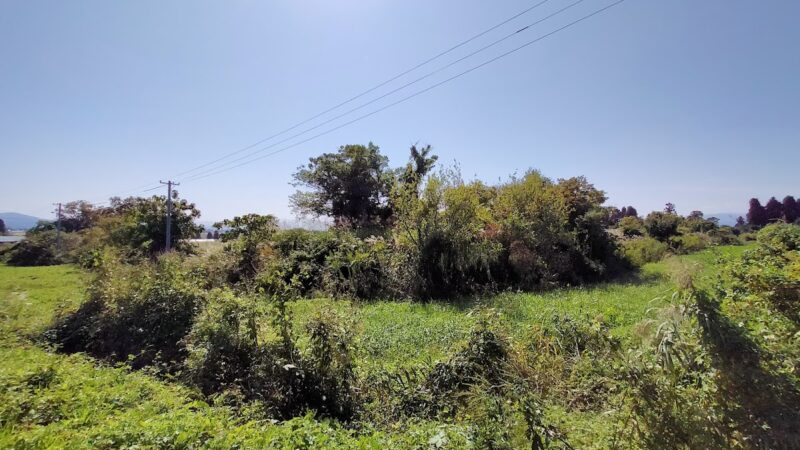
The Terayama Castle Ruins are a medieval mountain castle site stretching from Terayama, Tanagura Town, Higashishirakawa District, Fukushima Prefecture, across the area from Bōnouchi to Toyoto. Built on a hilly area at an altitude of approximately 300 meters, this castle occupies a strategically important location overlooking the surrounding area.
Basic Data:
- Location: Terayama, Tanagura-machi, Higashishirakawa-gun, Fukushima Prefecture
- Alternate Name: Jagashiradate
- Castle Classification: Mountain Castle
- Construction Period: Sengoku period (mid-16th century)
- Builder: Shirakawa clan
- Year of Abandonment: Tensho 18 (1590)
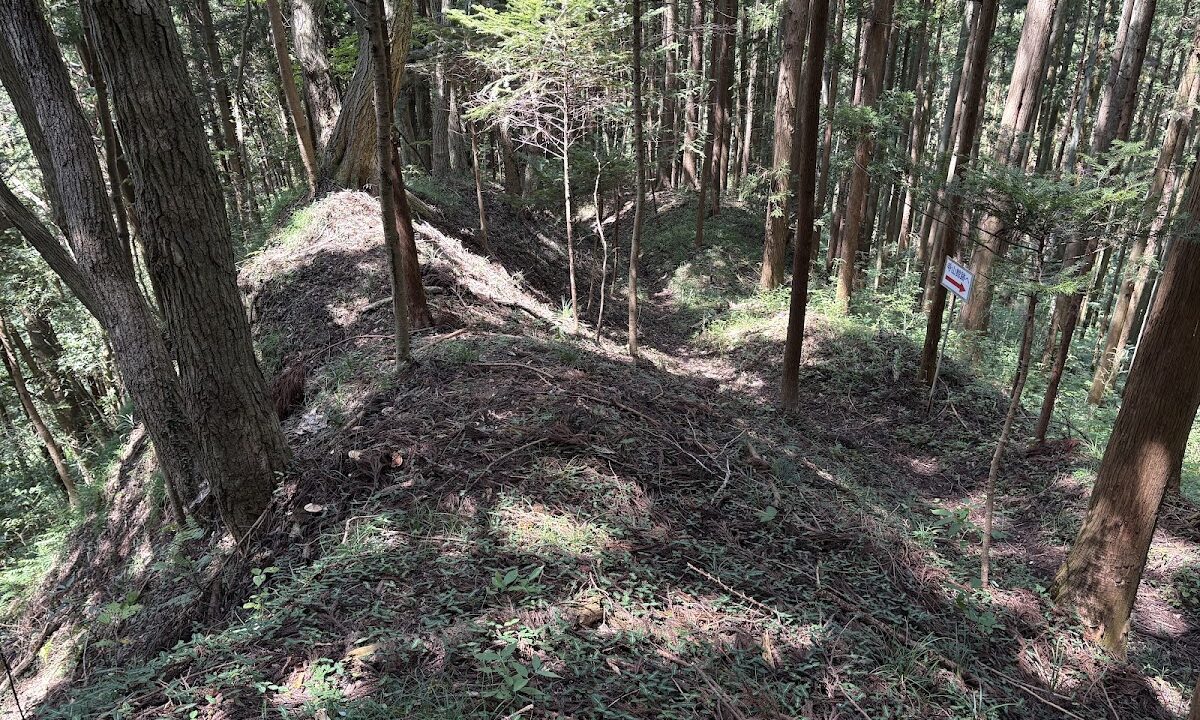
- Remains: Earthworks, dry moats, baileys (enclosures)
Characteristics as a Medieval Mountain Castle
The Terayama Castle ruins possess the typical structure of a medieval mountain castle, characterized by defensive facilities that skillfully utilize the natural terrain. Its location as a mountain castle offered strategic advantages, such as early detection of approaching enemies and securing advantageous high ground for attacks.
The castle was composed of multiple enclosures (kuruma), each separated by earthen ramparts and dry moats. This structure formed a multi-layered defensive system, allowing for continued resistance even if one enclosure was captured by the enemy.
History of Terayama Castle Ruins: Battles in the Sengoku Period
Construction by the Shirakawa Clan
Terayama Castle was built during the Sengoku period by the Shirakawa clan, who ruled this region. The Shirakawa clan was a powerful daimyo (feudal lord) controlling southern Mutsu Province (present-day southern Fukushima Prefecture to northern Tochigi Prefecture), and Terayama Castle served as an important base protecting the northeastern edge of their sphere of influence.
The Shirakawa clan maintained power in the Shirakawa region throughout the medieval period, repeatedly engaging in conflicts with surrounding local clans to preserve their territory. The construction of Terayama Castle was intended to prepare for threats from the north, particularly invasions from Hitachi Province (present-day Ibaraki Prefecture).
Conquest and Control by the Satake Clan
In the late 16th century, the Satake clan, a powerful daimyo family of Hitachi Province, pursued a northward expansion policy, extending their influence into the Shirakawa region. After unifying Hitachi Province, the Satake clan began their invasion of southern Mutsu Province in an attempt to further expand their power.
During this northward expansion, Terayama Castle fell to an attack by the Satake clan. While detailed historical records of the Satake clan’s conquest are scarce, it is believed that the Shirakawa clan succumbed to the military pressure of the Satake clan as their control weakened.
As a Frontline Base for the Satake Clan
After the Satake clan acquired Terayama Castle, it played a crucial role as a frontline base against the Shirakawa and Date clans. In particular, in their conflict with the Date clan, who were expanding their power in southern Oshu, Terayama Castle became a key point in the Satake clan’s northern defenses.
In the late Sengoku period, with the rise of Date Masamune, southern Oshu became the frontline where the powers of the Date and Satake clans were evenly matched. Terayama Castle was maintained as a military base for the Satake clan amidst this tense situation.
Abandonment by Order of Toyotomi Hideyoshi
In 1590 (Tensho 18), Toyotomi Hideyoshi carried out the Odawara Campaign and the Pacification of Oshu. In the process of unifying Japan, Hideyoshi ordered the various Sengoku daimyo to reorganize their castles, resulting in the abandonment of many mountain castles.
Terayama Castle was also abandoned by Hideyoshi’s order, ending its role in the Sengoku period. In the Edo period, this region came under the control of the Tanagura Domain, and Tanagura Castle on the plains became the political and military center; therefore, Terayama Castle, being a mountain castle, was never reused.
Remains and Highlights of Terayama Castle Site
Characteristics of Existing Remains
The Terayama Castle site contains valuable remains that convey the structure of a medieval mountain castle. The main remains are as follows:
1. Enclosures (Kuruwa)
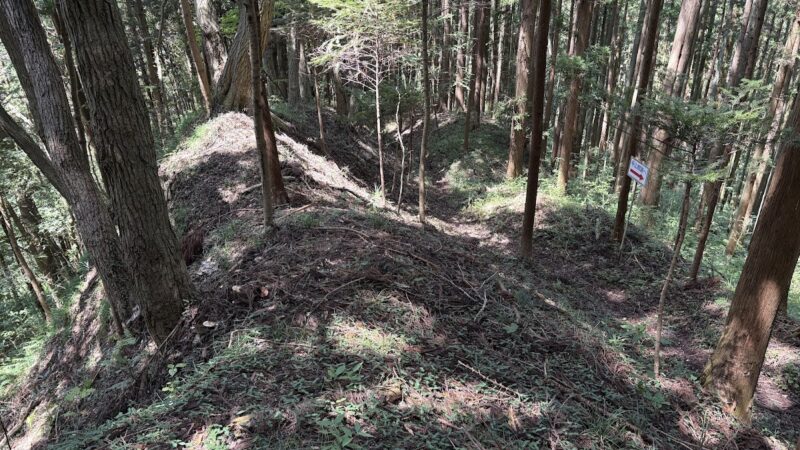
Multiple flat areas are arranged in a stepped pattern, and a structure with a main enclosure at the center, along with second and third enclosures, can be observed. Each enclosure was used as living space or a defensive position.
2. Earthen Embankments
Earthen embankments were built around the enclosures. These embankments prevented enemy intrusion and functioned as defensive walls to protect against arrows and gunfire. Even today, some sections of the embankments, about 1-2 meters high, remain in good condition.
3. Dry Moats
Multiple dry moats (moats that do not hold water) separating the enclosures can be observed. Dry moats served as obstacles to hinder enemy advances, and those remaining are about 5-10 meters wide and 2-4 meters deep.
4. Entrances (Koguchi)
Traces of entrances to the castle can also be observed. Since entrances were a weak point in defense, they were designed with complex structures to make enemy intrusion difficult. ### Points to Note When Visiting
When visiting the Terayama Castle Ruins, please note the following:
- Walking on Mountain Paths: As the ruins are located in the mountains, it is recommended to wear comfortable shoes and clothing.
- Season: Spring to autumn is the best time to visit; there is a possibility of snow and ice in winter.
- Rainy Weather: The mountain paths become slippery, so it is safer to avoid visiting in rainy weather.
- Insect Repellent: It is recommended to carry insect repellent spray in the summer.
- Protection of Ruins: Please walk on the designated viewing paths to avoid damaging the earthworks and dry moats.
Estimated Visit Time and Atmosphere
For a visit to the Terayama Castle Ruins, allow approximately 60-90 minutes round trip from the entrance to the main enclosure. You can slowly observe the ruins while experiencing the unique atmosphere of a mountain castle.
At the site, you can experience the weight of history, where warlords of the Sengoku period actually strategized and prepared for battle. In a tranquil environment surrounded by trees, it will be a valuable opportunity to walk through and understand the structure of a medieval mountain castle.
Access to Terayama Castle Ruins and Surrounding Information
Access by Public Transportation
By Train:
- Get off at Iwaki-Tanagura Station on the JR Suigun Line
- Approximately 10 minutes by taxi or 40 minutes on foot from the station
By Bus:
- Since the number of bus routes operating within Tanagura Town is limited, it is recommended to check the timetable in advance.
Access by Car
From Tokyo:
- Approximately 30 minutes from Shirakawa IC on the Tohoku Expressway via National Route 289
- Approximately 60 minutes from Iwaki-Chuo IC on the Joban Expressway via National Routes 49 and 289
Parking:
- There is no dedicated parking lot near the castle ruins, so please use the parking lots of Tanagura Town Hall or other public facilities and travel from there.
Contact Information
For inquiries regarding visits to Terayama Castle Ruins and detailed information, please contact:
Tanagura Town Board of Education, Lifelong Learning Division
- Address: 33 Nakaino, Tanagura, Tanagura-machi, Higashishirakawa-gun, Fukushima Prefecture 963-6131
- Phone: 0247-33-0111 (Main)
- Reception Hours: Weekdays 8:30 AM – 5:15 PM (Excluding Saturdays, Sundays, and public holidays)
Tourist Attractions in Tanagura Town and Surrounding Area
Tanagura Castle Ruins
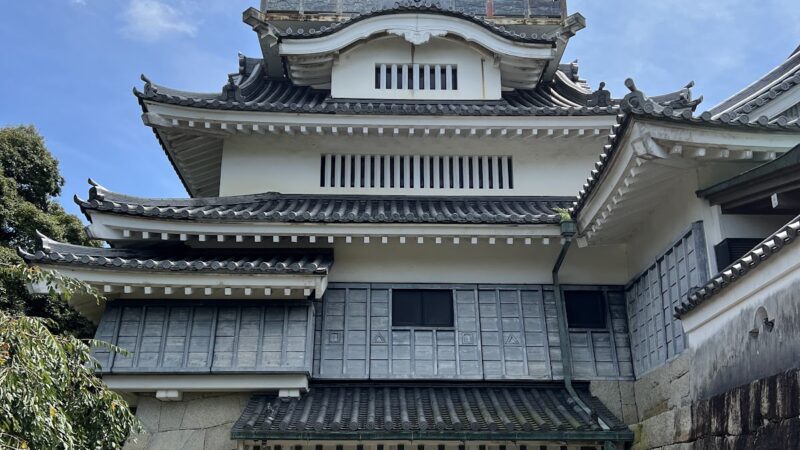
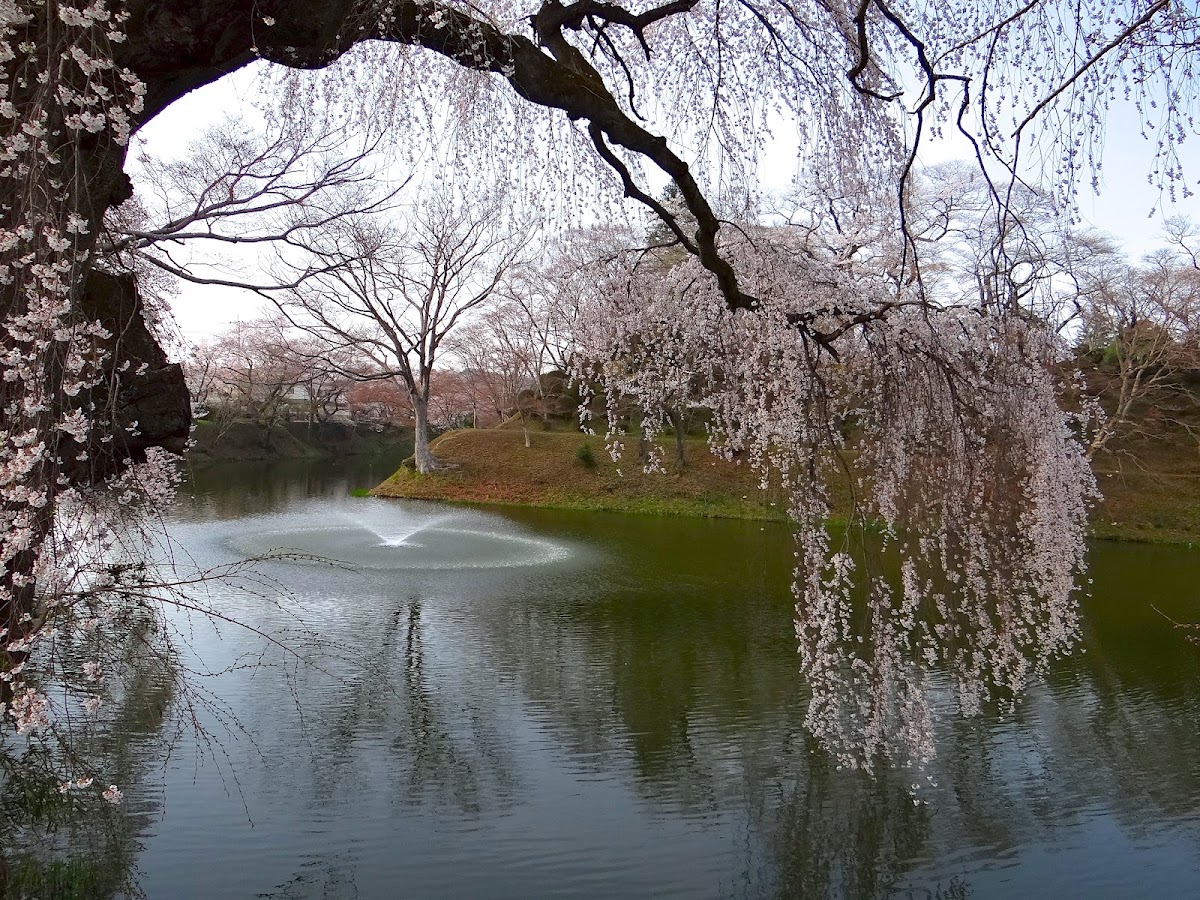
Located about 10 minutes by car from Terayama-kan Ruins, Tanagura Castle Ruins is a flatland castle built during the Edo period. After Terayama-kan was abandoned, it became the political and military center of the region, and is now maintained as Kamegajo Park. In spring, it is a popular spot for cherry blossom viewing, attracting many visitors.
By visiting both Terayama-kan Ruins, a medieval mountain castle, and Tanagura Castle Ruins, an Edo-period flatland castle, you can experience the changes in castle architecture over time.
Akakan Castle Ruins and Nakamaru Castle Ruins
In addition to the Terayama Castle Ruins, several other medieval castle ruins are scattered throughout Tanagura Town. The Akakan Castle Ruins and Nakamaru Castle Ruins also retain remnants of the Sengoku period, making them enjoyable sites for castle exploration.
Yatsuki Tsutsukowake Shrine
This is a representative ancient shrine of Tanagura Town, a historically significant shrine whose founding is said to date back to the Kofun period. The shrine grounds retain a thatched-roof building, creating a historical atmosphere. It’s a suitable spot to visit before or after visiting the Terayama Castle Ruins.
Exploring Medieval Castles and History in Fukushima Prefecture
Major Medieval Castles in Fukushima Prefecture
Fukushima Prefecture has many medieval castles remaining besides the Terayama Castle Ruins:
Aizu Region:
- Mukaihaguroyama Castle Ruins (Aizumisato Town): One of the largest medieval mountain castles in Tohoku and a nationally designated historic site.
- Kurokawa Castle (Aizuwakamatsu Castle): A medieval castle before being remodeled into a modern castle by Gamo Ujisato.
Nakadori Region:
- Nihonmatsu Castle Ruins (Nihonmatsu City): The residence of the Hatakeyama clan during the Sengoku period.
- Omori Castle Ruins (Fukushima City): A branch castle of the Date clan.
Hamadori Region:
- Soma Nakamura Castle Ruins (Soma City): The residence of the Soma clan.
Visiting these castle ruins will allow you to gain a deeper understanding of Fukushima Prefecture’s Sengoku period history.
A Journey to Experience the History of Fukushima Prefecture
Fukushima Prefecture is known not only for its role in the Sengoku period (Warring States period) but also as the stage for the Boshin War at the end of the Edo period. By visiting historical sites from the late Edo period, such as Tsuruga Castle and Iimoriyama in Aizuwakamatsu City, you can experience Fukushima’s continuous history from the Middle Ages to the modern era.
Local Cuisine and Hot Springs Around Terayama-kan Ruins
Local Cuisine of Tanagura Town
In the southern region of Fukushima Prefecture, including Tanagura Town, you can enjoy the following local dishes:
- Soba: Fukushima Prefecture is known as a soba noodle producing area, and there are many delicious soba restaurants around Tanagura Town.
- Local Sake: Fukushima Prefecture is a famous sake producing area, and you can enjoy local sake from breweries around Tanagura Town.
- River Fish Cuisine: Dishes using river fish caught in the clear waters of the Abukuma River system.
Hot Springs in the Surrounding Area
After visiting Terayama-kan Ruins, we recommend refreshing yourself at a nearby hot spring:
Yumigata Onsen (Hanawa Town):
- Approximately 30 minutes by car from Tanagura Town
- A quiet hot spring resort nestled in the mountains, known for its skin-beautifying properties.
Kashi Onsen (Saigo Village):
- Approximately 40 minutes by car from Tanagura Town
- A secluded hot spring located at the foot of the Nasu mountain range.
Combination Plans with Fukushima Prefecture Sightseeing
Touring the Aizu Area
It takes approximately 90 minutes by car from Tanagura Town, where the Terayama Castle ruins are located, to Aizuwakamatsu City. The following 2-night, 3-day sightseeing plan is recommended:
Day 1:
- Morning: Travel from Tokyo, arrive in Tanagura Town
- Afternoon: Visit Terayama-kan Ruins and Tanagura Castle Ruins
- Accommodation: Tanagura Town or Shirakawa City
Day 2:
- Morning: Visit Ouchi-juku (a post town with thatched roofs)
- Afternoon: Travel to Aizu-Wakamatsu City, visit Tsuruga Castle
- Accommodation: Hot spring inn in Aizu-Wakamatsu City
Day 3:
- Morning: Visit Iimoriyama and Byakkotai Memorial Museum
- Afternoon: Return to Tokyo
Combination with the Hamadori Region
A plan combining this with the Hamadori region on the Pacific coast is also attractive:
- Iwaki City: Enjoy hot springs and entertainment at Spa Resort Hawaiians
- Soma City: Learn about the history of Soma Nakamura Castle Ruins and the Soma Nomaoi festival
Access from Tanagura Town to Iwaki City on the Pacific coast is excellent, taking approximately 60 minutes by car.
Best Season to Visit Terayama Castle Ruins
Spring (April-May)
Spring is the perfect season for visiting mountain castles, with its beautiful fresh greenery. The temperature is comfortable, making long walks enjoyable. Visiting Terayama Castle Ruins in conjunction with the cherry blossoms is highly recommended.
Autumn (October-November)
Autumn is also a suitable season for visiting mountain castles. The colorful trees allow you to experience the medieval atmosphere more deeply. However, be careful as fallen leaves can make the ground slippery.
Summer and Winter Precautions
- Summer: High temperatures and numerous insects make heatstroke prevention and insect repellent essential.
- Winter: Snow and ice are possible, making visits more suitable for experienced visitors. Checking local conditions beforehand is recommended.
Summary: Historical Value of Terayama Castle Ruins
Terayama Castle Ruins is a medieval mountain castle that played a crucial role as the front line in the power struggles in the Tohoku region during the Sengoku period. This castle, which was contested by powerful Sengoku-era daimyo such as the Shirakawa, Satake, and Date clans, is a valuable historical relic that conveys the military technology and strategies of the time.
The remaining earthworks, dry moats, and baileys are crucial for understanding the structure of medieval mountain castles, and walking around the site allows you to experience the rugged terrain and defensive ingenuity experienced by the warlords of the Sengoku period.
When visiting Fukushima Prefecture, be sure to visit not only famous tourist spots but also historical sites like the Terayama Castle Ruins. In the quiet mountains, you can spend a precious time reflecting on Japan’s medieval history.
A journey through Tanagura Town’s rich nature and historical atmosphere, feeling the spirit of the Sengoku period, will be an unforgettable experience for history enthusiasts. Why not explore the profound history and culture of Fukushima Prefecture through a visit to the Terayama Castle Ruins?