Complete Guide to Nobu Castle: The History and Remains of a Famous Castle in Owari Province Ruled by Oda Nobunaga’s Younger Brother, Nobuharu
What is Nobu Castle?
Nobu Castle (Nobu-jo) was a Japanese castle located in what is now Kaimyo, Ichinomiya City, Aichi Prefecture, from the Muromachi period to the early Edo period. It was located in Nobu Village, Nakashima District, Owari Province, and was also written as Nobu Castle. It was registered as a designated historical site of Ichinomiya City on February 11, 1975 (Showa 50), and is best known for being ruled by Oda Nobuharu, the younger brother of Oda Nobunaga.
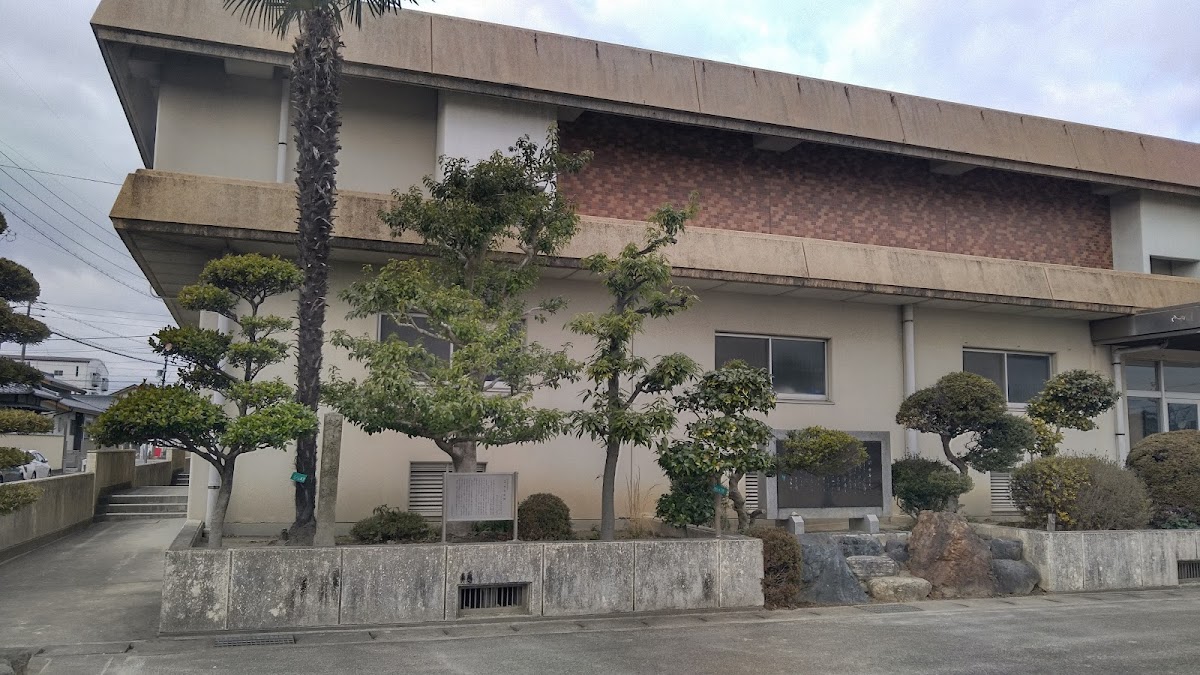
Currently, the site of Nobu Castle is near Ichinomiya City Kaimyo Elementary School, and a monument marking the castle site stands near the school’s main gate. As one of the important bases in Owari Province during the Sengoku period, it played a crucial role in the expansion of the Oda clan’s power.
History of Nofu Castle
Construction and Early History
The exact construction date of Nofu Castle is unknown, but records confirm its existence during the Meio era (1492-1500). During the late Muromachi period, various regional lords held sway throughout Owari Province, and Nofu Castle is believed to have been built within this historical context.
While there are no clear records of the castle’s initial lord, it is presumed to have been built by a local powerful family in Owari Province and functioned as a regional defense base. Later, with the expansion of the Oda clan’s power, it is thought to have come under the control of the Oda family.
The Era of Oda Nobuharu
The most important period in the history of Nofu Castle is the time when Oda Nobuharu, the younger brother of Oda Nobunaga, served as its lord. Oda Nobuharu was born the son of Oda Nobuhide and was Nobunaga’s younger brother by the same mother. He was also commonly known as Oda Kuro.
Nobuharu played a crucial role in Nobunaga’s unification of Owari Province, governing the surrounding area from his base at Nofu Castle. During the period when Nobunaga began his quest for national unification, Nobuharu acted as an important family member supporting his brother.
The End of Oda Nobuharu and the Fate of the Castle
In 1570 (Genki 1), Oda Nobuharu fought against the combined forces of Asai Nagamasa and Asakura Yoshikage in Omi Province (present-day Shiga Prefecture). This battle was part of a series of battles in which Nobunaga confronted the Asai-Asakura alliance.
Nobuharu fought with a small force, but was outnumbered and unable to achieve victory, ultimately dying in this battle. While detailed records of what happened to Nofu Castle after Nobuharu’s death are scarce, it is believed to have been abandoned by the early Edo period.
Structure and Size of Nofu Castle
Castle Size
According to the “History of Bisai City,” Nofu Castle was surrounded by a double moat in its heyday. The area enclosed by the inner moat alone is said to have measured approximately 300 meters east-west and 200 meters north-south. This size was considerable for a flatland castle in a rural area, indicating its importance as a stronghold of the Oda clan.
A map of Nofu Village from 1841 (Tenpo 12) shows the castle ruins, indicating that traces of the castle were clearly recognized even in the late Edo period. This map is a valuable resource for understanding the location and size of Nofu Castle.
Castle Structure
Nofu Castle was a typical flatland castle, equipped with defensive structures primarily consisting of moats and earthworks. The double moat structure, with its outer and inner moats, protected the castle area and was a robust defensive system for its time.
While there are no clear records of stone structures such as stone walls, considering the characteristics of castle architecture in the Owari region at the time, it is presumed that the castle was mainly composed of earthen ramparts and wooden buildings. It is thought that within the castle grounds, the main enclosure was surrounded by the residences of retainers and warehouses.
Surrounding Environment
Nofu Castle is located in the plains of Owari Province, built in a fertile agricultural area benefiting from the Kiso River system. This location was advantageous for securing an economic base and was also close to a key transportation hub within Owari Province, giving it a military and economically important position.
Other castles related to the Oda clan are scattered throughout the surrounding area, and it is thought that they cooperated to form a defense network for Owari Province. Nofu Castle functioned as a base in the Nakashima District within this network.
Successive Castle Lords
Early Castle Lords
Regarding the early lords of Nofu Castle, reliable historical records are scarce, and many details remain unknown. While the existence of the castle during the Meio era (1498-1491) is confirmed, the name of the castle lord during this period is not recorded.
It is presumed that the castle was built by a local powerful family in Owari Province, and that the castle lord changed along with the rise and fall of power during the subsequent turmoil of the Sengoku period (Warring States period). It is believed that as the Oda clan expanded its power within Owari Province, Nofu Castle also came under the control of the Oda clan.
Oda Nobuharu
The most well-known lord of Nofu Castle is Oda Nobuharu. As Nobunaga’s younger brother, Nobuharu held an important position within the Oda family and governed the surrounding area from Nofu Castle.
Nobuharu’s period as castle lord overlaps with the initial stages of Nobunaga’s unification of Owari and his efforts to unify Japan. During this time, Nobuharu supported his brother Nobunaga and contributed to the expansion of the Oda clan’s power. However, his activities came to an end with his death in battle in 1570.
After Nobuharu
There are no clear records of what happened to Nofu Castle after the death of Oda Nobuharu in battle. It is unclear whether Nobuharu’s successor became the lord of the castle, or whether another member of the Oda family or a retainer was appointed.
It is believed that the castle had already been abandoned by the early Edo period, and its function as a castle had been lost. Subsequently, the castle site was used as farmland, and development has continued to this day.
The Current State of Nofu Castle
Castle Site Monument and Remains
Currently, the site of Nofu Castle is located on the grounds of Ichinomiya City Kaimei Elementary School and its surroundings. A stone monument marking the castle site stands near the school’s main gate, next to the gymnasium, commemorating the former existence of a castle on this site.
The castle site monument was erected during the Showa era and plays an important role in passing on the region’s history to future generations. However, since the monument is located on school grounds, permission from school staff is required for viewing.
Status of the Remains
Regarding the remains of Nofu Castle, very little remains are visible on the surface. Due to years of agricultural use and urban development, castle structures such as moats and earthworks have been lost.
Records of archaeological excavations are limited, and many details about the remains buried underground remain unknown. Further academic research may lead to new discoveries.
Protection as an Ichinomiya City Designated Historic Site
The Nofu Castle site was registered as an Ichinomiya City Designated Historic Site on February 11, 1975 (Showa 50). This designation officially recognizes its historical value and makes it subject to protection.
Registration as a city-designated historic site is an important measure to protect local historical heritage and widely communicate its value to citizens. The Nofu Castle site is a valuable historical site for understanding the era of Oda Nobunaga, and it is expected to continue to be protected.
Access and Visiting Information for Nofu Castle
Access Method
Nofu Castle ruins are located in Kaimyo, Ichinomiya City, Aichi Prefecture, and can be accessed by public transport or car. From the nearest station, you will need to travel on foot or by bus.
You can find the castle ruins monument by heading towards Ichinomiya Municipal Kaimyo Elementary School. However, since it is located on school grounds, please be mindful of visiting hours.
Notes for Visitors
The castle ruins monument is located near the main gate of Ichinomiya Municipal Kaimyo Elementary School, next to the gymnasium. Since it is located on school grounds, please note the following points when visiting:
- Prioritize the safety of the children during school hours and refrain from visiting, or contact school officials in advance.
- Check the schedule for school events and holidays before visiting.
- Behave quietly on the grounds and be considerate so as not to disrupt educational activities.
- When taking photographs, be careful not to include children in the pictures.
Nearby Tourist Spots
Besides the Nofu Castle Ruins, Ichinomiya City has many other historical sites related to the Oda clan and the Sengoku period. The official Ichinomiya City tourism website, “IchinomiyaNAVI,” provides information on tourist spots in the city, including the Nofu Castle Ruins.
When visiting the surrounding area, you can gain a deeper understanding of Owari’s history by visiting other historical sites as well.
Historical Significance of Nofu Castle
Role in the Expansion of the Oda Clan’s Power
Nofu Castle was one of the important bases supporting the Oda clan’s power base during the period when Oda Nobunaga began his path to unifying Japan. The fact that Nobunaga’s younger brother, Nobuharu, served as the castle lord indicates the castle’s importance within the Oda clan.
The Oda clan’s system of rule within Owari Province was centered around Kiyosu Castle, Nobunaga’s own residence, with family members and senior retainers protecting various castles throughout the region. Nofu Castle was part of this network, responsible for the governance and defense of the Nakashima district.
Historical Sites for Understanding Owari in the Sengoku Period
The Nofu Castle ruins are a valuable historical site that conveys the state of Owari Province during the Sengoku period. As a castle ruled by the younger brother of Oda Nobunaga, one of the most famous warlords in Japanese history, it provides clues to understanding the samurai society and regional governance of the time.
Although few remains survive, the castle’s appearance can be imagined through the castle site monument and historical records. The Nofu Castle ruins are also an important teaching material in local history education.
Position in Local History
Nofu Castle holds an important position in the history of Ichinomiya City. The fact that it is protected as a city-designated historical site is proof that the local community cherishes its own history.
Knowing local history is important in forming the current local identity. For the citizens of Ichinomiya, the Nofu Castle ruins serve as an important clue to understanding the historical background of the land where they live.
Historical Materials and Research on Nofu Castle
Major Historical Materials
The following are known historical materials concerning Nofu Castle:
“Owari-shi”: A geographical record of Owari Province compiled during the Edo period, describing Nofu Castle as “Nofu no Kojō” (Old Castle of Nofu), and recording the size and condition of the castle ruins.
“Fushi”: Records Nofu Castle as the residence of Oda Kuro Nobuharu, and also mentions the size of the castle grounds.
“Nofu Village Map of Tenpō 12 (1841)”: The castle ruins are marked on a village map from the late Edo period, allowing us to understand the topography and land use at the time.
“Bisai City History”: As a result of modern local history research, it contains a detailed description of the scale and structure of Nofu Castle.
By synthesizing these historical materials, we can understand the history and structure of Nofu Castle.
Current Status and Challenges of Research
Research on Nofu Castle has mainly been conducted by local history researchers and castle researchers. However, due to the scarcity of remaining structures and the limited scope of archaeological excavations, many aspects remain unclear.
In particular, further research is needed regarding the construction period, early lords, detailed structure of the castle, and the circumstances of its abandonment. Furthermore, the life and activities of Oda Nobuharu also require further excavation and analysis of historical materials.
Future Preservation and Utilization
While the Nofu Castle ruins are protected as a city-designated historical site, considering the state of preservation of the remains, ingenuity is needed for future preservation and utilization. Possible approaches include promoting academic research through archaeological excavations, improving information provision through the installation of explanatory signs, and utilizing the site for local history education.
Furthermore, by utilizing digital technology to restore and visualize the castle’s former appearance, it will be possible to convey the historical value of Nofu Castle to a wider audience. Efforts to pass it on to future generations as a regional historical heritage are anticipated.
Summary
Nofu Castle was a castle that existed in Nofu Village, Nakashima District, Owari Province (present-day Kaimyo, Ichinomiya City, Aichi Prefecture) from the Muromachi period to the early Edo period. It is known that Oda Nobuharu, the younger brother of Oda Nobunaga, was its lord. It already existed during the Meio era and was a flatland castle boasting a size of approximately 300 meters east-west and 200 meters north-south, with a double moat.
After Oda Nobuharu was killed in battle against the Asai-Asakura allied forces in 1570, the castle was abandoned by the early Edo period. Currently, only a castle site monument remains near Ichinomiya City Kaimyo Elementary School, but it was registered as an Ichinomiya City designated historical site in 1975 and is protected as an important regional historical heritage.
Although very few remains are left, the Nofu Castle ruins are a valuable historical site for understanding the era of Oda Nobunaga and hold significant importance for comprehending the expansion of the Oda clan’s power in Owari Province during the Sengoku period. It is a historical site that is expected to be preserved and utilized as a regional historical heritage site in the future.