Terao Castle: Complete history of medieval Xishan Castle in Yongyuan District, Yokoto City
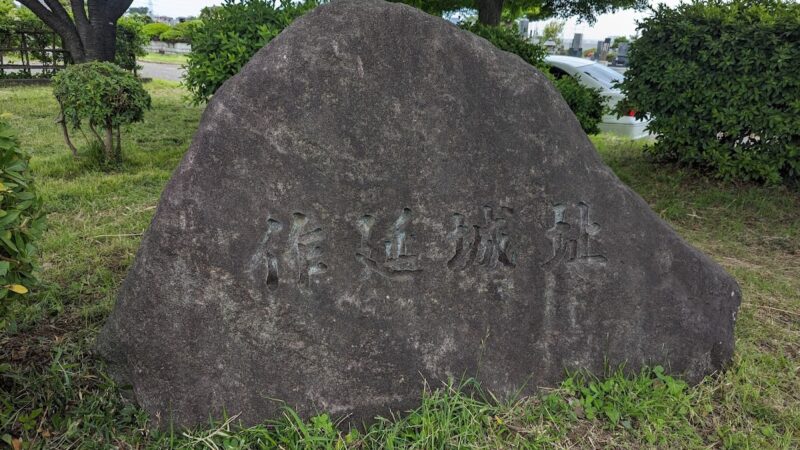
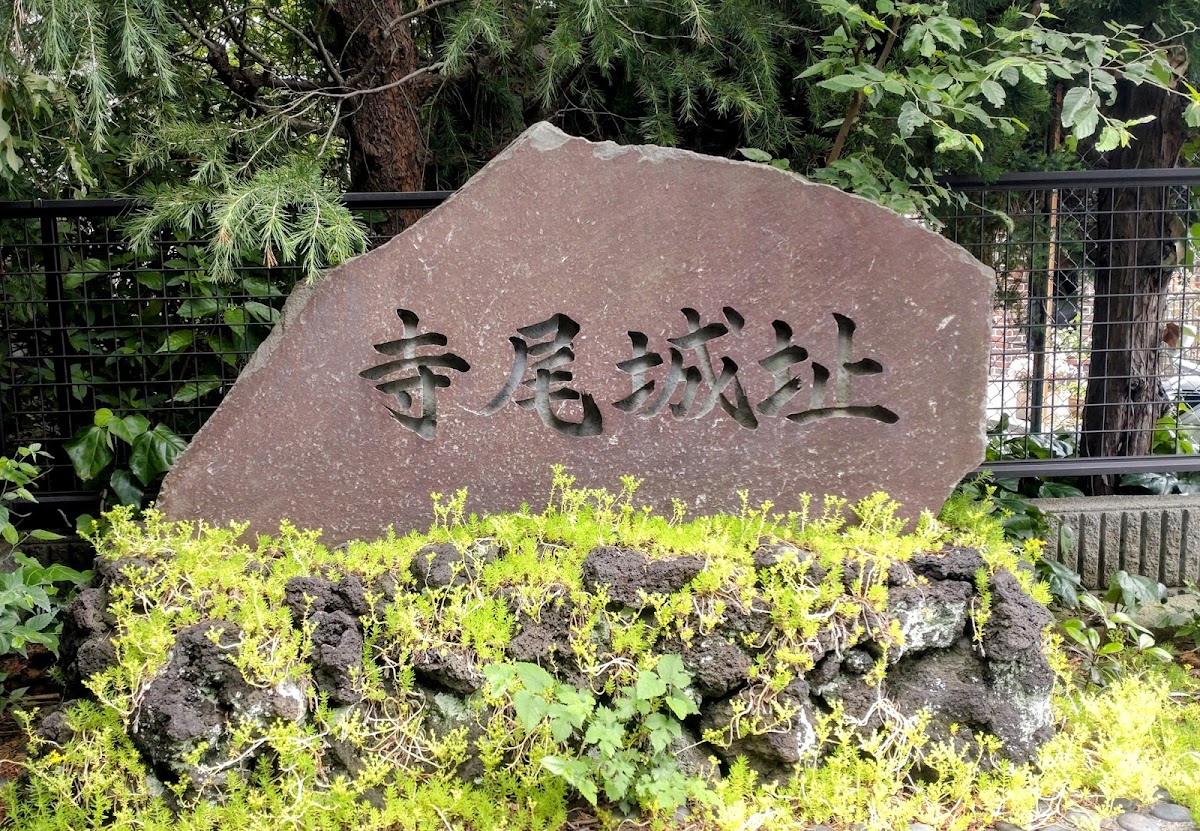
A monument commemorating the “Terao Castle Ruins” located in a residential area in the 鹤见 Ward, Kanagawa City, Kanagawa. However, it is still perfectly preserved as it was in the medieval Qingshan Castle about 600 years ago. Terao Castle was built by Yoshinobu’s family in the country, and was an important fortification of the troupe during the time of the war.
Full text summary of the mysterious medieval Xishan Castle, the history of its construction and fall, its lineage, details of its current construction, and a very comprehensive introduction to the fortifications of the same name.
Terao Castle overview and location
Basic information
Terao-jō is a Japanese mountain castle located near Mato 3-chome, Yongyuan District, Hengchen City, Yu. The building was originally named “Liangshan” by the plateau, and now it was covered by Hengcheng City’s local cultural heritage (local cultural history).
Terao Castle is an unrealistic fort with a castle tower, and it is a medieval castle with a mountain fortress, and a castle with a four-circle construction and a dry castle. Although the height of the sea was low, the view of the mountain and hills surrounding the area was very important.
Geolocation
From the west exit of JR Beijing East North Line Viewing Station, you will be seated at the west exit of Kawasaki Viewing Station, and you will be arriving at the train station in Lushan. The Terao Castle Ruins Memorial Monument is located in the residential area of Yamagata, 3-chome, Umajo. During the medieval period, this area was an important transportation hub for the East Coast and the West Coast, and an important strategic location.
It is an ideal location for military operations, overlooking the famous “Yuanshan” mountains and hills, and overlooking the river basin. In addition, Odawara Castle (the Hojo clan’s stronghold) was located on the main road in the Wako district, so this is an important division of the castle within the Hojo clan’s power.
History of Terao Castle
Construction history and period
At the time of construction of Terao Castle, there were many types of law, but the most popular language was Jianyu in 1436, left and right. The builder was a member of the Aohe family of Shin-Hen (now Nagano).
The purpose was to build a castle fort in Terao, Tachibana District, Tachibana District, Tachibana District, Tachibana District, Tachibana District, Tachibana District, Tachibana District, Tachibana District, Tachibana District, Tachibana District, Tachibana District, Tachibana District, Tachibana District, Tachibana District, Tachibana District, Tachibana District, Tachibana District, Tachibana District, Tachibana District, Tachibana District, Tachibana District, Tachibana District, Tachibana District, Tachibana District, Tachibana District, Tachibana District, Tachibana District, Tachibana District, Tachibana District, Tachibana District, Tachibana District, Tachibana District, Tachibana District, Tachibana District, Terao Province, China. During the first half of the 15th century, there was a period of political activity in the eastern part of the country, and the local powerful families were involved in their own conflicts.
About the period of restoration of the family
The residence of Terao Castle, which was originally built and lasted approximately 140 years, was the first lord of Mikawa Province, and lasted for five generations. A vassal of the Odawara Hojo clan (recently Hojo clan) who came to power after his death, and a vassal of the Hojo clan who later became the ruler of the eastern region of the city, was an important function.
In order to support the Hojo clan, the support of the Hojo clan is due to the support of the Hojo clan. The castle town was established as a castle town where vassals resided, and since its formation, it has been a small castle town-style settlement centered around the castle.
Takeda Shingen Attacks Terao Castle
Terao Castle’s mission was determined by a series of military operations, including the attack on Odawara Castle by Takeda Shingen in October 1569, and the “Gozen Battle”.
The lord of the castle at the time was Shinnosuke (also known as Masanosuke), except for Ujiyasu Hojo, the lord of support outside Odawara Castle. In the absence of the Takeda army and others, they attacked Terao Castle, and the castle fell into the pond.
A record of historical documents such as Nezu’s “Hojo Chronicles”, and the subsequent invasion of Terao Castle, and the end of this story. However, in 1575, there was no doubt that the Takeda army’s continued attack was to overthrow Terao Castle.
Mr. 关于诹访
The origin of the family name and family name
The owner of Terao Castle is one of the famous branch of the castle, and its status is Xinyuan Country District (now Longfield District). The main deity of the 诹访 Shrine is the main deity of the 诹访 family, which is one of the most powerful local clans in the Xinhuan area.
The specific circumstances of the country where he lived, the facts of the case, and the cause of his death are clear historical records. A variety of legal reviews, Muromachi era, Yuyu political developments, internal conflicts, a family’s isolation, and a new life in the eastern part of the country.
Lord of Terao Castle
The history of Terao Castle is incomplete and unclear. However, the record of the Nedate family of Kenkoji Temple (Ichiza Temple Temple in the Izumiya Ward), the descendants of the descendants of Daichikei are as follows:
- First lord of the castle: Mikawa no kami (Eikyo era, approximately 1429-1441)
- After this, he became the fifth generation lord of the castle.
- The last lord of the castle: 诹访马乌之 (诹访马茬ノsuke, Eiroku era)
关于Each time the castle lord’s concrete merit records are very small, and the demands are continuously studied.
The history of the family companion
The following is the history of Mr. Shiro and Terao Castle who still exist today:
Masaki Shrine
Mato Meihe Shrine (Mato Shrine, Masha, Yongqi District, Hengton City) is located in Xibeipao, the highest point in Yulianshan, where the Terao Castle Castle Ruins are located. This is a shrine dedicated to Terao Castle, which was originally built by the late Saiza Shrine. The flat topography surrounding the shrine is revealed, and the plain appearance of the old castle pond is revealed.
Kenkoji Temple
The location of Jianguang Temple is a historical important historical material of Terao Castle and the history of the clan’s ancestors.
Terao Castle’s structure and history
Castle Pond Structure
Terao Castle is a typical medieval Qishan castle structure. The main castle (honmaru) is located at the highest point on the Plateau in the Far Mountains of Umei, and the earthworks in the surrounding area were completed, and the defense work for the dry river was carried out.
The construction site is now the center of the park in Farshan, east and west about 200 meters, north and south about 150 meters. Large-scale construction within the castle, including castle towers and gates; installation areas, housing, towers, Japanese military equipment, and other wooden structures.
Existing legacy
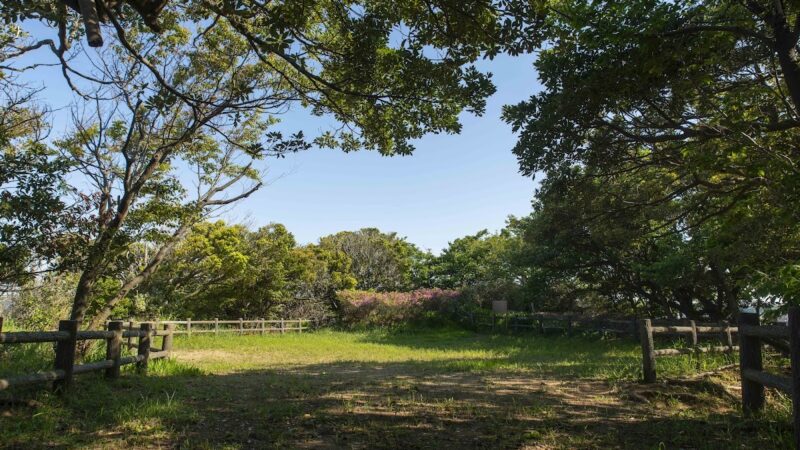
Currently, Yuyu housing is being opened, most of Terao Castle has existed for a long time, however, the following part of the area inside the Huanshan Park has been reserved:
Dry River
Part of the park has a special topographical form that has been preserved due to the traces of the Pocheng River, which was dry in the past. Although the depth was low, it was confirmed that the fort defense work was planned.
Hijikata construction
After the drying up of the river, some parts of Hijikata construction still exist. The earthworks were typical defensive works for castles in mountainous areas in the medieval period, and were used for the construction of earthen walls, and for the invasion of enemies.
Heiji area
Arriving on the plateau, it was decided that the peace control area would be settled in one piece, and the former castle fort (Kuruwa) would be laid out.
Terao Castle Memorial Monument and Information Plate
A stone monument with the name “Terao Castle Ruins” located within the Zulianshan Park, serves as a castle fortress for tourists. A summary of Terao Castle’s history and information published by the Yokoto City Board of Education.
Please note that the public will understand the history of Terao Castle, and will ensure that the local history of its production is available for use.
Archaeological excavation and excavated artifacts
View of the lower part of the audience hall
In 1973 (Showa 48), we achieved the acquisition of important archeological works of Yoterao Castle Sokan. At the foot of Guanyin Mountain, below the Guanyin Hall, about 2,000 pieces were excavated from the Northern Song Dynasty.
It was built in the first half of the 15th century, and is confirmed to be Terao Castle’s military supplies. We are researching medieval castle fortifications, active military demand management methods, and treasure archaeological materials.
Excavated cultural artifacts The true face of Terao Castle
In addition, Terao Castle is not a military fortress, and it is a military fortress with a certain number of bases. Approximately 2,000 copies are available in large quantities, and at this time, there is a considerable amount of wealth, and the area where the person is located has a certain influence.
Separation of castle forts with the same name
The fortress of Japan’s famous Yutaza “Terao Castle”. Terao Castle is the main place for our generals to avoid and mix.
Terao Castle in Matsushiro-cho, Nagano City
Yuichiza Terao Castle, Matsushiro-machi, Nagano City. The castle fort was built by the Yuterao clan, and is located on the top of a protruding mountain on the Chikuma River coastline, an important transportation route, connected to Omuro, Zenkoji Plain, Kako Pass, and the route to Kagai, Chizo Pass, and Ueda.
After the construction of Kaizu Castle (now Matsushiro Castle) by Shingen Takeda, the control of the government, Kaizu Castle, the establishment of Kanaiyama Castle, important affiliated castle pond, joint guardianship of eastern and northern areas. At the time of the war, the Murakami clan belonged to the Terao clan, but the Seino clan was established, and the Takeda clan was the most successful.
Terao Castle, Tama Ward, Kawasaki City (Suga Terao Castle)
Located in Kanagawa, Kawasaki City, Tama-ku, Sugataketo 2-30, Chikanya Yuichiza Terao Castle (Suga Terao Castle). Currently, the area is designated as the “Sugatake Valley Forest Conservation District”, which is located on the northern side of the Tamagawa River plain and tongue-shaped plateau.
Terao Castle is one of the castle forts in Yokoto City, and also located in Kanagawa, which is always mixed, but in reality, it is different from the two castle forts.
How to go to Terao Castle
- Terao Castle, Yokoto City’s Yoshimi Ward: A fortress of the Ikuji clan, Iyulianshan, which fell during Takeda Shingen’s attack.
- Terao Castle, Matsushiro-machi, Nagano City: A castle fortress of the Terao clan, and an important point for the Takeda clan’s control system.
- Terao Castle, Tama Ward, Kawasaki City: Also known as Suga Terao Castle, located on a plateau along the Tama River.
When researching historical documents or moving forts in the country, it is necessary to clearly divide the fort area into small sections.
Terao Castle Site Transportation and Visiting Information
Transportation method
Public transportation
- Passengers sitting at the west exit of JR Keihin East North Line Viewing Station, Kawasaki Viewing Station.
- A car at the bus station in “Lianshan”.
- Before walking, go to the 3-chome direction, and then go up Mt.
- Terao Castle Site, Helianshan Park, within the Yumin District.
Self-indulgence
Terao Castle ruins is a private parking lot, and a nearby investment parking lot for demand use. Stop at the evacuation route in the Yuyumin District.
Visit Knowledge
The construction of Terao Castle and the park will be open to the public for 24 hours. If you want to know more about the history of Terao Castle, please note the following points:
- Castle Memorial Monument: The history of Terao Castle in front of the memorial monument.
- Information tile: Information tile provided by the Hengtian City Board of Education, understand the historical background of Terao Castle.
- Terographical observation: Observing the topographical height difference between the surrounding mountains and hills, and the importance of the Terao Castle site.
- Long history exploration: Traces of the construction process of Kawaki Hijikata during the drying process.
- View: Surrounding area of Terao Castle, experience medieval castle owner’s perspective.
Zhoukan Xiangguan Historical Site
When you visit Terao Castle, you will not be able to see the historical site, and you will be able to see Terao Castle’s understanding:
- 马场稻吻神社:诹访 clan’s companion shrine.
- Kenkoji Temple: Preserved history of clan ancestors.
- Guanyin Hall: Near the current location of Qiqiang in the Northern Song Dynasty.
History of Terao Castle
Middle status in the history of the Middle Ages
Terao Castle was built in the eastern part of the eastern part of the Middle Ages and is a strong family fort, which has the following historical meaning:
- Information on the East side: Interactions between the East and East areas of the construction site, the construction of the Terao Castle area.
- The castle pond behind the Hojo clan:Produced by the Odawara Hojo clan, the power of the Odawara Hojo clan was within the castle, and Terao Castle was established.
- Takeda-Hojo battle stage: The goal of the attack on Odawara was Takeda Shingen’s army, and Terao Castle was one of the most important points in military history during the war.
Local historical importance
In the history of the local area of Yuanku District, Hengcheng City, Terao Castle has important significance as follows:
- Medieval regional political peace center: The center of regional politics and military affairs during the medieval period.
- Place name origin: Possible place names such as `
马场'' and`远山” can be derived from Terao Castle.
- Regional recognition: The work is an exploration of the history of the area, and Terao Castle is the core of the local recognition.
Castle Fortress Research Center
Terao Castle is currently being researched for a medieval fort in the mountainous region.
- Typical example of a medieval mountain fort: The complete structure of a medieval mountain castle fort has been completed, and the main land construction and dry river construction.
- City City History and Preservation: Explore how to protect the current castle city history and provide a case study of the castle fortifications.
- Historical documents and archeology are visually consistent: The research significance of the strong integration of historical documents and archeology.
Terao Castle’s unsolved mysteries and future research direction
Unsolved Mystery
The unsolved mystery of Guanyu Terao Castle:
- Confirmed construction date: 1436, left and right, but the construction date was confirmed.
- The cause of the transfer of the clan: How many castles were built in the Wushu country?
- Details of the fort: A detailed look at the construction and construction of the fort.
- History of the fall of the castle fortress: How was the piece of land used after the fortification?
- Life after the death: Activities after the fall from the castle.
Future research direction
The following research methods provide a comprehensive overview of the history of Terao Castle:
Archaeological study
Yuyu housing development in progress, large-scale archaeological excavation work exhibition, Tongtong Park The first visit to the area was followed by the introduction of new historical Japanese cultural relics.
Renewal review of historical documents
In addition to the records of Kenkoji Temple that were removed, there are other historical documents that may have existed. In addition to this, there is also a need for intellectual historical literature and new interpretations.
Terrain analysis
The use of modern survey technology and geographic information systems (GIS) for ongoing topographical analysis, or for the calculation of historical distribution.
Kobi research
Comparative research on the history of medieval Xishan castles in the eastern region of the same period, including the fortifications of the clans and other castle forts, and the special expedition of Aomyo Terao Castle by Shoyusuke.
The meaning of visiting Terao Castle
Visiting the Terao Castle ruins in the modern residential area, the following meanings:
History story
Before the castle was destroyed, it was imagined that the castle was located about 600 years ago. The feeling of the land has arrived, and the current history of the current static residential area, which is now under a static residential area, is one step further from the waves.
Local understanding
Understand that the area where you are located, or the history of the area you are visiting, can be understood in a local way. I understand the history of Terao Castle, and the general knowledge of the three-dimensional history of the general envoy.
Advice on history and security
In this case, we have a chance to think, and as the city progresses, it is important to keep the history of the city as it is gradually disappearing. Immediate envoy statue Terao Castle Memorial Monument.
Conclusion
Terao Castle is a medieval Qishan Castle, located on the top of the Lushan in the Yongview District of Hengdu City, Jianyu. Approximately 140 years have passed since the establishment of the family’s family in the country. Terao Castle was first built in 1436, and was attacked by Takeda Shingen in 1569.
Right now, Yuyu housing is opening, and most of the castle ponds have existed for a long time. Unfortunately, the construction of the castle in Hewa, which was delayed due to a slight drying up in the park, was completed, and the monument commemorating the site of the castle was placed in the park. In 1973, approximately 2,000 copies of the lower part of the Guanyin Palace were presented by the Northern Song Dynasty, and the final survey of the foundations of Terao Castle was provided for important archaeological evidence.
The history of Terao Castle has many secrets, unexplained history, many problems and progress studies, examples of the specific details of its construction, construction details, and the activities of the author. However, for immediate access, we have limited historical resources and historical resources, and we can also understand the characteristics of the medieval eastern region of the country, the family fortifications, and the history of the country’s historical activities.
Terao Castle ruins are in the middle of a quiet and quiet modern residential area. Take a look at the small historical sites, the castle forts, the people’s lives here, the history of our society, and the historical importance of our protection.