The Complete History and Remains of Shizuki Fushimi Castle – A Thorough Explanation of the Phantom Castle Built by Toyotomi Hideyoshi
Shizuki Fushimi Castle was a castle built by Toyotomi Hideyoshi in his later years. Although it existed for only a few years, it occupies an important position in the history of Japanese castles. Known as the predecessor of Fushimi Castle, which was destroyed in the Keicho Fushimi Earthquake and subsequently rebuilt on Kohatayama, recent archaeological excavations have revealed a series of new facts.
What is Shizuki Fushimi Castle?
Shizuki Fushimi Castle was a castle located near present-day Momoyama-cho Taichoro, Fushimi-ku, Kyoto City, on the southern end of the Momoyama Hills on the right bank of the Uji River. It is called “Shizuki” because it was built on a hilly area known as “Shizuki no Chi” (the land of Shizuki). It is believed that the castle grounds covered a wide area from the present-day Kangetsubashi housing complex to the Kinki Regional Finance Bureau Momoyama Joint Dormitory.
Several castles were built in the Fushimi area in a short period of time. Shizuki Fushimi Castle was the first castle in the area and a crucial starting point for the later development of Kohatayama Fushimi Castle. While these are generally referred to collectively as “Fushimi Castle,” Shizuki Fushimi Castle is noteworthy for its unique historical significance.
History of Shizuki Fushimi Castle’s Construction
Beginning as a Retirement Residence
In 1592 (Bunroku 1), Toyotomi Hideyoshi relinquished his position as regent and his Jurakudai Palace to his adopted son, Toyotomi Hidetsugu, and began construction of a building in Shizuki as a retirement residence. This is the first phase of Shizuki Fushimi Castle, known as “Hideyoshi’s Shizuki Retirement Residence.”
Initially, it had a strong character as a retirement residence, and its function as a full-fledged castle was limited. It is believed that Hideyoshi intended to conduct political affairs from this location while simultaneously commanding the Korean campaign.
Transformation into a Full-Fledged Castle
In 1593 (Bunroku 2), the birth of Toyotomi Hideyori, Hideyoshi’s biological son, marked a major turning point that significantly altered the character of Shizuki-Fushimi Castle. To raise Hideyori as his successor, Hideyoshi extensively renovated his retirement residence in Shizuki, transforming it into a full-fledged castle equipped with stone walls, a keep, and turrets. This is the second phase of “Hideyoshi’s Shizuki-Fushimi Castle.”
In 1594 (Bunroku 3), Hideyoshi moved from Jurakudai to Shizuki-Fushimi Castle, establishing it as his main base for conducting his political affairs. During this period, Shizuki-Fushimi Castle functioned as the central hub of the Toyotomi regime.
Structure and Characteristics of Shizuki-Fushimi Castle
Scale and Layout of the Castle
Shizuki-Fushimi Castle was a flatland castle built on a hill overlooking the Uji River. The castle grounds were long from north to south, and the design made maximum use of its location, which allowed for the use of water transport on the Uji River.
On the east side of the castle grounds, there was a boat landing with a moat 20 meters deep. This boat landing was an important facility for transporting supplies directly into the castle from the Uji River, and it is one of the valuable remains that can still be confirmed today as part of the Shizuki Fushimi Castle surviving structures.
Existence of Stone Walls and Keep
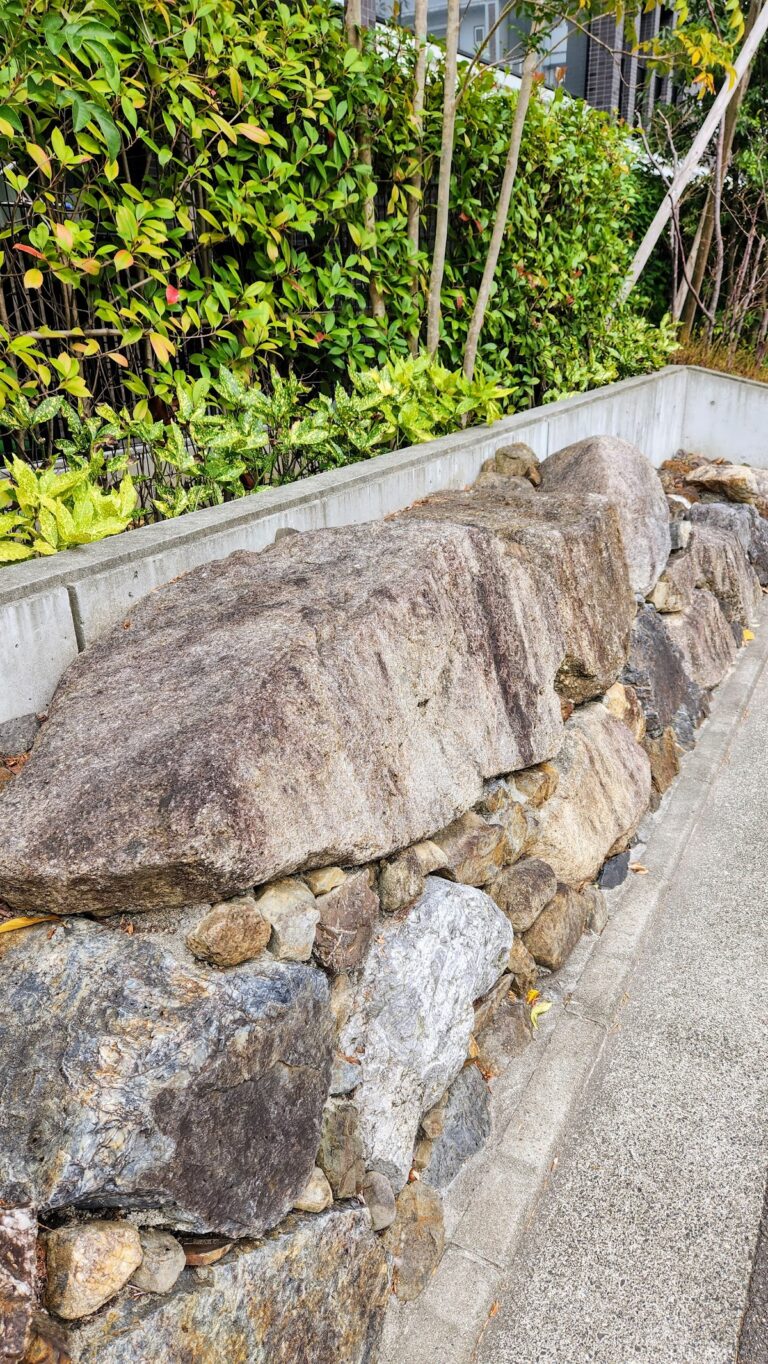
In the 2015 excavation survey, stone walls were discovered in the central part of the castle grounds. This discovery was important evidence that Shizuki Fushimi Castle had the structure of a full-fledged castle.
Regarding the keep, although the detailed structure is unknown, it is thought to have been built during the renovation into a full-fledged castle. It is presumed to have been a structure that embodied the best of Hideyoshi’s castle-building techniques.
Use of Gold Leaf Tiles
Numerous gold leaf tiles were unearthed during the excavation survey. Gold-leaf roof tiles were a symbolic building material representing the prestige of the Toyotomi regime, indicating that Shizuki Fushimi Castle was not merely a retirement residence but a center of power.
The excavated gold-leaf roof tiles are diverse in type, suggesting they were used according to the status and purpose of the building. These tiles are noteworthy as artifacts reflecting both Hideyoshi’s aesthetic sense and his display of power.
The Keicho Fushimi Earthquake and the Castle’s Collapse
On July 13th, Bunroku 5 (1596, later changed to Keicho 1), a massive earthquake struck the Kyoto area. This is known as the “Keicho Fushimi Earthquake.”
This earthquake caused extensive damage to Shizuki Fushimi Castle, with the main keep and other major structures collapsing. According to contemporary records such as the “Gonkei-kyo Ki,” there were numerous casualties within the castle. While Hideyoshi himself was unharmed, some of his close retainers and ladies-in-waiting were victims.
The collapse of Shizuki Fushimi Castle is thought to have been partly due to the weak ground conditions in the Shizuki area. It is presumed that the earthquake’s shaking was amplified because of its low-lying location near the Uji River.
Relocation to Kohatayama Fushimi Castle
Following the collapse of Shizuki Fushimi Castle, Hideyoshi decided to rebuild it. However, to avoid further earthquake damage, he decided to move the castle site from Shizuki to Kohatayama, north of Shizuki.
Kohatayama was higher in elevation than Shizuki, and its ground was more solid. The third phase of Fushimi Castle (Kohatayama Fushimi Castle) was built on this site, near the present-day tomb of Emperor Meiji. This castle is the one generally known as “Fushimi Castle.”
Kohatayama Fushimi Castle was completed as an even larger fortress than Shizuki Fushimi Castle and served as Hideyoshi’s residence until his death in 1598. It is believed that some of the building materials from Shizuki Fushimi Castle were reused in the construction of Kohatayama Fushimi Castle.
Results of the Excavation
History of the Investigation
Full-scale excavations of the Shizuki Fushimi Castle site were conducted from the late Showa period to the Heisei period in conjunction with residential development and the construction of public facilities. The area is included within the archaeological site of Fushimi Castle from the Azuchi-Momoyama period, and a prior archaeological survey of buried cultural properties is mandatory before development.
The Kyoto Prefectural Archaeological Research Center, the Kyoto City Archaeological Research Institute, and private research institutions have conducted surveys, contributing to the elucidation of the true nature of Shizuki Fushimi Castle.
Major Discoveries
The following important remains and artifacts have been confirmed through the excavation:
Boat Landing Remains: A large moat, reaching a depth of 20 meters, was found on the eastern side of the castle grounds. This facility was used for boat transport from the Uji River. A boat landing of this scale is particularly noteworthy for a castle of that era.
Stone Walls: The stone walls discovered in the central part of the castle grounds during the 2015 survey physically proved the existence of Shizuki Fushimi Castle as a full-fledged fortress. The construction techniques of the stone walls utilized the latest technology of the time.
Gold Leaf Tiles: A wide variety of gold leaf tiles have been unearthed, indicating the luxuriousness of the building. Analysis of the patterns and manufacturing techniques of the tiles has provided information about the castle’s construction period and the character of the building.
Ceramics: Numerous high-quality ceramics, including Chinese celadon and white porcelain, and domestically produced tea ceremony ware, have been unearthed. These are thought to reflect Hideyoshi’s interest in tea ceremony culture.
On-site Briefings
When important discoveries are made, on-site briefings are held to make the survey results public. These briefings provide an opportunity to widely publicize the historical value of Shizuki Fushimi Castle.
Excavation survey reports have also been published and are used as specialized research materials. These reports play an important role as fundamental materials for research on Shizuki Fushimi Castle.
Historical Significance of Shizuki Fushimi Castle
As a Base of the Toyotomi Regime
Shizuki Fushimi Castle holds a significant position in the history of the Toyotomi regime as the place where Toyotomi Hideyoshi conducted his political affairs in his later years. The Bunroku Campaign (the invasion of Korea) was also commanded from this castle.
It is believed that important political decisions of the Toyotomi regime, such as the shift in government policy after the birth of Hideyori and the establishment of relationships with various daimyo, were made at this castle.
A Masterpiece of Castle Construction Technology
Shizuki Fushimi Castle was a castle that embodied the pinnacle of castle construction technology of the Azuchi-Momoyama period. Cutting-edge technology of the time was incorporated, including stone wall construction techniques, water facilities such as boat landings, and architectural styles using gold-leaf tiles.
These technologies influenced later castles such as Kohatayama Fushimi Castle and Edo period castle architecture. Shizuki Fushimi Castle can be evaluated as a part of technological innovation in the history of Japanese castles.
Records of Earthquake Disaster
The collapse caused by the Keicho Fushimi Earthquake is an important record in the history of disasters in Japan. The fact that a castle, a symbol of power, was destroyed by a natural disaster had a profound impact on the people of that time.
This experience led to a recognition of the importance of ground conditions in selecting castle sites, and ultimately resulted in the decision to relocate to Kohatayama. It has historical significance as an example of applying lessons learned from a disaster.
Current Status of Shizuki Fushimi Castle Site
Current State of the Site
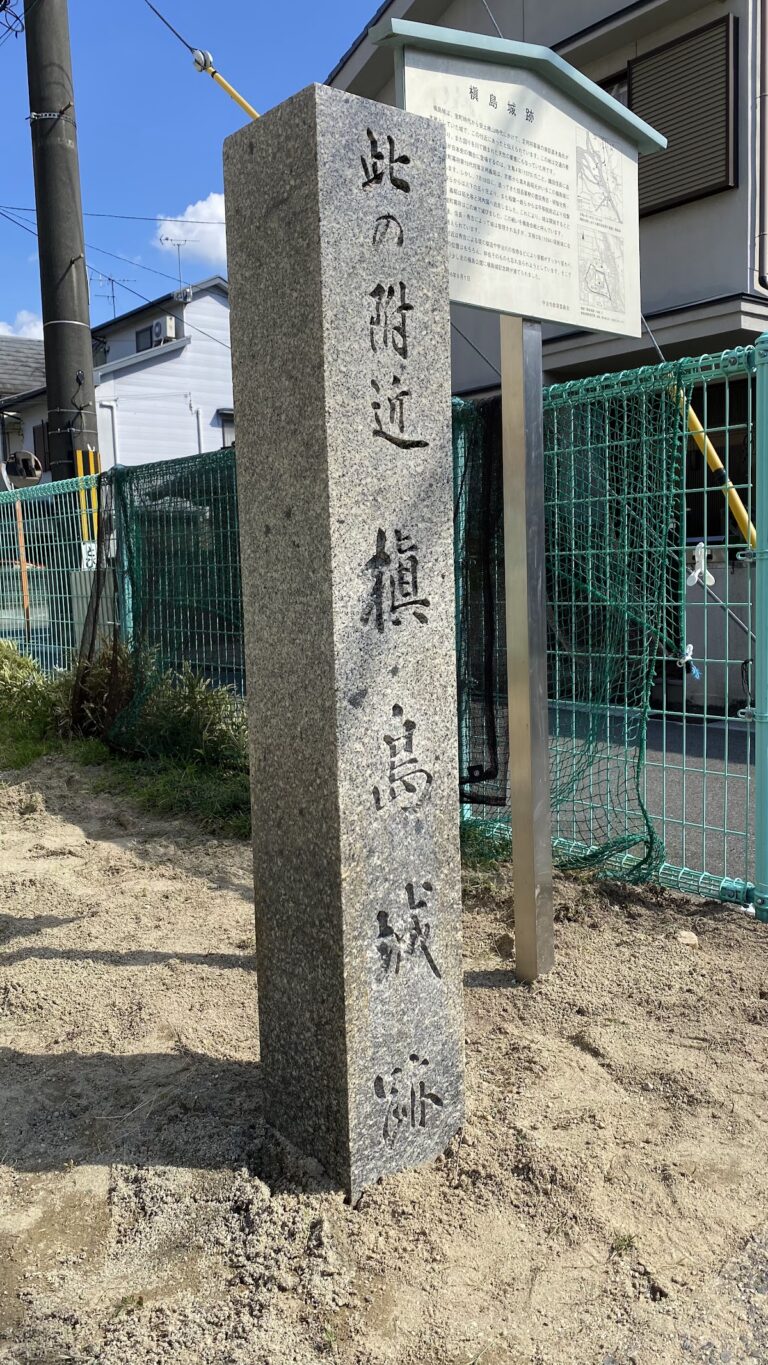
Currently, the site of Shizuki Fushimi Castle is occupied by residential areas and public facilities, and there are almost no traces of the castle visible above ground. With the construction of housing complexes such as Kangetsubashi and the Kinki Regional Finance Bureau Momoyama Joint Dormitory, it is difficult to imagine the castle’s former appearance.
However, many remains from that time are well preserved underground, and new discoveries continue to be made through archaeological excavations accompanying development.
Visitor Guide
When visiting the Shizuki Fushimi Castle site, the nearest station is Kangetsubashi Station on the Keihan Electric Railway. The area around the station is the central part of the castle grounds, but as mentioned earlier, no remains of the castle exist above ground.
Visiting the nearby Fushimi Momoyama Castle (a replica keep) and the Meiji Emperor’s Mausoleum (the site of Kohatayama Fushimi Castle) together will help you understand the changes in Fushimi Castle. When studying the history of Fushimi, it is important to be aware of the development from Shizuki Fushimi Castle to Kohatayama Fushimi Castle.
Related Facilities
Within Fushimi Ward, there are numerous historical sites related to Fushimi Castle and Toyotomi Hideyoshi. Gokonomiya Shrine was considered important as a protector against evil spirits from the northeast of Fushimi Castle, and its main gate (an important cultural property), which is said to have been relocated from Fushimi Castle, remains.
Museums and historical sites in Kyoto City sometimes display gold-leaf tiles and ceramics unearthed during archaeological excavations. Through these exhibits, you can get a glimpse of the true nature of Shizuki Fushimi Castle.
Relationship between Shizuki-Fushimi Castle and Other Castles
Relationship with Jurakudai
Shizuki-Fushimi Castle functioned as Hideyoshi’s base of operations, replacing Jurakudai. Jurakudai was handed over to Hideyoshi’s nephew, Hidetsugu, and subsequently demolished during the Hidetsugu Incident. However, Hideyoshi had already placed great importance on Shizuki-Fushimi Castle before that.
It has been suggested that some of the building materials from Jurakudai may have been reused in Shizuki-Fushimi Castle. Both castles shared a continuity as centers of the Toyotomi regime.
Relationship with Yodo Castle
There is a legend that the keep of Shizuki-Fushimi Castle was relocated to Yodo Castle after the Keicho-Fushimi Earthquake. While the veracity of this legend is debated, it is considered highly probable that building materials from Shizuki-Fushimi Castle were reused in other castles.
Yodo Castle was built for Hideyoshi’s concubine, Yodo-dono (Chacha), and its relationship with Shizuki-Fushimi Castle is an interesting research topic. ### Continuity with Kohatayama Fushimi Castle
Although located in different places, Shizuki Fushimi Castle and Kohatayama Fushimi Castle must be understood as a continuous fortress. Kohatayama Fushimi Castle is a “relocated and rebuilt” version of Shizuki Fushimi Castle, and its functions and political role were inherited.
The reason why both castles are collectively referred to as “Fushimi Castle” lies in this continuity. Research on Shizuki Fushimi Castle is essential for understanding Kohatayama Fushimi Castle.
Current Status and Challenges of Shizuki Fushimi Castle Research
Research Progress
Thanks to the accumulation of recent archaeological excavations, the true nature of Shizuki Fushimi Castle is gradually becoming clearer. While it was once considered a “phantom castle” with an unknown history, research based on specific remains and artifacts is now possible.
The discovery of stone walls definitively proves that Shizuki Fushimi Castle was a full-fledged fortress. Further investigations are expected to provide a clearer overall picture of the castle.
Future Challenges
Many challenges remain in the study of Shizuki Fushimi Castle. Numerous points need to be clarified, including the precise boundaries of the castle grounds, the layout of buildings, and the details of defensive structures.
In particular, there is very little information available regarding the structure and size of the keep. A comprehensive study combining historical documents and archaeological evidence is necessary.
Furthermore, there is room for research into the daily life of the residents of Shizuki Fushimi Castle and the appearance of the castle town. Detailed analysis of excavated artifacts is expected to allow for attempts to reconstruct the lifestyle and culture of the time.
Preservation and Utilization
Since the majority of the Shizuki Fushimi Castle site is now residential, coordinating the preservation of the ruins with development is a crucial issue. Many points need to be considered, such as methods for preserving important remains if they are identified, and methods for opening the site to the public.
From the perspective of utilizing the ruins, digital technology-based restoration and the development of experiential content using VR/AR are also possibilities. The challenge for the future is how to communicate the invisible ruins to the public.
Summary
Shizuki Fushimi Castle was a fortress built by Toyotomi Hideyoshi in his later years. Although it existed for only a few years, it holds a significant place in the history of Japanese castles. Its development from a retirement residence to a full-fledged castle demonstrates Hideyoshi’s political intentions and advanced castle-building techniques.
It met a dramatic end with its collapse during the Keicho Fushimi Earthquake, but its legacy was passed on to Kohatayama Fushimi Castle. Recent archaeological excavations have confirmed remains such as stone walls and boat landings, as well as artifacts like gold-leafed roof tiles, gradually revealing the true nature of Shizuki Fushimi Castle.
Although the site is now a residential area and no traces remain above ground, the remains lying underground are a valuable historical legacy that conveys the splendor of the Toyotomi regime. With further discoveries expected through future research, Shizuki Fushimi Castle is an indispensable site for understanding Japanese history.