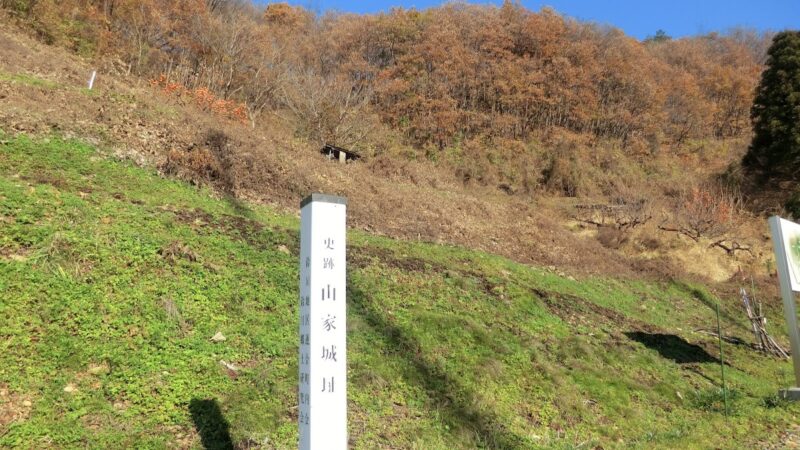
Complete Guide to Shinjo Castle: A Thorough Explanation of the 243-Year History of the Tozawa Clan and the Highlights of Mogami Park
What is Shinjo Castle?: The Residence of the 68,200-Koku Shinjo Domain
Shinjo Castle is a flatland castle located in Horibata-cho, Shinjo City, Yamagata Prefecture. It was an important fortress that functioned as the political, economic, and cultural center of the Shinjo Domain throughout the Edo period. Built in 1625 by Tozawa Masamori, the founder of the Shinjo Domain, it served as the residence of 11 generations of the Tozawa clan for 243 years, becoming the center of Shinjo Domain’s administration.
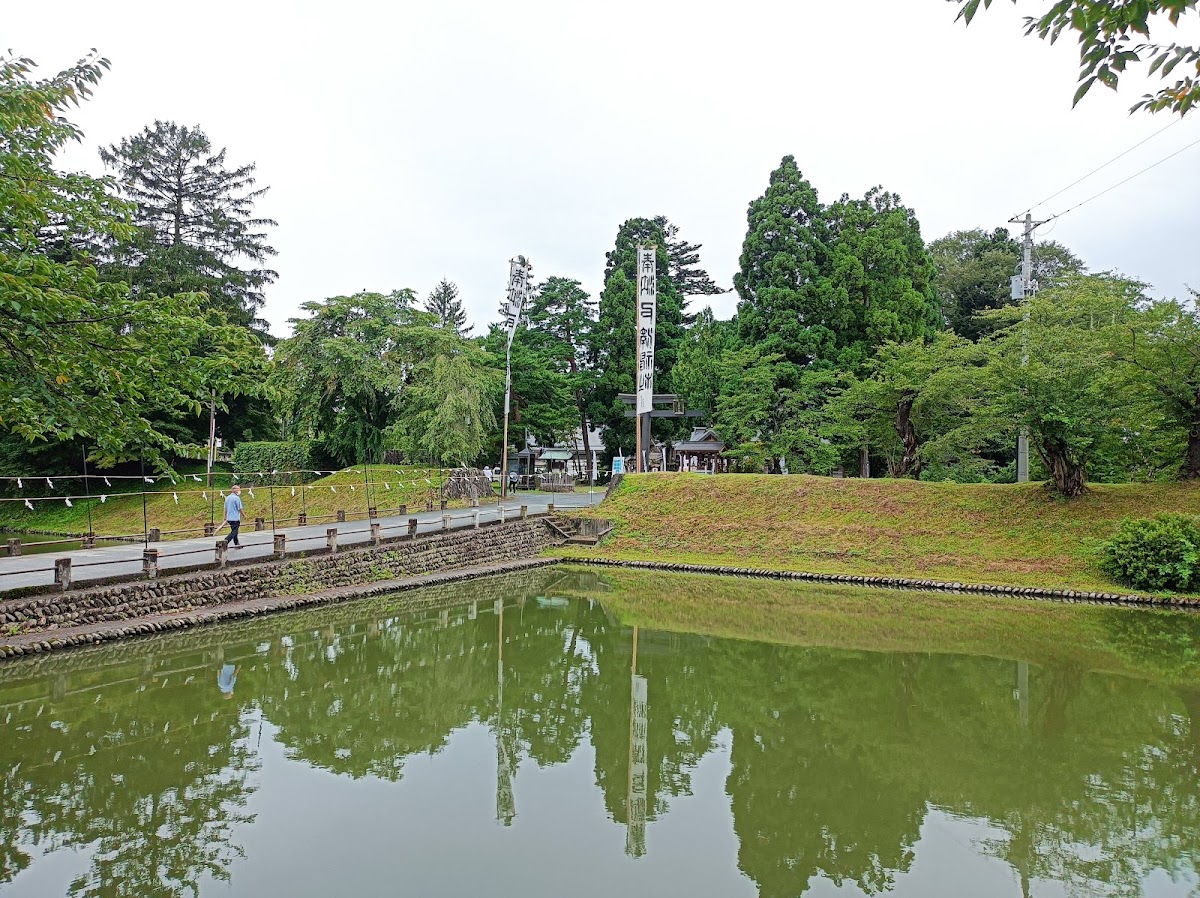
The Shinjo Domain initially had a 60,000-koku domain, but this was later increased to 68,200 koku, and it developed into a strategic point in the Mogami region. Currently, it is a popular park for citizens and is preserved as a city-designated historical site. Tozawa Shrine, Tenman Shrine, and Gokoku Shrine are enshrined on the site of the main keep, and the original moats and stone walls still convey its former appearance.
History of Shinjo Castle: From Construction to Destruction
Construction by Tozawa Masamori (1625)
The construction of Shinjo Castle began when Tozawa Masamori was transferred from Matsuoka in Hitachi Province to the Shinjo domain in Mogami District. Masamori began construction in March of the second year of the Kan’ei era (1625), establishing his residence in a strategically important location in the center of the Shinjo Basin.
It is believed that Torii Tadamasa (lord of Yamagata Castle), Masamori’s brother-in-law, was in charge of the castle’s layout. Torii Tadamasa was known as a master castle builder, and his skills were utilized in the design of Shinjo Castle. The castle was completed as a sturdy flatland castle with a double moat, utilizing the Sashikubino River as a natural outer moat.
243 Years of Rule by the Tozawa Clan
From the first lord, Masamori, to the eleventh lord, Masazane, the Tozawa clan ruled the Shinjo domain for 243 years. The Tozawa family was originally a powerful clan in Akita Prefecture. During the Sengoku period, they were based in Ogachi District, Dewa Province. Following the Battle of Sekigahara, they were transferred to Matsuoka in Hitachi Province as part of the rewards and punishments, and later settled in Shinjo.
Throughout the Edo period, Shinjo Castle functioned as the political center of the Shinjo Domain, and the castle town also flourished. The Tozawa family focused on developing their territory, promoting land reclamation and industrial development. Culturally, Noh theater and the tea ceremony were encouraged, and a thriving castle town culture blossomed.
The Boshin War and the Burning of Shinjo Castle (1868)
In 1868 (Keio 4), when the Boshin War broke out, the Shinjo Domain sided with the new government. However, fierce fighting ensued with the Shonai Domain, which was a member of the Ouetsu Reppan Alliance. In August of the same year, Shinjo Castle fell under attack from the Shonai forces, and the entire town was burned down.
This battle brought an end to the 243-year history of Shinjo Castle. All structures, including the keep, turrets, and palace, were destroyed by fire, and only parts of the stone walls and moats remain today.
Structure and Layout of Shinjo Castle
Characteristics as a Flatland Castle
Shinjo Castle was built as a typical flatland castle. A flatland castle is a castle built on flat land, and unlike mountain castles or hill castles, it is difficult to utilize the natural terrain for defense. Therefore, it emphasizes artificial defensive structures such as moats and stone walls.
Its location in the center of the Shinjo Basin offered the convenience of being a transportation hub, but required careful consideration in terms of defense. Therefore, a defensive system centered on water moats was constructed, including a triple moat system and the use of the Sashikubino River as a natural outer moat.
Arrangement of the Main Bailey, Second Bailey, and Third Bailey
The layout of Shinjo Castle was a ring-shaped structure with the main bailey at the center, and the second and third baileys arranged around it. A distinctive feature is the arrangement of a small second bailey (Ninokuruwa) parallel to the south of the main bailey (Honmaru), resembling an outwork. The third bailey (Sannomaru) surrounded the outside of this second bailey.
The Honmaru was the central part of the castle, housing the lord’s residence and government offices. The current locations of Tozawa Shrine, Tenman Shrine, and Gokoku Shrine are the former site of the Honmaru. A particularly strong stone wall was built at the southwest corner of the Honmaru, making it an important defensive stronghold.
The second bailey played a supporting role to the Honmaru, housing the residences of senior retainers and government offices. The third bailey further surrounded these, with samurai residences lining the area.
Structure of Moats and Stone Walls
The key to Shinjo Castle’s defense was its double moat system. The inner moat surrounded the Honmaru and second baileys, while the outer moat surrounded the outside of the third bailey. These moats were always filled with water, drawn from the Sashikubino River.
The stone walls were built around the main keep, and some remain in good condition today. The stone wall at the southwest corner of the main keep is particularly impressive, demonstrating the high level of castle-building technology of the time. The stonework combines both rough-hewn and fitted stonework techniques, characteristic of the early Edo period.
Current Shinjo Castle Site (Mogami Park)
Development as Mogami Park
Since the Meiji era, the Shinjo Castle site has been developed into a park. In the early Meiji period, Shinjo School and the county assembly hall were built on the site of the main keep, but these were later removed. Currently, it is Mogami Park, a place of relaxation for citizens.
Numerous cherry trees are planted within the park, making it a popular spot for cherry blossom viewing in spring. A promenade is also maintained around the moat, allowing visitors to enjoy the changing seasons. The name Mogami Park originates from the fact that this area was once the center of the Mogami region.
Value as a City-Designated Historic Site
Shinjo Castle Ruins are protected as a Shinjo City-designated historic site. Although the buildings were destroyed in the Boshin War, the remains such as the moats and stone walls remain in good condition, making it a valuable cultural asset that conveys the appearance of an Edo-period castle.
In recent years, efforts have been made to preserve and utilize the remains, including the restoration of the stone walls and the installation of information boards. Furthermore, the Shinjo City History Center has a wealth of materials and exhibits related to Shinjo Castle, allowing visitors to learn more about the castle’s history.
Three Shrines Located on Shinjo Castle Ruins
Tozawa Shrine: The Tozawa Family’s Clan Shrine
Tozawa Shrine is located on the site of the main keep and serves as the clan shrine of the Tozawa family, the lords of the Shinjo Domain. It was founded in the Meiji era to commemorate the achievements of the Tozawa family. The enshrined deities are the ancestral gods of the Tozawa family and successive lords of the domain, with the first lord, Masamori, being the principal deity.
While the shrine’s main building is relatively new, numerous stone monuments and memorials related to the Tozawa family are erected on the grounds, allowing visitors to reflect on the 243-year history of the Tozawa clan. Every year, a festival associated with the Tozawa family is held, and it is cherished by the local community.
Tenman Shrine: Prefecturally Designated Building
Tenman Shrine is dedicated to Sugawara no Michizane, the god of learning, and its main building is designated as a Yamagata Prefecture designated building. This building is a valuable structure that retains the architectural style of the late Edo period and is one of the few buildings that escaped the ravages of the Boshin War.
The building’s architectural style is Gongen-zukuri, and its beautiful carvings and coloring demonstrate the high level of craftsmanship of the time. The dragon carvings on the front of the building are particularly magnificent and attract the attention of many visitors. It is also known as a place where many students visit to pray for success in their exams during exam season.
Gokoku Shrine: Commemorating War Dead
Shinjo Gokoku Shrine is a shrine dedicated to those from Shinjo City who died in wars since the Boshin War. Located in a corner of the former main keep site, it offers a serene atmosphere for commemorating the fallen soldiers.
Every year, a memorial service is held, attended by bereaved families and citizens to pray for the repose of the souls of the war dead. A memorial monument inscribed with the names of the war dead stands on the grounds, serving as a place to convey the tragedy of war and the preciousness of peace.
Highlights of Shinjo Castle
Main Keep Site and Stone Walls
The greatest highlight of Shinjo Castle is the main keep site and the stone walls remaining around it. While the main keep site is now the grounds of Tozawa Shrine, Tenman Shrine, and Gokoku Shrine, one can still appreciate the former size of the main keep.
In particular, the stone wall at the southwest corner of the main keep is well-preserved, with a height of approximately 5 meters, retaining its original appearance. By observing the construction methods and materials used in the stone walls, you can learn about the castle building techniques of the early Edo period. From the top of the stone walls, you can enjoy a panoramic view of Shinjo city and appreciate the castle’s scenery.
Remains of the Moat
Parts of Shinjo Castle’s moat still remain, allowing visitors to imagine its former appearance. The inner moat surrounded the main keep, creating a beautiful landscape filled with water. The moat is believed to have been approximately 15 to 20 meters wide and about 3 meters deep.
A promenade is maintained around the moat, allowing visitors to enjoy a stroll. In spring, the cherry blossoms along the moat are in full bloom, creating a beautiful scene reflected on the water’s surface. The moat is also home to carp and waterfowl, making it a rich natural environment.
Information Boards and Surrounding Area Maps
Several information boards explaining the history and structure of Shinjo Castle are installed within Mogami Park. These boards include old maps, photographs, and illustrations, allowing for a visual understanding of Shinjo Castle.
A large map of the surrounding area is installed, especially near the main entrance to the castle, which is helpful for understanding the overall layout of the castle and the relative locations of the various facilities. Individual explanatory signs are also installed at major ruins, providing detailed information.
Collaboration with Shinjo City History Center
To gain a deeper understanding of Shinjo Castle, a visit to the nearby Shinjo City History Center is recommended. The history center displays models of Shinjo Castle, old drawings, and excavated artifacts, allowing visitors to systematically learn about the castle’s history.
The reconstructed model of Shinjo Castle is particularly well-made, allowing visitors to understand the castle’s appearance before it burned down in three dimensions. The center also features extensive exhibits on the Tozawa family and the history of the Shinjo domain, providing insight into the development of Shinjo as a castle town.
Access and Tourist Information for Shinjo Castle
Access Method
Access to Shinjo Castle Ruins (Mogami Park) is very convenient, approximately a 15-minute walk from JR Shinjo Station. Shinjo Station is the terminal station of the Yamagata Shinkansen, making it easily accessible from Tokyo. The path from the station to the park is flat and easy to walk.
If you are coming by car, it is about 10 minutes from the Shinjo Interchange on the Tohoku Chuo Expressway. There is a free parking lot near the park with space for about 50 cars. However, during peak seasons such as cherry blossom season, the parking lot may be full, so it is advisable to consider using public transportation.
Visiting Hours and Fees
Mogami Park is open to the public, and admission is free. There are no restrictions on visiting hours, and you can freely stroll around from early morning until late at night. However, since lighting is limited at night, it is recommended to visit during daylight hours.
Visiting Tozawa Shrine, Tenman Shrine, and Gokoku Shrine is also free, and there are no fees. However, the shrine offices have limited opening hours, so if you wish to receive a Goshuin (shrine stamp), you should check in advance.
Nearby Tourist Attractions
There are many other tourist attractions around the Shinjo Castle ruins. In front of Shinjo Station is a complex called “Yumeria,” which houses a tourist information center, souvenir shops, restaurants, and more. Another highlight is the Shinjo Hometown History Center, where the floats from the Shinjo Festival are displayed.
Shinjo City retains remnants of former samurai residences and merchant buildings, allowing visitors to experience the atmosphere of a castle town. Furthermore, the surrounding area boasts abundant tourist attractions, including boat trips down the Mogami River and the natural beauty of the Mogami Gorge.
Annual Events and Festivals
Mogami Park hosts various events and festivals throughout the year. The most famous is the spring cherry blossom festival, where approximately 300 cherry trees bloom, attracting many visitors. The trees are also illuminated at night, creating a magical atmosphere.
In August, the Shinjo Festival is held, with magnificent floats parading through the city. This festival is registered as a UNESCO Intangible Cultural Heritage, attracting many tourists from all over Japan. In autumn, the autumn foliage is beautiful, and in winter, visitors can enjoy the tranquil atmosphere amidst the snowy landscape.
Efforts toward the Reconstruction and Restoration of Shinjo Castle
Current Status of Historic Site Preservation
Currently, Shinjo City is focusing on the preservation and utilization of the Shinjo Castle ruins. The remains, such as the moats and stone walls, are regularly surveyed and restored, and efforts are being made to maintain their good condition. In particular, the stone walls are surveyed by experts, and restoration work is carried out as needed.
Because it is designated as a city-designated historical site, development activities are restricted, and the protection of the remains takes priority. Furthermore, archaeological excavations are continuously conducted, and any new discoveries are made public as they occur.
Restoration Concepts and Challenges
Various concepts have been considered for the reconstruction of Shinjo Castle’s structures. However, due to the loss of detailed blueprints and documents caused by the fire, accurate restoration is difficult. The significant cost required for reconstruction is also a challenge.
Currently, no large-scale reconstruction plan has materialized, but new utilization methods using new technologies, such as improving information boards and recreating the castle’s appearance in its heyday using VR/AR, are being considered. In the future, the restoration of some of the buildings and the development of an exhibition facility showcasing the castle’s overall structure are also anticipated.
Historical Significance of Shinjo Castle
Political Center of the Mogami Region
Shinjo Castle played a crucial role as the political center of the Mogami region throughout the Edo period. The Shinjo Domain controlled the northern part of the Mogami region and occupied a strategically important position as a key point for accessing the Shonai region and Akita.
Under the rule of the Tozawa clan, Shinjo developed as a castle town and became a center of commerce and culture. In particular, it flourished as a hub for the Mogami River shipping route and a center for the collection and distribution of goods. Shinjo Castle was a symbol of this regional development and a core element of the Mogami region’s identity.
The Boshin War and Modernization of Tohoku
The fall of Shinjo Castle during the Boshin War marked a significant turning point in the modernization of the Tohoku region. Although the Shinjo Domain sided with the new government, it suffered the tragedy of losing its castle in battle with the Shonai Domain. This event illustrates the complexity of the Boshin War in the Tohoku region and the significant impact it had on local communities.
After the war, Shinjo was rebuilt as a modern city, establishing its position as a transportation hub through the opening of railways and other developments. While the burning of Shinjo Castle was tragic, it also served as a catalyst for Shinjo’s modernization.
Summary: The Charm and Future Prospects of Shinjo Castle
Shinjo Castle is an important fortress that has witnessed the 243-year history of the Tozawa clan, and it remains a popular attraction as Mogami Park. Although the buildings were lost in the Boshin War, the remains such as moats and stone walls are well-preserved, conveying the appearance of an Edo-period castle.
The Tozawa Shrine, Tenman Shrine, and Gokoku Shrine, located on the site of the main keep, each have different histories and significance, symbolizing the history and culture of Shinjo. In particular, the Tenman Shrine building, a prefecturally designated building, is protected as a valuable cultural asset.
Further preservation and utilization of the Shinjo Castle site are expected in the future. Beyond the proper preservation of the historical remains, various initiatives are possible, including utilizing new technologies for information dissemination and enhancing its appeal as a tourist resource. Passing on the history and value of Shinjo Castle to future generations is a crucial responsibility for us.
When you visit Shinjo, be sure to stroll through Mogami Park and reflect on the history of Shinjo Castle. The 243-year story told by the moats and stone walls, and the history of tragedy and reconstruction during the Boshin War, will surely leave a lasting impression.