Complete guide to the history and highlights of Noda Castle | Mikawa Castle, the place where Takeda Shingen fell
Noda Castle is located in Ujima-cho, New City, and is the site of a fort with a long history. It was also known as `Mikawa Noda Castle'' or `Negoya Castle,” which was the place where Shingen fell during the war. Full text summary of Noda Castle, from its construction to the present, comprehensive details, and important military roles.
Noda Castle Overview
Noda Castle is located on a flatland fort in Ujima-cho, New Castle City, on a mountain hill along the shore of the Uri River, a tributary of the Jianyu River. The castle tower is located on a plateau approximately 100 meters above sea level, and the strategic location is excellent, making it an important transportation hub.
Basic information
- Point: Aishiku Xincheng City, Fujima Town
- Other names: Mikawanoda Castle, Negoya Castle, Kaminoyama Castle
- Construction year: 2nd year of Yongzheng (1505)
- Constructor: Eimura Suganuma
- Castle Fortress Structure: Mountain Castle
- Recent train station: JR Noda Line Noda Castle Station (walking time approximately 15 minutes)
The castle fort was named after Noda Castle Station on the JR train line, and the area has been recognized as an important historic site.
History of Noda Castle
Built by the Yosuganuma clan
Noda Castle was built in 1505. The Suganuma clan was a powerful local owner of Mikawa Province, and was also known as the Noda Suganuma clan. Since the Suganuma clan’s generation, it has been the seat of the castle, and has been the main ruler of the eastern part of Mikawa.
Mr. Suganuma was appointed and influenced by Mr. Imagawa, however, he maintained a certain degree of independence. During the time of the war, the Imagawa clan and Wamatsudaira clan (later the Tokugawa clan) were well maintained and their own survival.
Yoimagawa clan’s lineage
In the 16th century, in the eastern part of Mikawa district, the Imagawa clan was in charge of the power of the Imagawa clan, and Noda Joya was under the control system. At that time, the castle lord, Suganuma Hiromitsu, was a former subordinate of Imagawa, and the Imagawa clan played a key role in Mikawa’s restraint.
In 1560, during the war between Imagawa and Narrow Space, the commander of the chain was killed, and the battle in Mikawa Province ended. Following the rapid decline of the Imagawa clan, Tokugawa Ieyasu (then known as Matsudaira Motoyasu) was founded in Mikawa, and Tokugawa Ieyasu’s continued expansion took place at Noda Castle.
Yotokugawa Ieyasu’s series
After the decline of the Imagawa clan, the Suganuma clan was established and Tokugawa Ieyasu took over. The Suganuma clan played an important role in assisting Tokugawa Ieyasu during the course of Mikawa Province. Noda Castle was one of Tokugawa Ieyasu’s most important points in the eastern part of Mikawa, and it was also an important cornerstone of the Takeda clan’s resistance there.
Takeda Shingen invades Noda Castle
The most important event in the history of Noda Castle was the Battle of Noda Castle during Takeda Shingen’s Western Expedition, which began in 1572.
The beginning of the West Expedition
In October 1572, Takeda Shingen’s 25,000-man army began to invade the Tokugawa clan’s territory. The final goal of the West Expedition was to transfer Nobunaga Tadashi and Ieyasu Tokugawa’s army directly to Kyoto.
The Takeda army invaded the eastern part of the country (the western part of the modern region), and occupied the forts such as Fortress Castle. In December of the same year, the Tokugawa-Kitai Army was defeated during the Battle of Mikata. After the historical victory, the Takeda army invaded Mikawa Province.
Noda Castle
In January 1573, Takeda Shingen began his attack on Noda Castle. The lord of the castle at that time was Hiromitsu Suganuma, and the castle was guarded by approximately 500 famous soldiers. However, the Takeda Army’s military strength was strong, and the number of soldiers was between 15,000 and 20,000, and the military strength was excellent.
The Takeda military commander and Noda Castle’s troops resided there and began the attack. Suganuma’s light directed towards Tokugawa Ieyasu’s search and expansion, and the Tokugawa army suffered disastrous losses during the war in the Mikata Plains, was exhausted, and was unable to dispatch troops.
The progress of the castle town
The garrison army was under the leadership of Suganuma Akiko, lack of military resources, and brave resistance. Noda Castle’s solid defense construction was used by others, and the Takeda Army’s many retreats continued to attack. However, the military strength in Yuyu was excellent, the time spent in the castle was long, the food in the castle, the arrows, etc. were exhausted.
The Takeda army continued to attack with force, and the construction of the outside of the castle was completed, and the castle was destroyed. Over the course of the month, the battle was fierce, with Suganuma’s decision to surrender at the end of February.
The truth behind Takeda Shingen’s injury
The most famous incident during the Battle of Noda Castle was the injury of Takeda Shingen to Moyo. During the story, Shingen, the leader, and others finally died when the child was ejected inside the castle.
This is the name of the law, the most famous bird in the castle, the right hand of the god, the one who was aiming at Shingen’s main body during the night, and the other person’s chest or abdomen. However, there is a lack of legal records, and it is universally acknowledged that Shingen died of an illness.
However, the fact is that the Empress of Noda Castle was under attack, and the Shingen fleet was stationed on a western expedition, returning to Kai Province, and passed away on April 12, 2013, in Shin-Han Province (now Naga-no-gun). However, the direct cause of death was the direct cause of death at Noda Castle, however, according to historical records, this fort was Shingen’s last post.
History of the fall of Noda Castle
After the fall of Noda Castle, the Takeda clan entered the military, but after the death of Shingen, the Takeda army withdrew. Afterwards, the castle was returned to Tokugawa Uji no Te.
In 1575, the Takeda clan suffered a disastrous defeat during the war, and its military power in Mikawa Province disappeared, and the Tokugawa clan took control of Noda Castle’s prison.
After the Edo period
In 1590, Tokugawa Ieyasu was appointed to the Eastern District of Mikawa Province as a feudal lord. Noda Castle was lost and the military was defeated.
During the Edo period, Noda Castle was officially built and lost its function as a fortress. The ruins of the castle were destroyed by the forest, which disappeared for a long time during the month.
Noda castle structure
Clothing Bureau
Noda Castle was built as a plain fort on a hill on the banks of the Yuki River, and was built using the natural topography of the area. The main castle tower is located on a plateau approximately 100 meters above sea level, and the castle is built around 4 times in Fukaya. Noda Castle’s layout:
- Honmaru: The central area of the fortress, the residence of the owners and the location of important facilities.
- Second line: The second road defense line of the main enclosure.
- Sannomaru: Outer castle tower, residence of vassals, and other construction sites.
- Negoya: Area at the base of the mountain, residence of samurai and commercial center.
The name “Negoya Castle” comes from the name of Negoya.
Defense construction
Noda Castle Kangu medieval fortress special expedition, and defense construction at the same time and in the war period:
- Dry city river: The city wall is built and the fortress is dug, and the key to prevent enemy invasion is to prevent the enemy from entering.
- Hijikata construction: The defense ability of the construction of the castle in Kawachi.
- 围墙: A multi-layered defense system consisting of a multi-tiered tile.
- Tiger Mouth: Prevent enemy entry into the castle gate.
Although he was imitating Noda Castle, he was able to make good use of the Japanese topography, and was able to use Takeda Shingen’s great army for a month.
Geographical strategic importance
Noda Castle is located on the main road of the eastern part of Mikawa Province and the eastern part of the country, and is an important strategic and peace-building location for mission development. In addition to this, you can benefit from transportation by waterway of the Urakawa River, transportation by transportation of goods.
Moreover, Noda Castle can be seen, the surrounding roads can be viewed from above, and the movement of military forces can be seen. This is the key to the strategy of the most powerful military commander, General Takeda Shingen, who attacked Noda Castle and conquered the west.
Current status of Noda Castle
Castle Fort Site Preservation Status
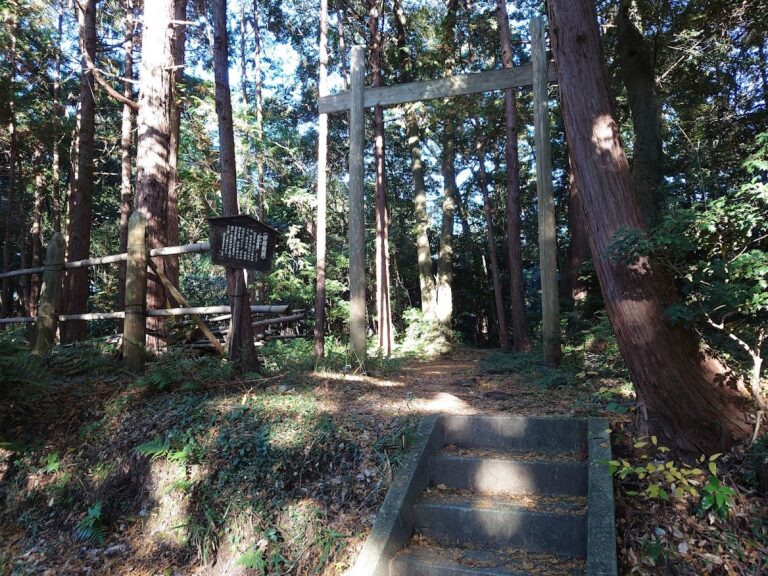
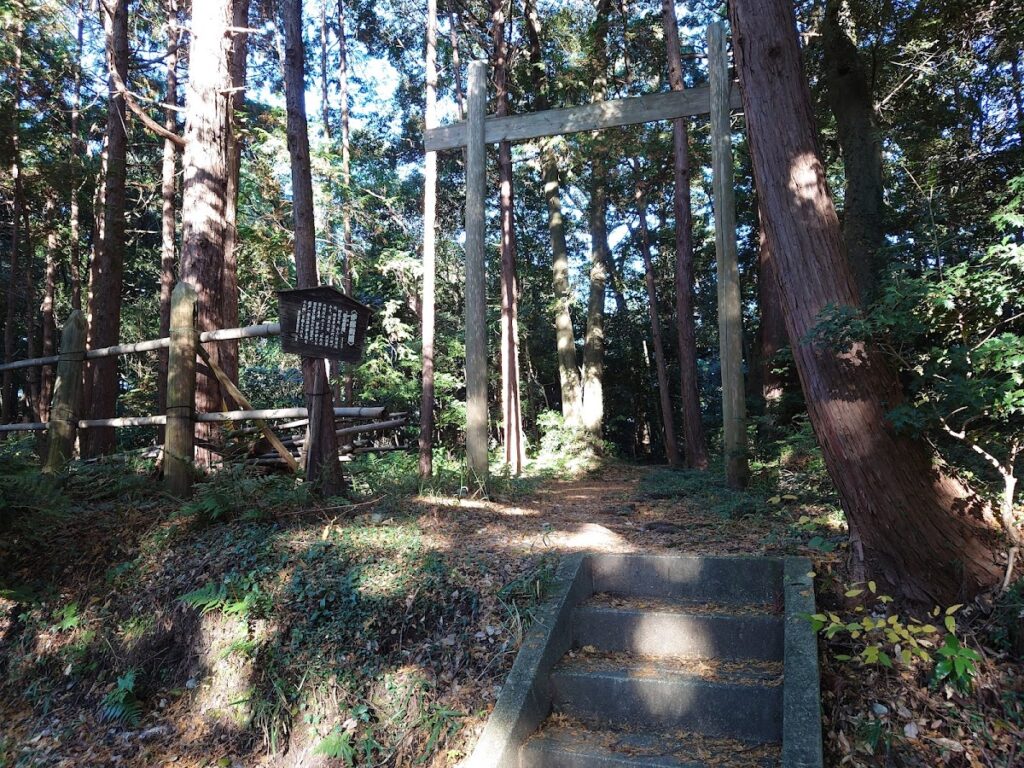
Right now, Noda Castle Site has been designated as Shinshiro City Historical Site, and its name is “Noda Castle Site”. The remains of the castle fort, the castle tower, the dried-up castle, the construction of Kawa Hijikata, etc., and the image of the ancient Japanese appearance of the envoy.
Specially, the castle tower and surrounding area are dry, and the construction of Kawa Hijikata’s construction is in good condition, and it is a treasure trove of medieval castle fort construction. However, the ruins of the buildings still remain, and the stone monuments are still intact, and the main civil engineering works are still in place.
Transportation and visitor information
The transportation method at the former Noda Castle site is as follows:
- Fire car: Travel time approximately 15 minutes from JR Yaden Line Noda Castle Station
- Self-driving: Departing from the New East and Mei Expressway, New City Interchange Road, about a 15-minute drive. There is a parking lot near the castle fortress site.
City gates are free to open, no demand is allowed. However, the design of the shoes is short, but the design is perforated to suit your needs.
Scenery details
Main castle site
The central part of the castle fort is where the main fort remains, a flat piece of open space in the middle of the castle. This is the main address and other important construction locations. The owner’s castle can be located with a bird’s-eye view of the surrounding area, and the strategic location of the castle fort.
Dried-out castle Kawa Hijikata construction
The construction of Kawa Castle’s construction is Noda Castle’s most important monument. The extent of defensive works was carried out at the time when the river was drying up several meters deep. Due to the construction work on the ground, it is possible to see the fort in a more direct manner.
Information tile Japanese explanation tile
Information on the fort’s site, information on the history and history of Noda Castle. Other parties have a detailed understanding of Takeda Shingen’s military role and the Suganuma clan’s military history, as well as a deeper understanding of the Noda Castle ruins.
The historical past of Yotake Shingen Sokan
Surrounding the ruins of Noda Castle, there is a monument to commemorate Takeda Shingen’s attack in the same year, and other damage points since then. This is a must-visit place for lovers of history.
Zhoukan Xiangguan History Museum
When I visited Noda Castle, I also visited the history of the construction:
- Long Castle Castle Site:Because of its long history and famous castle castle site, the distance is about 20 minutes by car from Noda Castle.
- Shotehara Old Battlefield: The main battleground of the long history, currently a theater historical park, a group of fire-fighting performances.
- Shimotawara Museum of History, Shinshiro City: Historical history of the country’s wars since the time of the war.
Together, we will take a look at some of the scenic spots, and get a more in-depth understanding of the war in the Mikawa area.
Local use
The new city was founded by the commander Noda Castle, and the construction of the local history and culture. Regular visits to the city fortress guide activities, local history lovers’ association also conducts peace and security work. In addition, every May, the urban area surrounding the Noda Castle ruins is called the “New City Race” – one car drive. It is possible to have a unique history of traditional cuisine and contemporary exchanges.
Yonoda Castle Sokan-like person
Suganuma Takamura
He was the builder of Noda Castle and the founder of the Noda Suganuma clan. The fort was built in 1505 and was built by the commander himself. Mr. Suganuma’s work is a powerful regional leader in Mikawa, and plays an important role in local political and military affairs.
Hiromitsu Suganuma
In 1573, when Takeda Shingen attacked Noda Castle, he also became the lord of Noda Castle. The other 500 famous soldiers, the strength of resistance, the Takeda Army in recent months, an extraordinary battle has emerged. After the fall of Noda Castle, Tokugawa Ieyasu became a senior vassal of the Tokkawa clan.
Tokugawa Ieyasu was a highly recognized and highly-respected loyalist, and in the future, he was a direct vassal of the Shogunate’s military. After the other times, the effectiveness of the Tokugawa clan was due to the end of the time.
Takeda Shingen
He is also a feudal lord of the Kai province during the war, a commander with the greatest voice and reputation, and the honorable “Tora of Kai”. During his westward expedition, which began in 1572, Takeda Shingen attacked and captured Noda Castle, but he continued to serve in other battles and was the last to fight.
After conquering Noda Castle, she became immortal, became ill, and passed away midway through her return. There is one kind of law, and other causes of death that occurred during Noda Castle’s life were important.
Ieyasu Tokugawa
Tokugawa Ieyasu was a feudal lord in Mikawa Province during the War, and later became the number one general in the Shogunate. The Suganuma clan at Noda Castle was an important vassal of Ieyasu, and Noda Castle was the Tokugawa clan’s most important vassal in Mikawa Province. During Takeda Shingen’s Western Expedition, Yuyu suffered a disastrous defeat during the battle of Mikatahara, and Noda Castle was ineffectively strengthened. However, after the death of Shingen, Noda Castle was established and the restrictions were imposed in Mikawa Province.
Cultural significance of Noda Castle
Takeda Shingen’s strange ending
Noda Castle occupied a special position in the history of the Japanese Empire, which meant that it was “Takeda Shingen’s ultimate vital region.” Since Takeda Shingen’s arrival, the famous Takeda army, which was attacked in Kyoto, was attacked by Oshiro (also known as Oshiro), and finally led by other people.
In this case, it is possible to overcome the weak and be victorious, or to play with the destiny of fate.
Historical importance of the area
During the historical period in the eastern part of Mikawa Province, Noda Castle was an unavoidable historical monument. It was the residence of the Suganuma clan, and was later a battleground between the Tokugawa clan and the Takeda clan, and the area where Noda Castle was conquered during the war period.
The new castle is located in the Oku-Kumi River area, the human rights efforts are comprehensive, the Noda Castle is located in the area during the war, and the travel resources that were established during the war were established, and the history and culture of the area was introduced.
Castle Fortress Research Center
Noda Castle is an important research site and is a medium-sized plains fort typical of the period of the War. The reason for this exhibition has been completed during the medieval period, and the special expedition during the period of the country’s time and the period of special conquests was carried out by researchers. Due to the geological fortress structure (stoneless burial mound), the use of natural and topographical distribution, special expeditions were carried out throughout the medieval period.
Overview
Noda Castle is located here and is the site of a historical castle fortress in the new castle, the last military headquarters of Takeda Shingen, and one of the most famous military camps in Japan. The castle was built in 1505 in the eastern part of Mikawa Province, and was an important military force.
In 1573, when Takeda Shingen attacked Noda Castle, Yusuganuma’s 500 brave soldiers resisted the military for a month. Takeda Shingen’s reputation was due to his injuries during the battle, his death after his death, and the place where Noda Jōya passed away, which is an important historical fact.
As of today, the ruins of Noda Castle have been preserved, and the castle tower has been preserved, and the castle and pond have been preserved for a long time. You can arrive at the JR Railway Station Noda Castle Station immediately, because this place is not a hot destination for people who love history, but it is also a good place to go on a leisurely walk.
Noda Castle is an important site of historical significance, and it is also an important historical site of Mikawa Province’s military history. Visit the area and other historical sites nearby, learn about the castle, and explore the history of the area.