A Thorough Explanation of Nakamura Castle’s History and Highlights | Two Famous Castles in Tosa and Mutsu Provinces
In the history of Japanese castles, the name “Nakamura Castle” actually refers to two different castles. One is Nakamura Castle in Tosa Province (also known as Tamamatsu Castle), located in Shimanto City, Kochi Prefecture. The other is Soma Nakamura Castle in Mutsu Province (also known as Baryo Castle), located in Soma City, Fukushima Prefecture. This article provides a detailed explanation of both Nakamura Castles, including their history, structure, current state, and a visitor’s guide.
##Table of Contents
- Nakamura Castle in Tosa Province (Shimanto City, Kochi Prefecture)
- Nakamura Castle in Soma, Mutsu Province (Soma City, Fukushima Prefecture)
- Comparison and Characteristics of Both Castles
- Visitor Guide and Access Information
History of Nakamura Castle in Tosa Province (Shimanto City, Kochi Prefecture)
Transition from Medieval to Early Modern Period
Nakamura Castle in Tosa Province is a hilltop castle site located in Marunouchi, Shimanto City, Kochi Prefecture, and is a designated historical site of Shimanto City. Built on a hill (Tamematsuyama) approximately 90 meters above sea level, this castle played an important role as the political and military center of western Tosa from the medieval to the early modern period.
Construction by the Tamematsu Clan and Early History
The origin of Nakamura Castle is believed to be its construction strongly by the Tamematsu clan. The Tamematsu clan was a local family in Tosa and ruled this area. Initially, four castles, known as “Higashijo,” “Tamematsujo,” “Gojo (Tsume),” and “Imajo,” stood in a row on the hillside, collectively referred to as “Nakamura Castle.” This powerful interconnected structure retains the characteristics of medieval castles.
The Era of the Tosa Ichijo Clan
The most important turning point in the history of Nakamura Castle was the arrival of former regent Ichijo Norifusa in Tosa. The Ichijo clan, having moved from Kyoto, settled in Hata District of Tosa to escape the chaos following the Onin War, establishing Nakamura as their base. The Ichijo clan brought Kyoto culture to Tosa, and Nakamura developed as “Tosa’s Little Kyoto.”
Under the Ichijo clan’s rule, Nakamura Castle undertaken significant renovations, and the castle town was also developed. The Ichijo clan ruled Nakamura for five generations, wielding considerable power as a daimyo in western Tosa. However, towards the end of the Sengoku period, Ichijo Kanesada was invaded by Chosokabe Motochika and was driven out to Iyo in 1575.
Rule by the Yamauchi Clan
After the Battle of Sekigahara, Yamauchi Kazutoyo entered Tosa Province and built Kochi Castle as his residence. Yamauchi Yasutoyo, Kazutoyo’s younger brother, was stationed at Nakamura Castle and entrusted with governing western Tosa as the Nakamura Yamauchi clan. Yasutoyo became the lord of Nakamura Castle in 1601 and renovated the castle.
However, with the “One Castle Per Province” decree of 1615, Nakamura Castle was abandoned. This brought an end to the approximately 400-year history of Nakamura Castle.
Structure and Remains of Nakamura Castle in Tosa Province
Castle Structure
Nakamura Castle was built as a flatland castle, utilizing the Shimanto River as a natural moat. The main keep, second bailey, and third bailey were situated on a hill approximately 90 meters above sea level, and their defenses were fortified with earthen ramparts and baileys.
The interconnected castle structure is characteristic of the transitional period from medieval to early modern castles. While stone walls were used in some areas, the main defensive structures were earthen ramparts.
Current Remains
Currently, the Nakamura Castle site has been developed into “Tamematsu Park,” a place of relaxation for citizens. The park contains the following historical remains and facilities:
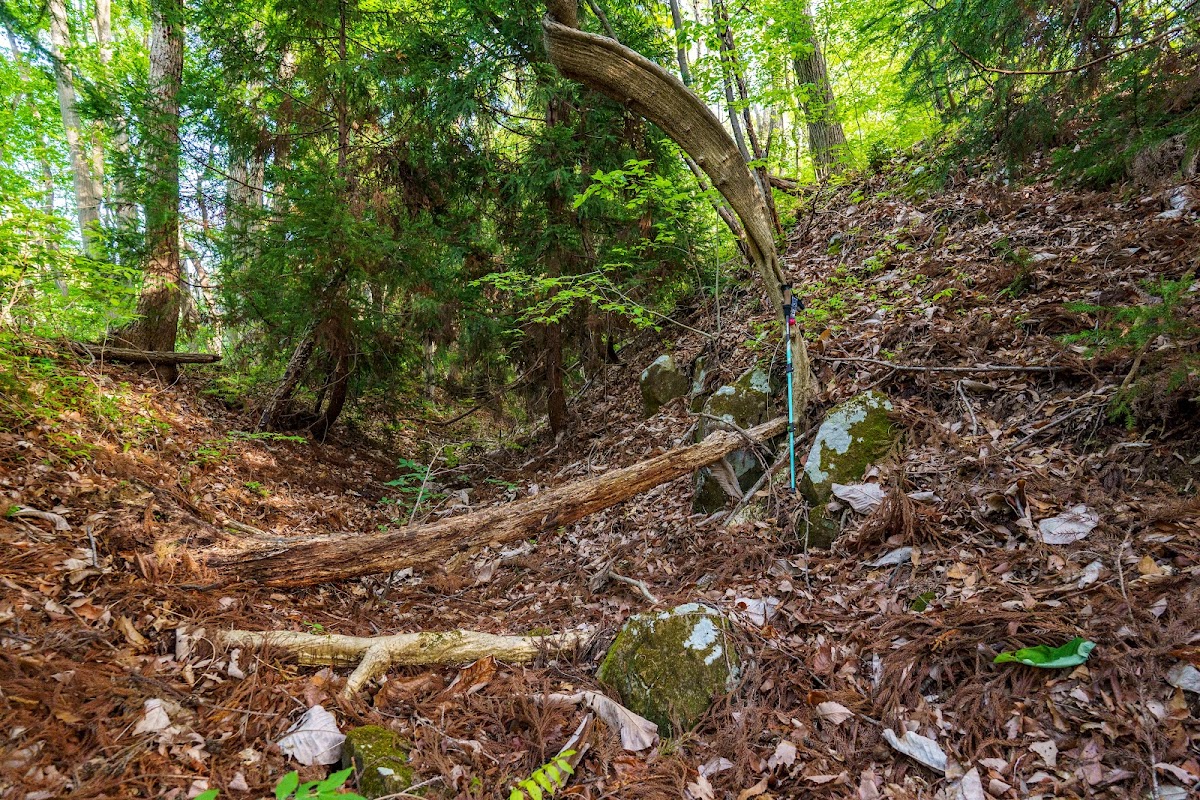
- Earthworks: A portion of the earthworks used as a defensive structure for the castle remains in good condition.
- Enclosures: The sites of the main keep, second enclosure, and third enclosure can be identified.
- Replica Keep: A replica keep, built in the Showa era, stands on the site of the second enclosure and is currently used as the Shimanto City Local History Museum.
- Stone Monuments: Information boards and stone monuments conveying the history of the castle are installed.
Shimanto City Local History Museum
The replica keep, built on the site of the second enclosure, is a Showa-era structure, but it functions as the Shimanto City Local History Museum, where visitors can learn about Nakamura Castle and the history of western Tosa. The museum houses materials related to the Ichijo and Yamauchi clans, as well as exhibits conveying the history of Nakamura.
History of Soma Nakamura Castle in Mutsu Province (Soma City, Fukushima Prefecture)
The Soma Clan and the Construction of Nakamura Castle
Soma Nakamura Castle (also known as Baryo Castle), located in Soma City, Fukushima Prefecture, was built in 1611 by Soma Toshitane. The Soma clan was a prestigious family that had existed since the Kamakura period. Previously, they resided at Odaka Castle, but decided to build a new castle in Nakamura, a location more suitable for defense.
As the Center of Domain Administration
From its construction until its abandonment in the early Meiji period, Nakamura Castle served as the center of domain administration for approximately 260 years, serving as the residence of successive generations of the Soma clan. As the administrative center of the Soma Nakamura Domain, it functioned as a center of politics, economy, and culture, and the castle town also developed.
Throughout the Edo period, the Soma clan ruled the Soma Nakamura Domain as a daimyo with a 60,000 koku (unit of rice production) domain. The castle underwent several renovations, strengthening its function as a modern castle.
Alternate Name: Baryojo Castle
Soma Nakamura Castle is also known by the alternative name “Baryojo Castle.” This name is thought to originate from the castle’s location and the deep connection between the Soma clan and horses. The Soma clan ruled a region known for its horse breeding since ancient times and is famous for the traditional Soma Nomaoi festival.
Meiji Restoration and Abandonment
After the Meiji Restoration, the Soma Nakamura Domain was abolished due to the abolition of the feudal system, and the castle was abandoned. While many of the buildings were demolished, some remains still exist.
Structure and Remains of Soma Nakamura Castle in Mutsu Province
Castle Structure
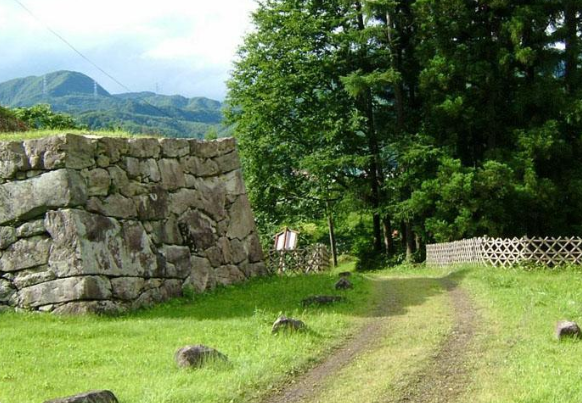
Soma Nakamura Castle was built as a hilltop castle, utilizing the Udagawa River as a natural moat. The main keep was at the center, with the second and third baileys arranged around it, and its defenses were fortified with earthworks and stone walls.
It possesses characteristics of a modern castle, reflecting early Edo period castle construction techniques such as the systematically arranged baileys and the use of stone walls.
Current Remains and Baryo Park
Currently, the Nakamura Castle ruins are maintained as “Baryo Park” and are designated as a Fukushima Prefecture Historic Site. The park contains the following remains and facilities:
- Earthworks: Earthworks used as defensive structures for the castle are preserved in good condition.
- Stone Walls: Some stone walls remain, conveying the appearance of a modern castle.
- Moat Remains: Traces of dry and water moats can be seen.
- Baileys: The layout of the main bailey, second bailey, and third bailey can be inferred from the topography.
- Information Boards: Information boards explaining the history and structure of the castle are installed.
Connection to the Soma Nomaoi Festival
Soma Nakamura Castle has a deep connection with the “Soma Nomaoi Festival,” which is designated as a National Important Intangible Folk Cultural Property. This festival originated from the military training of the Soma clan and is still held grandly every July. The area around the castle ruins is one of the important stages of the festival.
Comparison and Characteristics of the Two Castles
Similarities
Nakamura Castle in Tosa Province and Soma Nakamura Castle in Mutsu Province share the following similarities:
- Hilltop Castles: Both castles are hilltop castles utilizing hilly terrain.
- Utilization of Rivers: The Shimanto River and Uda River were used as natural moats.
- Long-Term Use: Both castles were used for a long period from the medieval to the early modern period.
- Currently Parks: Both castle sites are now developed as parks and are popular with local residents.
- Cultural Property Designation: Each is designated as an important historical site in its respective region.
Differences
On the other hand, there are also the following differences:
| Item | Nakamura Castle, Tosa Province | Soma Nakamura Castle, Mutsu Province |
|——|————–|——————-|
| Location | Shimanto City, Kochi Prefecture | Soma City, Fukushima Prefecture |
| Alternate Names | Tamamatsu Castle | Baryo Castle |
| Main Lords | Tamamatsu clan, Ichijo clan, Yamauchi clan | Soma clan |
| Construction Period | Medieval period (details unknown) | 1611 |
| Abandonment Period | 1615 (One Castle Per Province Decree) | Early Meiji period |
| Duration of Existence | Approximately 400 years | Approximately 260 years |
| Current Name | Tamamatsu Park | Baryo Park |
| Characteristic Facilities | Replica Castle Tower (Local History Museum) | Soma Nomaoi Related Facilities |
Visiting Guide to Nakamura Castle, Tosa Province
Access Information
Location: Marunouchi, Shimanto City, Kochi Prefecture
Public Transportation:
- Approximately 15 minutes on foot from Nakamura Station on the Tosa Kuroshio Railway
- Approximately 5 minutes by taxi from Nakamura Station
By Car:
- Approximately 50 minutes via National Route 56 from Shimanto-cho Chuo IC on the Kochi Expressway
-Parking available (free)
Points to note during your visit
- Shimanto City Local History Museum: Please check opening hours and closing days in advance. An admission fee is required.
- Earthworks and Enclosures: You can observe the remains of medieval and early modern castles while strolling through the park.
- Famous Cherry Blossom Spot: Known as a famous cherry blossom spot in spring, it is bustling with visitors enjoying the blossoms.
- Viewpoint: From the replica castle tower, you can enjoy a panoramic view of Shimanto city and the Shimanto River.
Nearby Attractions
- Shimanto River: Enjoy river rafting and canoeing on the Shimanto River, known as Japan’s last pristine river.
- Ichijo Shrine: A shrine dedicated to the Tosa Ichijo clan.
- Nakamura Townscape: A historical townscape known as the “Little Kyoto of Tosa.”
Visitor Guide to Soma Nakamura Castle, Mutsu Province
Access Information
Location: Nakamura, Nishiyama, Soma City, Fukushima Prefecture
Public Transportation:
- Approximately 20 minutes on foot from Soma Station on the JR Joban Line
- Approximately 5 minutes by taxi from Soma Station
By Car:
- Approximately 10 minutes from Soma IC on the Joban Expressway
-Parking available (free)
Points to Note
- Earthworks and Stone Walls: The well-preserved earthworks and stone walls are a must-see.
- Information Boards: The castle has comprehensive information boards explaining its history and structure in detail.
- Soma Nomaoi Festival: Visiting during the Soma Nomaoi festival in July allows you to enjoy both the festival and the castle ruins simultaneously.
- Park Stroll: You can stroll through the ruin castles while enjoying the changing seasons.
Nearby Attractions
- Soma Shrine: A shrine dedicated to the tutelary deity of the Soma clan.
- Soma City Museum: A museum where you can learn about the history of the Soma clan and the Soma Nakamura Domain.
- Matsukawaura: A lagoon known for its scenic beauty.
Cultural Value of Nakamura Castle
Historical Significance
Both Nakamura Castles played important historical roles in their respective regions. Tosa Province Nakamura Castle served as the political and cultural center of western Tosa, while Mutsu Province Soma Nakamura Castle served as the base of the Soma domain’s administration, greatly contributing to regional development.
Preservation as Cultural Properties
Both castle ruins are preserved and utilized as important cultural properties of the region. Nakamura Castle in Tosa Province is a designated historical site of Shimanto City, and Nakamura Castle in Soma, Mutsu Province, is a designated historical site of Fukushima Prefecture. Both are properly managed and preserved.
Regional Identity
Nakamura Castles are an important element of regional identity in their respective areas. In Shimanto City, they are a cultural heritage of the Ichijo clan, and in Soma City, they are a historical heritage of the Soma clan, representing a source of local pride.
Summary
The name “Nakamura Castle” refers to castle ruins located in two separate areas: Shimanto City in Kochi Prefecture and Soma City in Fukushima Prefecture. Each possesses its own unique history and characteristics, and is preserved today as an important cultural asset of the region.
Nakamura Castle in Tosa Province saw successive changes in its lords—the Tamamatsu clan, the Tosa Ichijo clan, and the Yamauchi clan—and served as the center of western Tosa for approximately 400 years. Currently, it is maintained as Tamamatsu Park, and the Shimanto City Local History Museum, located within a replica of the castle tower, offers a glimpse into the region’s history.
Soma Nakamura Castle in Mutsu Province served as the residence of the Soma clan for 260 years and functioned as the center of their domain’s administration. Currently, it is maintained as the Baryo Park, and along with the traditional Soma Nomaoi festival, it continues to convey the region’s history.
Both castles retain valuable remains that show the transition from the medieval to the early modern period, making them important historical sites for understanding the history of Japanese castles. When visiting, understanding the unique history and cultural background of each castle will lead to a deeper and more meaningful experience.
We hope that exploring the castle ruins will provide an opportunity to connect with Japanese history and culture and rediscover the charm of the region.