Nagahama Castle (Nagahama City, Shiga Prefecture) Complete Guide | The History and Highlights of Toyotomi Hideyoshi’s Castle of Success
Nagahama Castle, standing on the shores of Lake Biwa in Nagahama City, Shiga Prefecture, is a historic castle where Toyotomi Hideyoshi, the unifier of Japan, first became the lord. The current keep was restored in 1983 through donations from citizens, and the interior is open to the public as the Nagahama Castle History Museum. This guide thoroughly introduces the charm of Nagahama Castle, from its history and highlights to access methods, as it was the starting point of Hideyoshi’s rise to power.
History of Nagahama Castle | The Castle that Became the Starting Point of Hideyoshi’s Success
Construction History and the Naming of “Nagahama”
The history of Nagahama Castle dates back to 1573. Hashiba Hideyoshi (later Toyotomi Hideyoshi), a senior retainer of Oda Nobunaga, was granted three counties in the northeastern part of Lake Biwa (Sakata, Asai, and Ika) – the former territory of the Asai clan – for his achievements in attacking Asai Nagamasa.
Hideyoshi began construction of the castle around 1574, and renamed the area, then called “Imahama,” to “Nagahama,” incorporating a character from his lord Oda Nobunaga’s name. This name demonstrated Hideyoshi’s loyalty to Nobunaga and his hope for the development of the new castle town.
Construction using materials from Odani Castle
In constructing Nagahama Castle, Hideyoshi made extensive use of materials from Odani Castle, the former residence of the Asai clan. He efficiently transported stone walls and timber using Lake Biwa’s water transport system, thus advancing the construction process efficiently. This practical approach is characteristic of Hideyoshi’s later castle architecture.
The castle was built as a flatland castle facing Lake Biwa, and possessed the characteristics of a water castle, utilizing Lake Biwa as a natural moat. The keep was built to jut out into Lake Biwa, strategically positioned to control a key point of lake transportation.
Development of Nagahama Castle and its Castle Town during Hideyoshi’s Era
Hideyoshi began full-scale castle town management using Nagahama Castle as his base. This was Hideyoshi’s first experience of managing a territory and a crucial experience that laid the groundwork for his later unification of Japan.
Hideyoshi introduced the Rakuichi-rakuza system (free markets and guilds), promoting the development of commerce and industry. He also relocated merchants and artisans from the castle town of Odani to Nagahama, developing the foundation of the castle town. The town layout formed during this period forms the basis of the present-day Nagahama city center.
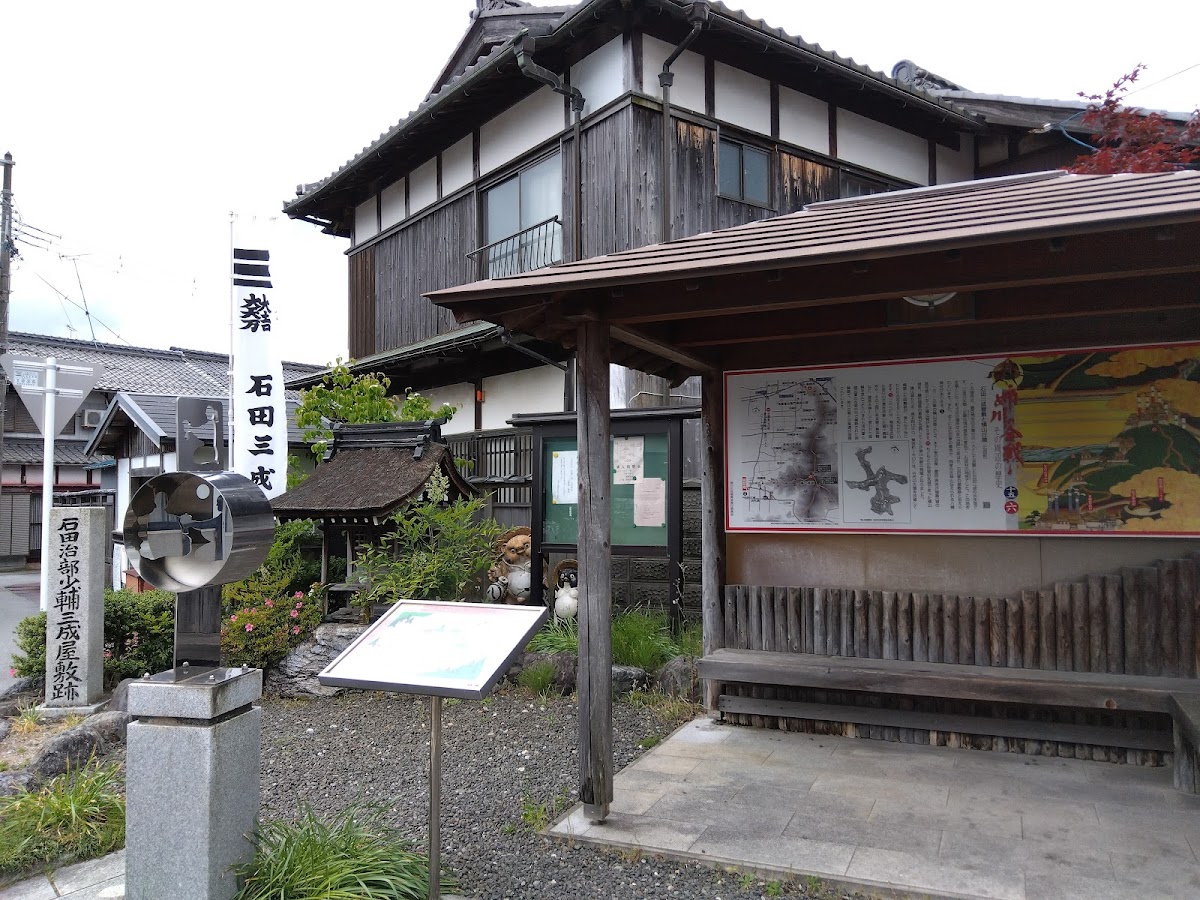
During his time at Nagahama Castle, Hideyoshi discovered and employed future important retainers such as Ishida Mitsunari and Otani Yoshitsugu. In particular, there is a legend that Ishida Mitsunari was discovered by Hideyoshi in the town of Nagahama, making Nagahama a place where Hideyoshi scouted for talent.
Successive Castle Lords and Yamauchi Kazutoyo
In 1583, after his victory at the Battle of Shizugatake, Hideyoshi left Nagahama Castle and began construction of Osaka Castle. Subsequently, the following lords took up residence in Nagahama Castle:
Successive Lords of the Castle:
- Hashiba Hideyoshi (circa 1574-1583)
- Shibata Katsutoyo (1583-1585)
- Yamauchi Kazutoyo (1585-1590)
- Naito Nobunari and Nobumasa (1606-1615)
Of particular note is that Yamauchi Kazutoyo, who later became the first lord of the Tosa Domain, served as the castle lord. Kazutoyo ruled as the lord of Nagahama Castle for five years, and it is said that the famous episode of his wife Chiyo’s “supportive role” occurred during this period.
Abandonment of the Castle and Relocation of Remains
After the Battle of Sekigahara in 1600, Nagahama became a direct territory of the Tokugawa family and was governed by a magistrate. In 1606, Naito Nobunari and Nobumasa became the lords of Nagahama Castle. However, when the Naito clan was transferred to Takatsuki in Settsu Province in 1615, Nagahama Castle was abandoned.
After its abandonment, a large amount of Nagahama Castle’s materials were reused in the construction of Hikone Castle. It is said that buildings such as the keep and turrets, as well as stones from the stone walls, were transported and repurposed for structures such as the Tenbin Turret and the Nishinomaru Three-Storied Turret of Hikone Castle. Furthermore, a portion of the castle gate was relocated and repurposed as the main gate of Daitsuji Temple, and still retains its original appearance in Nagahama City today.
After its abandonment, only a few stone walls and a well remained at the site of Nagahama Castle, and for a long time, its former appearance was lost to the public.
Current Nagahama Castle | Showa Era Restoration and History Museum
Restoration Driven by Citizen Enthusiasm
In 1983 (Showa 58), Nagahama Castle was restored as “Showa Shinjo” (Showa New Castle) thanks to the passionate desire and donations of citizens who wanted to “build Hideyoshi’s Nagahama Castle.” This restoration project was realized through donations from over 10,000 citizens, symbolizing their deep affection for the region’s history.
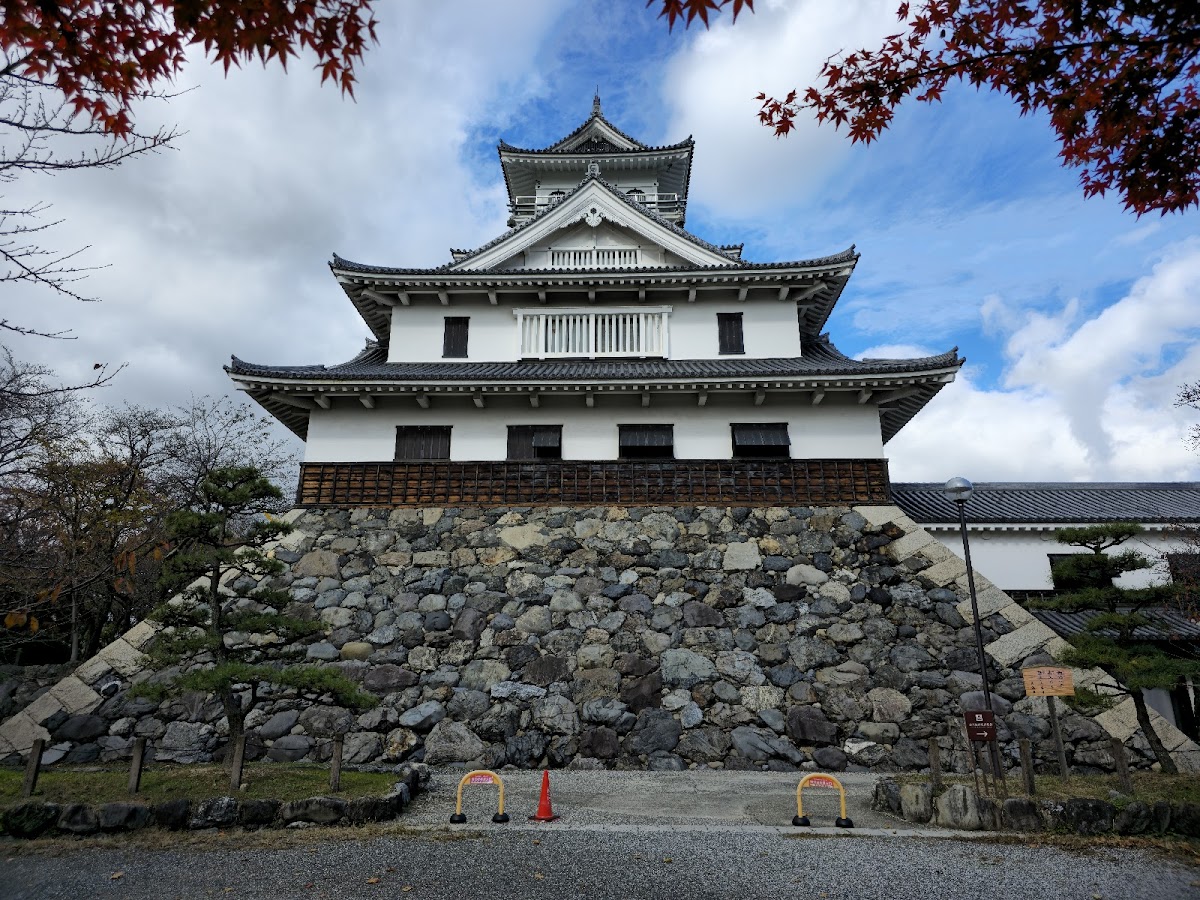
Due to the scarcity of historical records, the restored keep adopted a watchtower-style design, modeled after early Azuchi-Momoyama period keeps such as Inuyama Castle, with historical records in mind. The exterior is a three-story, four-tiered keep, and its beautiful appearance facing Lake Biwa has made it a beloved symbol of Nagahama City.
Exhibits at the Nagahama Castle History Museum
The interior of the restored Nagahama Castle is open to the public as the Nagahama Castle History Museum. The museum features exhibits introducing the Sengoku period history of the Kohoku region and the history and culture of Nagahama, focusing on Hideyoshi’s time in Nagahama.
Main Exhibition Themes:
- Hideyoshi’s Nagahama Period: Exhibits materials from Hideyoshi’s time as lord of Nagahama Castle and his management of the castle town.
- Sengoku History of Kohoku: The history of Sengoku warlords associated with the Kohoku region, such as Asai Nagamasa, Shibata Katsuie, and Ishida Mitsunari.
- Nagahama Castle Town Culture: Exhibits showcasing Nagahama’s commercial and townspeople culture, which has continued since the Edo period.
- Special Exhibitions: Seasonal special exhibitions delving into diverse themes.
Each floor displays valuable materials, weapons, and historical documents related to Hideyoshi and Nagahama, and is equipped with audio guides and video materials.
Spectacular Views from the Top Floor of the Castle Tower
One of the biggest highlights of the Nagahama Castle History Museum is the view from the top floor of the castle tower. Enjoy a 360-degree panoramic view of the magnificent scenery of Lake Biwa.
Scenic Viewpoints:
- Lake Biwa: The beautiful surface of Lake Biwa stretching out before you, and the scenery on the opposite shore.
- Chikubu Island: The mystical appearance of the island floating in Lake Biwa.
- Mount Ibuki: The shape of Shiga Prefecture’s highest mountain visible in the distance.
- Nagahama City: The townscape of the castle town spreading out below.
The sunset over Lake Biwa at dusk is particularly spectacular, making it a popular photo spot for many tourists.
Highlights of Nagahama Castle and Surrounding Facilities
Exploring Toyo Park and the Castle Ruins
Nagahama Castle is located within Toyo Park. Toyo Park is a park developed on the site of Nagahama Castle, offering a relaxing place to enjoy the beautiful scenery of Lake Biwa.
Highlights of Toyo Park:
- Famous Cherry Blossom Spot: In spring, approximately 600 Somei Yoshino cherry trees bloom, making it one of Japan’s Top 100 Cherry Blossom Viewing Spots.
- Lake Biwa Shore Promenade: A promenade is maintained along the lakeshore, allowing visitors to enjoy the scenery of the lake.
- Statue of Hideyoshi: A bronze statue of Toyotomi Hideyoshi stands within the park.
- Fountain Square: A popular spot in summer where children enjoy playing in the water.
Remaining Structures
Although most of the remains of Nagahama Castle were lost after its abandonment, a few traces of its former glory can still be seen.
Existing Remains:
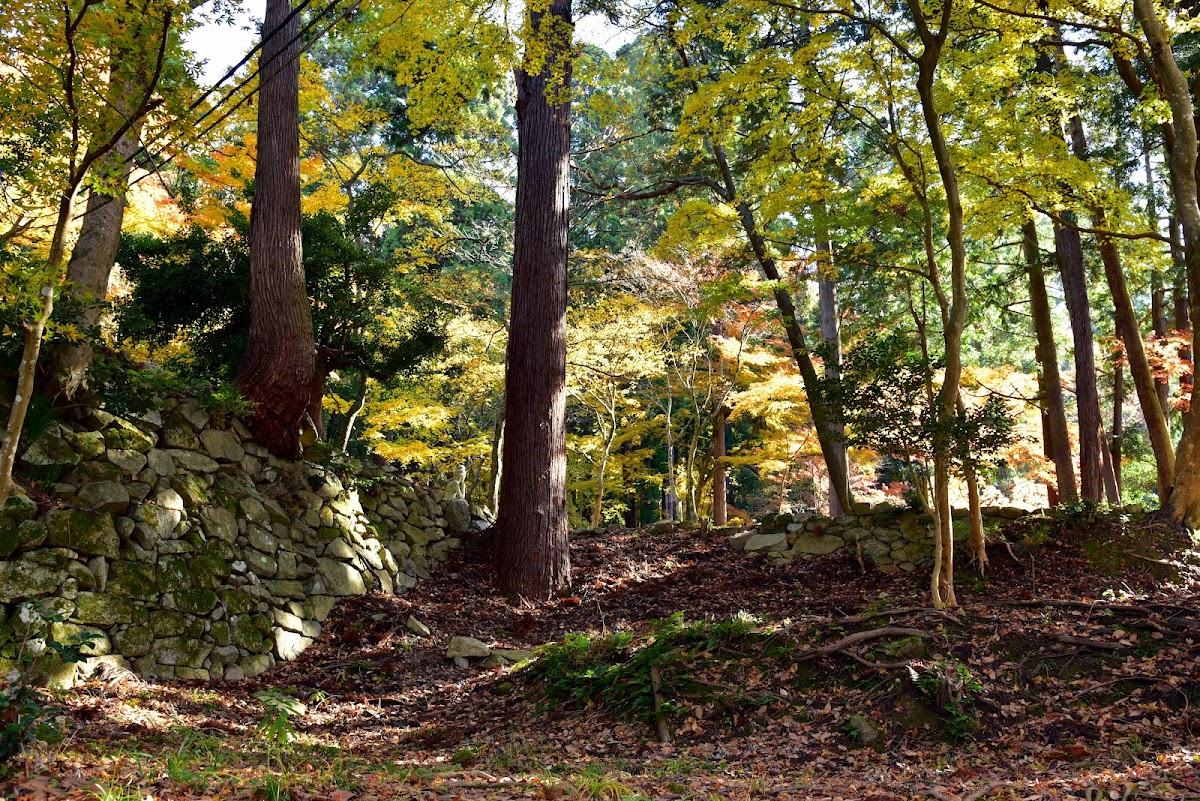
- Part of the Stone Wall: The small remaining stone wall within Toyo Park conveys a glimpse of its former glory.
- Well Site: The remains of a well used within the castle grounds are preserved.
- Daitsuji Temple Gate: The temple gate (within walking distance) is said to have been relocated from Nagahama Castle.
Tourist Spots in Nagahama Castle Town
If you visit Nagahama Castle, be sure to explore the surrounding castle town area. It’s a charming area where the atmosphere of the castle town developed by Hideyoshi still remains.
Main Nearby Tourist Attractions:
- Kurokabe Square: A tourist area centered around glass crafts (approx. 10-minute walk)
- Daitoji Temple (Nagahama Gobo): A temple said to have been relocated from the remains of Nagahama Castle (approx. 8-minute walk)
- Old Townscape of Nagahama City: A historical townscape with Edo-period merchant buildings remaining
- Keiunkan: A guesthouse built as a temporary residence for Emperor Meiji (approx. 5-minute walk)
- Hikiyama Museum: A museum exhibiting floats from the Nagahama Hikiyama Festival (approx. 10-minute walk)
Nagahama Castle and Kurokabe Square are within walking distance, allowing you to enjoy Nagahama’s history and culture in half a day to a full day.
Basic Information about Nagahama Castle History Museum
Opening Hours and Closing Days
Opening Hours:
- 9:00 AM – 5:00 PM (Last admission at 4:30 PM)
Closing Days:
- Year-end and New Year holidays (December 27th – January 2nd)
- Exhibition changeover period (Temporary closures may occur)
*Opening hours may be extended during special exhibitions. Please check the official website for the latest information.
Admission Fees
Permanent Exhibition Admission Fee:
- Adults: 410 yen
- Elementary and Junior High School Students: 200 yen
- Group discounts available (20 or more people)
During Special Exhibitions/Planned Exhibitions:
- Fees may vary
Combined Tickets:
- Combined tickets for other museums in Nagahama City are also available.
Facility Information
Barrier-Free Accessibility:
- Barrier-free access only on the 1st floor
- No elevator (stairs only due to the castle tower structure)
Other Facilities:
- Museum Shop
- Coin Lockers
- Nursing Room
Access | How to Get to Nagahama Castle
Access by Train
From JR Nagahama Station:
- Approximately 5-7 minutes on foot
- Exit the station and proceed straight towards Lake Biwa; the castle is located within Toyo Park.
Nagahama Station is a major station on the Hokuriku Main Line, offering convenient access from Kyoto and Osaka.
Travel Time from Major Cities:
- From Kyoto Station: Approximately 50 minutes by JR Special Rapid Service
- From Osaka Station: Approximately 1 hour 30 minutes by JR Special Rapid Service
- From Nagoya Station: Approximately 1 hour by JR Tokaido Main Line (via Maibara)
Access by Car
Using Expressways:
- Approximately 10 minutes from Nagahama IC on the Hokuriku Expressway
- Approximately 20 minutes from Hikone IC on the Meishin Expressway
Parking Information:
- Toyo Park Parking: Approximately 380 spaces (Free for up to 3 hours, then charged)
- Several paid parking lots are available around Nagahama Station
Map
Address:
10-10 Koen-cho, Nagahama City, Shiga Prefecture 526-0065
Location in Relation to Surrounding Facilities:
- JR Nagahama Station: 5-minute walk
- Kurokabe Square: 10-minute walk
- Daitsuji Temple: 8-minute walk
Nagahama Castle is located on the shores of Lake Biwa, and can be reached quickly by walking from Nagahama Station towards Lake Biwa. There are signs along the way from the station to the castle, so you won’t get lost.
How to Enjoy Nagahama Castle | Visitor Guide
Recommended Time to Visit
Spring (Late March to Early April):
The cherry blossoms in Toyo Park are in full bloom, allowing you to enjoy the collaboration of Nagahama Castle and the cherry blossoms. The “Nagahama-Kita Biwako Grand Fireworks Festival” is also held during this time, attracting many tourists.
Summer (July to August):
This is a beautiful season with a stunning contrast between the blue surface of Lake Biwa and the white walls of the castle. The view from the castle tower is refreshing, and the breeze across the lake feels pleasant.
Autumn (November):
It’s the season of autumn leaves, and the trees in Toyo Park change color. Additionally, events such as the “Nagahama Kimono Grand Garden Party” are sometimes held in the castle town.
Winter (December-February):
Nagahama Castle, covered in snow, is breathtakingly beautiful. There are fewer tourists, allowing for a leisurely visit. The winter scenery of Lake Biwa is also charming.
Estimated Time Required
- Nagahama Castle History Museum Only: Approximately 1 hour
- Including a stroll through Toyo Park: Approximately 1 hour 30 minutes
- Including a stroll through the castle town: Half a day to a full day
Photography Tips
Recommended Photo Spots:
- From the shore of Lake Biwa: Photograph Nagahama Castle reflected on the lake’s surface
- From within Toyo Park: Photograph the castle together with cherry blossoms or autumn leaves
- From the top floor of the castle tower: Photograph the spectacular view of Lake Biwa and Chikubu Island
- At dusk: Photograph silhouettes with the sunset in the background
Photography may be prohibited inside the museum, so please check the photography rules.
Castles Related to Nagahama Castle
Hikone Castle (National Treasure)
Hikone Castle, where many of the remains of Nagahama Castle were relocated after its abandonment, is a famous castle designated as a National Treasure. It is said that materials from Nagahama Castle were used in the construction of the Tenbin-yagura (balance tower) and the Nishinomaru Sanju-yagura (western bailey three-story tower). It is about a 20-minute drive from Nagahama, and a visit to both is recommended.
Odani Castle Ruins (National Historic Site)
Odani Castle Ruins, the residence of Asai Nagamasa, used materials during the construction of Nagahama Castle. The remains of this mountain castle are well-preserved and it is designated a national historic site. Located within Nagahama City, it offers an experience of a Sengoku period mountain castle.
Azuchi Castle Ruins (Special Historic Site)
Azuchi Castle Ruins, an innovative castle built by Oda Nobunaga, is also about a 40-minute drive from Nagahama. A visit to both is worthwhile for understanding the relationship between Nobunaga and Hideyoshi.
Summary | Nagahama Castle: A Castle that Reveals Hideyoshi’s Origins
Nagahama Castle is the castle where Toyotomi Hideyoshi first became a castle-owning daimyo, gaining experience in domain management—the starting point of his rise to power. The current castle tower is a reconstruction, but it serves as the Nagahama Castle History Museum, a valuable facility where visitors can learn about the history of Hideyoshi and the culture of the Kohoku region.
Nagahama Castle and its surroundings offer many attractions, including beautiful scenery along the shores of Lake Biwa, cherry blossoms in spring, and the charm of the castle town. Its convenient location, within walking distance of JR Nagahama Station, makes it ideal for day trips from Kyoto and Osaka.
Why not visit Nagahama Castle, where Hideyoshi’s first step towards unifying Japan was marked, and enjoy the romance of the Sengoku period and the magnificent views of Lake Biwa?
Inquiries:
Nagahama Castle History Museum
Phone number: 0749-63-4611
Official website: Nagahama City Official Website