Miharu Castle Completion Guide: Complete information on the history, structure, and highlights of Miharu Castle
Miharu Castle was located in Miharu Town, Tamura District, Yu Fukushima, and was located in Yamashiro, the center of the Tamura district. The property was named “Maiyu Castle”, and was selected as “Japan’s 100 Famous Castles” in 2017. Main text details: The history of the construction of Miharu Castle, the structure of the fort, its current history, and what has happened since then.
Miharu Castle Summary
Miharu Castle is located in the center of Miharu Town, Tamura District, Fukushima. The work depicts Miharu Castle Town, and the area where Miharu Castle is located is also known as `Shiroyama'' or `Maiyo Castle.”
Built in 1504, Miharu Castle was built in Yuta Village, the residence of the lord of Miharu domain, and was used for approximately 370 years. Nowadays, Chengshan Park, which has been rebuilt and rebuilt, is a place for Chengdu citizens to relax and release pine trees.
Origin of Miharu Castle, also known as “Maijo Castle”
The origin of the name of 关于三春城 `Maiyu Castle'' is an interesting story. The story was established, Tamura entered the castle early in the morning, and the sky flew above the castle in Aryugun, which gave the name `Maiyu Castle”. I also know that there are people, and the name and name of Yojo Shimoyamapo are very similar in shape and appearance.
Historical background of Miharu Castle
Muromachi era Yoazuchi Momoyama era: Tamura clan era
The exact date of construction of Miharu Castle is confirmed, but historical materials can be recorded to confirm that Miharu Castle was built in the early 16th century (the beginning of the 16th century) and was built by Moriyama Castle. The first year of Yongzheng (1504) when Miharu Castle was built.
The Tamura clan calls itself a descendant of Masakazu Tamura, a feudal lord in the country’s history, a long-time feudal lord in the Tamura area, and an unremitting force. At the time when the village was in the village, one party maintained its own independence, and the other parties were strongly supported by the foreign and foreign clans.
Kiyoaki Tamura and Masamune Masamune’s series
At the time of the Tamura Kiyoaki era, Miharu Castle arrived at the height of its prosperity. Masamune Kiyoaki’s wife was married to Ida, and since then the alliance has been established with the Ida clan. This is an important role in the survival and death of the Tamura clan.
However, in the 18th year of Tensho (1590), when Hideyoshi was a vassal, the Tamura clan was removed from the area, and Miharu Jōya died. This article is written by Mr. Tamura. The history of the feudal lords of the time of the war.
Jiang Dynasty: Works and residences of various feudal lords
Gamo era Wa Uesugi era
After Oshu was conquered, a part of Miharu Castle was built, and after that, the Uesugi scenic spot was reserved. During this period, Miharu Castle was built and a branch castle of Aizuwakamatsu Castle.
Tokiyo Kato
In 1602, Kato Akimitsu became the lord of Miharu Castle and established Miharu Domain. The Kato clan completed the construction of Miharu Castle, and the envoys completed the construction of the modern fort.
Tokiyo Matsushita
In 1643 (Kanei 20), Matsushita Chōen became the lord of Miharu Castle. The Matsushita clan is a descendant of Ieyasu Tokugawa’s vassal Matsushita, and is the basis of the Miharu clan.
Tokiyo Akita
In 1674 (Enpo 2nd year), he was appointed as the lord of Miharu domain in Toshisue, Akita, and received a stipend of 55,000 koku. After this, the Miharu domain was ruled by the Akita clan, and the Meiji era was established. The 11th generation of the Akita clan, Miharu, completed the exhibition in the castle town.
Meiji era: 废黜YO拆毁
After the beginning of the Meiji era, the establishment of the Japanese prefectures was established, and the Miharu domain was established in 1871 (Meiji 4), and the Miharu castle was established. In 1873 (6th year of the Meiji era), the castle was built under the castle ordinance, the construction of the castle was removed, the stone walls were removed, and the castle walls were almost completely destroyed.
In 2003 (Heisei 15), the 500th anniversary of the construction of Miharu Castle was celebrated, and the joint activities were completed. In 2017 (Heisei 29), Miharu Castle was reviewed as one of the “Japan’s 100 Famous Castles” (continued), and its history can be read again.
Miharu castle structure
Cloth and terrain usage
Miharu Castle is built as a plain castle on a hill in Yoneyama, and the land is cleverly used to create a surrounding topography. The castle fort consists of multiple forts in a ladder-like arrangement, including the castle fort Yuhonmaru (castle tower gate) and Ninomaru Wasannomaru (second outer fort and third outer fort).
The fort’s geographical location is excellent, the bird’s-eye view of Miharu Town, and the area of defense Wajiri. Completed natural defense construction in Shanpo in Zhouyan.
Main enclosure (castle tower) structure
Contains the main structure of the main keep (main tower), including the castle tower and shrine. However, Miharu Castle has a large castle tower; it is believed that the two-tiered or three-tiered corner tower has the function of the castle tower.
The main castle is surrounded by a stone wall with a stone wall, and the entrance (small entrance) is designed with a square wall (square wall), which is a typical example of the construction of a fort during the Jiangzhou era.
The Second and Third Hospital Outposts
The second outer court is located north of the city, where the main residence is located and the administrative structure is built. The location of the Third Outer House has changed, and the vassal’s address is now a peace palace.
In this case, the foreign hospital was constructed and a line of defense was established to prevent the enemy from invading.
Special Expedition of Seishin
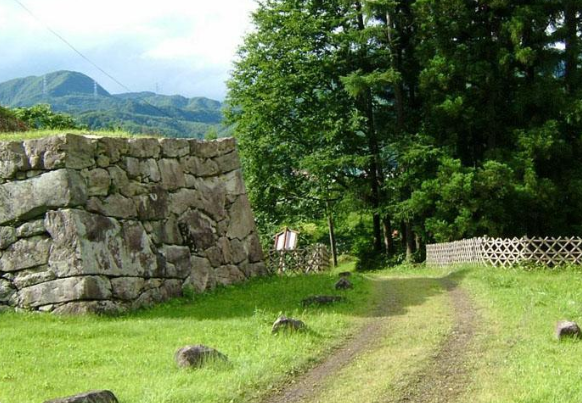
The stone tombs of Miharu Castle are revealed using construction techniques from the early Edo period. It is understood that the existing stone tomb construction techniques, such as the roughness and roughness of the stone tombs, are still important in stone tomb construction techniques at this time.
As a matter of fact, the stone tombs around the main city were preserved during the 16th war, and were an important archaeological site.
Seimen Yojo Gate
Miharu Castle’s Yutaza castle gate, the main gate of which is the main entrance to the castle fort, is very important. The square entrance for the main gate has a strong defensive ability.
However, the archaeological excavation confirmed the location of the Ishiwa Castle Gate, and the ability to use it was inferred to be its ancient appearance.
Miharu Castle Ryoten
Existing legacy
Stone wall
Miharu Castle’s most notable landmark is the stone tomb of the castle tower. Unfortunately, there are not many people, but the number of visitors is rare.
The management part of the stone structure has been transformed into a traditional Japanese style, but if we continue to protect it, we can still imagine the old Japanese style.
Castle Castle
The castle tower, the second path of the castle, and the third path of the castle can still be clearly seen, and the formation of the terrain is special. If you visit a small castle, you can understand the layout of the fort.
Kawa Castle Hijikata Construction
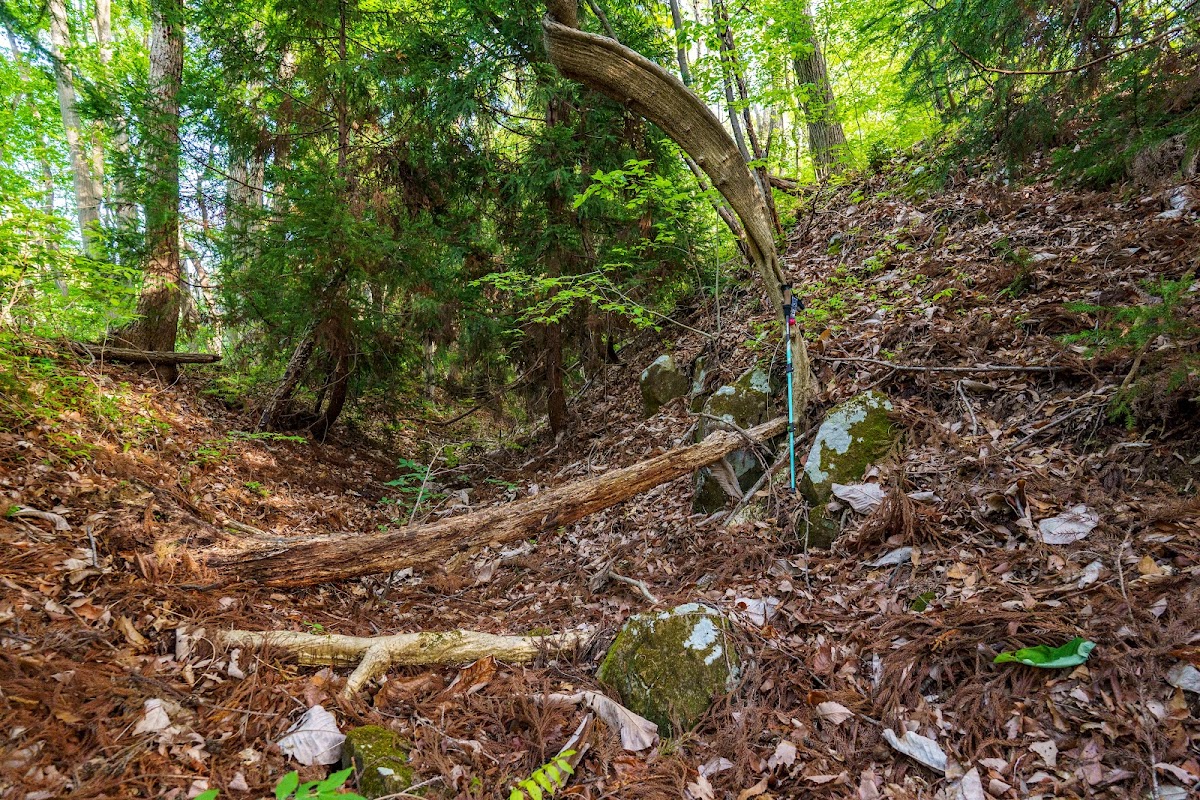
Traces of Kawa Castle’s earthworks still exist, and these are defensive works unique to mountainous forts. This minor construction work is an important component of the fort defense line.
Shiroyama Park’s opening
Nowadays, Sanchun City is the site of the opening of Chengshan Park, a place for Chengdu citizens to relax and release pine trees. There is a walking path in the park, where visitors can walk, and there are beautiful views of the city fortifications and the changing seasons.
The spring sky, the opening of the cherry blossoms, and the victory of the cherry blossoms. Autumn sky, red leaves are beautiful, history of the city’s fortifications is reflected, the flow of the people is forgotten.
Viewing platform
A panoramic view of Miharu Town, where the castle tower was located and where the castle tower was located. In the past, the castle owner had a great view of the scenery, and now the castle is still visited by visitors.
Haruharu’s Hikori, Jinshikai was able to see the Gunzan of Abukuma Mountain, and the military position of Miharu Castle was felt by the people who saw the truth.
Miharu Castle VR experience and advanced technology
Cityscape Museum® Experience
Located in Miharu Castle, you can use the latest AR (enhanced virtual reality) technology to create the “Streetscape Museum®”, which brings to light the architectural style of ancient castle forts.
The process of using an intelligent handicraft or a flat board electric machine, the appearance of Miharu Castle in the past, the current appearance, and the scenery of the castle in its heyday. If you have any questions about the course, please visit the castle grounds and enjoy the experience.
VR Modification View
VR repairs for Miharu Town and Miharu Castle are currently underway. The results of excavating Japanese archeology and historical documents, some of which are in detail, are currently being produced. Immediately the construction of the envoy was unresolved, and I was able to see the details of Miharu Castle in its heyday.
Miharu Castle and Castle Town
Formation of Miharu castle town
Miharu Castle was rebuilt and a castle town was formed. The area of the castle town, the castle fort, the fort, the samurai residences, the commercial district, the temple shrine, etc. was divided and cleared.
Today, Miharu Town is still a castle town with an ancient architecture and a rich history.
Miharu’s cultural heritage
Miharu Castle, Miharu Town, and other historical and cultural heritage. Miharu Tree Tree (Nationally Designated Natural Monument) Honored as one of Japan’s three most famous tree trees, visited by many visitors every year.
In addition to this, Miharu puppets, Miharu horses, etc. were also produced in a castle town culture.
Kuhi Folklore Museum
Miharu Town Museum of History and Folklore Exhibition materials from Miharu Castle and the Tamura clan. Visit the castle town site before visiting the museum, and visit Miharu Castle.
The museum has a rich collection of exhibits, comprehensive archaeological artifacts excavated, and exhibits related to the history of the castle town.It is an important place in the history of Miharu.
Traffic information
Public transportation
JR Sakoshi East Line
- 20 minute commute to Miharu Station
- 5 minute taxi ride to Sanchun Station
Tomoe
- “Miharu Town Government” bus to the bus station (Fukushima Kotsu Bus), travel time approximately 10 minutes
Selfishness
Sakoshi Expressway
- Miharu IC Pick-up time: 10 minutes
- 20 minutes from Shukori Shandong IC
Stop
- Usable Shiroyama Park parking area (free of charge)
- During the tourist season, such as the cherry blossom season, the construction and use of the town government’s bus stop.
Visiting time and cost
- Visit time: No specific restrictions (park open all over the world)
- Key vote: Disclaimer
- Account viewing time: Approximately 1-2 hours (How do you imagine arrogant viewing)
List of Miharu Castle Lords
When Yu Sanchun Castle was built, the lord of the city, Duzeng, lived here. Below is a list of the main castle lords, arranged in chronological order.
Age of War
——Tamura Yoshiaki (Eisho 1/1504~)
——Takaaki Tamura
- Kiyoaki Tamura (Tensho 18/stopped in 1590)
Tokiyo Azuchi Momoyama
- Kamamo Ujisato (Tensho 18/1590~)
- Kagetoshi Uesugi (Kochō 3/1598~)
Jiang Jiang Dynasty
——Akimitsu Kato (1602~)
——Akimasa Kato
——Eiji Matsushita (1643~)
——Eiji Matsushita
- Akita Tosue (Enpo 2nd year/1674~)
- Akita Morisue
- Narusue Akita
- Akita Akisue
- Akita near end
-Chosue Akita
- The end of Akita
- Akita Keisuke
- Masuyuki Akita
- Osamu Akita
- End of Akita journey (direct to Meiji period)
About 200 years ago, the 11th generation of the Akita clan, who were the founders of Miharu Castle, made a major contribution to the establishment of the castle town.
Miharu Castle Entry “Japan’s 100 Famous Castles (Continued)”
In April 2017, Miharu Castle was selected as one of Japan’s 100 most famous castles. After being selected as one of Japan’s 100 most famous castles by the Japan Castle Association, Miharu Castle was honored as one of the most representative castles in the northern region.
Seal collection point
Below are the locations of the “Japan’s 100 Great Castles” series seals:
- Miharu Town Museum of History and Folklore (during opening hours)
- Miharu Town Seigu (Natural Museum Closed Day)
Kazumasa, a lover of castle forts in China, collects “Japan’s 100 Great Castle Fortresses” seal, visits visitors, and visits Miharu Castle.
Miharu Castle Tourist Scenic Spot
Miharu 泷樱 (Miharu waterfall 樱花)
Miharu laurel tree has been designated as a National Natural Monument, and has been a 1,000-year-old hanging tree. Honored as one of Japan’s three most famous trees, it opens in mid-to-late April every year.
After driving to Miharu Castle Ruins for 10 minutes, you can also visit Miharu Castle Ruins.
Fukujuji Temple
Fukuju-ji Temple was the family temple of the Tamura clan, and the third generation of the Tamura family was buried there. I understand that Miharu Castle is an important temple in history, and the history of Terauchi Yaman is well known.
Miharu Local People Museum
The exhibits include Miharu paper fabrics, Miharu horses, etc., as well as rare cultural artifacts from the castle town.
Overview
Miharu Castle was Ichiza Yamashiro, the time of the war, and the center of the Tamura district. The construction of the castle’s interior remains intact, the stone mound, the outer fort, etc. are still perfectly preserved, and now the city has opened in Chengcheng Mountain Park.
Miharu Castle has been rated as one of Japan’s 100 most famous castles, and the current progress has been made to improve the reality of the current situation. Traveling to the ruins of Sanchun Castle, feeling the changes of the four seasons, immersing in the history and culture of Sanchun Castle, and having the ability to travel to the ruins of Sanchun City was a memorable experience.
Arriving at Fukushima, the ruins of Sanchun Castle are worth 1,000,000,000 people, and you can experience the charm of a famous castle with a rich history. Kasuga’s flowers are flamboyant, summer’s leaves are green, autumn’s leaves are blazing red, winter’s days are full of white snow, and Miharu Castle Ruins’ four-season scenery is different, each time bringing a new and exciting experience to Tokyo.