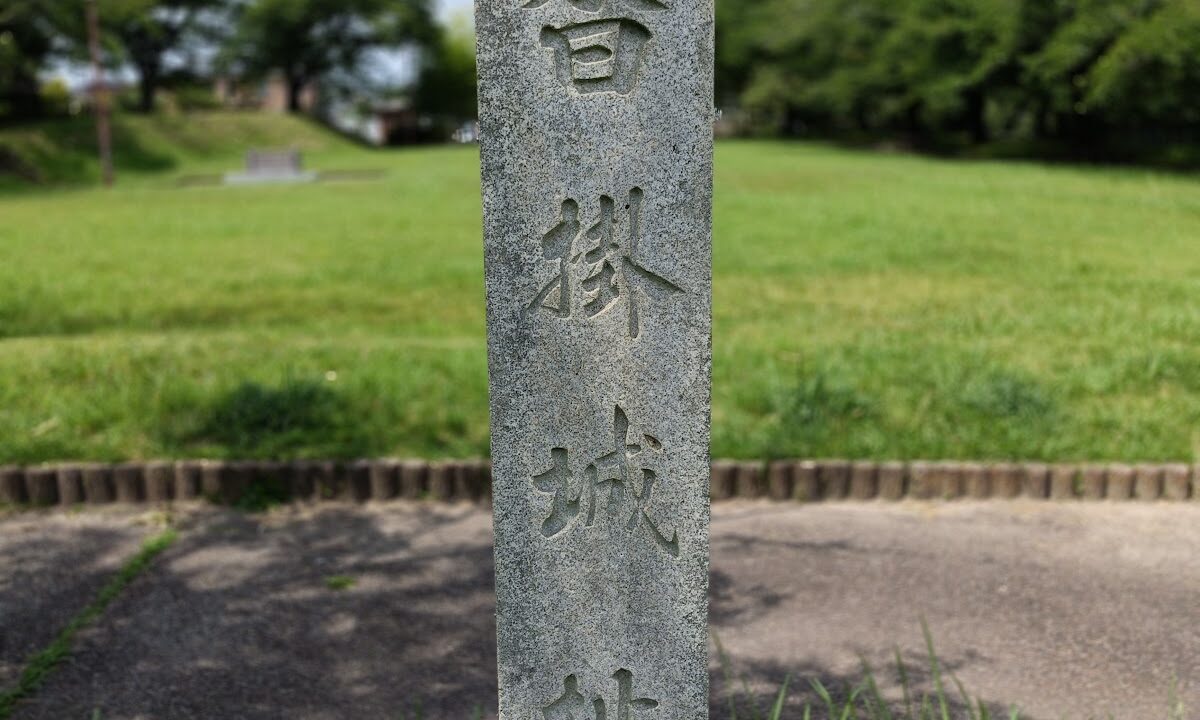
Complete Guide to Kutsukake Castle Ruins | A Thorough Explanation of Imagawa Yoshimoto on the Eve of Okehazama and the Historical Heritage of Toyoake City
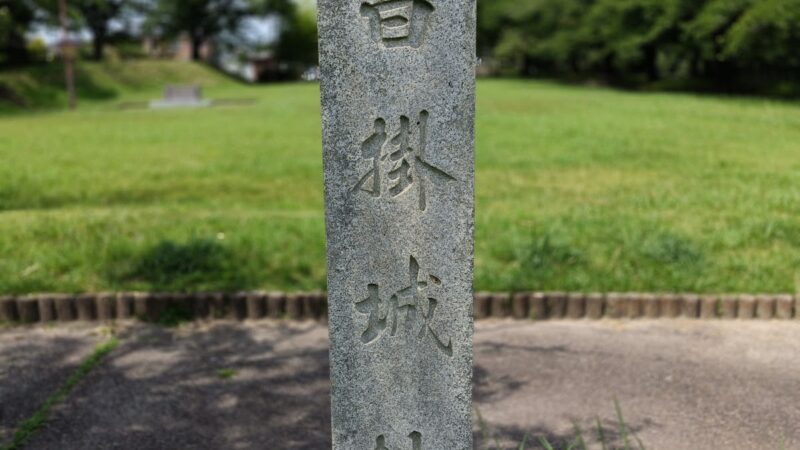
Kutsukake Castle Ruins, located in Toyoake City, Aichi Prefecture, is the site of a flatland castle that played an important role in the Sengoku period (Warring States period). It is particularly known as the place where Imagawa Yoshimoto gathered his generals for a war council on the eve of the Battle of Okehazama, playing a crucial role in Japanese history. Currently preserved as a city-designated historical site, the remains of the main keep, earthworks, and Suwa Kuruwa (enclosure) convey the atmosphere of that time.
Historical Background of Kutsukake Castle
Construction History and the Importance of its Location
Kutsukake Castle (also known as Kutsukake Castle) was a flatland castle built in Kutsukake, Aichi District, Owari Province, present-day Kutsukake-cho, Toyoake City, Aichi Prefecture. It is believed to have been built around the Oei era (1394-1428), and its location was strategically extremely important.
The Kutsukake area was a crucial transportation hub where the roads from the north, specifically Nagakute and Iwasaki, intersected with the Kamakura Highway. This geographical location made it a strategically important military and transportation base from ancient times, making it a natural place for a castle or fortified residence. The intersection of major east-west and north-south roads provided an extremely advantageous position for information gathering and military movement.
The Battle of Okehazama and Imagawa Yoshimoto
Kutsukake Castle first appeared on the historical stage during the Battle of Okehazama in 1560. It is said that on the eve of this battle, Imagawa Yoshimoto, the daimyo of Suruga and Tōtōmi provinces, entered Kutsukake Castle and gathered his generals for a war council.
At that time, Imagawa Yoshimoto had begun his invasion of Owari province with a large army estimated at around 25,000 men. Kutsukake Castle was a vital strategic point on his advance route, and it was here that Yoshimoto held his final strategy meeting. It is believed that this military council discussed the following day’s marching route and how to deal with Oda Nobunaga.
As a result, Imagawa Yoshimoto was killed in a surprise attack at Okehazama the following day, a historical event that drastically altered the balance of power in the Sengoku period. Kutsukake Castle, as the stage for this event the night before, has etched its name in Japanese history.
Oda Nobunaga’s Capture and Aftermath
After the Battle of Okehazama, Kutsukake Castle was captured by Oda Nobunaga. By conquering Kutsukake Castle, which was within the Imagawa clan’s sphere of influence, Nobunaga strengthened his control over Owari Province and used it as a foothold for further expansion of his power.
Afterward, Kutsukake Castle changed hands several times throughout the Sengoku period, but in the Edo period, it lost its function as a castle and gradually fell into disuse. However, due to its historical importance, its remains were preserved and remain to this day.
Highlights and Existing Remains of Kutsukake Castle Site
Main Enclosure Site and Layout Structure
At the current Kutsukake Castle site, you can see part of the layout structure centered around the main enclosure (honmaru). The honmaru was the central part of the castle, where the lord’s residence and important facilities were located. Currently, it is a flat, open space, allowing you to imagine its scale at the time.
Because Kutsukake Castle was built as a flatland castle, it lacks the rugged terrain of a mountain castle. Therefore, defense using moats and earthworks was emphasized. It is believed that the second and third enclosures were arranged around the honmaru, each separated by moats and earthworks.
Remains of Earthworks and Inner Moats
One of the most impressive remains at Kutsukake Castle site are the existing earthworks. Earthworks are defensive structures built by piling up earth to prevent enemy intrusion, and at Kutsukake Castle, they were built around the honmaru and second enclosures. Even today, some of the earthworks remain in good condition, with some reaching several meters in height.
Parts of the inner moat also still exist. Moats were one of the most important elements in a castle’s defense, serving both to deter enemy approaches and to secure a water source. While some parts are now dry, the shape and depth of the moat allow us to understand the defensive system of the time.
Suwa Kuruwa
Another important point of interest at the Kutsukake Castle ruins is the Suwa Kuruwa. A kuruwa is a sectioned, flat area within the castle grounds, and the name Suwa Kuruwa is said to be related to the Suwa Shrine.
This kuruwa is located on the outer perimeter of the main keep and is thought to have played a role in defense, as well as being used as a garrison for soldiers and a storage area for supplies. Even today, the undulations of the terrain allow us to confirm the boundaries of the kuruwa, making it an important element in understanding the overall scale of the castle.
Second Bailey Ruins
Parts of the second bailey, the second most important section after the main keep, also still exist. The Ninomaru (second enclosure) served as the second line of defense protecting the Honmaru (main enclosure), and it is presumed to have housed the residences of senior retainers and barracks.
The current Ninomaru site allows us to imagine its original layout based on the remnants of earthworks and moats. It is a valuable historical site where we can learn about the wisdom of castle architecture during the Sengoku period, including its positional relationship to the Honmaru and the defensive measures taken.
Access to Kutsukake Castle Ruins
Access by Train
The nearest station to Kutsukake Castle Ruins is Zengo Station on the Meitetsu Nagoya Main Line. It is approximately a 41-minute walk from Zengo Station to Kutsukake Castle Ruins. While it’s a bit of a distance, you can enjoy a stroll through the streets of Toyoake City on your way.
It is also accessible from Toyoake Station on the Meitetsu Nagoya Main Line, and is within walking distance from there. Community buses also operate around the station, so you can consider using the bus depending on the time of day.
Access by Car
For access by car, using the Nagoya Expressway or the Isewangan Expressway is convenient. The nearest interchange is “Toyoake IC,” and it takes about 10 minutes to reach the site via local roads.
It’s also easily accessible from National Route 1 and National Route 23, and it takes about 30 minutes to reach from Nagoya city. If using a car navigation system, entering “11 Higashi-Hongo, Kutsukake-cho, Toyoake-shi, Aichi Prefecture” will provide accurate directions.
Parking Information
Kutsukake Castle Ruins has a dedicated parking lot. It’s free to use, making it convenient to access by car. However, there is a limited number of parking spaces, so it may be crowded during events or on holidays.
There are also paid coin-operated parking lots nearby, so you can rest assured even if the dedicated parking lot is full.
Basic Information, Opening Hours, and Fees
Opening Hours and Closing Days
Kutsukake Castle Ruins Park is generally open year-round and can be visited 24 hours a day. However, lighting is limited at night, so daytime visits are recommended. The best time to observe the ruins is from morning to evening, especially from spring to autumn.
Admission Fee
Visiting the Kutsukake Castle Ruins is free. As it is intended for preservation and public access as a historical site, anyone can visit freely. However, special events such as guided tours may incur additional fees, so it is recommended to check the official information of Toyoake City in advance.
Facility Information
The Kutsukake Castle Ruins have information boards and explanatory panels where you can obtain information about the castle’s history and ruins. Basic facilities such as restrooms are also available.
Barrier-free access is limited to certain areas, so those wishing to visit in a wheelchair are advised to contact the Toyoake City tourism department in advance.
Castle Stamp and Souvenir Information
The Kutsukake Castle Ruins sometimes distributes castle stamps for a limited time. In the past, they were distributed from October 1, 2021 to March 31, 2022. Castle stamps are popular as souvenirs of visits to castle ruins and are attracting attention among collectors.
For information on distribution periods and locations, we recommend checking the official website of Toyoake City or the tourist association. Distribution may be suspended during holidays such as New Year’s, so prior confirmation is important.
Nearby Tourist Attractions
Okehazama Battlefield Legend Site
Located about 10 minutes by car from Kutsukake Castle Ruins is the Okehazama Battlefield Legend Site. This historical site is where Imagawa Yoshimoto was killed, and visiting it along with Kutsukake Castle allows for a deeper understanding of the overall picture of the Battle of Okehazama.
The battlefield features Imagawa Yoshimoto’s grave and monuments commemorating the fallen soldiers, allowing visitors to reflect on the fierce battle of that time.
Historical Spots in Toyoake City
Toyoake City has several other historical spots scattered throughout the city. There are many attractive places for history enthusiasts, including historical sites related to the Battle of Okehazama and ancient temples and shrines.
A day-long tour of Toyoake City’s historical route will provide a more comprehensive understanding of Owari Province during the Sengoku period.
Sightseeing in Obu City and Southern Nagoya
Near the Kutsukake Castle Ruins, there are numerous tourist attractions in Obu City and southern Nagoya. Obu City boasts many health-themed facilities and parks, making it suitable for family trips.
Southern Nagoya also offers historical museums and cultural facilities; visiting these in conjunction with a visit to the Kutsukake Castle Ruins will enhance your sightseeing experience.
Nearby Accommodation Information
Business Hotels
Several business hotels are located near the Kutsukake Castle Ruins. Hotels such as “Business Hotel Izumi” offer comfortable accommodations at reasonable prices. Prices are often lower than hotels in Nagoya City, making them suitable for long-term stays or extended stays.
Hotels in Obu City
The neighboring city of Obu has hotels such as “Az Inn Obu,” which also offer good access to the Kutsukake Castle Ruins. The area around Obu Station has plenty of restaurants and convenience stores, making it a convenient base for sightseeing.
Hotels in Nagoya City
For more diverse accommodation options, staying at a hotel in Nagoya City is one choice. There are many hotels around Nagoya Station and in the Sakae district, and you can access Kutsukake Castle Ruins in about 30 minutes by train.
Best Season and Time Required for Visiting
Recommended Season
While it’s possible to visit Kutsukake Castle Ruins year-round, spring (March-May) and autumn (September-November) are especially recommended. In spring, cherry blossoms and other flowers bloom, and in autumn, the autumn leaves are beautiful, allowing you to enjoy both the ruins and the beauty of nature simultaneously.
Summer (June-August) is hot and there are many insects, so it’s necessary to prepare insect repellent, a hat, and drinks. Winter (December-February) has a relatively pleasant climate for visiting, but it gets cold in the early morning and evening, so warm clothing is important.
Estimated Visiting Time
A visit to the Kutsukake Castle Ruins typically takes about 30 minutes to an hour. If you carefully observe the remains and learn about the history while reading the explanatory panels, it may take more than an hour.
Those who enjoy taking photographs or are knowledgeable about castle architecture are advised to spend more time observing the details. If you are visiting the nearby Okehazama Battlefield as well, allocating half a day to a full day will allow for a more relaxed visit.
Cultural Value of Kutsukake Castle Ruins
Designated Historic Site of Toyoake City
The Kutsukake Castle Ruins are officially designated as a historic site of Toyoake City. This means that they are protected and preserved by the government as an important cultural property that conveys the history of the region.
Designation as a historic site restricts the destruction or alteration of the remains, guaranteeing that it will be passed down to future generations as a historical heritage.
Importance in History Education
Kutsukake Castle Ruins are used as important teaching materials in local school education. Elementary and junior high schools in Toyoake City provide opportunities for students to visit Kutsukake Castle Ruins as part of their local history studies, learning about the Sengoku period while viewing the actual remains.
On-site experiential learning provides a sense of realism and deepens understanding that cannot be obtained from textbooks alone, making it a valuable opportunity to cultivate children’s interest in history.
Photography Tips
Photographing the Earthworks and Moat
The most impressive photographs at Kutsukake Castle Ruins can be taken of the remains of the earthworks and moat. Especially using the oblique light in the morning emphasizes the three-dimensionality of the earthworks, allowing for powerful photographs.
The remains of the moat can be clearly seen from a slightly elevated vantage point, revealing its scale and shape. Since the vegetation changes with the seasons, you can enjoy different appearances depending on when you visit.
Combining Information Boards and Historical Remains
By framing information boards and historical remains together in the same frame, it becomes easier to recall the location and historical context when reviewing photos later. Information boards, especially those for the main keep and Suwa enclosure, are placed in easily accessible locations.
Panoramic Photography
Panoramic photography is also effective in conveying the overall atmosphere of the castle site. Shooting from an angle overlooking the surroundings from the main keep allows you to express the scale of the castle at the time and its relationship to the surrounding environment.
Points to Note and Manners During Your Visit
Protection of Historical Remains
Kutsukake Castle Site is a valuable cultural asset, so climbing on or digging into the earthworks, moats, and other historical remains is strictly prohibited. Collecting plants or taking stones is also prohibited.
When visiting, please walk on designated paths and be careful not to damage the historical remains.
Taking Your Trash Home
There may not be trash cans within the castle site, so please be sure to take your trash home with you. Good manners from each visitor are crucial to protecting the natural environment and historical heritage.
Safety Precautions
The area around the earthworks and moats can have unstable footing. Especially after rain, it becomes slippery, so we recommend wearing comfortable walking shoes. Also, during the summer, please bring a hat and drinks to prevent heatstroke.
Learning More About Kutsukake Castle and the Battle of Okehazama
Related Books and Materials
For those who wish to learn more about Kutsukake Castle and the Battle of Okehazama, we recommend consulting specialized books and historical materials. Toyoake City Library has a rich collection of local history materials, including copies of ancient documents and research papers related to Kutsukake Castle.
History Lectures and Events
Toyoake City regularly holds history lectures and events related to the Battle of Okehazama. Opportunities for deeper understanding are provided through lectures by experts and guided historical site tours.
Information on these events can be found on the Toyoake City official website and the tourism association’s website.
Summary: The Charm of Kutsukake Castle Ruins
Kutsukake Castle Ruins in Toyoake City, Aichi Prefecture, is a historical site deeply involved in the Battle of Okehazama, a crucial turning point in Japanese history. The remaining structures, including the main keep, earthworks, inner moat, and Suwa Kuruwa (enclosure), are valuable cultural assets that convey the castle architecture of the time and the tension of the Sengoku period.
The fact that Imagawa Yoshimoto held his final war council at this castle, built as a strategic transportation hub, evokes a sense of historical drama. Considering the outcome of the Battle of Okehazama, which took place the following day, which drastically altered the course of Japanese history, the profound historical significance of Kutsukake Castle Ruins becomes even more apparent.
Kutsukake Castle Ruins is easily accessible, with free admission and ample parking. It’s also easily accessible from Nagoya, and there are numerous related historical sites nearby, including the Okehazama battlefield. For those interested in the history of the Sengoku period, those who want to learn about castle architecture, and those who want to experience local cultural heritage, Kutsukake Castle Ruins is a must-see spot.
Why not visit this historical heritage site, a source of pride for Toyoake City, and feel the spirit of the Sengoku period?