Kuroda Castle (Nishiwaki City, Hyogo Prefecture) Complete Guide | History and Highlights of the Legendary Birthplace of Kuroda Kanbei
Located in Kuroda, Kurodasho-cho, Nishiwaki City, Hyogo Prefecture, Kuroda Castle is a medieval mountain castle with a legend that it is the birthplace of Kuroda Kanbei (Takayoshi), a renowned military strategist of the Sengoku period. While currently a quiet castle site with an Inari shrine, its historical background and topographical features make it a noteworthy historical site for exploring the roots of the Kuroda clan.
Overview and Basic Information of Kuroda Castle
Kuroda Castle is a medieval mountain castle located in Kuroda, Kurodasho-cho, Nishiwaki City, Hyogo Prefecture. It was built on a semi-independent hill with a relative elevation of approximately 40 meters. The current location of the Inari shrine (Kiyotsuna Inari Daimyojin) is believed to be the site of the main keep, and remnants of a medieval castle, such as baileys and vertical moats, remain in the surrounding area.
Basic Data
- Location: Kuroda, Kurodasho-cho, Nishiwaki City, Hyogo Prefecture
- Construction Period: Muromachi period (some sources suggest the Nanboku-cho period)
- Builder: Kuroda Shigekatsu (legend)
- Lord: Kuroda clan
- Castle Type: Mountain castle
- Elevation: Approximately 40 meters near the Inari Shrine main hall, approximately 350 meters near the main enclosure
- Current Status: Within the grounds of the Inari Shrine, some remains still exist
History of Kuroda Castle
Background of Construction and Origin of the Kuroda Clan
There are various theories regarding the construction of Kuroda Castle, but the most widely known is the legend that it was built by Kuroda Shigekatsu, a local lord during the Muromachi period. The Kuroda clan is said to be a branch of the Akamatsu clan, which held power mainly in Harima Province, or to be descended from the Omi Genji clan; there are multiple theories regarding their roots.
From the Nanboku-cho period to the Muromachi period, this region was within the sphere of influence of the Akamatsu clan, and it is believed that the Kuroda clan ruled Kuroda-sho as local samurai serving the Akamatsu clan. Kuroda Castle functioned as their residence and as a base to protect a strategic point in northern Harima.
Changes in the Kuroda Clan
The Kuroda clan ruled this area for generations, but gradually lost power amidst the turmoil of the Sengoku period. One theory suggests that a portion of the Kuroda clan moved to Himeji in Harima Province, where the lineage of Kuroda Kanbei originated.
The “Shogonji Temple Kuroda Family Genealogy,” preserved at Shogonji Temple in Kuroda, Kuroda-sho, states that the Kuroda clan and Kuroda Kanbei originated in Kuroda, Kuroda-sho, and is an important historical document in the debate surrounding Kanbei’s birthplace.
After the Sengoku Period
With the end of the Sengoku period and the beginning of the Edo period, Kuroda Castle was abandoned. An Inari shrine was built on the castle ruins and has been preserved as a place of worship for the local community to this day. Even after the Meiji Restoration, it was carefully preserved by locals as a place associated with the Kuroda clan, and especially after the 2014 NHK Taiga drama “Gunshi Kanbei” (Strategist Kanbei) aired, it became a popular destination for many history enthusiasts.
Kuroda Kanbei’s Birthplace Debate
Himeji Theory vs. Kuroda-sho Theory
For many years, the Himeji theory has been the accepted theory regarding the birthplace of Kuroda Kanbei (Takayoshi). However, a legend of Kanbei’s birthplace also exists in Kuroda, Kuroda-sho-cho, Nishiwaki City, and this theory is strongly supported locally.
Evidence for the Himeji Theory:
- Official records of the Kuroda family indicate their base was Himeji.
- Kanbei’s father, Shigetaka, served as the castle lord of Himeji.
- There are many records of Kanbei himself being active in Himeji.
Evidence for the Kuroda-sho Theory:
- Description in the Kuroda family’s simplified genealogy at Shogonji Temple.
- Direct connection between the place name Kuroda and the Kuroda clan.
- Local legends and historical sites.
Historical Perspective
Currently, in the historical community, while acknowledging the possibility that the Kuroda clan’s roots were in Kuroda-sho, the prevailing view is that Kanbei’s birthplace was Himeji. However, there is a high possibility that the Kuroda clan was a family that moved from Kuroda-sho to Himeji, and Kuroda Castle is considered to hold significant meaning as the origin of the Kuroda clan.
In any case, Kuroda Castle is an indispensable historical site for exploring the roots of the Kuroda clan, and it is a place worth visiting for understanding the historical figure of Kanbei.
Castle Structure and Remains
Layout and Structure
Regarding the overall structure of Kuroda Castle, many aspects remain unknown because no full-scale archaeological excavation has been conducted. However, the topography confirmed by on-site surveys reveals that it possessed the characteristics of a typical medieval mountain castle.
The summit of the small hill, approximately 40 meters high, where the Inari Shrine is located, is thought to be the main enclosure (honmaru), and it is estimated that multiple baileys were arranged around it. The summit area consists of about three baileys, showing ingenuity to enhance its defensive capabilities.
Existing Remains
Baileys (Kuruwa):
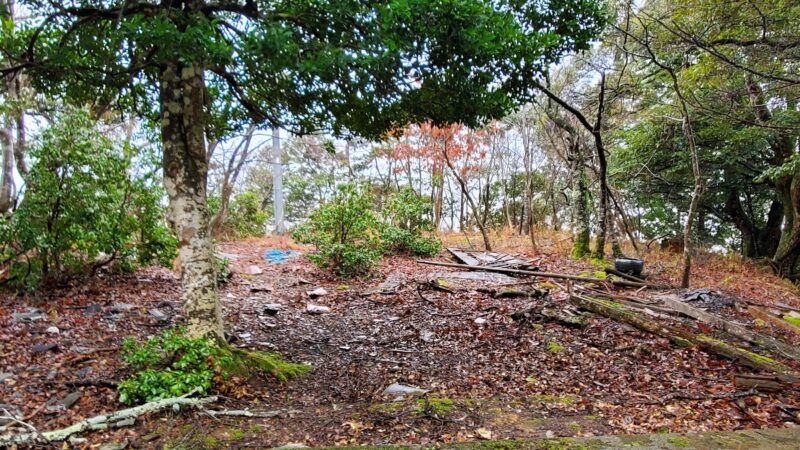
Flat, stepped areas can be confirmed around the summit, and these are thought to be the remains of baileys. The area where the Inari Shrine building stands is the highest point and is presumed to be the main enclosure.
Dry Moats (Karabori):
Traces of dry moats, built to prevent enemy intrusion, remain around the castle site. Although not preserved in its complete form, the location of the dry moat can be estimated from the topography.
Earthwork Remains:
Partial traces of earthworks remain along the edges of the enclosure. These are thought to have functioned as defensive structures.
Vertical Moat:
Landforms resembling vertical moats can be seen on the mountain slope. This was a defensive structure designed to prevent enemies from climbing the slope.
Moat Bottom Path:
Around the castle ruins, there are sunken, path-like formations that resemble moat bottom paths. It is difficult to determine whether these are remnants of the castle or later roads.
Main Fortress and Watchtower
Following the walking path from Inari Shrine, there is a trailhead leading to the watchtower ruins near Nakaike Pond. Climbing approximately 1.1 kilometers from here will lead you to the site of the main fortress and watchtower.
The final stronghold, or “tsume-no-shiro,” was a facility designed to serve as a last line of defense when the main castle at the foot of the hill, the castle’s primary residence, was under attack. In the case of Kuroda Castle, it’s believed that the hillside where the Inari Shrine is located served as the primary residence, while the mountain behind it functioned as the final stronghold.
The remains of the watchtower offer a magnificent panoramic view of the surrounding terrain. It likely served the purpose of monitoring enemy movements and relaying information to the castle.
Relationship with Tenguyama
A walking path from the Kuroda Castle ruins leads to the summit of Tenguyama. Tenguyama may have also functioned as part of Kuroda Castle’s defensive line, suggesting that the entire castle complex extended over a considerable area.
Highlights of Kuroda Castle
Inari Shrine (Kiyotsuna Inari Daimyojin)
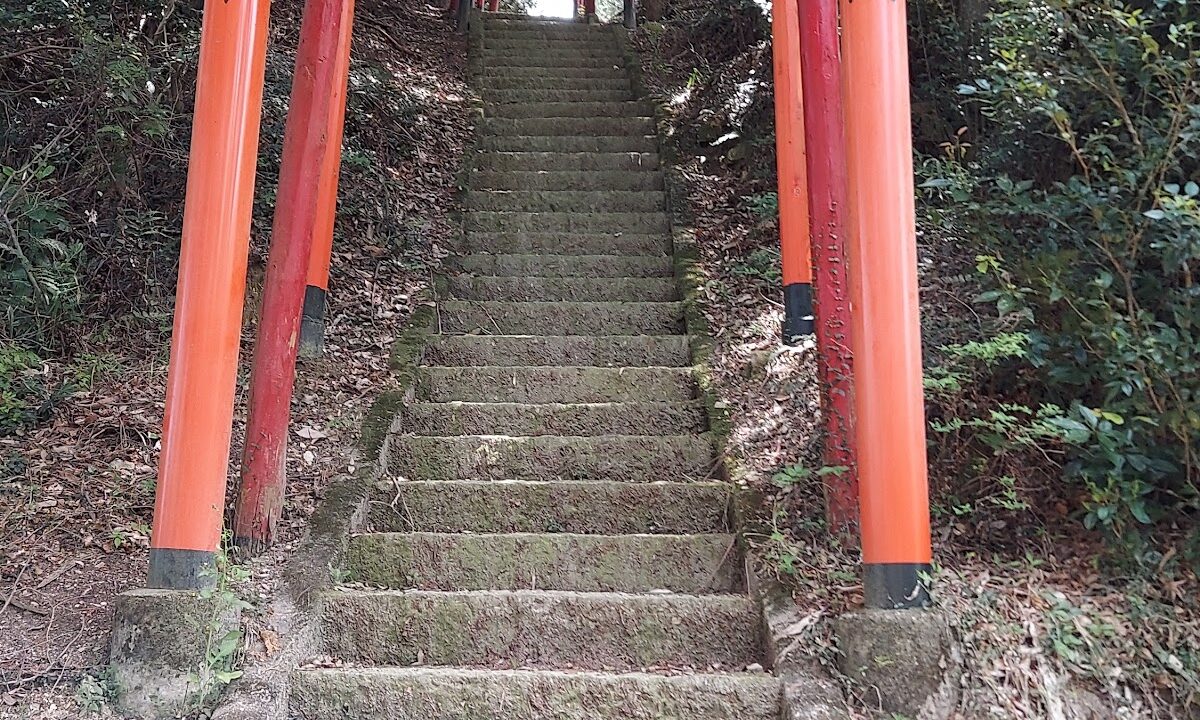
The Inari Shrine, built on the site of Kuroda Castle’s main keep, is a central point of interest at the current castle site. Passing through the red torii gate and climbing the stone steps, a tranquil shrine grounds unfolds. While the shrine itself was built after the Edo period, this location truly gives a sense of its former central castle site.
From the shrine grounds, you can overlook the surrounding terrain, helping you understand the geographical reasons why the castle was built in this location.
Information Boards and Explanations
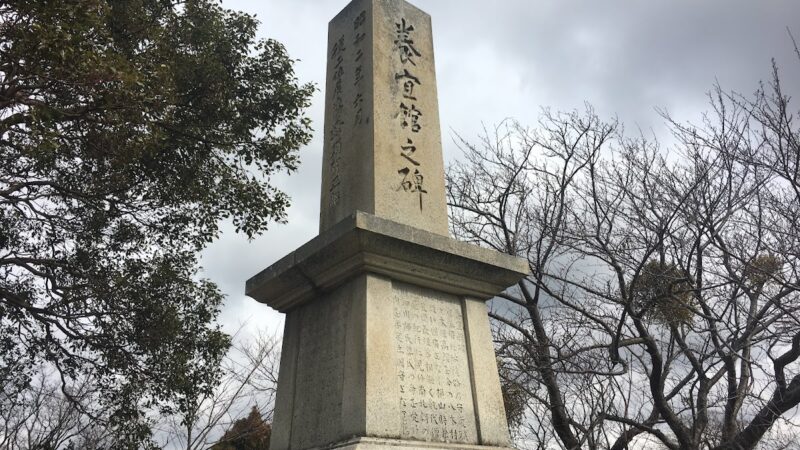
At the castle ruins, there are information boards installed by Nishiwaki City, explaining the history of Kuroda Castle and its connection to Kuroda Kanbei. Even first-time visitors can obtain basic information by reading these boards.
Hiking Trails
The hiking trails leading from the Inari Shrine are well-maintained and easy to walk. Although it’s only about 1.1 kilometers, it’s a valuable course where you can enjoy a forest bath while experiencing the atmosphere of a medieval mountain castle.
The route that passes through Nakaike Pond, the remains of the watchtower, the remains of the inner castle, and the summit of Tenguyama Mountain is also beneficial for understanding the overall structure of the castle. Those confident in their physical fitness should definitely give it a try.
Observing the Surrounding Topography
Walking around the castle ruins allows you to discern the defensive structure of the medieval mountain castle from the topography. Even without specialized knowledge, you can understand many aspects, such as the elevation changes of the baileys, traces of dry moats, and the arrangement of vertical trenches, thinking, “Ah, this is where they defended against the enemy.”
Historical Background of the Kurodasho Area
Geographical Location
The Kurodasho area is located in the northeastern part of Nishiwaki City, at the northern edge of the Kita-Harima region. It borders Tanba City to the north and Taka Town to the west, making it close to the border between Harima Province and Tanba Province. This geographical location enhanced the strategic importance of Kuroda Castle.
The Kakogawa River flows south through the center of the area, and National Route 175 runs north-south. The JR Kakogawa Line also runs through the area, with three stations: Kurodasho Station, Hon-Kuroda Station, and Funamachiguchi Station.
Origin of the Name Kuroda-sho
The place name “Kuroda-sho” originates from the medieval manorial system. This region was a manor called “Kuroda-sho,” and the Kuroda clan governed it as its land steward, thus the family name and place name coincide. This is important evidence that the Kuroda clan was deeply rooted in this area.
Shogonji Temple and the Kuroda Family Genealogy
Shogonji Temple, located in Kuroda, Kuroda-sho town, is known as a temple associated with the Kuroda clan. The “Shogonji Temple Kuroda Family Genealogy” preserved here is a valuable historical document recording the Kuroda clan’s lineage and serves as the basis for the theory that Kuroda Kanbei was from Kuroda-sho.
Shogonji Temple is also close to Kuroda Castle and is thought to have served as the Kuroda clan’s family temple. Visiting it along with the castle ruins will allow for a deeper understanding of the Kuroda clan’s history.
Access Methods
Access by Public Transportation
Using JR:
- Get off at Hon-Kuroda Station on the JR Kakogawa Line, approximately 15 minutes on foot.
- Get off at Kurodasho Station on the JR Kakogawa Line, approximately 20 minutes on foot.
Since the JR Kakogawa Line has limited service, it is recommended to check the timetable in advance. The walk from the station to the castle ruins will take you through a residential area, but there are signs along the way, so you are unlikely to get lost.
Access by Car
Access from Major Roads:
- Approximately 20 minutes from Takino-sha IC on the Chugoku Expressway via National Route 175.
- Approximately 30 minutes from Kasuga IC on the Maizuru-Wakasa Expressway via National Route 175.
Car Navigation Settings:
- Address: Kuroda, Kurodasho-cho, Nishiwaki City, Hyogo Prefecture
- Facility Name: Searchable as Kuroda Castle Ruins or Inari Shrine.
Parking:
There are several parking spaces near Inari Shrine. However, parking for large vehicles is difficult, so please be aware of this. It may get crowded during peak tourist season and on weekends, so we recommend visiting earlier in the day.
Combining with Nearby Facilities
The Kurodasho area also has other historical sites related to Kuroda Kanbei. For efficient sightseeing, the following route is recommended:
- Kuroda Castle Ruins (Inari Shrine)
- Shogonji Temple
- Kurodasho Historical and Folk Museum (Check opening days in advance)
By visiting these sites over half a day to a full day, you can gain a comprehensive understanding of the history of the Kuroda clan.
Points to Note and Advice for Visitors
Clothing and Equipment
Kuroda Castle Ruins is a mountain castle, so if you plan to walk along the trails, you will need light hiking gear. We recommend the following preparations:
- Shoes: Trekking shoes or non-slip athletic shoes
- Clothing: Comfortable clothing appropriate for the season (long sleeves and long pants recommended)
- Items to bring: Drinking water, towel, insect repellent (summer), rain gear
While regular athletic shoes are sufficient for visiting only the Inari Shrine, proper equipment is necessary if you plan to visit the watchtower ruins or the castle ruins.
Best Season for Visiting
Kuroda Castle Ruins are accessible year-round, but each season offers a different charm:
- Spring (March-May): Beautiful fresh greenery, mild weather, and pleasant walking conditions.
- Summer (June-August): Cool in the shade, but many insects, so heat protection is necessary.
- Autumn (September-November): Beautiful autumn foliage, the best season to visit.
- Winter (December-February): Fallen leaves make the ruins easier to see, but cold weather protection is necessary.
Estimated Time Required
- Visiting Inari Shrine Only: 30 minutes to 1 hour
- Exploring the Entire Castle Ruins, Including the Walking Paths: 2-3 hours
- Visiting Surrounding Historical Sites: Half a day to a full day
We recommend planning your visit with ample time.
Photography Tips
- The red torii gate and stone steps of the Inari Shrine
- The surrounding view from the shrine grounds
- The forest scenery along the walking path
- Panoramic view from the watchtower ruins
- Remains such as baileys and dry moats (easier to understand when photographed with the explanatory sign)
The Significance of Visiting Kuroda Castle
Experiencing Historical Romance
Kuroda Castle is a place where you can touch the roots of Kuroda Kanbei, one of the most famous military strategists in Japanese history. While there is debate about his birthplace, it is certain that the ancestors of the Kuroda clan took root in this area and built the foundation of their family.
Standing on the castle ruins and gazing at the surrounding terrain, you can imagine how medieval samurai lived and fought in this land. There is a living history romance there that you cannot learn from textbooks.
Learning About the Structure of Medieval Mountain Castles
Kuroda Castle possesses the characteristics of a typical medieval mountain castle, making it a valuable learning resource for studying castle architecture and defensive tactics of the Sengoku period. While the remains are not completely preserved, this is precisely what makes it interesting to interpret the castle’s structure from the topography.
The layout of the baileys, the location of the dry moats, and the role of the vertical moats can be better understood by actually walking around the site. For those interested in history and castles, Kuroda Castle is a historical site with much to learn from.
Experiencing Local History and Culture
Visiting the Kuroda Castle ruins is also an opportunity to experience the history and culture of the Kurodasho district in Nishiwaki City. You can feel the pride that the local people have taken in the historical sites, legends, and the historical figure of Kuroda Kanbei, which they have carefully preserved.
As part of a regional revitalization effort, the Kurodasho district is being developed as “Kanbei’s Village,” creating a warm atmosphere for visitors. Interacting with the community through history is also one of the joys of visiting.
Nearby Tourist Spots
Highlights in Nishiwaki City
Japan’s Navel Park:
Nishiwaki City is said to be located at the center (navel) of Japan, and is home to “Japan’s Navel Park.” This facility, with its science museum and observation deck, is enjoyable for families.
Former Kurisumi Residence: This Edo-period farmhouse, designated as a National Important Cultural Property, offers insights into the lifestyle of the time.
Banshu Textile Workshop: This facility allows visitors to learn about Banshu textiles, a traditional industry of Nishiwaki City. Visitors can observe the history and manufacturing process of the textiles.
Historical Sites in Neighboring Municipalities
Taka Town: Taka Town, adjacent to the west of Nishiwaki City, also has numerous medieval mountain castle ruins. Those who enjoy castle tours might consider visiting both.
Tanba City: Tanba City, adjacent to the north, is home to the Kuroi Castle Ruins (National Historic Site). This is another mountain castle from the Sengoku period, known for its involvement in the conquest by Kuroda Kanbei.
Summary
Kuroda Castle is a medieval mountain castle site located in Kurodasho-cho, Nishiwaki City, Hyogo Prefecture, and is an indispensable historical site for exploring the roots of Kuroda Kanbei, a renowned military strategist of the Sengoku period. Believed to have been built by Kuroda Shigekatsu during the Muromachi period, the castle is now the grounds of an Inari Shrine, but remnants such as baileys, dry moats, and vertical moats remain, allowing visitors to learn about the structure of a medieval mountain castle.
There are two theories regarding Kanbei’s birthplace: Himeji and Kurodasho. While the Himeji theory is the more prevalent historical view, it is certain that the Kuroda clan’s roots were in this area, making it of significant importance in tracing the family’s history.
Access to the castle site is convenient via the JR Kakogawa Line or by car, and the Inari Shrine is easily accessible. If you have the time and energy, walking along the promenade to the remains of the watchtower and the inner citadel will allow you to gain a deeper understanding of the overall structure of the castle.
This spot is recommended not only for history buffs and castle enthusiasts, but also for those who enjoy hiking and nature walks. Visiting it along with other historical sites in the Kurodasho area allows you to comprehensively learn about the history of the Kuroda clan and Kuroda Kanbei.
Why not experience the romance of history, spanning from the Middle Ages to the Sengoku period, in this tranquil mountain castle ruin?