Complete Guide to Kitsuki Castle (Oita Prefecture): History, Highlights, and Access Information
Kitsuki Castle, located in Kitsuki City, Oita Prefecture, is a flatland castle built on a hill overlooking Morie Bay. Having played a crucial role as a strategic point on the Kunisaki Peninsula from the Muromachi period to the Edo period, this castle is now designated a National Historic Site and is a popular historical spot visited by many tourists. This article provides a detailed explanation of everything you need to know before visiting, from the history of Kitsuki Castle to its highlights and access methods.
Overview of Kitsuki Castle
Kitsuki Castle is a historical castle located in Kitsuki, Kitsuki City, Oita Prefecture. Also known as Katsuyama Castle, Kitsuki Castle, Daiyama Castle, and Gagyū Castle, it is built on a hill (approximately 26 meters above sea level) near the mouth of the Yasaka River.
Location Features
The most distinctive feature of Kitsuki Castle lies in its location. Surrounded on three sides by water—the Takayama River to the north, the Yasaka River to the south, and Morie Bay to the east—Kitsuki Castle boasts a naturally fortified structure with excellent defensive capabilities. This geographical advantage is one of the reasons why Kitsuki Castle continued to function as an important military base throughout its long history.
The current Kitsuki Castle keep is a three-story replica built in 1970 based on old drawings, and the interior is used as a museum. The area around the castle ruins has been developed into Shiroyama Park, and some of the stone walls remain, allowing visitors to imagine what it was like in its heyday.
Castle Structure
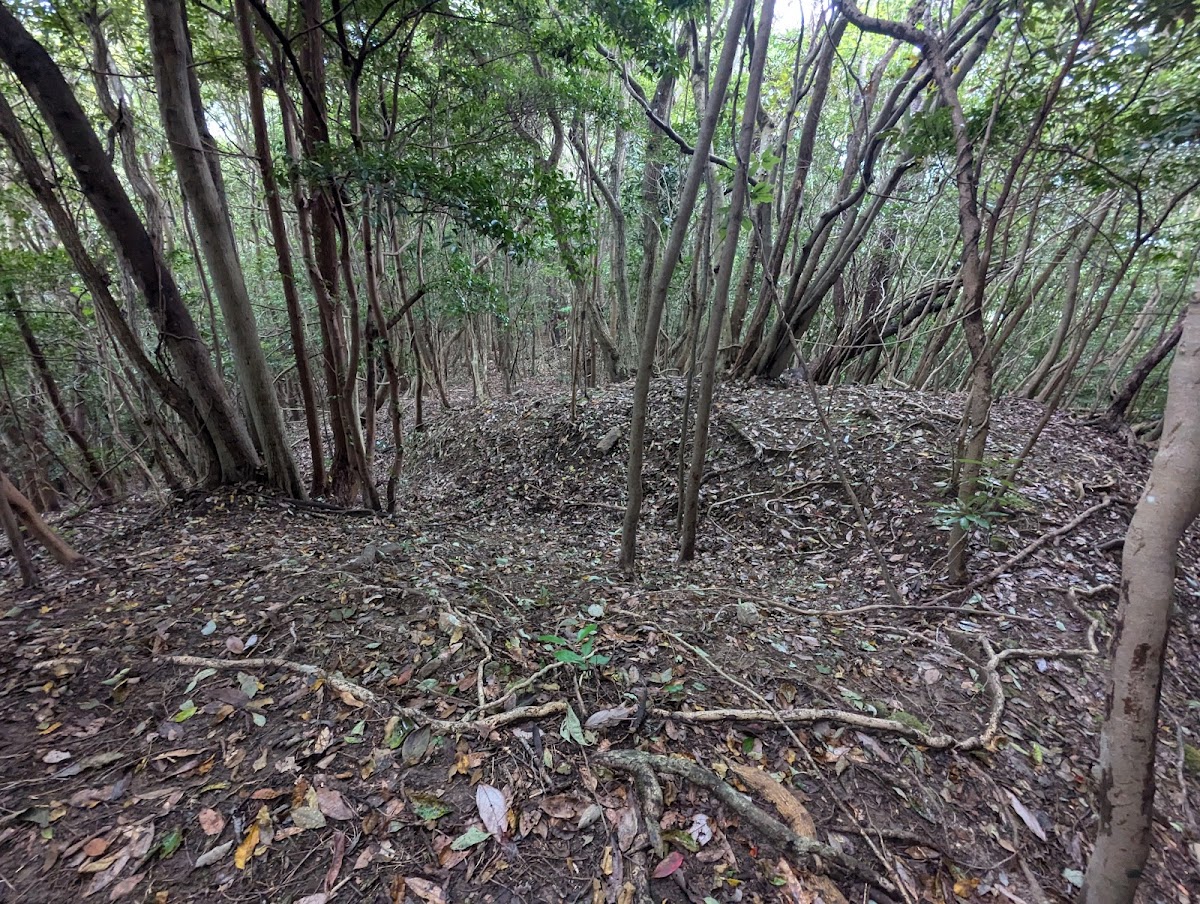
Kitsuki Castle was built as a flatland castle with a series of interconnected enclosures. The plateau was divided into four sections by dry moats, with each section containing an enclosure. This series of enclosures enhanced defensive capabilities and was a clever way to efficiently utilize the limited plateau.
The Daiyama district, where the castle once stood, and the feudal lord’s residence district at the foot of the mountain are both recognized for their historical value, and both districts are designated as national historic sites. Furthermore, the site of the feudal lord’s residence is also designated as a historic site by Oita Prefecture, and the entire Kitsuki Castle site is protected as a cultural property.
History of Kitsuki Castle
From the Castle’s Construction to the Era of the Kitsuki Clan
The history of Kitsuki Castle begins in the early Muromachi period, in the first year of the Oei era (1394). It is believed that Kitsuki Yorinao, the fourth head of the Kitsuki clan, a branch of the Otomo clan, built the castle on what is now Daiyama.
The Kitsuki clan originally had their castle in a different location, but Yorinao built a new castle at the current location for strategic reasons. Facing Morie Bay and surrounded by water on three sides, this location was both a crucial point for maritime traffic and a strategically advantageous location for defense.
The Kitsuki clan, as senior retainers of the Otomo clan, played a crucial role in supporting the Otomo clan’s rule over the Kunisaki Peninsula. Throughout the Sengoku period, the Kitsuki clan followed the Otomo clan and operated from Kitsuki Castle as their base during the power struggles in Kyushu.
Battles of the Sengoku Period
During the Sengoku period, Kitsuki Castle became the stage for fierce battles between the Otomo and Shimazu clans. In the conflict between these two forces vying for supremacy in Kyushu, Kitsuki Castle, a strategically important location on the Kunisaki Peninsula, held a vital position.
Of particular note are events related to the Battle of Sekigahara in 1600. At that time, Kitsuki Castle was granted as an exclave to Hosokawa Tadaoki, the lord of Miyazu Castle in Tango Province. During the Battle of Sekigahara, Kitsuki Castle was attacked by Yoshihiro Muneyuki, a senior retainer of Otomo Yoshimune, who sought to reclaim his former territory.
In the face of this crisis, Kuroda Kanbei (Josui) rushed to the aid of the castle and successfully defended Kitsuki Castle. This battle is known as a prelude to the Battle of Ishigakihara, and the siege of Kitsuki Castle was a crucial phase of the Battle of Sekigahara in Kyushu.
Changes in the Edo Period
During the Edo period, Kitsuki Castle passed through the hands of several feudal lords. After the Hosokawa clan, the Ogasawara clan became the lords, and then the Matsudaira clan ruled the castle.
Of particular note is the history of the place name change that occurred in 1712. A vermilion seal document bestowed by Shogun Tokugawa Ienobu mistakenly wrote “Kitsuki” as “Kitsuki,” and this error was adopted, making “Kitsuki” the official spelling from then on. This incident is recounted as an interesting anecdote regarding the origin of the place name.
Throughout the Edo period, Kitsuki Castle, despite being a small domain, developed into a castle town, forming a distinctive town layout known as a “sandwich-type castle town.” Samurai residences were located on the northern and southern hillsides, separated by a valley, with a merchant district sandwiched in between—a structure rare even nationwide.
From the Meiji Era to the Present
With the abolition of the feudal domains and establishment of prefectures during the Meiji era, Kitsuki Castle was abandoned. Many of the castle’s structures were demolished, leaving only a portion of the stone walls.
In 1970 (Showa 45), to commemorate the establishment of Kitsuki City, a replica castle tower was constructed based on old maps and documents. While this tower prioritizes its role as a tourist attraction over historical accuracy, it is a beloved symbol of Kitsuki Castle among the citizens.
Since the Heisei era, the historical value of the Kitsuki Castle ruins has been re-evaluated, and efforts for preservation and utilization have been advanced. As a result, the Daiyama district and the feudal lord’s residence district have been designated as national historical sites, strengthening their protection as cultural properties. ## Remains and Highlights of Kitsuki Castle
Existing Stone Walls
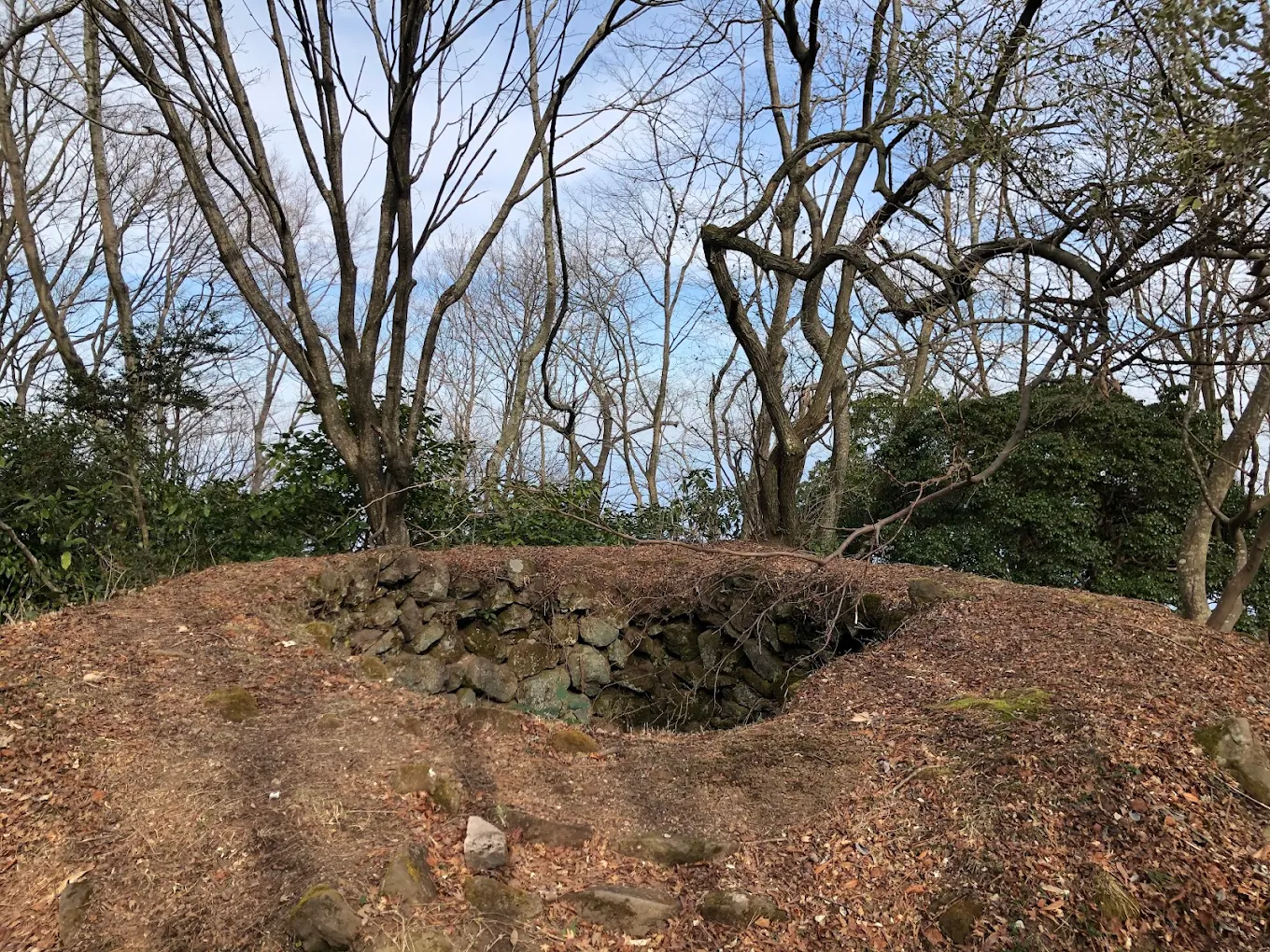
The most important remains of Kitsuki Castle are the existing stone walls. Within the grounds, which have been developed into Shiroyama Park, parts of the Edo period stone walls remain, allowing visitors to observe the castle-building techniques of the time up close.
The stone walls exhibit different construction methods depending on the era, such as rough-hewn stonework and fitted stonework, making them valuable historical materials that tell the story of the castle’s evolution. The stone walls around the keep base are particularly well-preserved and are a popular spot for photography.
Replica Keep and Museum
The three-story replica keep, built in 1970, is a landmark of Kitsuki Castle. The interior of the keep is open to the public as a museum, displaying artifacts of successive feudal lords, armor, swords, and ancient documents.
Particularly noteworthy exhibits include materials related to the Kitsuki and Matsudaira clans, old maps illustrating the history of the Kitsuki domain, and materials showing the changes in the castle town. Through these exhibits, you can gain a deep understanding of the history of Kitsuki Castle and the Kitsuki Domain.
You can also try on samurai armor inside the museum and take commemorative photos while wearing it, making it a particularly popular activity for families.
View from the Keep
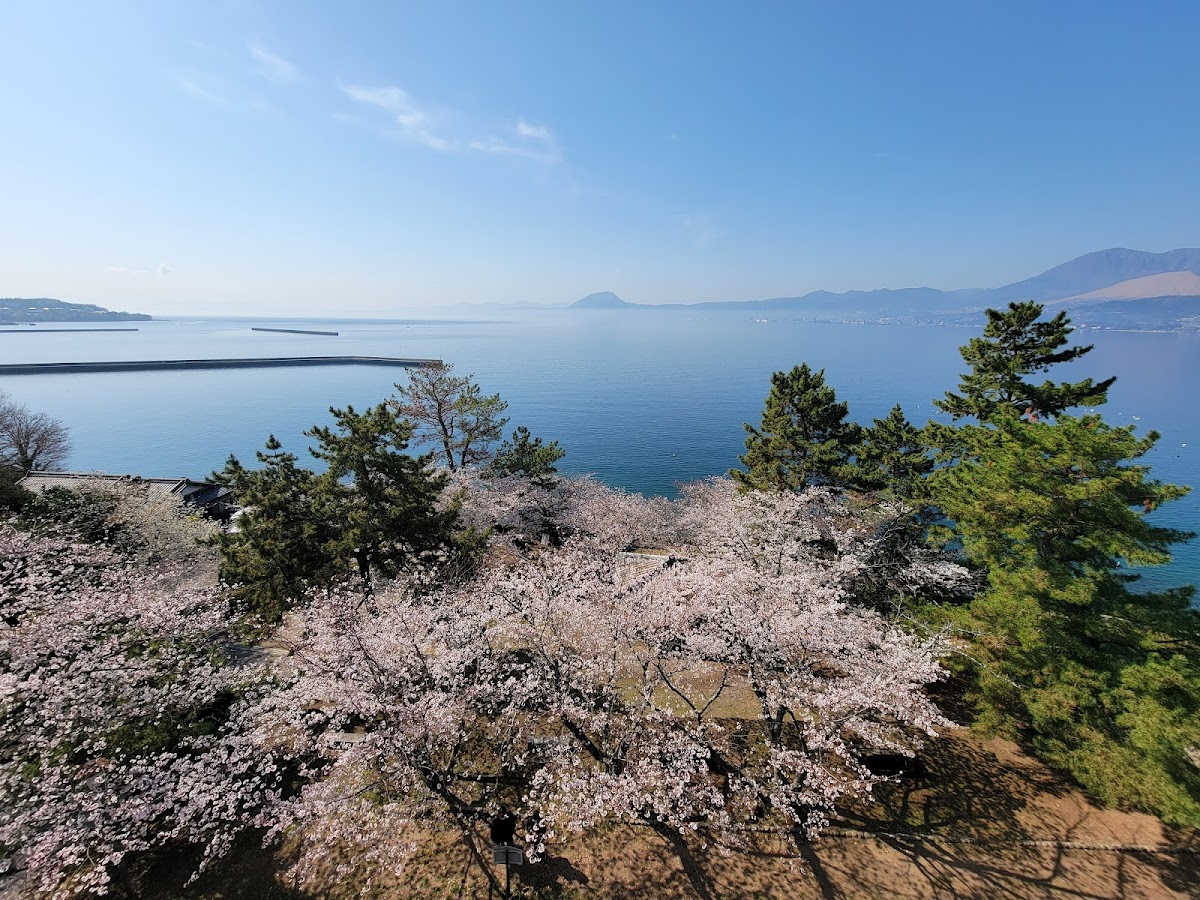
From the top floor of Kitsuki Castle’s keep, a spectacular view of Morie Bay unfolds. To the east, you can see the calm seascape of Morie Bay; to the north, the flow of the Takayama River; and to the south, the Yasaka River and the townscape of Kitsuki.
On particularly clear days, you can even see the mountains of the Kunisaki Peninsula and the distant mountains of Shikoku, and many tourist guides highlight the “must-see view of the sea.” At dusk, the sunset over Morie Bay is beautiful, making it a popular spot for photography enthusiasts.
Strolling through Shiroyama Park
The area around the keep is developed as Shiroyama Park, where you can enjoy a stroll while appreciating the nature of each season. In spring, the park is known as a popular spot for cherry blossom viewing.
Walking paths are maintained within the park, allowing visitors to imagine the former castle’s appearance as they stroll along the stone walls and moat remains. Information boards are also abundant, making it enjoyable to learn about the castle’s history and structure while exploring.
Site of the Lord’s Residence
At the foot of Mt. Daiyama lies the site of the former lord’s residence. Currently, only a portion of the remains remains, and it is designated as a historical site by Oita Prefecture. The area around the residence is also accessible for strolling, allowing visitors to imagine the life of the Edo-period lord.
Basic Information (Opening Hours, Fees, Access)
Opening Hours & Closing Days
Opening Hours
- 9:00 AM – 5:00 PM (Last entry 4:30 PM)
Closing Days
- Year-end and New Year holidays (December 29th – January 3rd)
- Other temporary closures may occur.
We recommend checking the official website or the Kitsuki City Tourism Association for the latest information before visiting.
Fees
Admission Fee
- General: 500 yen
- Elementary and Junior High School Students: 250 yen
Discounted Combined Admission Ticket
A combined admission ticket is a great deal for those visiting cultural and tourist facilities in Kitsuki City.
- General: 1,500 yen
- Elementary and Junior High School Students: 750 yen
The combined admission ticket allows you to use Kitsuki Castle and other major tourist facilities in the city, such as the Kitsuki Castle Town Museum. It is especially recommended for those planning a stroll through the castle town.
Access Information
By Public Transportation
- Get off at Kitsuki Station on the JR Nippo Main Line.
- Take the Kunisaki Kanko Bus or Oita Kotsu Bus bound for Kitsuki Bus Terminal (approximately 10 minutes).
- Get off at the final stop, Kitsuki Bus Terminal.
- Kitsuki Castle is approximately a 12-minute walk away.
From the bus terminal to Kitsuki Castle, you can enjoy walking through the charming townscape of the castle town. There are slopes, so we recommend wearing comfortable shoes.
By Car
- From Oita Airport: Approximately 30 minutes
- From Oita City: Approximately 50 minutes via National Route 10
- From Beppu City: Approximately 40 minutes
Parking
Free parking is available around Kitsuki Castle. There is space for approximately 30 regular cars, and parking is relatively easy outside of peak tourist season. However, it can get crowded during cherry blossom season and long weekends, so we recommend arriving early.
Recommended Spots Around Kitsuki Castle
Exploring Kitsuki Castle Town
When visiting Kitsuki Castle, be sure to enjoy exploring the castle town. Kitsuki is known as a “sandwich-type castle town,” characterized by its unique layout where samurai residences line the hills to the north and south, separated by a valley, with a merchant district in between.
Samurai Residences on the North and South Hills
The cobblestone slopes of “Suya-no-saka” and “Shioya-no-saka” are representative scenic spots of Kitsuki. Samurai residences that retain the atmosphere of the Edo period are scattered throughout, and some of them are open to the public.
- Ohara Residence
- Isoya Residence
- Nomi Residence
These samurai residences offer a glimpse into the lifestyle of samurai during the Edo period.
Kitsuki Castle Town Museum
For those who want to learn more about the history and culture of Kitsuki, a visit to the Kitsuki Castle Town Museum is highly recommended. The museum boasts extensive exhibits on the history of the Kitsuki domain, the development of the castle town, and traditional crafts. Visiting it in conjunction with Kitsuki Castle will provide a more comprehensive understanding of the history.
Strolling Through the Castle Town in a Rental Kimono
Renting a kimono from places like “Rental Kimono Warakuan” and strolling through the castle town while experiencing the atmosphere of the Edo period is a popular activity. Walking along the cobblestone streets and past samurai residences in a kimono offers a special experience that feels like stepping back in time.
Nearby Gourmet Spots
Tea House Tomaya
For a break during your stroll through the castle town, “Tea House Tomaya” is recommended. Enjoy traditional Japanese sweets and matcha tea while reflecting on the history of Kitsuki.
Local Seafood
Kitsuki faces Morie Bay, and is rich in fresh seafood. Around the castle town, there are many restaurants serving dishes made with locally caught seafood.
Hot Spring Facilities
JA Ikoi no Mura Ikoi no Yu
After sightseeing at Kitsuki Castle, relaxing in a hot spring is highly recommended. “Ikoi no Yu” offers day-use bathing, perfect for relieving sightseeing fatigue.
Accommodations
Wa no Yado Kappo Mikuniya
For those who want to fully enjoy Kitsuki, an overnight stay is recommended. There are accommodations such as “Wa no Yado Kappo Mikuniya” where you can experience the atmosphere of the castle town. Dishes made with local ingredients are also a major attraction.
Points to Note When Visiting Kitsuki Castle
Recommended Time to Visit
Spring (Late March to Early April)
Cherry blossom season is one of the most beautiful times to visit Kitsuki Castle. The cherry blossoms in Shiroyama Park are in full bloom, creating a magnificent collaboration between the castle tower and the blossoms. However, it gets crowded during this time, so visiting earlier in the day is recommended.
Autumn (November)
The autumn foliage is beautiful, and the view from the castle tower is especially spectacular. The weather is mild, making it ideal for strolling around the castle town.
Estimated Time Required
- Kitsuki Castle Tower Only: 30 minutes to 1 hour
- Stroll Including Shiroyama Park: 1 hour to 1 hour 30 minutes
- Including Strolling Around the Castle Town: 3 hours to half a day
If you want to thoroughly enjoy Kitsuki Castle and the castle town, we recommend allocating about half a day.
Clothing and Items to Bring
Since there are many slopes when accessing Kitsuki Castle and strolling around the castle town, comfortable walking shoes are essential. Women, in particular, should avoid high heels.
The stairs inside the castle tower are steep, so we recommend wearing comfortable clothing. Also, the top floor of the castle tower is a space to enjoy the view, so it’s a good idea to bring a camera.
Recommended Photo Spots
- Castle Tower and Stone Walls: A composition of the castle tower and stone walls viewed from within Shiroyama Park.
- View from the Top Floor of the Castle Tower: A panoramic view overlooking Morie Bay.
- Slopes of the Castle Town: Townscape viewed from Suya Slope and Shioya Slope.
- Castle Tower in Cherry Blossom Season: A collaboration of cherry blossoms and the castle tower, available only in spring.
Historical Value and Future Preservation of Kitsuki Castle
The designation of Kitsuki Castle ruins as a National Historic Site means that its historical and cultural value has been recognized at the national level. The remains of the castle, which have continued since the Muromachi period, especially the traces of the stone walls and layout, are valuable resources for understanding the changes in castle architecture from the medieval to the early modern period.
In response to the National Historic Site designation, Kitsuki City is promoting more planned preservation and utilization. Efforts are ongoing to enhance the value of the site as a cultural asset while also utilizing it as a tourist resource, through the discovery of new remains via archaeological excavations, the restoration of stone walls, and the improvement of informational signage.
Furthermore, the preservation of the entire castle town, integrated with Kitsuki Castle, is considered important, and town development is progressing, taking advantage of the unique “sandwich-type castle town” layout. Efforts continue to pass on the unique charm of Kitsuki to future generations, while preserving historical buildings, maintaining traditional landscapes, and harmonizing them with modern life.
Summary
Kitsuki Castle is a castle with a history of over 600 years, built in 1394 during the Muromachi period by Kitsuki Yorinao. Its location as a natural stronghold surrounded by water on three sides, the fierce battles of the Sengoku period, the peaceful domain administration of the Edo period, and its preservation and utilization as a cultural asset in modern times, have all played diverse roles throughout its long history.
Currently, Kitsuki Castle welcomes many tourists as a replica keep and museum. The view of Morie Bay from the castle tower, the surviving stone walls, and a stroll through the surrounding castle town make this a valuable spot to experience the history and culture of Kitsuki.
When you visit Oita Prefecture, be sure to visit Kitsuki Castle and its castle town to feel the charm of Japanese history and traditional culture. Its historical value as a designated national historical site, its beautiful scenery, and the warm interactions with the local people will surely create wonderful travel memories.