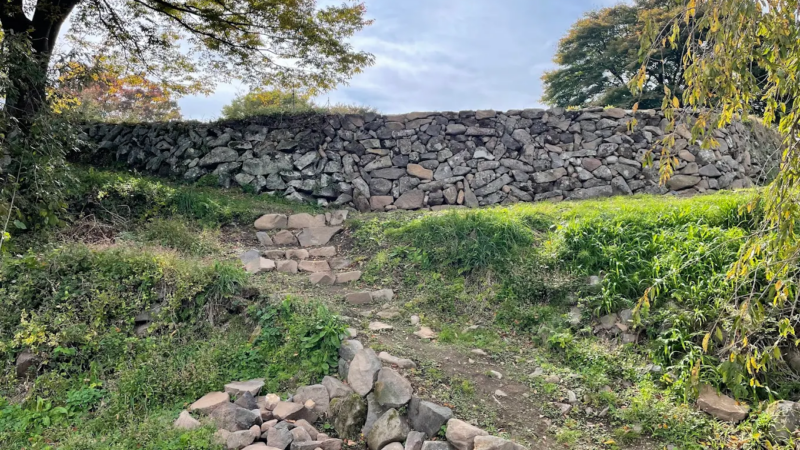
A Complete Guide to the History and Highlights of Kasuga Castle | Explaining the Differences Between the Famous Castle in Ina District, Shinano Province and Kasugayama Castle
Many people will notice that there are multiple castles named “Kasuga Castle” when searching for it. Castles named “Kasuga Castle” exist throughout Japan, each with its own distinct history and characteristics. This article provides a detailed explanation of the history, structure, highlights, and access methods for the major Kasuga Castles: Kasuga Castle in Ina District, Shinano Province, Kasugayama Castle in Echigo Province, and Kasuga Castle in Saku District.
What is Kasuga Castle? An Overview of the Multiple Kasuga Castles
The name “Kasuga Castle” exists in various locations throughout Japan, making it easy to confuse them. The main Kasuga Castles are as follows:
Kasuga Castle in Ina District, Shinano Province (Ina City, Nagano Prefecture)
Located in Nishimachi, Ina City, Nagano Prefecture, Kasuga Castle is known as the residence of Inabe Yamato-no-kami Shigeaki, a powerful local lord of Ina during the Sengoku period. Currently, the site is maintained as Kasuga Castle Ruins Park and is a popular tourist spot known for its cherry blossoms, one of the prefecture’s leading locations.
Kasugayama Castle in Echigo Province (Joetsu City, Niigata Prefecture)
Located in Joetsu City, Niigata Prefecture, Kasugayama Castle is nationally famous as the residence of Uesugi Kenshin, a renowned general of the Sengoku period. It has been selected as one of Japan’s Top 100 Castles and is protected as a nationally designated historical site. It is considered a prime example of a mountain castle from the Sengoku period, renowned for its impregnability.
Kasuga Castle in Saku District (Saku Region, Nagano Prefecture)
Kasuga Castle, located in the Saku region of Nagano Prefecture, is said to have been built by the Kasuga clan. After Takeda Shingen’s invasion of Saku, it came under the control of the Ashida Castle lord and became an important base during the Tensho-Jingo War.
History of Kasuga Castle, Ina District, Shinano Province
Construction History and Lineage of the Castle Lords
Kasuga Castle was built in Tenbun 3 (1534) by Inabe Yamato-no-kami Shigeyoshi, the 16th generation descendant of Awataguchi Minbu Shigeyoshi, a descendant of the Taira clan. Because Shigeyoshi’s original surname was “Kasuga,” the castle came to be called “Kasuga Castle.”
Shigeyoshi initially held a position of 10 cavalrymen with a stipend of 300 kanmon, but gradually expanded his power. Shigeyoshi’s son, Shigenari, had two sons; the eldest son, Shigechika, founded Kasuga Shrine, and the second son, Shigekuni, established a branch family and built Tonoshima Castle in Higashi-Haruchika.
Conflict with Takeda Shingen and the Fall of the Castle
During the Sengoku period, Inabe Shigechika rebelled against Takeda Shingen and was subsequently suppressed. The brothers Shigechika and Shigekuni were crucified at Rendaiba in Kitsunejima district, and Kasuga Castle came under the control of the Takeda clan. Later, Kasuga Castle was developed as a subsidiary castle of Takato Castle and became one of the Takeda clan’s bases for controlling Shinano Province.
Oda Nobunaga’s Invasion of Shinano and its End
In Tensho 10 (1582), when Oda Nobunaga’s forces invaded Shinano, Kasuga Castle, along with its main castle Takato Castle, was attacked. Faced with the overwhelming force of the Oda army, Kasuga Castle fell, ending its role as a castle in the Sengoku period.
Structure and Characteristics of Kasuga Castle
Layout and Defensive Facilities
Kasuga Castle is a flatland castle built on a small hill, with a structure that skillfully utilizes the natural terrain. The castle’s defensive facilities have the following characteristics:
- Dry Moat: Multiple deep moats designed to prevent enemy intrusion can be seen.
- Earthwork: Earthworks surrounding the baileys still remain.
- Bailey Layout: Multiple baileys are arranged in a stepped pattern around the main bailey.
Remaining Structures Today
The following remains can be seen at the current Kasuga Castle Ruins Park:
- Main Bailey Site: The central part of the castle, now developed as a plaza.
- Dry Moat Site: Part of it is well-preserved, allowing for an understanding of the defensive structure at the time.
- Earthwork Site: The earthworks remaining around the baileys allow for an estimation of the castle’s size.
- Stone Monument/Information Board: Information boards explaining the castle’s history are installed.
Highlights and Tourist Information of Kasuga Castle Ruins Park
Charm as a Cherry Blossom Viewing Spot
Kasuga Castle Ruins Park is known as one of Nagano Prefecture’s leading cherry blossom viewing spots, alongside Takato Castle. In spring, approximately 200 cherry trees bloom, attracting many visitors. The contrast between the city of Ina and the cherry blossoms, visible from the castle ruins, is a breathtaking sight.
Castle Notes (Points of Interest)
Historical Remains
- View from the Main Enclosure: You can enjoy a panoramic view of Ina city, understanding the importance of the castle’s location.
- Depth of the Dry Moat: You can actually walk through the dry moat and experience the defensive techniques of the Sengoku period.
- Layout of Earthworks: You can observe the different heights and shapes of the earthworks in each enclosure.
Attractiveness as a Tourist Spot
- Nature in Every Season: Not only is it beautiful during cherry blossom season, but the fresh greenery and autumn leaves are also lovely.
- Walking Paths: You can easily enjoy exploring the castle ruins on the well-maintained walking paths.
- Rest Facilities: Benches and gazebos are provided for a relaxing stay.
Photo Gallery: Recommended Photo Spots
The following are recommended photo spots at Kasuga Castle Ruins Park.
- View from the Main Enclosure: You can take photos with Ina city and the Central Alps in the background.
- Cherry Blossom Avenue: In spring, a tunnel of cherry blossoms forms, making it an excellent photo spot.
- Dry Moat: You can photograph the remains of the Sengoku period up close.
- Around the Stone Monument: Perfect for commemorative photos that evoke a sense of history.
Access and Visiting Guide to Kasuga Castle
Access by Train
It is approximately a 20-minute walk from JR Iida Line “Ina-shi Station”. The route from the station goes through the city center and up a gentle slope, with guide signs along the way.
Access by Car
- Approximately 10 minutes from the Ina Interchange on the Chuo Expressway
- Parking: Free parking is available at Kasuga Castle Ruins Park (may be crowded during cherry blossom season)
Visiting Hours and Fees
- Opening Hours: Always open (maintained as a park)
- Admission Fee: Free
- Estimated Time Required: Approximately 30 minutes to 1 hour for exploring the castle ruins
Points to Note When Visiting
- Access to earthworks and dry moats may be restricted to protect the remains.
- The park can be crowded during cherry blossom season (early to mid-April) due to events.
- We recommend wearing comfortable shoes.
- Checking the information boards while visiting will deepen your understanding.
Differences from Kasugayama Castle (Joetsu City, Niigata Prefecture)
When searching for “Kasuga Castle,” the more famous Kasugayama Castle (Joetsu City, Niigata Prefecture) often appears, so let’s clarify the differences between the two.
Overview of Kasugayama Castle
Kasugayama Castle is one of Japan’s most prominent mountain castles, known as the residence of Uesugi Kenshin. Built on Hachigamine Peak at an altitude of 182m, it boasts a vast castle area spanning approximately 2km square. It was originally constructed by the Uesugi family, the governors of Echigo Province, during the Nanboku-cho period, and extensively renovated by Uesugi Kenshin in the 15th century.
Main Differences
| Item | Kasuga Castle (Ina City) | Kasugayama Castle (Joetsu City) |
|——|——————|——————–|
| Location | Ina City, Nagano Prefecture | Joetsu City, Niigata Prefecture |
| Lord | Inabe Clan | Uesugi Clan |
| Year of Construction | 1534 | Nanboku-cho Period |
| Scale | Small-scale hilltop castle | Large-scale mountain castle |
| Current Status | Kasuga Castle Ruins Park (Famous for Cherry Blossoms) | National Historic Site / One of Japan’s 100 Famous Castles |
| Characteristics | Residence of a Local Powerful Family | Headquarters of a Sengoku Daimyo |
Highlights of Kasugayama Castle
Kasugayama Castle is a strong fortress that utilizes the complex natural terrain and was praised as “an impregnable castle of the land.” Numerous baileys, dry moats, and earthworks remain in excellent condition today, making it a valuable historical site for learning about the structure of mountain castles from the Sengoku period.
Access to Kasugayama Castle is convenient via a 30-minute walk from JR Shin’etsu Main Line “Kasugayama Station” or by bus from “Naoetsu Station.” There are also plenty of nearby facilities, including a tourist information center and the Kasugayama Castle Ruins Story Museum.
About Kasuga Castle in Saku District
A Kasuga Castle also existed in the Saku region of Nagano Prefecture. This castle is said to have been built by the Kasuga clan, and after Takeda Shingen’s invasion of Saku, it came under the control of Ashida Nobumori, the lord of Ashida Castle.
Role in the Tensho-Jingo War
During the Tensho-Jingo War, Ashida Nobumori (Yoda Nobumori), the son of Ashida Nobumori, sided with the Tokugawa and used Kasuga Castle as a base to conduct political maneuvers in Saku District. During this period, Kasuga Castle functioned as an important military base in Tokugawa Ieyasu’s rule of Shinano Province.
Current Situation
While there are few clear remains of Kasuga Castle in Saku District today, it is recognized locally as a historical site. Although not as well-maintained as Kasuga Castle in Ina City, it is an interesting spot for history enthusiasts.
Nearby Castles and Tourist Spots
Takato Castle (Ina City, Nagano Prefecture)
Located about 20 minutes by car from Kasuga Castle, Takato Castle is an important fortress that functioned as the main castle of Kasuga Castle. Currently, it is maintained as Takato Castle Ruins Park and is a famous cherry blossom viewing spot known as “the best cherry blossoms in the world.” In spring, approximately 1,500 Takato Kohigan cherry trees bloom, attracting tourists from all over Japan.
Tonoshima Castle (Ina City, Nagano Prefecture)
Tonoshima Castle, built by Shigekuni, the second son of Inabe Shigenari, the lord of Kasuga Castle, is also located in the vicinity. Like Kasuga Castle, it functioned as a base for the Inabe clan, but it fell after they rebelled against Takeda Shingen.
Tourist Spots in Ina City
- Ina City Creative Center: A facility introducing the history and culture of the Ina Valley
- Miharashi Farm: An experiential agricultural park popular with families
- Nakazenji Temple: A temple associated with the Inabe clan
- Ina City Center: Enjoy local gourmet food and shopping
Castle Stamp and Castle Goods Information
Castle Stamp Sales
The castle stamp for Kasuga Castle (Ina City) is sold at tourist information centers and some souvenir shops in Ina City. It is a valuable item as a memento of your visit and for castle collectors. It is recommended to check the sales locations and stock status in advance.
Castle-Related Goods
The Ina City Tourism Association and surrounding tourist facilities sell goods related to Kasuga Castle and Takato Castle. Pamphlets, postcards, and historical guidebooks are available. ## Event Information and Seasonal Attractions
Spring (Late March to Mid-April)
This is the biggest event season at Kasuga Castle Ruins Park. The Cherry Blossom Festival is held to coincide with the cherry blossom season, and nighttime illuminations are also implemented. Stalls line the area, offering local specialties and light snacks.
Summer (July to August)
This season is characterized by beautiful fresh greenery and cool breezes. It’s an ideal time for historical walks, and with relatively few tourists, you can leisurely explore the ruins.
Autumn (October to November)
This is the season of beautiful autumn foliage. The cherry leaves change color, and the entire castle ruins are dyed in autumn hues. The air is clear, making the view from the main enclosure particularly spectacular.
Winter (December to February)
The castle ruins amidst a snowy landscape create a fantastical atmosphere. While there are fewer visitors, you can reflect on the Sengoku period in the quiet tranquility.
Historical Value and Significance of Kasuga Castle as a Cultural Property
Importance in Local History
Kasuga Castle is an important historical site that illustrates the realities of regional governance in the Ina Valley during the Sengoku period. As a castle embodying the flow of the Sengoku period—the rise and fall of the local Inabe clan, the Takeda clan’s rule over Shinano, and the Oda clan’s invasion—its historical value is highly regarded.
Position in Castle Research
Kasuga Castle is a typical example of a small to medium-sized hilltop castle and is attracting attention in castle research. Its layout, utilizing natural terrain, and defensive structures such as dry moats and earthworks provide valuable information for understanding Sengoku period castle construction techniques.
Efforts for Preservation and Utilization
Ina City is developing the Kasuga Castle site as a park, preserving it as a historical heritage site while also providing a place of relaxation for citizens. Efforts to pass on history to future generations continue through maintenance such as the installation of information boards, protection of remains, and regular mowing.
Model Itinerary for Visiting Kasuga Castle
Half-Day Course (Duration: Approx. 3 Hours)
- JR Ina City Station (Start)
- Arrive at Kasuga Castle Ruins Park (20-minute walk)
- Explore the castle ruins (approx. 1 hour): Main enclosure → Dry moat → Earthworks → Observation point
- Visit Kasuga Shrine (5-minute walk)
- Lunch in Ina city (Enjoy local cuisine)
- Return to Ina City Station
Full-Day Course (Duration: Approx. 6 Hours)
- JR Ina City Station (Start)
- Explore Kasuga Castle Ruins Park (approx. 1.5 hours)
- Travel by car (approx. 20 minutes)
- Visit Takato Castle Ruins Park (approx. 2 hours)
- Lunch at Takato Soba Restaurant
- Visit Ina City Creative Center (approx. 1 hour)
- Shopping and Cafes in Ina City
- Return to Ina City Station
Accommodation Information and Surrounding Facilities
Recommended Accommodations
There are several accommodations in Ina City, which can be used as a base for sightseeing at Kasuga Castle.
- Business Hotels: Several are located around JR Ina City Station, offering convenient access.
- Hot Spring Inns: There are also day-trip hot spring facilities around Ina City, perfect for refreshing yourself after sightseeing.
- Guesthouses/Pensions: You can enjoy dishes made with local ingredients.
Food and Gourmet Information
Ina City has its own unique gourmet culture, including Ramen (a local dish using steamed noodles) and Sauce Katsu Don. You can also enjoy Shinshu soba and dishes using local vegetables. There are many restaurants scattered around Kasuga Castle Ruins Park, allowing you to enjoy local flavors along with sightseeing.
Summary: Rediscovering the Charm of Kasuga Castle
Although Kasuga Castle is not as nationally famous as Kasugayama Castle, it is an important castle that tells the story of the region’s history. Kasuga Castle, which experienced the turbulent times of the Sengoku period, from being the residence of the local Inabe clan to a branch castle of the Takeda clan and finally falling to the Oda army, can be said to be a microcosm of Japanese history.
Currently, while it is a popular tourist spot for cherry blossoms, the remains of the Sengoku period, such as the dry moats and earthworks, are well-preserved, making it a worthwhile tourist spot for history buffs as well.
When visiting Kasuga Castle, we hope you will rediscover its value not just as a cherry blossom spot, but as a historical heritage site that shows the reality of regional control during the Sengoku period. Its convenient access, being within walking distance from Ina City Station, is also one of its attractions.
If you have the opportunity to visit Ina City, Nagano Prefecture, please be sure to visit Kasuga Castle Ruins Park and enjoy the history and nature of the Ina Valley while feeling the spirit of the Sengoku period. Kasuga Castle, with its charm in every season—cherry blossoms in spring, fresh greenery in summer, and autumn leaves in fall—awaits your visit.