Complete Guide to Kanazawa Castle (Akita Prefecture) | History and Highlights of the Ancient Fortress that Was the Stage of the Later Three Years’ War
Located in Yokote City, Akita Prefecture, Kanazawa Castle is an important historical site that has left its mark on Japanese history as the stage of the “Later Three Years’ War” at the end of the Heian period. It flourished as the residence of the Kiyohara clan and is known as the presumed site of the ancient fortress “Kanazawa-saku,” where a siege battle took place between the combined forces of Minamoto no Yoshiie and Kiyohara Kiyohira (later Fujiwara no Kiyohira). This article comprehensively introduces information you should know before visiting Kanazawa Castle, from its historical background and structure to its highlights and access methods.
History of Kanazawa Castle | From the Later Three Years’ War to the Destruction of the Satake Clan
Kanazawa-saku as an Ancient Fortress
The origins of Kanazawa Castle can be traced back to a fortress built by the Kiyohara clan, who ruled Dewa Province (present-day southern Akita Prefecture) in the late Heian period. The Kiyohara clan was a powerful local family that ruled the six northern counties, and Kanazawa Fort played an important role as one of their strongholds.
Ancient castles and forts are defensive structures surrounded by fences and earthworks, and have a different structure from later medieval castles. Kanazawa Fort is believed to have been built on a hill and possessed a defensive system that skillfully utilized the natural terrain.
The Later Three Years’ War (1083-1087) and the Battle of Kanazawa Fort
Kanazawa Castle first appears on the historical stage during the “Later Three Years’ War,” which broke out in 1083 (Eihō 3). This war began when Minamoto no Yoshiie intervened in an internal conflict within the Kiyohara clan.
After the death of Kiyohara no Masahira, the brothers Kiyohara no Iehira and Kiyohara no Takehira clashed with their half-brother Kiyohara no Kiyohira (later Fujiwara no Kiyohira). Minamoto no Yoshiie supported Kiyohira and attacked Kanazawa Fort, where the brothers Iehira and Takehira were holed up.
In 1087 (Kanji 1), the combined forces of Minamoto no Yoshiie and Kiyohara no Kiyohira besieged Kanazawa Fort, employing a siege strategy to starve the defenders. After several months of siege, Kanazawa Fort fell, and Kiyohara no Iehira and Takehira were killed. This victory established Kiyohara no Kiyohira’s control over Oshu Province, and he later changed his name to Fujiwara no Kiyohira, laying the foundation for the Oshu Fujiwara clan, which would flourish in Hiraizumi.
Changes in Kanazawa Castle during the Medieval Period
After the Later Three Years’ War, the detailed history of Kanazawa Castle becomes unclear for a time, but records show that in 1458 (Choroku 2), Kanazawa Ukyo-no-suke, son of Nanbu no Moriyuki, entered the castle. Kanazawa Ukyo-no-suke resided there for approximately 12 years, until 1470 (Bunmei 2).
The Nanbu clan was a powerful daimyo family that expanded its influence from northern Mutsu Province to Dewa Province during the Sengoku period, and Kanazawa Castle is thought to have functioned as one of the important strongholds in their territory.
The Satake Clan Era and the Castle’s Demolition
From the late Sengoku period to the early Edo period, the rulers of southern Dewa Province changed significantly. After the Battle of Sekigahara, the Satake clan, a daimyo family of Hitachi Province (present-day Ibaraki Prefecture), was transferred to Kubota in Dewa Province (present-day Akita City).
With the Satake clan’s arrival in Dewa, Kanazawa Castle was inherited by Satake Yoshikata (Higashi Shōgen) and Kajiwara Mino. However, in 1622 (Genna 8), due to the Edo Shogunate’s “One Castle Per Province” decree, Kanazawa Castle was demolished. This demolition marked the end of Kanazawa Castle’s history as a medieval castle.
Structure and Layout of Kanazawa Castle
Location and Utilization of Topography
Kanazawa Castle is located on a hill in the Kanazawa district of Yokote City, Akita Prefecture. The surrounding area is at the boundary between plains and mountains, making it a strategically important location as a transportation hub.
The castle’s structure makes maximum use of the natural terrain, and its defensive system utilizes the elevation differences of the hill. Traces of earthworks and dry moats, characteristic of ancient castle fortifications, still remain today, allowing us to estimate the scale of the defensive facilities at the time.
Current Status of the Remains
The following remains have been confirmed at the current Kanazawa Castle site:
- Earthwork Remains: A portion of the earthwork that surrounded the castle remains.
- Dry Moat: The remains of a moat dug for defense can be seen as a topographical feature.
- Enclosure Remains: Multiple flat areas believed to be the main enclosure and the second enclosure have been confirmed.
- Entrance Remains: Topographical changes suggesting an entrance to the castle are visible.
The remains may represent a multi-layered transition from an ancient castle fortification to a medieval castle, making it an archaeologically important historical site.
Highlights of Kanazawa Castle (Castle Notes)
Historical Value as a Battlefield of the Later Three Years’ War
The greatest highlight of Kanazawa Castle is undoubtedly its historical value as a battlefield of the Later Three Years’ War. The battle between Minamoto no Yoshiie and the Kiyohara clan was a crucial turning point that led to the subsequent prosperity of the Oshu Fujiwara clan, and was an extremely important event in Japanese medieval history.
When visiting the castle ruins, you can feel the romance of history by imagining the siege of 1087 as you stroll through the grounds. It’s recommended to imagine the scenes recorded in historical texts, such as the castle’s condition during the siege and the fierce battle that ultimately led to its fall.
Remains of Ancient Castle Fortifications
The remains of castle fortifications from the Heian period are rare throughout Japan. At Kanazawa Castle, you can learn about ancient defensive techniques through remains such as earthworks and dry moats.
Observing the unique structure of ancient castle fortifications, which differs from medieval mountain castles, provides a good opportunity to understand the changes in the history of Japanese castles. The arrangement of defensive lines, which skillfully utilizes the natural terrain, is particularly noteworthy.
Surrounding Landscape
From the Kanazawa Castle ruins, you can enjoy a panoramic view of the Yokote Basin, allowing you to appreciate why the Kiyohara clan chose this location as their base. The surrounding rural landscape displays beauty throughout the seasons, and the fresh greenery of spring and the vibrant autumn foliage are especially ideal times to visit.
Stone Monuments and Information Boards
The castle ruins feature information boards and stone monuments explaining the history of the Later Three Years’ War and Kanazawa Castle. Reading this information will allow you to understand the historical background more deeply. We recommend carefully reading these explanations during your visit.
Visitor Guide | Comments and Ratings from Actual Visitors
Estimated Visiting Time
A visit to Kanazawa Castle ruins typically takes about 50 minutes. If you want to carefully observe the remains and enjoy the surrounding scenery, it’s best to allow 1 to 1.5 hours.
Including photography and thorough reading of the information boards may increase the time required. We recommend planning your visit with ample time.
Visitor Ratings
Visitors who have actually visited Kanazawa Castle have given many positive reviews regarding its high historical value and the state of preservation of the remains. The average rating is ★★★☆☆ (around 3.3), and it enjoys a certain level of support, especially among history enthusiasts.
It receives particularly high praise from those interested in the Later Three Years’ War and those researching ancient castles and fortifications. On the other hand, some believe there is room for improvement in the maintenance of the site, so it is recommended to wear comfortable clothing and shoes when visiting.
Points to Note When Visiting
- Clothing: Comfortable shoes and clothing that allows for easy movement are essential for visiting the ruins.
- Season: Insect repellent is necessary in summer, and warm clothing is necessary in winter.
- Weather: Caution is needed as the ground can become slippery in rainy weather.
- Facilities: Toilets and rest facilities are limited, so please prepare in advance.
Access Information
Location
Address: Around 4 Kanazawa Yasumoto-kan, Yokote City, Akita Prefecture
Access by Car
- From Akita Expressway Yokote IC: Approximately 15 minutes
- From National Route 13: Approximately 20 minutes via Yokote city center
Parking is limited around the castle ruins. It is recommended to check the latest parking information before visiting.
Access by Public Transportation
- From JR Ou Main Line Yokote Station: Approximately 20 minutes by taxi
- Local Bus: Buses run from Yokote city towards Kanazawa, but the number of services is limited, so please check the timetable in advance.
When using public transportation, taking a taxi is the most convenient option.
Map and Surrounding Information
Location of Kanazawa Castle
Kanazawa Castle is located in the Kanazawa district, in the southeastern part of Yokote city. It is approximately 15 minutes by car from the Yokote city center, and the surrounding area is rural.
Nearby Tourist Attractions
Nearby tourist attractions that can be enjoyed in conjunction with a visit to Kanazawa Castle:
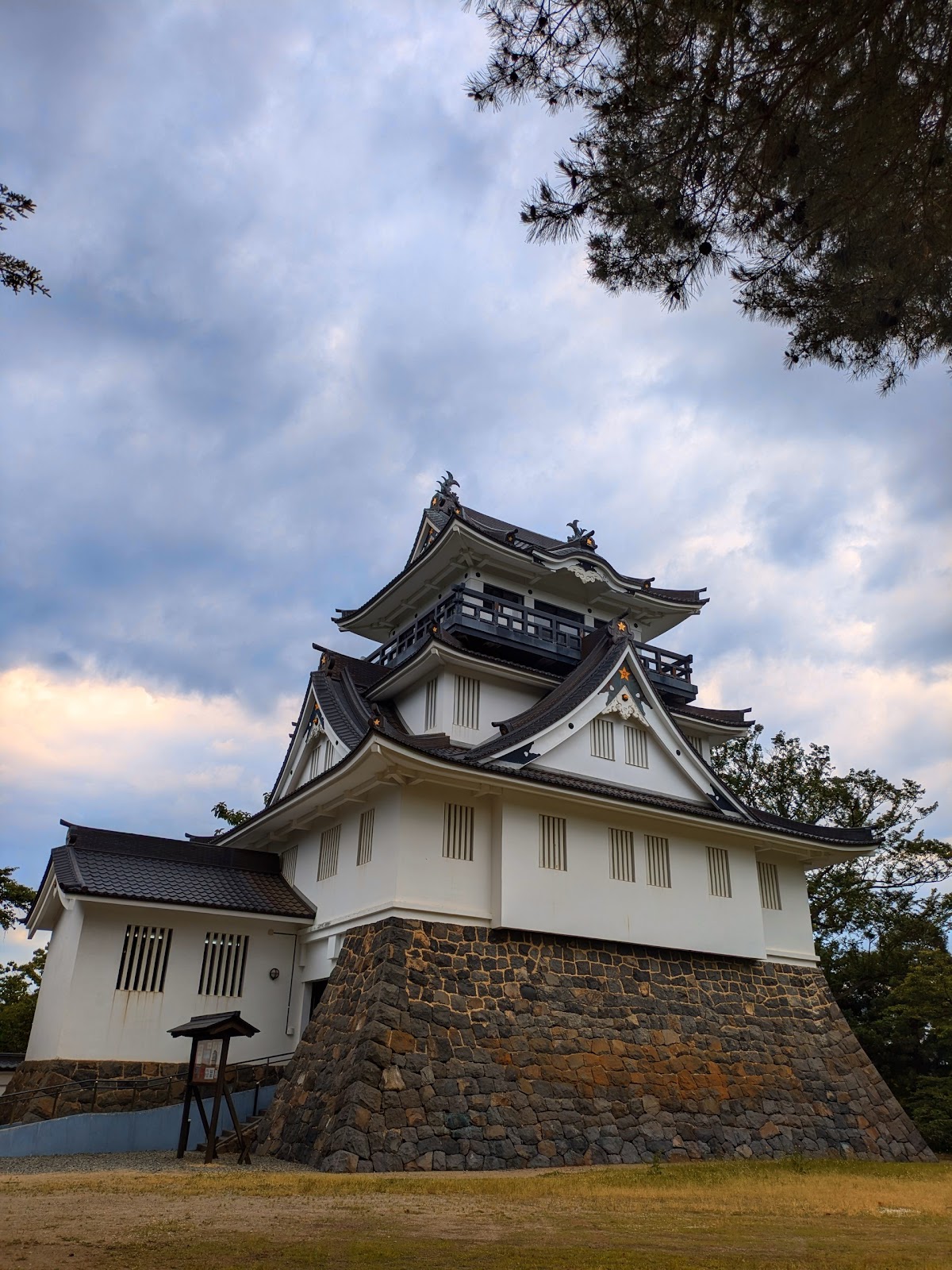
- Yokote Castle (Yokote Park): A castle ruin located in the center of Yokote City, offering magnificent views from its observation deck.
- Masuda no Kurauchi: A townscape where traditional merchant houses and storehouses are preserved.
- Kamakura-kan: A facility where you can experience Yokote’s traditional winter event, “Kamakura,” all year round.
- Yokote City Fureai Center Kamakura-kan: A facility where you can learn about the history and culture of the region.
Nearby Castles and Other Sites
There are other historical castle ruins scattered throughout southern Akita Prefecture:
- Yokote Castle: A castle built as a branch castle of the Satake clan.
- Omori Castle: A medieval castle located in the Omori district of Yokote City.
- Numadate Castle: A castle built in a strategically important location in the Yokote Basin.
Those who enjoy castle touring can gain a deeper understanding of the medieval history of southern Akita Prefecture by visiting these castle ruins together.
Status of Kanazawa Castle’s Cultural Property Designation and Preservation Activities
Value as a Cultural Property
Kanazawa Castle ruins are recognized for their historical value as the site of the Later Three Years’ War, a significant event in Japanese history. Remains showing the transition from ancient fortifications to medieval castles are preserved, making it an archaeologically important historical site.
Current Status of Development and Preservation
Currently, local governments and history enthusiast groups are working on the preservation and development of the remains. Information boards are being installed and protection activities are underway, creating an environment where visitors can easily learn about history.
However, large-scale development has not been carried out, so while it is possible to view the remains in their natural state, appropriate preparation is necessary for a visit.
The Later Three Years’ War and the Historical Significance of Kanazawa Castle
The Path to the Birth of the Oshu Fujiwara Clan
The battle at Kanazawa Castle was not merely a conflict between local powerful families, but a crucial event that laid the foundation for the prosperity of the Oshu Fujiwara clan, which lasted for nearly 100 years. Kiyohara Kiyohira’s victory in this battle established his control over Oshu and allowed Hiraizumi to flourish with a golden culture.
Minamoto no Yoshiie’s Control of Eastern Japan
For Minamoto no Yoshiie, this battle was also a crucial opportunity to expand the Minamoto clan’s influence in eastern Japan. His achievements in the Later Three Years’ War laid the groundwork for the later establishment of the Minamoto clan’s samurai government.
Its Place in Medieval Tohoku History
The Battle of Kanazawa Castle is positioned as a crucial turning point in the Tohoku region during the transition from an ancient system of rule to a medieval samurai government. Following this battle, the political structure of the Tohoku region underwent significant changes.
Advice for Those Planning a Visit
Recommended Time to Visit
- Spring (April-May): Beautiful fresh greenery and mild weather, ideal for sightseeing.
- Autumn (October-November): Beautiful autumn foliage and pleasant temperatures, perfect for strolling.
- Summer (June-August): Lush greenery, but insect repellent and heatstroke prevention are necessary.
- Winter (December-March): Heavy snowfall may make sightseeing difficult.
Preparations Before Visiting
We recommend the following preparations before your visit:
- Historical Study: Gaining basic knowledge about the Later Three Years’ War, the Kiyohara clan, and Minamoto no Yoshiie will enhance your enjoyment.
- Equipment Check: Comfortable walking shoes, comfortable clothing, drinking water, insect repellent, etc.
- Camera Preparation: Camera or smartphone for recording the ruins and surrounding scenery.
- Map Check: Confirm the location in advance and plan your access method.
Points to Note When Visiting Kanazawa Castle
When visiting Kanazawa Castle, pay attention to the following points:
- Arrangement of Earthworks: Observe how the defensive lines were designed.
- Utilization of Topography: Check how the natural elevation differences were utilized.
- View: Enjoy the scenery from the castle and appreciate its strategic location.
- Information Boards: Carefully read the installed information boards to understand the historical background.
Related History Books and Learning Resources
Recommended Books
Books for learning about Kanazawa Castle and the Later Three Years’ War:
- History books related to the Later Three Years’ War
- Research on the Oshu Fujiwara Clan
- Minamoto no Yoshiie and the Eastern Japan Warrior Groups
- Research on Ancient Castles and Fortifications
- Medieval Castles and Residences in Akita Prefecture
Online Resources
- History and Culture Information on the Yokote City Official Website
- Cultural Property Information on the Akita Prefectural Board of Education
- Articles on Kanazawa Castle on various castle research websites
Summary | Kanazawa Castle: A Crucial Turning Point in Japanese History
Kanazawa Castle (Yokote City, Akita Prefecture) is an ancient fortress that was the stage for the Later Three Years’ War, a significant event in Japanese history. Flourishing as the residence of the Kiyohara clan, this site, where a siege battle took place between the combined forces of Minamoto no Yoshiie and Kiyohara Kiyohira, is a historical turning point that paved the way for the prosperity of the Oshu Fujiwara clan, and continues to attract many history enthusiasts today.
The remains retain the characteristics of an ancient fortress, allowing visitors to learn about the defensive techniques of the time through earthworks and dry moats. A visit takes an average of 50 minutes, and it has received a ★★★☆☆ rating due to its high historical value.
Located in the southeastern part of Yokote City, it is easily accessible by car. Other tourist attractions such as Yokote Castle and Masuda’s inner storehouse are scattered throughout the area, making it an ideal base for enjoying the history and culture of southern Akita Prefecture.
For those interested in history, castle enthusiasts, and those studying Japanese medieval history, Kanazawa Castle is a must-see historical site. Approximately 1,000 years have passed since the Later Three Years’ War, and this place continues to convey its historical significance. Please do visit it at least once.