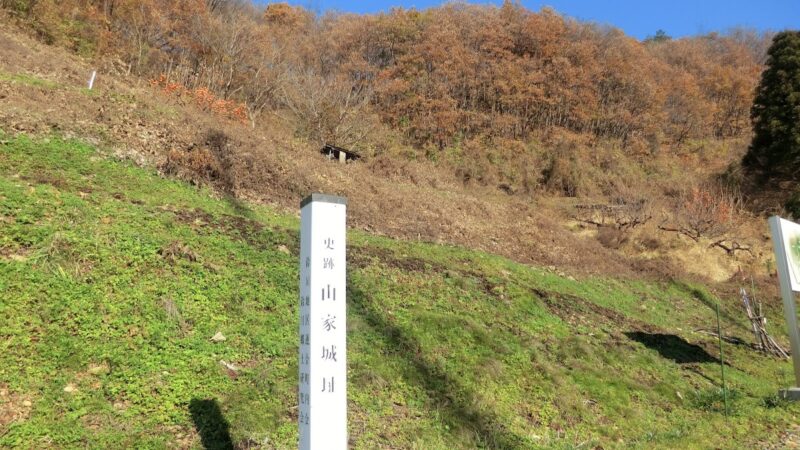
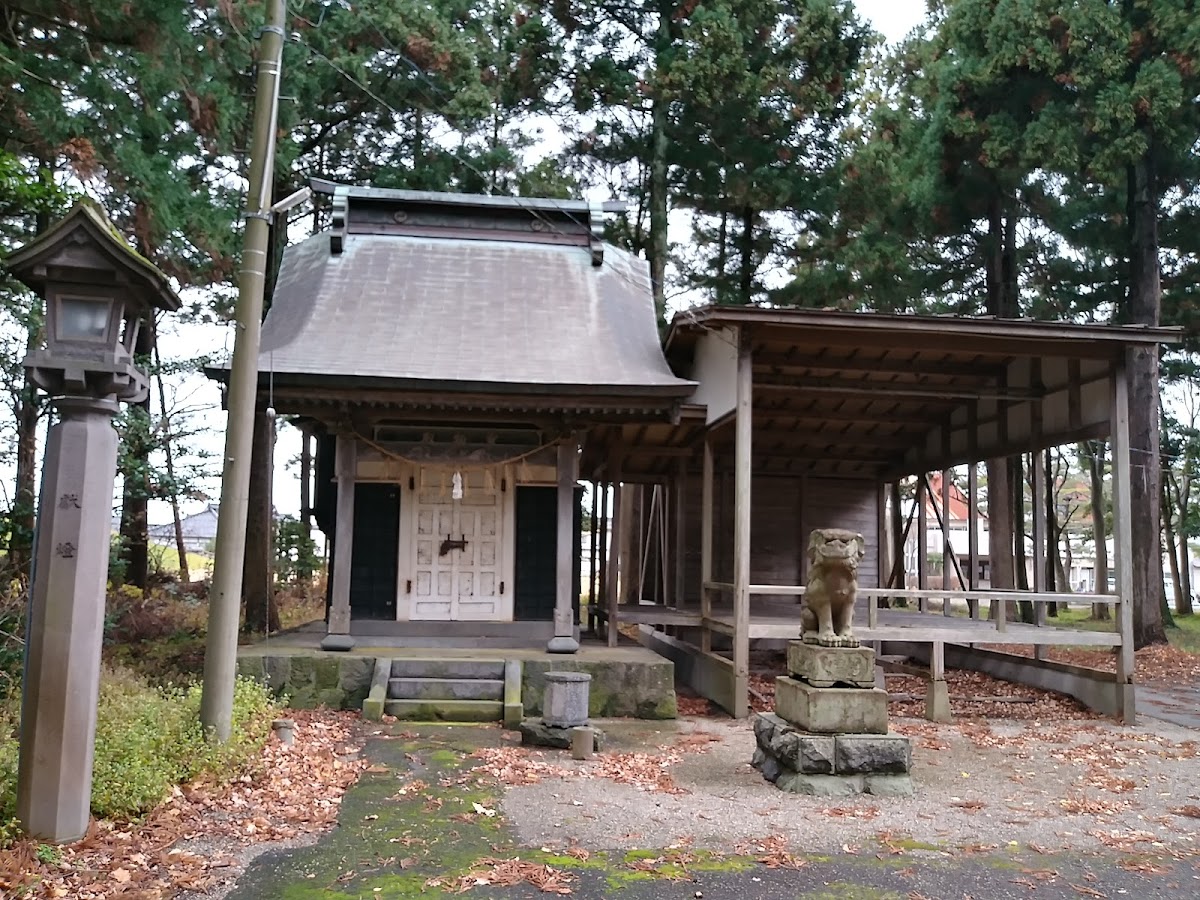
Kamegasaki Castle, Sakata City (Yamagata Prefecture): Complete Guide | History from Tozenji Castle to a Shonai Domain Branch Castle and Current Remains
Located in the heart of Sakata City, Yamagata Prefecture, Kamegasaki Castle is a flatland castle that once functioned as an important base in the Shonai region. Currently, earthworks and the remains of watchtowers remain within the grounds of Yamagata Prefectural Sakata Higashi High School and are protected as a nationally designated historical site. This article provides a detailed explanation of the charm of Kamegasaki Castle, from its history as Tozenji Castle to its development as a branch castle of the Shonai Domain, to the existing remains and surrounding attractions.
Basic Information on Kamegasaki Castle
Common Names, Alternate Names, and Location
Official Name: Kamegasaki Castle
Alternate Names:
- Tozenji Castle
- Sakata Castle
Location: Kamegasaki 1-chome, Sakata City, Yamagata Prefecture (the area centered around the current Sakata Higashi High School grounds)
Former Province Name: Dewa Province
Castle Classification and Structure
Classification: Flatland Castle
Structure: A flatland castle with a terraced layout, spanning the left and right banks of the Niida River. The main keep and second bailey were located on the left bank, and the third bailey on the right bank. Built on low ground approximately 3 meters above sea level, it featured a defensive system utilizing the river and moats.
Structure of the Castle: No castle tower existed; the structure consisted of turrets.
Builder: Daiboji Muto clan (Tozenji clan)
Year of Construction: Bunmei 10 (1478)
Major Lords: Tozenji clan, Uesugi clan, Shida clan, Mogami clan (Shimura Mitsuyasu), Sakai clan
Year of Abandonment: After the Meiji Restoration
Designated Cultural Property: National Historic Site (Designated in 1981)
History of Kamegasaki Castle
Construction of Tozenji Castle (Muromachi Period)
The history of Kamegasaki Castle begins in Bunmei 10 (1478) when the Daiboji Muto clan built it as Tozenji Castle. The Daiboji clan was a powerful local lord controlling the Shonai region, but because their subordinate, the Sunagoshi clan, frequently rebelled, they built a castle near the mouth of the Niida River to suppress them and strengthen their control.
Initially, the Tozenji clan served as the castle lords, and it functioned as an important base for controlling Sakata Port. Sakata was a key point in the Sea of Japan trade, and this castle played a crucial role both economically and militarily.
Uesugi Clan’s Rule of Shonai and Castle Renovation
During the Tensho era (1573-1593), Uesugi Kagekatsu of Echigo invaded the Shonai region and captured Tozenji Castle. The Uesugi clan made Shonai a direct territory and carried out large-scale renovations of the castle. It is believed that the castle’s functionality was significantly strengthened during this period.
Under Uesugi rule, Shida Shuri-no-suke Yoshihide served as the castle lord. The Shida clan, as important retainers of the Uesugi family, managed Shonai, using Tozenji Castle as their base to control Sakata Port and regulated trade.
Mogami Yoshiaki’s Rule of Shonai and the Renaming of Kamegasaki Castle
During the Battle of Sekigahara in 1600, Mogami Yoshiaki sided with the Eastern Army and attacked the Shonai territory of the Uesugi clan, who were allied with the Western Army. Shida Yoshihide surrendered due to the fierce attack of the Mogami army, and thereafter, the Shonai region came under the control of the Mogami clan.
Mogami Yoshiaki established three castles as his administrative bases in the Shonai region: Daiboji Castle (later Tsurugaoka Castle), Tozenji Castle, and Oura Castle. It is said that at this time, a large turtle was found ashore on Sakata Beach, and in commemoration of this, Tozenji Castle was renamed “Kamegasaki Castle.”
Mogami Yoshiaki appointed Shimura Izunokami Mitsuyasu as the lord of Kamegasaki Castle and granted him 30,000 koku. As a senior retainer of the Mogami clan, Shimura Mitsuyasu dedicated himself to the development of Sakata town and the improvement of the port, establishing the foundation of the castle town. ### Development of Kamegasaki Castle as a Branch Castle of the Shonai Domain under the Sakai Clan
In 1622, when the Mogami clan was dispossessed of their domain due to an internal dispute, Sakai Tadakatsu entered Shonai from Matsushiro in Shinshu with a stipend of 138,000 koku. The Sakai clan was a prestigious family, descendants of Sakai Tadatsugu, one of the Four Heavenly Kings of Tokugawa, and they ruled Shonai until the Meiji Restoration.
The Sakai clan established Tsurugaoka Castle (Tsuruoka City) as their main castle and positioned Kamegasaki Castle as an important branch castle. The first lord, Sakai Tadakatsu, appointed Matsudaira Jinzaburo Hisatsune as the Kamegasaki Castle governor, entrusting him with the management of Sakata Port and the control of trade.
Throughout the Edo period, Kamegasaki Castle served as both a military base protecting Sakata Port and an administrative center governing the town of Sakata, which prospered through Kitamae-bune trade. The castle lord was a senior retainer of the Sakai family and was responsible for a wide range of duties, including managing the port, negotiating with merchants, and maintaining public order.
From the End of the Edo Period to the Meiji Restoration
During the Boshin War at the end of the Edo period, the Shonai Domain joined the Ouetsu Reppan Alliance and fought against the new government forces. The Shonai Domain boasted one of the strongest fighting capabilities among the Tohoku domains, and repelled the new government forces in battles within its territory, but ultimately surrendered. After the Meiji Restoration, Kamegasaki Castle was abandoned.
Current Site and Remains of Kamegasaki Castle
Remains on the Grounds of Yamagata Prefectural Sakata Higashi High School
Currently, most of the main keep and second keep of Kamegasaki Castle are located on the grounds of Yamagata Prefectural Sakata Higashi High School. Important remains that evoke the castle’s past are preserved within the school grounds and are protected as a nationally designated historical site.
Earthworks: As the most important remains of the castle, the earthworks around the main keep remain in good condition. The earthen ramparts, reaching several meters in height, are a valuable historical site demonstrating the defensive function of a flatland castle. Despite being located within high school grounds, its scale and excellent state of preservation make it an important resource for understanding the structure of Edo-period castles.
Watchtower Base Remains: The remains of a watchtower base, as depicted in old maps, still exist. Watchtowers were crucial defensive structures for castles, and the preservation of their foundations is invaluable for understanding the castle’s structure.
Relocated Rear Gate of Entsuji Temple
The rear gate (rear gate) of Kamegasaki Castle was relocated to Entsuji Temple in Sakata City and is still used as the temple’s main gate. This is the only surviving structure from Kamegasaki Castle and a valuable cultural asset that conveys the architecture of Edo-period castle gates.
Entsuji Temple is within walking distance of Sakata Higashi High School, and visiting it in conjunction with a tour of the castle ruins allows for a deeper experience of Kamegasaki Castle’s history. The rear gate is imposingly constructed, retaining many characteristics of samurai architecture, and is a popular spot for photography.
Niida River and Castle Grounds
Kamegasaki Castle was built spanning both the left and right banks of the Niida River. The Niida River still flows through Sakata City today, allowing us to imagine the former extent of the castle grounds. The topography reveals the characteristics of a flatland castle that utilized the river as a natural moat.
The right bank area, where the third bailey was located, is now a residential area, but traces of the past remain in the place names and road layouts.
Kamegasaki Castle: Highlights and Visitor Guide
Access
Access by Train:
- Approximately 20 minutes on foot from Sakata Station on the JR Uetsu Main Line
- Approximately 5 minutes by taxi from Sakata Station
Access by Bus:
- Take the Shonai Kotsu bus from Sakata Station and get off at “Sakata Higashi High School” bus stop; it’s a short walk from there.
Access by Car:
- Approximately 15 minutes from Sakata IC on the Yamagata Expressway
- Approximately 10 minutes from Sakata Chuo IC on the Nihonkai Tohoku Expressway
- Parking: There is no public parking near Sakata Higashi High School; please use nearby coin-operated parking lots.
Points to Note During Your Visit
Visiting Hours: As the castle is located on the grounds of Sakata Higashi High School, please be mindful of the school’s opening hours and events. Weekends, holidays, and long vacation periods are suitable for visits, but prior confirmation with the school is recommended.
Visiting Etiquette:
- Please behave quietly as this is an educational facility.
- Do not disturb students’ learning activities.
- Do not enter buildings without permission.
- Please take your trash with you.
Photo Spots:
- Honmaru Earthwork: The most important point for appreciating the scale of the castle.
- Turret Base Ruins: Recommended to view while comparing with old maps.
- Relocated Rear Gate of Entsuji Temple: A must-see as the only remaining architectural structure.
Nearby Historical Spots
Sankyo Warehouse: A rice storage warehouse built during the Meiji era, located about a 10-minute walk from the Kamegasaki Castle ruins. Although not a nationally designated historical site, it is an important modern heritage site that tells the story of Sakata’s prosperity. The zelkova tree-lined avenue is beautiful, and it is a popular tourist spot.
Former Honma Family Residence: The residence of the Honma family, who made their fortune through trade on the Sea of Japan. Its rare structure, combining samurai and merchant architecture, allows visitors to learn about the lifestyle of wealthy merchants during the Edo period.
Sakata City Museum: A facility where you can comprehensively learn about the history and culture of Sakata. It also has exhibits related to Kamegasaki Castle, and visiting before or after your visit will deepen your understanding.
Shirowa-saku Ruins: An ancient castle ruin located within Sakata City (Mikawa-cho, Higashitagawa-gun, Yamagata Prefecture). It is a site related to the Dewa Provincial Office during the Nara period, and allows you to learn about the history of the Shonai region before Kamegasaki Castle.
Nittame Castle: Another medieval castle ruin remaining within Sakata City. Visiting it together with Kamegasaki Castle will give you a deeper understanding of the castle history of the Shonai region.
Historical Significance of Kamegasaki Castle
Relationship with Sakata Port
The most distinctive feature of Kamegasaki Castle was its location directly controlling Sakata Port, a key point for trade on the Sea of Japan. During the Edo period, Sakata prospered so much from the Kitamae-bune trade that it was called “Sakata in the East, Sakai in the West.”
The castle lord was responsible for many economic duties, including managing the port, negotiating with merchants, collecting customs duties, and maintaining public order. A key characteristic of Kamegasaki Castle is its strong function as both a military facility and an economic hub.
Positioning within the Shonai Domain’s Governing System
In the Shonai Domain, ruled by the Sakai clan, the main castle, Tsurugaoka Castle, and the subsidiary castle, Kamegasaki Castle, functioned as the two pillars of domain administration. While Tsurugaoka Castle was the political and military center, Kamegasaki Castle played the role of the economic and trade center.
This two-castle system enabled the Shonai Domain to achieve efficient territorial management and maintain stable governance until the end of the Edo period.
Characteristics as a Flatland Castle
Kamegasaki Castle is a typical flatland castle, designed based on a different defensive philosophy than mountain castles or hill castles. It utilized the natural moat of the Niida River, and its defensive capabilities were ensured by skillfully arranging earthworks and moats.
Flatland castles have the advantage of convenient transportation and are well-suited for the development of castle towns. In the case of Kamegasaki Castle, its proximity to Sakata Port was maximized, achieving a balance between economic activity and military functions.
How to Enjoy Your Visit to Kamegasaki Castle
A Walking Course to Experience Historical Romance
- Around Sakata Higashi High School (30 mins): Visit the main keep’s earthworks and the remains of the watchtower base.
- Entsuji Temple (20 mins): Visit the relocated rear gate.
- Sankyo Warehouse (30 mins): Experience the prosperity of the Meiji era.
- Former Honma Family Residence (40 mins): See what life was like for a wealthy merchant.
- Sakata City Museum (40 mins): Comprehensive historical learning.
Total time required: Approximately 3 hours
Seasonal Attractions
Spring (April-May): The season of fresh greenery. The greenery around the earthworks is beautiful, making it the perfect time for a stroll.
Summer (June-August): This is the time when local festivals such as the Sakata Festival are held. You can experience Sakata, where history and modern culture blend together.
Autumn (September-November): This is the season for autumn leaves. The zelkova trees lining the Sankyo Warehouses are particularly beautiful and can be enjoyed in conjunction with a stroll through the castle ruins.
Winter (December-March): The castle ruins covered in snow have a special charm. However, visits may be difficult due to heavy snowfall, so prior confirmation is necessary.
Enjoy Local Cuisine
Sakata is a region blessed with seafood from the Sea of Japan. After visiting the castle ruins, enjoy the local food culture.
- Sakata Ramen: A local ramen characterized by its light soy sauce flavor.
- Kandara-jiru: A winter specialty dish. A hearty hot pot dish using cod scraps
- Sakata Sushi: Exquisite sushi made with fresh seafood from the Sea of Japan
- Fu-gashi: Sakata’s traditional confectionery. Perfect as a souvenir.
Current Status and Future of Kamegasaki Castle Research
Excavation and Research
Since its designation as a national historical site in 1981, Kamegasaki Castle has undergone multiple archaeological excavations. These investigations have revealed much about the castle’s structure and history.
In particular, by comparing old maps with excavation results, the actual state of the Edo period castle is being clarified regarding the layout of the main keep and second bailey, the scale of the moat, and the location of the turrets.
Efforts for Preservation and Utilization
The Sakata City Board of Education is actively working on the preservation and utilization of the Kamegasaki Castle ruins. Within the constraints of being located on school grounds, efforts continue to convey the value of the historical site to future generations while harmonizing it with educational activities.
In recent years, new forms of information dissemination are being considered, such as the creation of CG reconstructions of the castle using digital technology and the provision of explanations through smartphone apps.
Potential as a Tourism Resource
Kamegasaki Castle has the potential to create a more attractive historical sightseeing route when combined with other Sakata tourist resources, such as the Sankyo Warehouse and the former Honma family residence.
By promoting branding as “Sakata Castle Town” and attracting history and castle enthusiasts, it is expected to contribute to regional revitalization.
Summary: The Charm of Kamegasaki Castle
Kamegasaki Castle is an important castle with a history spanning approximately 400 years, from its construction in the Muromachi period to its development as a branch castle of the Shonai Domain in the Edo period. Currently, earthworks and the remains of watchtowers remain on the grounds of Sakata Higashi High School, and a relocated rear gate still exists at Entsuji Temple.
It had a strong character as an economic base managing Sakata Port, a key point for trade on the Sea of Japan, and played a multifaceted role beyond that of a mere military facility. Despite being a nationally designated historical site, the unique environment of this castle ruin—located within an active educational facility—gives it a distinctive charm.
Visiting it along with other historical sites in the area, such as the Sankyo Warehouses, allows for a deeper understanding of the prosperous history of the port town of Sakata and the role that Kamegasaki Castle played in supporting it. It’s a historical site well worth visiting not only for history buffs and castle enthusiasts, but also for anyone interested in Japanese regional history or economic history.
When you visit Sakata, be sure to stop by Kamegasaki Castle ruins and imagine its former glory, feeling the weight of history etched into this land.