
Inuyama Castle Complete Guide: A Thorough Explanation of the History, Highlights, and Surrounding Sightseeing of Japan’s Oldest National Treasure Castle Tower
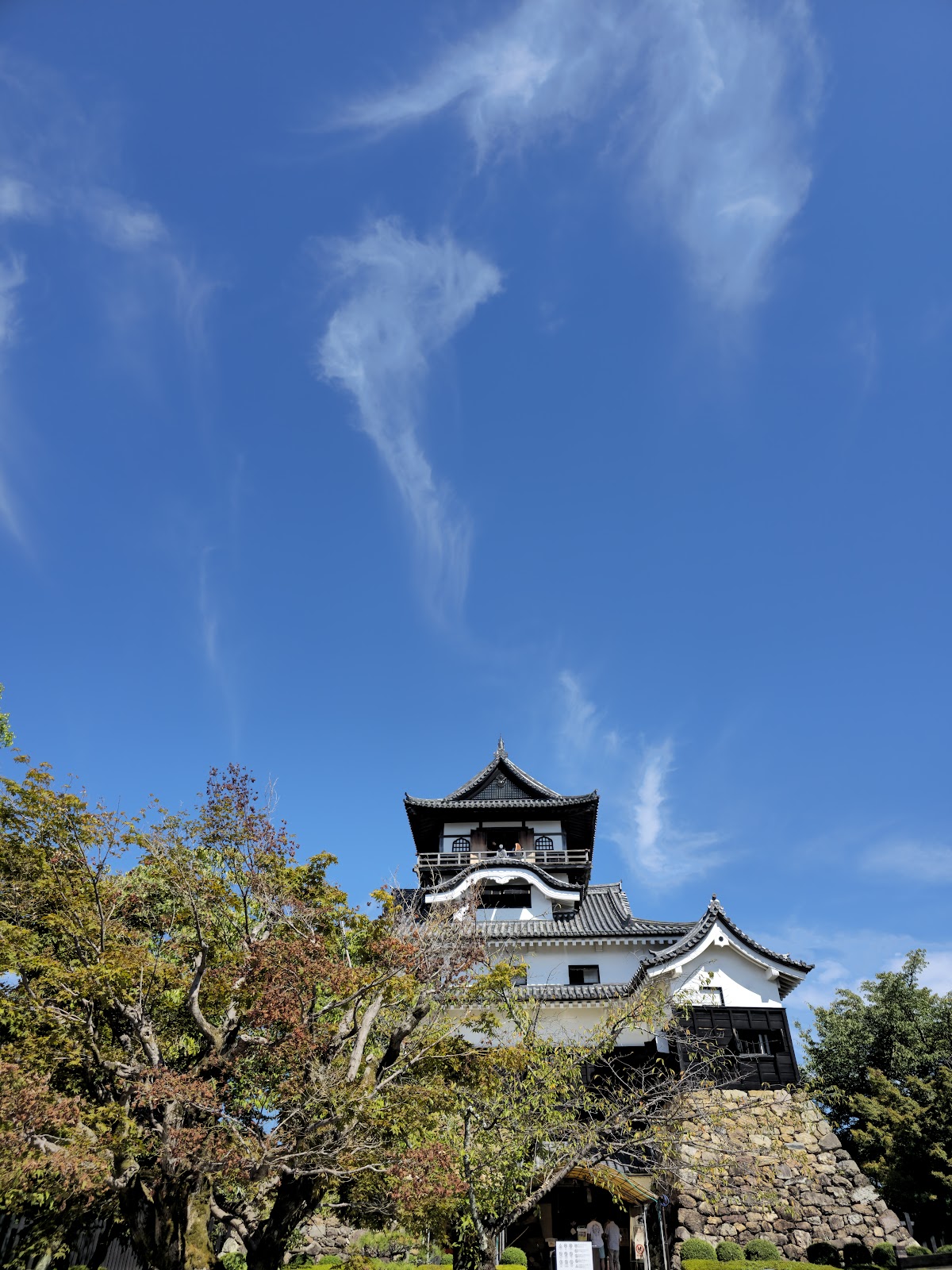
Inuyama Castle, towering over Inuyama City, Aichi Prefecture, is a magnificent castle that holds an extremely important position in the history of Japanese castles. Considered the oldest existing castle tower, and one of the five castles designated as a National Treasure, it continues to fascinate many history enthusiasts and tourists. Built on Shiroyama Mountain, approximately 80 meters above sea level, on the south bank of the Kiso River, Inuyama Castle is known for its elegant appearance and its deep history dating back to the Sengoku period.
This article comprehensively covers everything you need to know before visiting Inuyama Castle, from its origins and architectural features to highlights and surrounding tourist spots.
What is Inuyama Castle?: Basic Information on the National Treasure Castle Tower
Inuyama Castle is a Japanese castle located in Inuyama City, Aichi Prefecture, also known as “Hakutei Castle.” Its most notable feature is that its existing castle tower is considered the oldest in Japan. Only five castles in Japan—Inuyama Castle, Himeji Castle, Matsumoto Castle, Hikone Castle, and Matsue Castle—have their castle towers designated as National Treasures, highlighting their high historical and cultural value.
The castle ruins, known as “Inuyama Castle Ruins,” are also designated as a National Historic Site, preserving not only the castle tower but also remnants such as stone walls and dry moats. With the Kiso River as a natural fortress at its back, it functioned as a strategically important military, economic, and transportation hub.
The current Inuyama Castle tower has a three-story, four-level structure above ground and two levels underground, standing approximately 24 meters tall. It employs a “watchtower-type castle tower” design, with a watchtower atop a two-story hip-and-gable roof, making it a valuable example of an early form of castle tower architecture.
History of Inuyama Castle: From Construction to the Present
Construction in the Muromachi Period
The history of Inuyama Castle dates back to around 1537 (Tenbun 6) during the Muromachi period. It is believed that Inuyama Castle originated when Oda Nobuyasu, uncle of Oda Nobunaga, moved a fort located in Kinoshita (present-day Inuyama City) to its current location and built a castle. However, there are no historical records that can definitively determine the construction date of the castle tower, and various theories are proposed among researchers.
Oda Nobuyasu recognized the strategic importance of this location, controlling the water transport of the Kiso River, and built the castle there. Located at the pivot point of the alluvial fan of the Nobi Plain, Inuyama Castle was situated on the border between Owari and Mino Provinces, becoming a politically and economically important base.
Struggle for Control During the Sengoku Period
Throughout the Sengoku period, Inuyama Castle was fought over by numerous warlords. While it was under the control of the Oda family during Oda Nobunaga’s time, during the chaotic period after the Honnoji Incident, it became the stage for a fierce battle between Toyotomi Hideyoshi and Tokugawa Ieyasu.
During the Battle of Komaki and Nagakute (1584), Ikeda Tsuneoki captured Inuyama Castle, which then served as a crucial stronghold for Hideyoshi’s forces. This battle further demonstrated the strategic value of Inuyama Castle.
Stable Period of the Edo Era
With the arrival of the Edo period, Inuyama Castle became the residence of the Naruse clan, who were retainers of the Owari Tokugawa family. From Naruse Masanari, who became lord of Inuyama Castle in 1601, the Naruse family served as lords of the castle for generations until the Meiji Restoration.
During this period, the castle town was developed, and Inuyama flourished as a center of politics, economy, and culture. The castle, with its main keep, Suginomaru, Momimaru, Kirinomaru, and Matsunomaru arranged in a stepped pattern to the south, was designed as a comprehensive fortified castle, integrating the castle and its surrounding town into a single urban plan.
From the Meiji Restoration to the Present
Following the Meiji Restoration’s decree abolishing castles, many castles were demolished. Fortunately, Inuyama Castle’s keep escaped destruction. Although the keep suffered partial damage in the 1895 Nobi Earthquake, the Naruse family acquired it on the condition of repair, and it remained their private property.
This is an extremely rare case in the history of Japanese castles. It remained the private property of the Naruse family until 2004, after which it was transferred to the Inuyama Castle Hakutei Bunko Foundation (now a public interest incorporated foundation).
In 1935, it was designated a National Treasure (formerly a National Treasure), and in 1952, with the enactment of the Cultural Properties Protection Law, it was re-designated as a National Treasure.
Architectural Features and Structure of Inuyama Castle Keep
A Typical Example of a Watchtower-Type Keep
Inuyama Castle keep is an extremely important structure for understanding the development process of Japanese castle keep architecture. The “watchtower-type keep,” a two-story building with a hipped roof topped with a watchtower, represents an early stage of castle keep architecture, preserving the form before the later development of the layered tower-type keep.
The keep’s structure consists of three stories above ground and four floors below ground. While the exterior appears to be three stories, the interior is four stories, with the top floor being a watchtower with a surrounding veranda and railing. The view from this watchtower is one of Inuyama Castle’s greatest attractions.
The Beauty of the Karahafu and Kato-mado
Particularly striking on the exterior of Inuyama Castle keep is the Karahafu (curved gable) on the third floor. This elegantly curved gable gives the castle dignity and beauty. Furthermore, the ornate windows (katōmado) on each floor are characteristic of Zen Buddhist architecture and are also called katōmado.
These decorative elements serve not only aesthetic purposes but also defensive functions. Stone drops are installed beneath the curved gables, a practical mechanism to prevent enemy intrusion.
Function of the Attached Turret
Inuyama Castle’s keep has attached turrets. These turrets are important defensive structures protecting the entrance to the keep and also play a role in making enemy intrusion difficult by complicating the flow of movement within the keep.
The existence of these turrets indicates that Inuyama Castle was not merely a symbolic building but a military facility designed for actual combat.
Wooden Construction Techniques
Inuyama Castle’s keep is a wooden structure with a history of nearly 500 years. Traditional Japanese woodworking techniques were utilized, and the structure, assembled with almost no nails, demonstrates the high skill of the craftsmen. The pillars and beams utilize massive timbers from that era, their thickness and strength astonishing even modern architects. The changes in the wood over time and traces of repairs are also important elements that tell the building’s history.
Inuyama Castle Highlights: From the Inside of the Keep to the Castle Fortifications
Spectacular Views from the Top Floor of the Keep
When visiting Inuyama Castle, the view from the top floor of the keep is an absolute must-see. Built on a hill approximately 80 meters above sea level, the top floor of the keep is about 100 meters above ground, offering a 360-degree panoramic view.
To the north flows the majestic Kiso River, beyond which lie the mountains of Gifu Prefecture. On clear days, Mount Ontake can also be seen. To the south stretches the Nobi Plain, and on some days, you can even see as far as Nagoya city and Ise Bay. From here, you can see Gifu Castle to the west and Komakiyama Castle to the east, giving you a real sense of the strategic importance of this location during the Sengoku period.
Standing on the veranda of the top floor, the breeze from the Kiso River is refreshing, and the scenery, which changes with the seasons, is something you’ll never tire of, no matter how many times you visit. However, the veranda is narrow and the handrail is low, so those who are afraid of heights should be careful.
Steep Staircase Inside the Keep
One of the most striking features when visiting Inuyama Castle’s keep is the steep staircase connecting each floor. The gradient is incredibly steep by modern building standards, requiring careful ascent and descent while holding onto the handrail.
This steep staircase demonstrates the architectural techniques and spatial utilization ingenuity of the time, and also served a defensive function to make enemy intrusion difficult. When visiting, it is recommended to wear comfortable clothing and shoes. Skirts and high heels should be avoided.
Stone Drop Mechanisms
When touring the interior of the castle keep, you can observe the “stone drops” installed in various places. These are defensive devices that use a mechanism to open and close sections of the floor, dropping stones or boiling water on enemies approaching the keep.
The stone drops at Inuyama Castle are cleverly placed beneath the curved gables and other areas, showcasing a design that combines beautiful aesthetics with practical functionality. While it’s uncertain whether these mechanisms were actually used, they are valuable historical relics that convey the wisdom of castle defense at the time.
The Sacred Tree “Oosugi-sama”
In the main enclosure of Inuyama Castle, there are the remains of a giant cedar tree known as “Oosugi-sama.” A cedar tree hundreds of years old once stood here, revered as the castle’s guardian deity.
Unfortunately, only the stump remains today, but its immense size allows us to imagine its former glory. This sacred tree, which has watched over the castle’s long history, was also a spiritual pillar of Inuyama Castle.
Stone Walls and Dry Moats
Besides the keep, Inuyama Castle has many other points of interest. The stone walls remaining around the main enclosure showcase different construction methods from different eras, such as rough-hewn stonework and fitted stonework, telling the story of the castle’s renovations.
In particular, the stone walls built on the cliffs overlooking the Kiso River demonstrate the characteristics of a strong castle that skillfully utilized the natural terrain. Furthermore, the remains of a dry moat on the south side of the castle allow us to see the former defensive line.
Points of Interest and Tourist Spots Around Inuyama Castle
Sanko Inari Shrine
Located on the slopes of Shiroyama Mountain at the foot of Inuyama Castle, Sanko Inari Shrine is a popular spot to visit in conjunction with Inuyama Castle. This shrine is known for its blessings of matchmaking and is especially popular among young women and history-loving women known as “castle girls.”
The most distinctive feature of the shrine is the row of vibrant vermilion torii gates within its grounds. The series of torii gates, reminiscent of Fushimi Inari Taisha in Kyoto, is a popular photo spot and is frequently posted on social media. Heart-shaped ema (votive tablets) are also popular, attracting many visitors praying for success in love.
The path leading from Sanko Inari Shrine to Inuyama Castle’s keep is a picturesque route with stone steps, building anticipation for the castle.
Atago Shrine
Atago Shrine is enshrined within the grounds of Inuyama Castle, in a corner of the main enclosure. This shrine is worshipped as the god of fire prevention, and has played a role in protecting the wooden keep from fire.
Although a small shrine, it has a history of attracting the faith of the castle lord and the people of the castle town, and is still cherished as the spiritual guardian deity of Inuyama Castle.
Exploring Inuyama Castle Town
The charm of Inuyama Castle is not limited to the keep. The castle town retains old streetscapes from the Edo period, allowing visitors to enjoy a stroll while experiencing the flow of history.
The castle town area, centered around Honmachi Street, is lined with traditional townhouses, many of which now house cafes, general stores, and restaurants. There’s also a wide variety of street food to enjoy, including local specialties like goheimochi (rice cakes), dengaku (grilled tofu skewers), and kushiyaki (skewered food).
Especially on weekends, the area is bustling with tourists, and many can be seen strolling through the castle town in rented kimonos. The combination of the old townscape and kimono-clad figures creates an atmosphere that feels like stepping back in time.
Inuyama City Cultural History Museum
For those who want to learn more about the history of Inuyama Castle, a visit to the Inuyama City Cultural History Museum is highly recommended. Located in the castle town, this facility features exhibits on the history of Inuyama Castle and the surrounding town, allowing visitors to learn about Inuyama’s history through valuable historical materials and models.
Exhibits include an elaborate model of Inuyama Castle’s keep, materials related to the Naruse family (the castle’s lords), and folk materials that convey the life of the castle town. Visiting before or after your castle visit will deepen your understanding.
Scenery Along the Kiso River
When visiting Inuyama Castle, you’ll also want to enjoy the scenery along the Kiso River. The view of Inuyama Castle from the riverbank, with the Kiso River as a backdrop, is picturesque and beloved by many photographers.
The scenery of Inuyama Castle and the Kiso River, which displays different expressions in each season—cherry blossoms in spring, fresh greenery in summer, autumn leaves in fall, and snowscapes in winter—offers a fresh and moving experience no matter how many times you visit.
Cormorant fishing is also practiced on the Kiso River, a popular summer attraction for tourists. River cruises and sightseeing boats are also available, allowing you to enjoy the experience of viewing Inuyama Castle from the river.
Volunteer Guides at Inuyama Castle
Inuyama Castle offers guided tours by volunteer guides. These guides, knowledgeable about local history, will carefully explain the castle’s history, architectural features, and highlights.
By touring with a guide, you can learn about subtle features and historical backgrounds that you might not notice on your own, leading to a deeper understanding of Inuyama Castle. We recommend using the guide service, especially for first-time visitors or those interested in history.
While volunteer guides are sometimes available free of charge, some require advance reservations or are only available to groups. Therefore, we recommend checking the Inuyama Castle official website for details.
Access: How to get to Inuyama Castle
Access by Train
Public transportation is the most convenient way to access Inuyama Castle. From Nagoya Station, you can take the Meitetsu Inuyama Line train directly to Inuyama Station in approximately 25 minutes, or to Inuyama-Yuen Station in approximately 30 minutes.
From Inuyama Station, it’s about a 20-minute walk to Inuyama Castle, and from Inuyama-Yuen Station, it’s about a 15-minute walk. From either station, you can enjoy walking through the charming castle town.
The recommended route from Inuyama Station to the castle is the castle town route via Honmachi Street. You can enjoy strolling through the old town, sampling local food, and shopping. From Inuyama-Yuen Station, you can approach the castle by walking along the Kiso River, enjoying the scenery of the river and the castle.
Access by Car
If you are visiting by car, it is approximately 25 minutes from the Komaki Interchange on the Meishin Expressway via National Route 41, or approximately 20 minutes from the Komaki-Higashi Interchange on the Chuo Expressway.
There are several parking lots around Inuyama Castle. Inuyama Castle Parking Lot 1 (140 regular cars), Parking Lot 2, and Parking Lot 3 are available, but they tend to be crowded on weekends and during tourist seasons, so early arrival is recommended. There are also several private parking lots scattered around the castle town.
Opening Hours and Admission Fees
Inuyama Castle is usually open from 9:00 to 17:00 (last entry at 16:30), but this may change depending on the season. The castle is closed from December 29th to 31st.
Admission fees are 550 yen for adults and 110 yen for elementary and junior high school students (information as of 2024). It’s recommended to check in advance, as discounted set tickets, such as the Inuyama Castle Town sightseeing pass, may be available.
Advice for Enjoying Inuyama Castle
Appropriate Attire
The interior of Inuyama Castle’s keep has many steep stairs, and the veranda on the top floor has narrow footing. Therefore, it’s important to wear comfortable clothing and walking shoes. For women, pants are preferable to skirts. Also, avoid high heels and choose comfortable walking shoes such as sneakers.
Depending on the season, the top floor of the keep can be windy, and especially cold in winter, so don’t forget to take precautions against the cold. In summer, the keep can get hot, so it’s a good idea to bring water for hydration.
Photography Tips
Inuyama Castle is a spot where you can take beautiful photos from various angles. Classic photo spots include the panoramic view from the opposite bank of the Kiso River, the view looking up from the castle town, and the view from the top floor of the keep.
The morning and evening light, in particular, beautifully illuminates the castle, making for impressive photographs. During cherry blossom and autumn foliage seasons, the contrast between nature and the castle is stunning, attracting many photography enthusiasts.
Photography is permitted inside the castle keep, but please be considerate of other visitors. The vermilion torii gate of Sanko Inari Shrine is also a popular photo spot.
Tips for Avoiding Crowds
Inuyama Castle is a popular tourist spot, so it gets very crowded on weekends, holidays, and during peak seasons (cherry blossom season, Golden Week, autumn foliage season, etc.). If you want to explore at a leisurely pace, visiting on a weekday is recommended.
Also, the time immediately after opening is often relatively uncrowded, so visiting early in the morning allows for a more relaxed visit. In the afternoon, the number of tour groups and tourists increases, which can make the castle keep crowded.
Comparison of Inuyama Castle with Other National Treasure Castle Keeps
Inuyama Castle, along with Himeji Castle, Matsumoto Castle, Hikone Castle, and Matsue Castle, is one of the five castles whose keeps are designated as National Treasures. Each castle has its own unique characteristics, and comparing them allows for a deeper understanding.
Himeji Castle is characterized by its elegant appearance, earning it the nickname “White Heron Castle,” and the magnificent scale of its interconnected keeps. Matsumoto Castle is a flatland castle with an impressive black exterior, and its scenery against the backdrop of the Alps is beautiful. Hikone Castle flourished as the residence of the Ii family, and the harmony between its keep and gardens is superb. Matsue Castle is the only existing keep in the San’in region, and is characterized by its simple yet robust construction.
Inuyama Castle is considered to have the oldest keep among these, and holds an important position in architectural history as a typical example of a watchtower-type keep. While its scale is more compact compared to other National Treasure keeps, its location backed by the natural fortification of the Kiso River and the spectacular view from the top floor are major attractions.
A “National Treasure Keep Tour,” visiting the five National Treasure castles, is a popular travel theme among castle enthusiasts.
History and Culture of Inuyama
Inuyama City is a historic town that has developed around Inuyama Castle. During the Edo period, it flourished as a castle town and also functioned as a post town on the Kiso Highway. Even today, the townscape retains traces of its castle town past, and traditional festivals and culture are passed down.
The Inuyama Festival, held every April, is a traditional festival designated as a National Important Intangible Folk Cultural Property, where magnificent floats (yama) parade through the castle town. At night, the floats, illuminated with lanterns, create a magical atmosphere, captivating many tourists.
In addition, Inuyama boasts a variety of tourist attractions, including Meiji Village, Japan Monkey Park, and Little World. Visiting these attractions along with Inuyama Castle offers so many sights to see that it’s impossible to see them all in a single day.
Summary: Experience the Charm of Inuyama Castle
Inuyama Castle is a magnificent castle that holds an extremely important position in the history of Japanese castles, as the oldest existing castle keep in Japan and one of the five National Treasure castles. The long history dating back to the Muromachi period, its strategic importance as the stage for battles during the Sengoku period, its value as a cultural asset preserved from the stable Edo period to the present day, and the breathtaking scenery along the Kiso River and the charm of the castle town—all of these factors make this castle special.
The 360-degree panoramic view from the top floor of the keep, offering stunning vistas of Mount Ontake, Gifu Castle, and even Nagoya city on clear days, continues to captivate visitors. Climbing the steep stairs is a valuable opportunity to experience firsthand the structure of the castle in its time.
Including the nearby Sanko Inari Shrine, strolling through the castle town, and enjoying the scenery of the Kiso River, the Inuyama Castle area is a fulfilling tourist destination that can be enjoyed in a single day. It’s a spot that can be enjoyed by a wide range of people, from history buffs and architecture enthusiasts to photography lovers, castle girls, and families.
Its convenient access, just 25 minutes by train from Nagoya, is another attractive feature, making it a must-visit destination when sightseeing in Nagoya. Why not spend some special time at Inuyama Castle, where you can experience Japanese history and culture?


