Imabari Castle Completion Guide | Japan’s Sea Castles – Written by Takatora Todo: History, Light and Communication News
Imabari Castle is located in Imabari City, was originally built in 1602, and was designed by famous fort builder Todo Takatora. Imabari Castle has a unique structure with a seawater intake, one of Japan’s largest shipyards, and Takamatsu Castle, also known as Nakatsu Castle, also known as Japan’s three major water castles.
The full text of the text is available for viewing, including any information you need to know about Imabari Castle, comprehensive history, highlights, opening times, and communication information.
Imabari Castle Summary | Features of Ichiza Hirahara Castle Exhibition
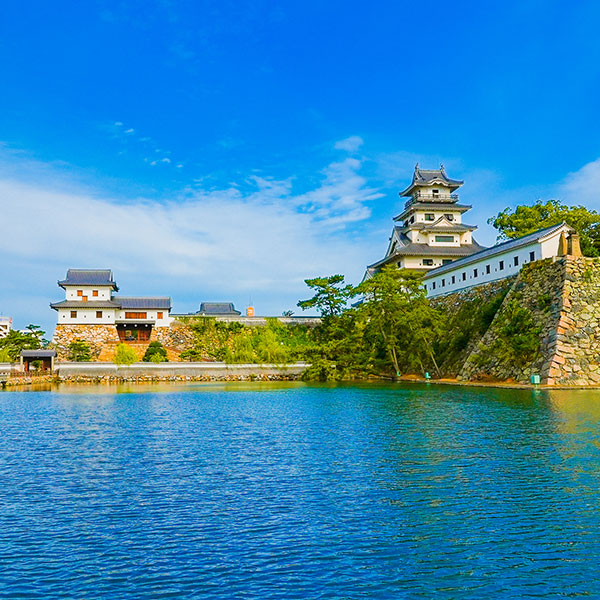
Imabari Castle is a plain castle on the coast of the inland sea, built by one troupe, and is a great fortress on the riverbed of three roads. The most important feature is that it is a “coastal castle” structure, and the seawater is inundated by the castle river. Installation, when the tide is low, the water level of the city river rises, and the city fortress is floating on the sea surface.
The simple outline of the fort, its long rectangular shape, and the advanced fort construction techniques of the early Jiangzhou era are completely different from the mountainous forts of the Qing Dynasty. The construction of the city and the port are connected to the ocean, and the convenience of transporting goods and transportation is very convenient. After arriving at the port, the Port of Imabari was established, and Imabari Sea Capital was established as one of the foundation stones.
Imabari Castle History Exhibition | Mr. Matsudaira from Takatora
Construction date: Built by Todo Takatora (1602-)
After the war of Kanbara, Tokugawa Ieyasu’s general Iyo Province (now Aihimekuri) had a land worth 200,000 koku, and Todo Takatora. In 1602 (Kocho 7th year), Imabari Castle was first constructed. Takatora is a famous fort builder, and other commanders are currently designing Imabari Castle, including Ueno Castle, Tsu Castle, Zamo Castle, and other castle forts.
Construction was completed in 1608 (1608) after construction, comprehensive construction and internal maintenance work. After the construction of Takatora, it is a completely new castle fort, its features are comprehensively filled with sea water, and it is one of the largest berths in Japan, and has been recognized as Japan’s first multi-tiered tower castle tower.
Mr. Matsudaira to Mr. Kitodo (1608-1635)
In 1608 (the 13th year of the Emperor’s reign), Todo Takatora was sent to the Ikuni Kunitshu domain (Ima Mie), and his son, Todo Takatora, was transferred to Imabari Castle. However, Takayuki passed away early in 1610 (15th year of the Emperor’s reign), and after this, the Imabari domain ceased to exist.
Matsudaira (Hisamatsu) years (1635-1869)
In 1635 (Kaneaga 12), Matsudaira (Hisamatsu) was assigned to Imabari Castle and received a stipend of 35,000 koku. The Matsudaira family established themselves as owners of Imabari Castle during the Meiji period. During the restoration of the Matsudaira clan, the Imabari dynasty exhibition was held in the castle town of the Seiyu troupe, and the cotton construction industry was exhibited.
From 1869 to the present
In 1869 (Meiji 2), Imabari Castle was built and built. The castle tower was destroyed during the early Meiji period, and part of the castle tower was destroyed.
In 1953 (Showa 28), the castle fort was designated as a historical site, and the castle was opened as Fukiage Park. In 1980 (Showa 55), the five-tier, six-tiered castle tower was built with steel-veined mixed clay, and was constructed and used by the Imabari City Museum of History. In 2007, the iron armor gate was repaired; in 2017, the mountain village tower was repaired, and the fortification was repaired.
Takatora Todo | First-ranked castle fort builder Yohei Yojo
Todo Takatora (1556-1630) was the first-ranking military commander in Omi Province (Ima Shigeru) during the War Period. At the time of the review, the effectiveness of the other masters was Asai Nagamasa, the chief vassals were long and the vassals Hideyoshi were able to develop their own fort building techniques. During his long period as Hideyoshi’s disciples and vassals, he exhibited outstanding fort-building talent.
During the war in Kanwara, the Eastern Army (on the side of the Tokugawa shogunate) was in charge, and was awarded a fiefdom of 200,000 koku in Imabari, Iyo Province. From the high-class fort construction techniques to the high-class stone tombs, from the practical layout to the advanced design philosophy over time.
Located in Imabari Castle, this is Japan’s first multi-layered tower type castle tower. The watchtower-style castle tower was not the same as the castle tower, and the construction of the fort in the post-war period had profound effects. Gao Hu’s fort construction technique, also known as the “Gao Hu style”, was a classic fortress construction during the Chengdu River period.
Imabari Castle Ryoten | Explore castle tower, corner tower Japanese stone tomb
Tenshu A (Juken)
The five-tiered, six-tiered castle tower was rebuilt in 1980, and was constructed in the style of Imabari Castle. The other side of the tower is a tower with a white roof and black tiles.
The inside of the castle tower is equipped with a Japanese viewing platform, and there are about 2,500 historical artifacts, comprehensive weapons, and armored Japanese swords. Here you can see the magnificent panoramic view of Imabari City, Japan, and the Inland Sea.
Iron Armor Gate (已士复)
The iron gate was repaired in 2007, which is important defense work for Imabari Castle, and is also the main gate of Imabari Castle. In addition to the construction of the fortification gate, the history of the construction of the castle is a faithful source of historical documents, and it is understood that the fortification construction technology is a treasure trove of funds at this time.
Iron armor gate (铁门)’s name is the solid structure of the iron plate on the fan. During the repair process, please refer to the historical archives and archeology, and we will do our best to see the internal structure of the original.
Mountain village
After the restoration in 2017, the two-layer pagoda was located in the northwestern corner of Imabari Castle. The outer walls are made of beautiful white ash mud, and the castle tower is built by Akihito, making it an important part of Imabari Castle’s scenic view.
A space for viewing the interior works, as well as information on the history of Imabari Castle and its construction techniques. A unique geographic location with a clear view of the castle’s riverbank, a port on the shore of the river, and a true coastal fort.
Sekijyokyo River
Imabari Castle’s stone burial mound is the first of its kind, and the construction technique of Todo Takatora has been demonstrated. Takaishi 猌chiku method for castle construction, maximum possible weight of 12 meters. The shape of the stone is fan-shaped, and it has a beautiful defense function.
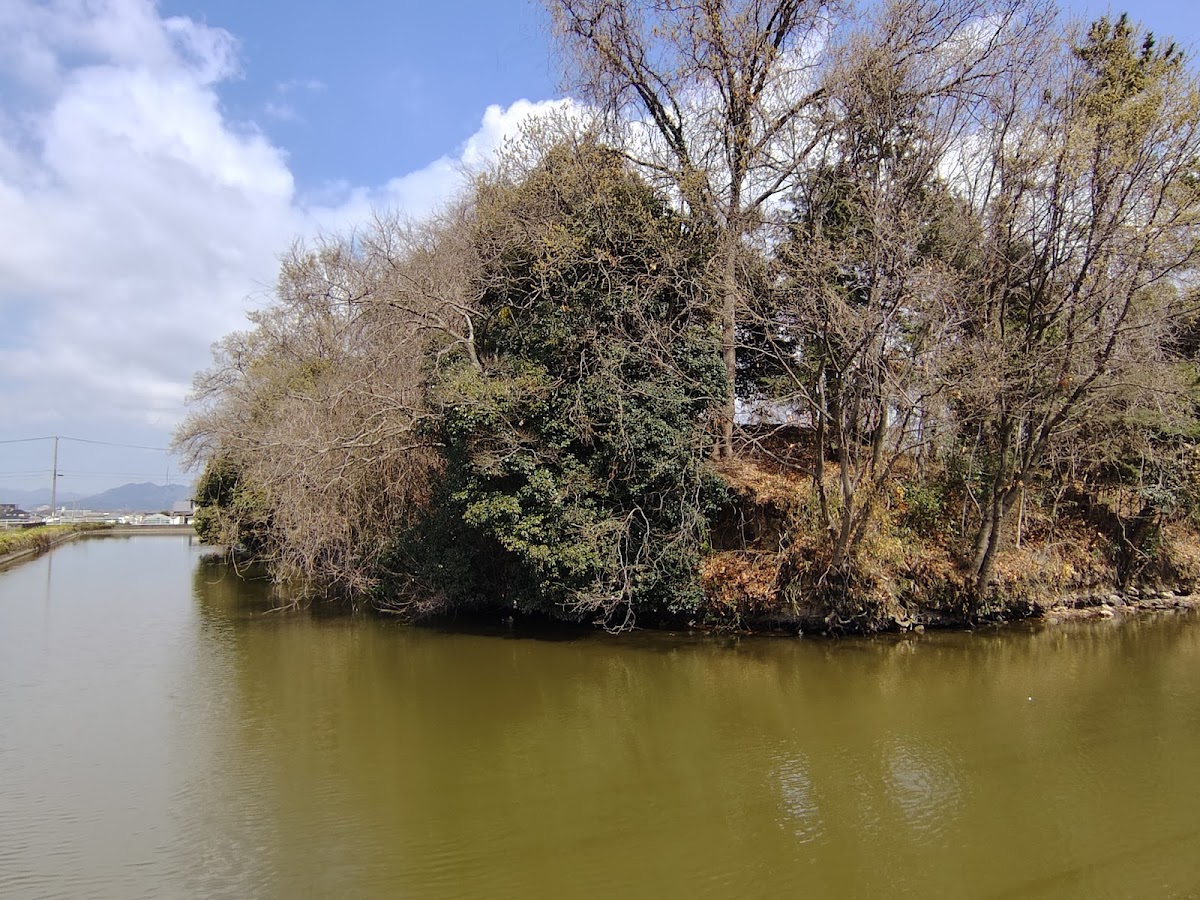
The water level between the river and the sea is now connected, and the water level at the time of the tide is up. There are various types of seawater fish that can be found in the middle of the river, such as seawater fish, seawater fish, and seawater fish. Here is a look at the castle grounds in Japan.
Funakon Site
Located in the eastern and southern corner of Imabari Castle, Zagaku is the site of one of Japan’s largest shipyards. The ship is connected to Imabari Castle and the ocean’s port, and the goods are transported to and from the Japanese military ship. It’s been a long time since I’ve been in the middle of a long time since I’ve been in the middle of a long time since I’ve been in the middle of a long time since I’ve been in the middle of a long time since I’ve been in the middle of a long time.
Fukiage Park
The Imabari Castle ruins are currently open, and the park is open 24 hours a day. The seeds are planted in the garden, and this is the hot spring entrance point. Walking along the city river, this is the ideal choice for the beautiful scenery of the four seasons.
Visitor information | Opening time, gate ticket and closing date
Opening time
- Opening hours of castle tower and mountain village fire pit: 9:00 am to 5:00 pm (stops and enters at 4:30 pm)
- Kishiwa Park (Fukiage Park): 24 hours open
Gate vote
- Standard ticket: 520 yen
- Student: 260 JPY
- High school and junior high school students and below or 18 years old and below: Free of charge
- Elderly (over 65 years old): 420 yen
- Group Honor (20 or more people): Regular gate ticket 420 yen, student 210 yen
*The above fees include gates for castle towers, iron gates, mountain village fire stations, mountain village fire stations, and mountain village fire stations.
Closing date
- December 29th to December 31st
- Possible other times and closing dates. ### Museum Store
The museum store is located in the castle tower, and you can buy Imabari Castle products here, as well as Imabari korinwa local specialties. Originated in April 2024, published by the store, stamped by Imabari Johara, `Mia Fukiage'' and `Takatora Mari Sensei”.
Transportation | Imabari Castle
Public transportation
Sitting JR
- From JR Yangshan Line “Imabari Station” walking distance approximately 25 minutes
- From Imabari Station, you can walk to Imabari Station and get there in about 9 minutes.
Sitting Expressway Tomoe
- I was sitting on the “Shimanami Liner” in Matsuyama City for about 1 hour, getting off at “Imabari Station” and walking for about 25 minutes.
Selfishness
- Depart from the Imabari IC on the Xixi Expressway (Shimabo Kaido), about a 10 minute drive.
- Depart from the Imabari Tonoura IC on the Matsuyama Expressway, approximately 20 minutes by car.
Car stop
- Imabari Castle Parking Area: Free of charge (approximately 50 ordinary car parking places, a few more parking places)
- Opening hours: 9:00 am to 5:00 pm
- There is also a parking area around Kuishi Park.
Site
3-1-3 Torimachi, Imabari City Address: 794-0036
Activities and exhibition information | Imabari Castle activities
Imabari Castle’s various activities throughout the year.
Ordinary activity
- 樱花节 (late March to early April) : The opening of the maple flowers in the park is carried out at the same time during the season, and the lights are lighted at night.
- Imabari Castle Lights Mitsuhide: 11 lights on the castle tower on the night of sunset, presenting a night view that looks like a lost man.
Special exhibition
Regular special exhibitions inside the castle tower, contents include Imabari’s history and culture, weapon armor, etc. Check out the latest activity information from the Imabari City Cultural Promotion Office.
图片集 | Imabari Castle’s seasonal and bright spots
Shot point
The castle tower on the bank of the river
The tower overlooking the riverside of the castle is one of Imabari Castle’s most representative sexual attractions. The castle tower is reflected on the water surface, and the highly praised “inverted Imabari Castle”.
Gron gate and castle tower
After the restoration, the iron gate and the castle tower were put together with a mirror, and the beauty of Imabari Castle’s construction was revealed.
Night view/Light Mitsuhide
After the sun sets, the light of the tower and the white sky are revealed, and the illusion of a different dream appears. The light of the lights was reflected on the river surface of the castle, and one person was lost in the scene.
Seasonal light points
- Spring season (March to May): The season when the lilac flowers bloom is beautiful, the castle tower is closed, the flowers are mixed, the beauty is not won.
- Summer (June to August): The tower is covered with green vegetation and the heavenly projection of the sky is lower than the previous one.
- Autumn season (September to November): Autumn leaves and castle towers intersect and shine, and the composition is as beautiful as a painting.
- Winter season (December to February): The air is fresh, the field is open, and the castle tower is covered with white snow.
Imabari Castle Tourist Scenic Points
Imabari Kebin Museum ICHIHIRO
The Imabari keratin exhibited at the entrance of the National Museum, Imabari keratin is a representative characteristic of Imabari City. Distance from Imabari Castle is approximately 15 minutes by car. If you are a visitor, please take a look at the exhibition, see the production process of the hair cloth, and then purchase the hair cloth.
Murakami Museum
The history of the Murakami Navy (Murakami Water Army) in the Inland Sea is described in the National Museum. It takes about 30 minutes by car to Imabari Castle.
Shimaha Kaido
A sea route connecting the sea route to the Inland Sea and the Islands, total length approximately 60 km, from Imabari extension to Onomichi. This is a world-famous place to win a car.
Itoyama Park Observation Deck
The observation deck offers a panoramic view of the main bridge of the island strait, and is about a 10-minute drive away from Imabari Castle. A magnificent view of the Great Bridge of the Inland Sea and the Huta Islands.
Japan’s three major water castles | Imabari Castle, Takamatsu Castle, Nakatsu Castle
Imabari Castle, Takamatsu Castle (Kagawa, Takamatsu City), Wanakatsu Castle (Oita, Nakatsu City), also known as Japan’s three major water castles.
Takamatsu Castle is the residence of the Takamatsu Domain (now Kagawa Province). Inland Sea, Koichiza Kaijo, Kawachi Inlet Seawater. The castle tower is still intact, but the structure is still perfectly preserved.
Nakatsu Castle was the residence of the Nakatsu clan. Constructed by Yuyu Kuroda Noritaka (Government Military Army) and completed by Teikawa Chuxen. Nakatsu Castle was surrounded by the sea, and the construction of the seawater project was planned.
The three city forts were jointly built in the city, and the city was built with a unique construction design for the city’s river intake and sea water. The construction of industrial maritime transportation routes, the design and development of waterway transportation and military mobility.
Imabari Castle and Japan’s 100 Famous Castles
Imabari Castle was selected as the 79th place in the 2006 Japan Castle Association’s selection of “Japan’s 100 Famous Castles”. “Japan’s 100 Famous Castles” A famous castle fort selected from the history of construction and construction of Chikuwa culture.
Seal of “Japan’s 100 Famous Castles”. Portable seal stamp, ready-to-participate collection activities, and 100 castle forts owned by the whole country.
Imabari Castle Cultural Heritage Designated Information
- Love History Designated History: Designated in 1953
- Imabari City Designated Tangible Cultural Heritage: Partially designated as cultural heritage within the castle tower after construction
The construction of Imabari Castle was designated as a historical monument, and the process of archaeological excavation, archaeological excavation, and protection was continued.
Overview | Imabari Castle’s charm and tour information
Imabari Castle is one of the most famous seaside castle forts in Japan, and is the masterpiece of Todo Takatora Castle Fort construction technique. The work is a rare piece of history, and it is possible to visit the fort construction in the early Edo period, including the sea water castle and the multi-layered tower-type castle tower.
The heavy castle tower, the repaired iron gate and the mountain village pagoda, the existing stone wall and the castle river, the undeveloped appearance of Imabari Castle’s ancient Japanese brilliance, and the general of Imabari’s history and culture have been established. Yuyu Imabari Castle facing the inland sea, it is understood that this is the best place for Imabari work and the castle city’s exhibition area.
Imabari Castle gate demand is 520 days, and the price is 520 yuan. The castle tower is a magnificent sight to behold, the castle grounds are rich in exhibits, and the fort construction is exquisite and aesthetically pleasing. For example, visiting Imabari Castle and visiting the surrounding area, such as the Imabari Kaido or the Imabari Kehin Museum, the journey through Imabari is even more colorful.