
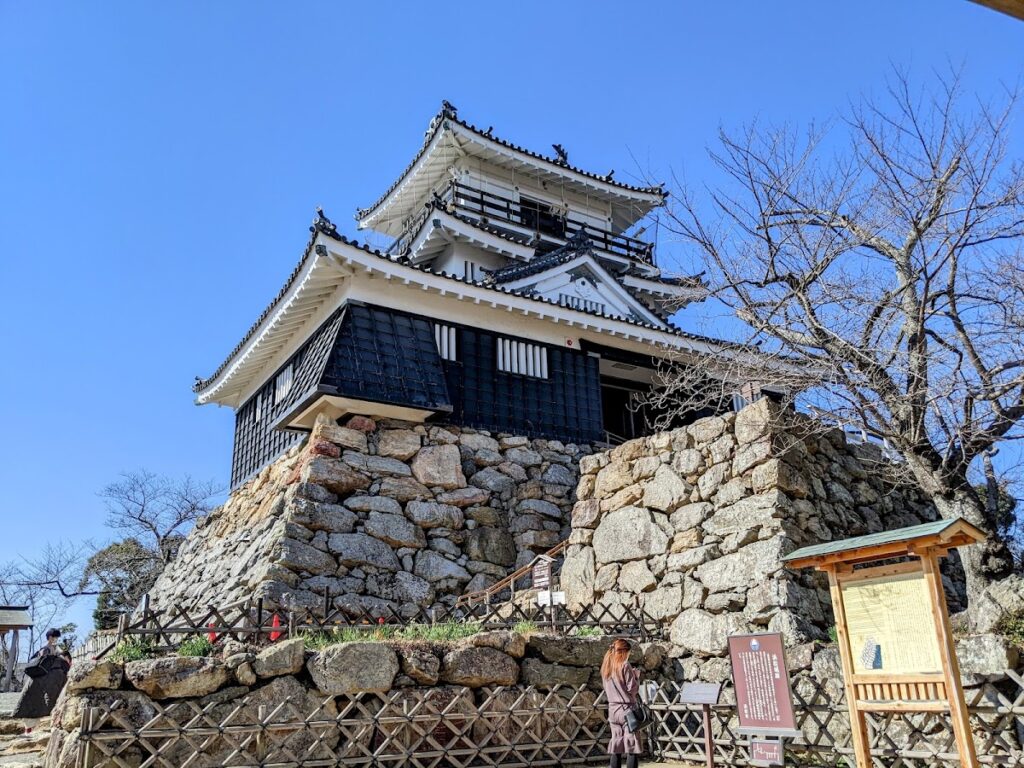
Is this Motojo? An explanation of the history of the castle forts and place names in various parts of Japan.
Motoshiro (also translated as Genjou, Genjiro or Genjou) is one of the most unique prose poems in Japanese history. The literal meaning is “primitive city fortress”, the ancient city fortress or its ruins for Guangbin. In addition, the name of the place where the fortress was originally located has been distributed in various parts of Japan, and the important cultural heritage and cultural history of various places have been established.
Complete explanation of the main text, including one word of the original castle, and the introduction to the history of specific former castle forts in various parts of Japan and the name of the place on the back.
Memories
- Motoshiro’s basic Japanese chords
- Former Castle in Iyo Province (Hachiman City)
- Motojo towns in various parts of Japan
- History of Wongcheng City, Wongcheng Town, Tengsong City
- Former castles in other areas
- The current reason for the reservation of the former castle name
- Current use of former castle ruins
- Sokanjome
Motoshiro’s basic Japanese sound
“Motoshiro” has many different sounds. Most commonly seen is “motojō” and “motoshiro”, but in some places it is also referred to as “motojiro” or “genjō”.
“Old castle” definition
“Old City” one verse includes details below:
- Ancient Castle: An important historical fort in the history of China.
- Main Castle: The main point of construction fortification, and the affiliated fortifications.
- Old castle: A fort that existed before the construction of the new castle.
- Castle Fort Site: The location of the castle fort.
However, the roots of the language are different, and the history and culture of the different regions are closely related.
History of Old Castle Fortress
During the history of castle forts in Japan, the concept of “old castle” occupied an important position. At the time of the war, the construction of the fort was completed, but the capital was destroyed. After the Meiji era New Castle Order (1873), the castle fort was abandoned, but the name “Old Castle” was retained, and the name of the place was changed to the Japanese historical site name.
Iyo Province Castle
The former castle was Yu Aihime’s Hachiman City, and was one of the most important forts in Iyo Province during the War.
Former castle location summary
Former castle is Ichiza Yamagata Castle Fort, Zarakyu Gotanda River west bank Ichiza Noriwa, a small hill about 50 meters in height. At this time, these types of fortifications are typical fortress construction style, the use of land is high ground, overlooking the surrounding area, and the security defense is excellent.
The main castle of the Sakutsu clan
The former castle was the main castle of the Otsu clan. The Shōtsu family was a powerful samurai family in Iyo Province, and the rest of the castles were built around Motoshiro Castle, and the following castles were divided:
- Tenjinyama Castle
- Wakayama Castle
- Enokawa Castle
Since this was a small part of the castle, Shiro’s castle was the main center, and it was constructed as a defense, and the forces of the Shogun clan were important in this area.
Actor of the current era
During the current period, the Utsunomiya clan at Yohagimori Castle completed a fierce battle. Unfortunately, I was in the middle of the battle in Hachiman. The entirety of the incident was as intense as the Iyo Province power contest during the time of the war.
Castle Pond Falls during the Battle of Shikoku
In 1585 (13th year of Tensho), the battle of Shikoku was fought by Hideyoshi. Military operations in Yuyu, military personnel who entered the former castle. This is the end of the history of the Etsu clan, which is also a turning point in the history of the former castle.
Current status of the former castle
In front of us, the history of the former castle was created and the history of Hachiman City was preserved. However, the fort’s parts may have passed as time passes, but you can still see the history of the Japanese castle, and you will be able to imagine the fort’s appearance in ancient times.
Former castle towns in various parts of Japan
“Motojo” is a place name that originates from various capitals in Japan. Comprehensive list of major examples from Motojo Town:
Motojo Town Distribution
- Motojo Town (Kashiwazaki City): Niigata Kashiwazaki City
- Yuancheng Town (Jingxian City): Qingshui District, Jingxian City
- Yuancheng Town (Hengsong City): Chuo District, Jinghuan Hengsong City
- Motojo Town (Fujimiya City): Shizuka Fujimiya City
- Motojo Town (Kutian City): Kochikutian City
- Motojo Town (Kitakyushu City): Fukujima Yahatanishi Ward, Kitakyushu City
The name of this place is the historical fortress that existed in the area.
Motojo town’s sound
It is a different area in Motojo Town. Under most circumstances, the sound is “motoshiro-cho” or “motoshiro-machi”, but the specific sound is determined by the local dialect and historical background of Japanese culture. ## History of Yuancheng City, Jinsong City
Located in Yuancheng-cho, Chuo-ku, Chuo-ku, Shizuoka, Tokugawa Ieyasu, and the name.
Origin of Jinsong City and Yuancheng Town
Since Tokugawa Ieyasu built Tokugawa Castle, it has become the administrative center of Tokugawa Town. It has been 17 years since Ieyasu lived in Nari, where Ieyasu established his position as a rich country until the construction of Matsujo. At this time, Ieyasu Tokugawa’s words were very important, and during this period, he established a large vassal force, and later in Japan, the Tokugawa shogunate established the foundation.
Changes from Meiji to New Years
In 1873 (6th year of the Meiji era), the Ensong Castle Order was abolished. Adapted for personal use by Takutiya Hara, a samurai of the Hara Matsu domain.
In the same year, the first elementary school in Fengsong City was opened on the former site of a former samurai residence located in a major gate in Qingsong City. After coming to elementary school here, I visited Genshiro Elementary School.
Contemporary view of Motojo town
A unique view of modern Motojo town, history and current interaction:
- Otetori Street: A forest of public buildings, an important commercial district.
- 滨松城昁周边:绿树生荫、This is a citizen’s holiday and release of the song.
- Dengsong City Government: Former site of Yiyu Dengsong City, the administrative center of the city government.
Wonjo Elementary School History Yokan
Fengsong City Yuancheng Elementary School Since its establishment in 1873, it has a history of 144 years, and was first known as “Fengsong First Elementary School”. This location is located in the central elementary school of Yudusong City, where the students are trained and trained, but it was closed in March 2017.
After the closing of the school, from the beginning of “Present, past, and future ~ Thank you to Genjo Elementary School ~” Main activities, current students, former employees, local resident advisors, and among others, a retrospective work of the school’s wall Japanese warship system. With the cooperation of the President of the Museum of Fine Arts in Songsong City and the Academy of High School and Middle School Art, the works created by the museum were created and the memories of the museum’s works are permanently preserved in the society area.
Motojocho Higashiteru Palace
Motojomachi Zagaku Motojomachi Higashiteru. The shrine is dedicated to Tokugawa Ieyasu’s Higashisho-no-ichi, and is the source of the history of Matsujo.
The bronze statue of Tokugawa Ieyasu and his vassal Hideyoshi was offered at the shrine, and the statues of two statues at the main station were inquired about. This area is a hot tourist attraction, attracting many believers and tourists.
Motoshiro Town’s Castle City Special Function
Right now, in the central area of Zhuoyu Dengsong City, Yuancheng Town, the following functions:
- Administrative functions: Comprehensive public facilities within the Dengsong City government
- Business function: Real government building and business development
- Travel function: Comprehensive travel facility located in Yusong City Park and Yuancheng Town Dongzhao Palace
- Cultural functions: Preservation of history and history
Motojo Town in other areas
Motojo Town, Kashiwazaki City, Niigata Prefecture
Motojo-machi in Kashiwazaki City is a place name, and the location of the original castle fortress. This is the name of a historically important place in the Kashiwazaki Castle area.
Motoshiro-cho, Shimizu-ku, Shizuoka City
Motojo-cho in Shimizu-ku, Shizuoka City is also a place name that has always existed in the area. This is an important position in Shimizu’s history.
Motojo Town, Fujishima City
Unique geographical location at the foot of Mt. Fuji in Motoshiro-cho, Fujishima City. The history of the castle fort in this area is secretly shared.
Motoshiro Town, Aizhiwatian City
The former castle town of Aishi-Hantian City is also a famous place name because of the original castle fort.
Motoshiro-cho, Yahatanishi-ku, Kitakyushu City
Motojo Town in Yahatanishi Ward, Kitakyushu City is a typical place name in the Kyushu area.
Original cause of place name reservation
Memories of history
The reason behind the place name “Former Castle” in various parts of Japan is historical records of the area. The fort is not equipped with military affairs, it is also local politics, and it is centered on the cultural center of Japan. As soon as the envoy’s fort was accepted, the formality of the place name was retained due to the small memory, and the name of the place name was the same as that of the local area.
Illustration of the fort production area
The city fortress is the source of pride in the district. The actual construction of the immediate envoy remains unaltered, and the name of the place where it was built has been withheld, but the area still remains in its place and has an important historical status.
Origin of Lianqing land
“Yuanjo” is a place with a clear geographical origin. It provides a historical background for the expansion of industrial and trade areas, and is also a source of important information for cultural and industrial protection.
Work travel resources source
In recent years, since the name of the place “Yuanjo” has been used, a new book has been published on the site of the castle fortress and as a travel resource. The history of the ancient Japanese castle fortress is one of the most attractive attractions for tourists.
Current use of former castle ruins
Opening Park
The ancient Japanese castle fort site is now open as a public park. For example, the Song City Park, the castle tower after the general repair, the castle tower, the tourist attraction, and the natural rest area provided by the citizens.
Operational education installation
Formerly known as the Castle Elementary School, the castle fortress was located in the capital of the city. It is easier for children to understand the local history of the local history.
Administrative selection site
Administrative construction usually takes place in the original castle fort, for example, by the Dengsong City Government. The history of history centered on the construction and administration of the fortifications that conquered the world.
Work culture advancement protection
Important fortress sites designated for cultural heritage, development and conservation activities. During archaeological excavations, new historical facts will be presented, and the academic world will be given a lot of attention.
Usage promotion area promotion
Efforts are made to utilize the historical sites of Hara Castle Fortress, Wahara Castle Town, etc., and local shrines. Multi-use methods for exploring the human presence, comprehensive history and activities, and opening tourist routes and creating area products.
Overview
“Former Castle” refers to an important fortress and its ruins in the history of Japan. During the Meiji Era, the castle was built during the Edo period, and the fort was established after the Meiji era when the Empire was established.
Aihime’s former castle in Hachiman City was the main castle of the Otsu clan, and it was also the center of the district, and it fell into the midst of the Shikoku war. It is also the former castle town of Tongsong City, which is the site of Tokugawa Ieyasu Shokan’s Tongsong Castle, and is now the administrative and cultural center of Tongsong City.
Distributed in various parts of Japan, towns and cities are important cultural heritage, records of local history, parks, administrative facilities and tourist attractions. “Yuancheng” is a Japanese place name, and the current history of the city is important.
Main issue
- Japanese castle fort list: Comprehensive information on castle forts from all over Japan
- Gōjo Rei: Meiji era Gofu’s law to remove castle forts
- Castle town: Castle city type originating from the fortifications
- Tokugawa Ieyasu: Military commander during the war period, chief military officer of the Edo shogunate, and since then Matsujo Castle
- Hideyoshi Hideyoshi: A military commander from the era of war, who fought in the Battle of Shikoku
- Tengsong City: Castle fortress in Tengsong City, Yōdokugawa Ieyasu’s Secret Residence
- Castle fort construction:Japanese castle fort construction
- War period: period of mass construction of forts
- Cultural quality protection: Preservation activities of the country’s history, construction, and monuments
- Place name origin: History of place name origin, background of Japanese place names
Reference Fees
Please understand that the ancient castle fort is here.
- Local historical materials published by local governments
- Written by Joho Researcher
-Cultural purchase report
- Records of local historical documents
- Archaeological excavation results report
Although the amount of money involved is small, you can understand the history of the former city and the status of the area where it is located. In addition, visit the former castle ruins and the former castle town general and experience the history of the former castle.
“Yuancheng” is not a word, but it is a legacy of the past, and it is also a future of the area’s history and culture as well as its current life. In this case, we are here to protect our hearts and minds, and we are the commanders of the school.
