Hirosaki Castle Completion Guide: The only existing castle tower in the Tohoku region, history, light points, and seasonal tour
Hirosaki Castle was located in Aomori, Hirosaki City, and is one of the most important places in the history of Japanese castle forts. Currently, there are 12 castle towers in existence, and it is the only castle tower in the eastern region that existed before the Edo period. The full text of the text includes the charm of Hongya City Fortress, its historical background, construction characteristics, and the best points of the season.
Hirosaki Castle Overview and History
Hirosaki Castle Summary
Hirosaki Castle (Japanese: Hirosaki-jo, 罗马字: Hirosaki-jo) is a Japanese castle fort located in Shimoshirokane-cho, Aomori, Hirosaki City. Also known as Takashi Castle, currently rebuilt and rebuilt Hirosaki Park. The structure was constructed in the Ichiza mountain range of the Midwestern region of the Kanza Rakuyu Tsutsu plains, and in the Koretsu Tsutsu district.
Hirosaki Castle Castle Tower is one of the 12 remaining castle towers in Japan that was built during the Edo era, and is the only castle tower in the Tohoku region. The construction of the castle tower and other buildings is designated as a nationally important cultural property, and the construction of the castle fort is also protected by the national historical heritage.
History of the residence of the Sakutsukan domain
The history of Hirosaki Castle is based on the history of the war and the history of warlords in the Itsutsu area. In 1603, Shinpei Tsujiki built Hirosaki Castle, but in 1607, he passed away due to illness in Kyoto, and the commander’s other dreams were completed by Shinpei Tsujiki.
Hirosaki Castle was started in 1610 by Shinpei Shinpei, the second lord of the Tsutsuki clan, and was completed in 1611 at an astonishing speed, taking more than a year to complete. The first name was `Takaaki Castle'', the name was later changed to Hirosaki'', the name was changed to Hirosaki'', and the name of the castle was changed to `Hirosaki Castle”.
After this, Hirosaki Castle became the residence of the feudal domain, the administrative center of the feudal domain, and was established in approximately 260 years, leading to the Meiji era.
Construction and construction of Hirosaki Castle
Features of the existing Hirosaki Castle castle tower
The current Hirosaki Castle castle tower consists of one small castle tower, three levels and three towers. In reality, the castle tower was originally built.
First, the main castle tower of Hirosaki Castle. However, it was installed in 1627, and during the thunderbolts, a pheasant (a fish-shaped creature in a variety of mythical stories) appeared in the castle tower, and the flames spread across the five towers. Due to the accident in Yuyu, the castle tower passed away approximately 200 years after Hirosaki Castle was still there.
The existing castle tower was rebuilt in 1810 (Bunka 7th year), and Tatsumi-kaku of Yuhara Castle was rebuilt. However, it is a small three-tiered construction, but it is not a graceful external envoy, and a conquest of Hirosaki Castle.
Important cultural goods
The castle tower has been removed, and Hirosaki Castle is still in use. It is a perfectly preserved construction from the Edo period. Among them, the following construction items are designated as important Japanese cultural goods.
Tenshu Kaorikakurou
- Tenshu (three levels, built in 1810)
- Tatsumi Kaku (两层)
- Ox Tiger Horn (两层)
- Sheep Monkey Horn (两层)
Castle Gate
- Major gate (south gate)
- South Inner Gate
- East Gate
- East Gate
- North Gate
This small construction is an important cultural legacy, and the characteristics of the castle fort construction during the Jiangzhou period have been achieved, and it has been achieved with reasonable security and security management.
Hirosaki Park’s distant past and bright points
Hirosaki Park was removed from its construction, and many other monuments were preserved.
Stone Mounds: Hirosaki Castle’s stone mounds have been exhibited in various construction methods, including coarse stone mounds, kashu stone mounds, and cut-and-cut stone mounds. The purpose of this project was to start in 2014, and the construction process of Hirosaki Castle’s castle tower was completed in about 10 years.
Kojo River: A water stream that exists both inside and outside Hirosaki Castle and around the castle river. A castle tower with a view of the castle river and a castle tower with a view of the river, and a castle fort with ancient defense functions.
桥Liang: Cross over the castle river and fill it with history. Among them, Shimoshiro Hashisara is Hirosaki Castle’s signature scenic spot.
History of Hirosaki Castle
Construction reached the Edo period
Hirosaki Castle-like construction, conquest, and political establishment in the Tsutsuji area. Nobuo Tsujitsu was the number one military commander in the Nanbu domain during the war period, and was a military commander in the Tsujitsu district. Another great force was the fact that Hideyoshi and Tokugawa Ieyasu, the vassals of the U.S., achieved the status of feudal lord. Hirosaki Castle was built by Shinpei Tsutsuki, the second lord of the Tsutsuki clan, and is a modern castle with complete construction and functionality. The construction of multiple outer forts: the main fort, the second fort, the third fort, the fourth fort, the north fort and the west fort, includes defensive construction, and the layout of the city’s main forts and castle gates.
During the Edo era, Hirosaki Castle was the residence of the Tsuji domain, and the salary was 47,000 koku (after the increase was 100,000 koku). An exhibition of the castle town’s achievements, Hirosaki Castle’s politics, and the prosperity of the cultural center of Hirosaki.
Changes from Meiji to New Years
After the beginning of the Meiji period, the system of feudal lords in Yuyu was removed, the prefectures of Japan were established, and Hirosaki Castle was built. The construction of the castle fort was completed, parts of Hirosaki Castle were constructed and removed, but the main construction of the castle tower, corner tower, castle gate, etc. was put on hold.
In 1895 (Meiji 28), the Haratsu family moved the castle site to Hirosaki City, and opened the building for Hirosaki Park. Here, this is a heated gate for the citizens of this area.
In 1952, Hirosaki Castle was designated as a National Cultural History Museum; in 1953, the nine towers within the castle tower were designated as a National Important Cultural Property.
Stone burial repair and castle tower transportation
After the Great East Japan Earthquake in 2011, the stone mounds of Hirosaki Castle’s main castle appeared and rose. The current demand for large-scale stone wall repair has been increasing since 2014.
As part of the construction repair process, the Hirosaki Castle castle tower was moved to Mukouchi in 2015, approximately 70 meters. This was an unprecedented process and the transport of the troupe was completed with a total of 400 tower towers, and was commissioned nationwide.
The stone mound repair project will be completed in 2021, and the castle tower will be repaired in the fall of 2021. The installation process has ensured that Hirosaki Castle will remain safe for the next 100 years.
Hirosaki Park’s season and light points
Spring season: Spectacular scenery from one of Japan’s three major victory areas
Hirosaki Castle’s spring blooming season is at its hottest. Hirosaki Park is one of Japan’s three most prestigious parks, with approximately 2,600 Japanese oak trees planted within the park.
Hirosaki 樱花节This is the biggest event in Hirosaki City, held every year from late April to early May. There are about 50 kinds of oak flowers, the main products are dyed Yoshino oak, and there are also a wide variety of cherry blossoms, so visitors can enjoy the taste of the oak for a long time.
Hirosaki Park’s maple flowers are exceptionally beautiful, and the unique “Hirosaki method”. Through the pruning techniques of the borrowed fruit tree, the flower bouquet appears in the general form, and the flower bracts are released for many hours.
The following are some special and welcome points:
- Outer City River and Oak Flower Tunnel: A tunnel with a length of about 300 meters, a well-organized area with beautiful scenery.
- Flower-length bridge and castle tower gate: A beautiful view of the vermilion flower-length bridge above the castle tower, with flowers intersecting with each other.
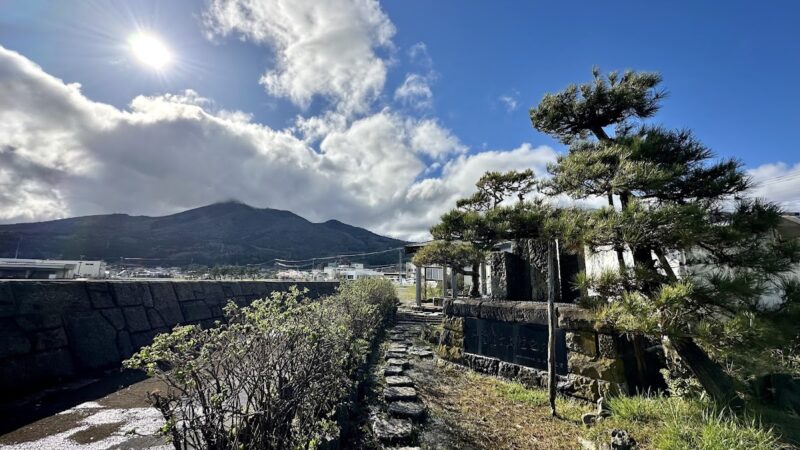
- Saishō Castle River, Mt. Iwaki: Mt. Iwaki in the background, the reflection of the Mt. Iwaki on the water.
- Bamboo Flower Raft: Powder-colored flowers on the river, and a powder-colored ground in one article.
Summer: Green flowers bloom naturally
After the cherry blossom season, Hirosaki Park welcomes you to the beautiful and beautiful season. In the park, the tree is green, and the scenery is clear and fresh.
The highlight of the summer is the blooming of flowers at Hirosaki Castle’s botanical garden. From July to August, the beautiful flowers and dense leaves are released. Before Qingchen, there was a beautiful view of the beautiful scenery under the light of exposure and light.
In addition to this, the summer festival was held at the Hirosaki Suiri Festival. However, the activity is not in Hirosaki Park, and it is in the city center, but the activity is not active in Hirosaki Park, but it is still active in Hirosaki Park.
Autumn: Victory Land
Hirosaki Park is also a famous place of victory. From late October to early November, approximately 1,000 trees and trees were gathered in the park, and visitors were invited to visit the castle and enjoy the beautiful scenery of autumn and autumn leaves.
Hirosaki Castle Chrysanthemum Flowers and Red Flowers Exhibition During the period, you can enjoy the beautiful chrysanthemum exhibition. In the fall, Hirosaki Castle’s castle tower and the red leaves intersect with each other, and in the spring and spring, the maple flowers are clearly different from each other.
The most heated gate of Ninomaru (Second Outer Fortress) Wasishibori (Saishibori River). At twilight, under the illumination of the lamplight, the red leaves appear as if they were dreaming.
Winter: Snow scene and snow lanterns
In winter, Hirosaki Castle’s castle tower stands calm and quiet in the middle of the night, and the castle tower is covered with white snow.
Every February, Hirosaki Castle City Event “Hirosaki Castle Snow Lantern”. At the time of delivery, the park was built with approximately 200 snow lanterns and snow sculptures of various sizes, and more brilliant lights. The castle tower overlooks Mt. Iwakake with white snow, and the scenery is particularly spectacular.
The number of visitors to Hirosaki Park in winter is low, and it is a truly beautiful time in the history of the city. An ink painting of the main tower and corner tower of the castle fort in White Snow and Gone, addressed to Mitoku.
Hirosaki Castle Travel Information
Transportation method
Sitting fire car
- Travel time approximately 30 minutes from JR Hirosaki Station
- From the JR Hirosaki Station “Municipal Office” Tomoe (Gonnan Tomoe), walk approximately 4 minutes.
- You can reach JR Hirosaki Station “Cultural Center” Bashi (Gangnan Bashi) after getting off the train.
Running car
- Get off at the Otsuka Hirosaki IC exit of the North East Expressway, approximately 20 minutes away.
- Hirosaki Park circumference parking space available for purchase (traffic parking space provided during the season)
Open time gate vote
Hirosaki Park
- Opening time: Full open (Honmaru Kawakita no Kuru traffic area, limited time)
- Gate ticket: Free of charge (Honmaru Kawakita no Kuru transportation area)
Hirosaki Honmaru Castle Wa Kitano Kuryu (sales area)
- April 1st to November 23rd: 9:00 a.m. to 5:00 p.m.
- Bamboo shoot period: 7:00 am to 9:00 am
- Gate ticket: 320 days for adults, 100 days for children
Hirosaki Castle Tower
- Opening time: 9:00 am to 5:00 pm (long opening time)
- Gate ticket: 320 days for adults, 100 days for children (same as tower gate ticket)
Usage Hirosaki Castle Information Center
Hirosaki Park’s main gate is attached to the “Hirosaki Castle Information Center”. The exhibition includes the history of Hirosaki Castle, the restoration process of the stone mound, and the travel information provided.
You can take advantage of the latest activity information, bright spots, information about the park, and the construction of Hirosaki Castle. A tourist-centered, free and open rest area.
Zhoukan Scenic Spot
Scattered clothing around Hirosaki Castle, built many historical buildings, and established Chikuwa culture.
Fujita Memorial Garden: To the east of Hirosaki Park, this is Ichiza Japanese-style garden. The garden is originally a commercial garden in the Taisho period, a combination of high and low pedestals, and a garden suitable for one troupe.
Former site of Hirosaki City Museum: Built in 1906 (Meiji 39), Koreichi-za West style wooden structure. This is a beautiful building and a literary museum with interesting features and a local literary museum.
Hirosaki City Museum: Exhibition materials from the Hirosaki Castle Wazu Tsuji Domain Sokan. Recommendations are required for more information about Hirosaki’s historical past.
Zen Forest Street: Located in the southwest temple district of Hirosaki Castle, with unique views, 33 Soto Zen Zen Temples.
Cultural activities in Hirosaki Castle
Significance of the 12 existing castle towers
In Japan, there are 12 castle forts that were built before the Edo era and are currently in use. The Hirosaki Castle train is a rare treasure with 12 castle towers, Anoichi, and is also the only one existing castle tower in the Tohoku area.
Existing 12 castle towers below:
- Hirosaki Castle (Aomori Castle)
- Matsumoto Castle (Nagano)
- Maruchi Castle (Fukui Castle)
- Inuyama Castle
- Hikone Castle
- Yulu City (Binghuan)
- Matsue Castle (Shimone Castle)
- Matsuyama Castle (冈山县)
- Marujo Castle (Kagawa)
- Iyo Matsuyama Castle (Love)
- Uwashima Castle (Love Island Castle)
- Kochi Castle (Kochi Castle)
Now that the construction of castle towers is rare, the cultural heritage has been received with special protection, and the general Japanese fortress construction techniques have been introduced to Japanese aesthetics.
Protection and utilization work
The protection and use of Hirosaki Castle is due to the protection of Hirosaki City. This is a typical example of the large-scale stone burial repair process of the Heisei era.
In addition, Hirosaki Castle has various activities throughout the year, its works have been put on hold, its historical construction site, and its development has become a place for the enjoyment of citizens and tourists.
In recent years, information on the progress of numerical technology has been acquired, for example, the use of virtual reality (VR) and augmented reality (AR) technology has been provided.
World export report work
Comprehensive Hirosaki Castle has been included in the list of “Best historical monuments in Hokkaido’s Watoboku area”, and has been recognized by many world famous cultural sites as well as Aomori’s cultural heritage. Hirosaki Castle’s true identity is unknown to the world, but its history is well preserved and has potential for future discovery.
Precautions for visiting Hirosaki Castle
Best time to explore
The view of Hirosaki Castle in each season is good for people, but the best time to see it is different for different purposes.
Perspective: Hirosaki tree flower season: Late April to early May. However, at this time, it was before the time of construction and selection.
Thinking about it: June to July or September to October. The number of visitors is small, and the weather is also low.
Assumed by: Late October to early November. Participating in the recommendation is Hirosaki Castle’s chrysanthemum flowers and red leaves.
Thoughts on snow: Hirosaki Castle snow lanterns in February. However, you must carry warm clothing.
Travel time
Time to visit Hirosaki Park:
- Visit the castle tower: 30 minutes to 1 hour
- Visiting Tenshu 阁和北围囙: 1 hour to 1 hour 30 minutes
- Visiting arrangements for Hirosaki Park: 2 hours to 3 hours
- Comprehensive tour: Half-heaven to one-heaven
樱花节节期间人拥挤、请预预间时间.
Photographer
Hirosaki Castle has a good impression.
Complete photo location
- The tower gate under the castle tower
- Awa Iwadake Castle Tower
- Mt. Iwadake in the castle
- Maple Blossom Tunnel (Outside Castle River)
Photograph technique
- Good light conditions during the twilight period of the Qing Dynasty, and fewer visitors.
- During the season when the flowers are in full bloom, the construction of the “Flower Raft” (a spectacular sight on the water surface).
- At the time of the opening of the castle tower, the structure of the Suzuki Japanese stone burial mound of Sho Shuen, and the profound impression of the appearance of the stone tower.
Summary: Hirosaki Castle’s charm and future prospects
Hirosaki Castle is the only famous castle in the Northeast region with a castle tower and a history spanning over 400 years. It was the first residence of the Zetsutsu domain, and the center of the Zetsutsu domain during the Edo period. Immediately after the Meiji era, Hirosaki Castle was still deeply loved by its citizens, and was named Hirosaki Park. Hirosaki Castle’s four seasons’ scenery is different: the spring sky is full of flowers, the summer sky is green, the trees are blooming, the autumn sky is like red leaves, the winter weather is white and snowy. It’s Japan’s most representative sexual fort, and it’s a fascinating history of Japanese travel.
The success of the construction process of the large-scale stone burial mound during the Heisei era, the success of Hirosaki Castle and its safety within the next 100 years, and the general structure of the history and culture of the people of today. When I visited Hirosaki, I walked slowly, walked to Hirosaki Castle and Hirosaki Park, and experienced the beautiful scenery of the four seasons.
Immediately, Hirosaki City’s new construction is underway and construction is underway to preserve and utilize Hirosaki Castle. At the same time as the construction and construction of our history, we will also be able to develop and operate our facilities, with a large number of current customer demands, and in the future.
Hirosaki Castle is not a tourist attraction; it is a historical and cultural activity in Japan. The charm of Hirosaki Castle is full of people’s abilities, and the new appearance of the city that we visit every time, and the different appearance that appears every season.