Guide to the completion of eight-shaped castles: A detailed explanation of the history and highlights of the most powerful castle during the war period
Is this Hachigata Castle?
Yagata Castle is located in Yorii Town, Osato District, Saitama, and is the site of a castle fort that is representative of the era of war. This is a natural plain castle pond located above the river bank between the Arakawa and Fukasawa rivers. On April 19, 1932, Yagata Castle was designated as a national historical monument. In 2006, he was selected as one of Japan’s top 100 famous castles (18th place).
The ruins of Yagata Castle, a castle fort from the time of the war in the eastern part of the city, have been perfectly preserved. Nowadays, the eight-shaped castle park is covered by a large number of buildings, which is an important cultural heritage, attracting many history lovers and Japanese tourists.
History of Yagata Castle
Construction started at the time of Kageharu Nagao
Built in 1476 (Bunme 8) by Kageharu Nagao, a vassal of the Uesugi clan in Yusanouchi. The Yamanouchi-Uesugi clan was the Governor of the Eastern District. Kageharu Nagao was the first-ranking samurai, the rebel lord of the Yamanouchi Uesugi clan, and the commander of the Yagata castle.
A small historical document also mentions the construction of the fort by Minamoto no Tsunemoto or Shigetada Hatakeyama, and the archaeological excavation of the fort in Tanene, the actual construction period is known to be the Bunmei era (1469-1487).
Uesugi era
After the death of Nagao Kageharuyuki, Yagata Castle was established and became an important point for the Uesugi clan. During the Eisho period, Uesugi Akiyoshi was the lord of the castle, and was in charge of the East Kanryo’s rule during the period. At that time, the eight-shaped castle was an important strategic strategic point in the eastern part of the country, and was also an important transportation center for the overlooking areas of Shanzhou (Gunmao) and Heshinzhou (Nagano).
Ujikuni Hojo’s Encouragement Exhibition
In the middle of the Warring States era, the Hojo clan became the center of power in Odawara, and the Uesugi clan was defeated. Yasukuni Fujita (Yasukuni) is one of the most powerful families in the area, and is also the lord of Yagata Castle. However, in the end, Ujiyasu Hojo’s fourth son, Ujikuni Hojo, was married to the Fujita family in Odawara, and became the lord of Hachigata Castle.
Around 1560, the Hojo clan’s eight-shaped castle underwent extensive renovations, making it one of the largest castles in the eastern region of the region. After the establishment of Yatsugata Castle under the rule of the Ujikoku, it became the center of the eastern part of the eastern region under the control of the Hojo clan, and became a thriving castle town.
The Hojo clan is the most well-versed in military affairs and Japanese literature, and since the establishment of the military, it has become the center of the eight-shaped castle. As humans universally understand, the basic layout of the eight-shaped castle (castle fort design) that we can now see will be completed at the time of the restoration of the clan and country.
Battle of Odawara and Fall of Hachigata Castle
In 1590, when the vassal Hideyoshi began the attack on Odawara, Yagata Castle was covered during the war. Toshiie Maeda, Kageyoshi Uesugi and Masayuki Sanada led a large army of northern princes, numbering between 30,000 and 50,000 people, attacking Hachigata Castle.
The lord of the castle, Hojo Ujikuni, had a military base of approximately 3,000 famous soldiers, and the castle was surrounded by natural defenses and strong attacks, and the enemy army was deployed in a fierce battle. The Yagata Castle successfully resisted the attacks of great generals such as Takeda Shingen and Uesugi Anobu, and was a solid fortification.
However, when the fall of Odawara Castle took place, the Hojo clan and country decided to surrender the life of the castle’s defense forces. On June 14, 1590 (Tensho 18), Yatsujo Castle was surrendered, and its construction was completed, making it a famous castle fort during the war. After surrendering, the castle was taken over and the fort was again destroyed.
Yatsujo’s structure and distribution station
Utilization of natural defense construction design
The most important feature of Yatsujo Castle is that it is located on the river between the Arakawa River, the Kazusaka River, and the two rivers. The Arakawa River on the East side, the Fukasa River on the South side, and the natural Boseong River that formed the walls of the two rivers.
The defense work in this direction was completed and the focus was strengthened, connecting the west side of the castle fort to the Yohira area. The use of eight-shaped castles has been advanced in the development of fort construction technology, comprehensive deep-drained city rivers, and since the construction of the earthworks, the castle gate construction bureau has been developed.
Guangzhou castle ruins
The east and west distance of the eight-shaped castle site is approximately 1.2 km, the north and south distance is approximately 0.6 km, and the distance from the side is approximately 30 km. This is one of the largest forts in the Eastern region of the Confederate States of America.
Some areas (kuruwa, meaning “area”) covered by fortifications, the main areas are as follows:
- Hon-kuruwa: The central area of the fortress, where the owner resides.
- Nin-no-kuruwa: the second important area in Nin-no-kuruwa
- San-no-kuruwa: A defensive point of defense
- Soto-kuruwa: Castle-like outer fortress defense work
- Sasa-kuruwa (Sasa-kuruwa): A burial mound on the north side of Uben District.
- Den-Goten-kuruwa: The owner’s residence
Because of this, the earth embankment and dry river separation between the earth and the river, constituted an additional defense system.
Dried-out castle Kawa earthen embankment
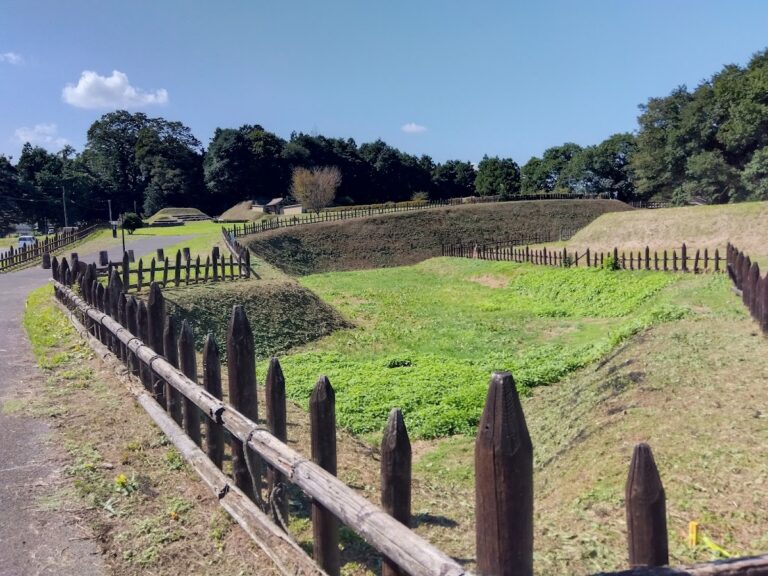
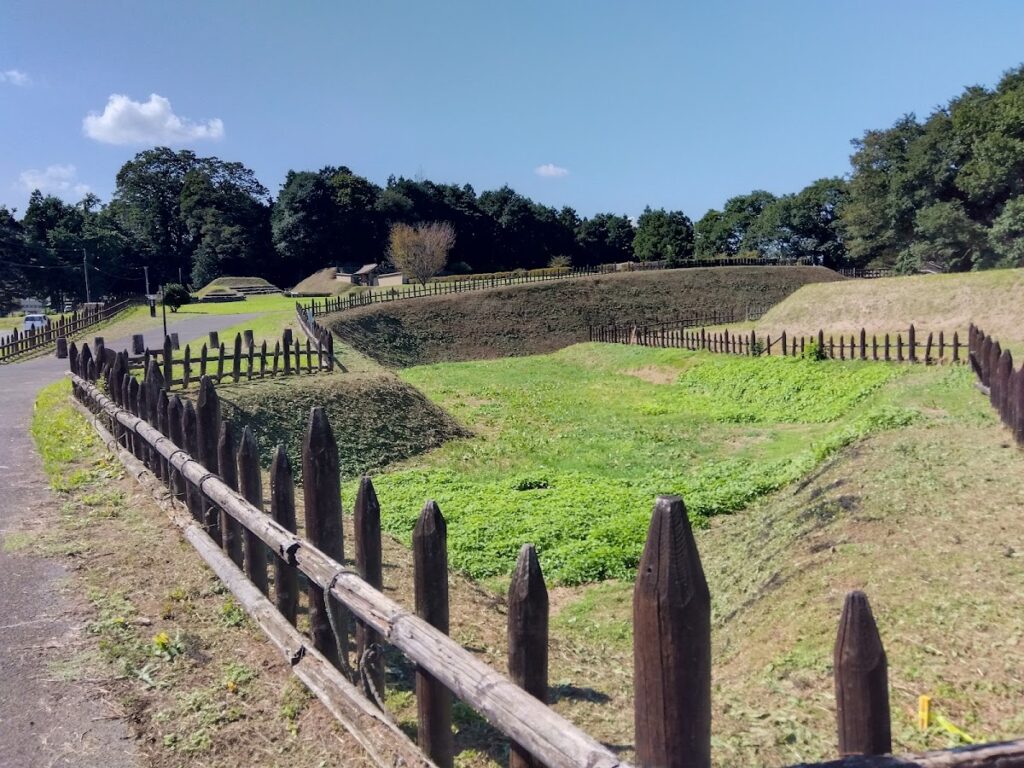
The dry and dry castle of Fukagawa and the earthen embankments of Kowa and Takashi are the most outstanding defensive special expeditions of Hachigata Castle. Of course, it was on the defensive line to the west, and after the construction of one place, the river was dry, the depth was 10 meters, and the distance was 20 meters.
From time to time, parts of the Hewa earthen embankment of the castle have remained perfectly preserved since ancient times, and the fort construction technology was the highest in the nation’s era. Among them, the dry castle river between the three-tiered castle and the second-tiered castle has been perfectly preserved, and is well-known as a historical monument.
City gate structure
Eight forms of castle, Yutaza Castle Gate (small entrance), Biza Castle Gate’s capital design, enhanced its defensive ability. For example, when a city is invaded by a square castle gate, it is difficult for an enemy to invade the city.
Yagata Castle Park Ryoten
Yagata Castle History Museum
Yagata Castle History Museum is located in Yagata Castle Park, and visitors are welcome to visit here. Inside the museum, there are artifacts excavated from archaeological excavations, and a model of the castle fort is on display, making it an ideal place to see the full picture of Yagata Castle.
Opening time: 9:30 a.m. to 4:30 p.m. (stops start at 4:00 p.m.)
Closing day: The first day of the first year (the first day of the first year of the first year of the first year of the new year)
Gate ticket: 200 yen for adults, 100 yen for high school and junior high school students and university students, 100 yen for elementary school and junior high school students and below.
Exhibits in the hall are updated regularly, and special exhibitions are held at various meetings. Visit the eight-shaped castle in front of the building to understand the history and museum background knowledge, and then go deeper into the site to understand the ruins of the castle fort.
Four-legged gate
The four-legged gate of Yuichiza in Yagata Castle Park is the result of the archaeological excavation. This is the entrance to the main castle, and the construction style at the time of the re-emergence of the territory. The construction of the four-legged gate around the castle gate was completed by the construction of the stone wall, and the construction of the castle gate was completed.
Main Castle Watsuji Castle Tomb
The main castle mound is the central part of Hachigata Castle, and was the residence of the castle lord, Ujikuni Hojo. Nowadays, this area is the only one covered by the construction industry. The master castle has a view of the Arakawa River, the scenery is magnificent, people can stop looking at it, and visitors can also feel the authenticity of the castle, which is a natural fortress strategic position.
The next city wall is an important area of the main city wall, and the same area has an open space. Ichijo Fukamura’s dried up castle, river commander’s castle, Kazuji castle’s sepulchre, and its extent was changed to Hiroshi Daireijin.
Ganjajo Castle Kawa Hijikata Engineering Works
The oldest person in the eight-shaped castle park has a profound view of Moyuki, a well-preserved ruin of the Hewa Hijikata construction site. Specially, it is the environment of the third road of the castle river, the depth of the river, and the real face of the defense construction in the country’s time.
The road to the first section is good, and the visitor can walk along the dry riverbed of the castle, and then there is a bird’s-eye view of the castle fort. Spring sky, cherry blossom blooming, beautiful victory; autumn sky, red leaves 绚烂, people can stop looking at the world, and guests can explore the history of cooking at the same time and enjoy the taste of nature.
Ujikokuaki
The surname of Yagata Castle Park was given to the lord of the castle, Hojo Ujikuni. Spring sky, the show is released, the suction is good before the guests come to visit. This is a beautiful and beautiful gateway to the ruins of Japanese castle forts, where flowers and flowers can be seen together.
A large number of other birch trees were planted outside of Uji Province and in the park. When the maple blossoms are in full bloom, the fort is completely dyed and has a pale powder color.
Arakawa and Fukasawa scenery
The scenery of the Arakawa and Fukasa rivers is the most distinctive feature of Hachigata Castle, and it is also the most beautiful point of this trip. The castle fort has a wide view of the Arakawa River, and the scenery is far away. On the top of the cliff, the fort’s natural defenses were solidified.
Traffic information
Sitting fire car
Recent train station: Yorii Station (East Wu East Upper Line, Chichibu Railway, JR Eighth Line)
It takes about 25 minutes to walk to Yagata Castle Park. The train station runs south, crosses the Arakawa Pine Tree Bridge, and is immediately accessible to the castle fort. If it is inconvenient to walk, you can also choose to sit on a taxi (about 5 minutes).
Car route
- Departing from the Yuguan Yue Expressway “Huayuan Exchange Highway”, approximately 15 minutes away.
- National Highway No. 254, uniform route designation
Car Parking: Hachigata Castle History Museum Car Park (free of charge), Wahachigata Castle Park Car Park (free of charge), available for equal use.
Eight-shaped castle strategy
Geographical location of the transportation hub
The Yorii district where Hachigata Castle is located is a transportation hub for the connected military provinces, Ueno Province (Gunma Province) and Washino Province (Nagano Province). Arakawa, Yuba, convenient transportation, convenient transportation of goods. The first area of the control system is important to the north of the eastern part of the control system.
Northern Defense Fortress of the Houjo clan
After moving from Kanyu to Odawara, the Hojo clan said that Yagata Castle was the first line of defense against the mighty people of the north. When Uesugi Shinwa and Takeda Shingen and other strong enemies invaded the East, the construction of Yagata Castle had an important effect.
In reality, Uesugi Shinzo had many distant conquests in the east, but the eight-shaped castle was impossible to conquer in the beginning. Takeda Shingen’s situation is also similar; at the time of the envoy, the extent of the construction of Yagata Castle was also known.
A thriving castle town
Under the rule of the Hojo Ujikoku, the Hachigata Castle Town Hoboku Exhibition. Commerce, industry and industry are flourishing, and this area has grown into a center of attraction and large population. The establishment of the clan, the power of the country, the protection of the peasants, and the promotion of good governance.
Archaeological excavation and conservation activities
Archaeological excavation
Since the 20th to 1960s, continuous archaeological excavation has been carried out at the Yagata Castle ruins. This small excavation team demonstrated the structure of the fort, the construction department and the current way of life. A comprehensive collection of excavated cultural relics, including pottery, weapons, and Japanese household utensils, as well as information about the lives of people living in forts during the Japanese War.
Opening and protection of the historical site
Nationally designated historical sites, Yagata Castle Site, protection and development work is progressing on the land that is not clear. At the same time, we will ensure the safety of our guests and the safety of our guests while we are on the premises.
Yorii-machi Shohachigata Castle site is an important cultural site in the main district, and the area is open and protected. Periodic progress has been made to repair and clean the area, and it remains in good condition.
Zhoukan Travel Scenic Points
Lake Tamayodo Japanese Arakawa Cruise
A scenic area of Lake Tamayado, which is famous for the formation of the Arakawa river near Nagata Castle. It is beautiful to visit the Arakawa River, where it is naturally green and the season is very beautiful.
Historical building in Iori town
Excluding Yagata Castle, Iori Town, and other historic Chikuwa scenic spots. In addition, we have Yan Lingtian Lake and Peaceful Park, so you can enjoy the rich history of walking, and enjoy the natural scenery.
Chichibu area tour
This is the gate to the Chichibu area of Iori-machiya. Scenic spots for tourists such as Chichibu Railway, Chichibu Shrine, and Chodo Rock.
Visit Hachigata Castle Knowledge
Demand time
It took me 1.5 to 2 minutes to build the eight-shaped castle park. As a result, the tour includes the eight-shaped castle history museum, which requires a three-hour leisurely leisure tour.
Items to wear and carry
Due to the ups and downs of the castle fort site, the dryness of the road along the riverbed, and the necessity of wearing sandals and Japanese clothing. Summer construction hat, water bottle for drinking. Keep warm during the winter.
The best season to explore
Hachigata Castle will be open for all years, but the following time periods will be particularly recommended:
- Spring season (late March to early April): The season for the blooming of maple blossoms. The castle’s arbor and flower arbor, comprehensive Uji country arbor, capital commander’s confrontation, beauty and victory.
- Autumn season (mid-late November): Autumn season. The scenery along the Arakawa River is a reflection of the autumn leaves and the beauty of the victory.
- Early summer (May): The ideal time for a man to walk.
Activity information
Activities of Yori Town Association and Hachigata Castle Association. Among them, the “Hojo Festival” meeting is currently held at the Hachigata Castle Tournament, attracting a large number of visitors. Activity information can be found at the local town government office.
Overview
The eight-shaped castle is a castle fort of Hiroya, which has been realized as a masterpiece of castle fort construction technology during the war, and its design has been fully utilized as a natural defense construction. It was a solid fortification in the history of the country, and it was the most powerful attack in history by Takeda Shingen, Uesugi Masanobu, and other military commanders.
Nowadays, the nationally-designated historical monuments are perfectly preserved and listed in the list of Japan’s 100 Famous Castles. At the same time as the Eight Forms Castle Museum History Museum, we explored the castle fort ruins, and the castle fort culture during the war.
The station is located on the edge of a cliff between the Arakawa and Fukasai rivers, the view is the same as seen by the military commanders of the warring states, and the history of the castle was 400 years ago. If you want to visit Saitama, you will have to spend a lot of time in the historical romantic fort.
Outside the works of the castle fort, the four-season scenery of Yagata Castle Park is beautiful, the natural scenery is excellent, and it is not an ideal destination for history lovers, but it is also a perfect place for walking and traveling. Convenient train to the city center of Xinjing, convenient for one-day excursions.
Yagata Castle has a long history, and has been in the role of Odawara-no-Kataru and Totada-Kan since the time of the Kankoku era and the Hojo clan era. The text provided by General Yu is a guide to the eight-shaped castle, encouraging you to experience the beautiful scenery of history and beauty.