Complete Guide to Betsuyaku Castle (Kochi Prefecture) – History, Remains, and Access Information
Located in Betsuyaku, Kagami-cho, Konan City, Kochi Prefecture, Betsuyaku Castle is known as the residence of the Betsuyaku clan, who served as important retainers of the Chosokabe clan during the Sengoku period. Currently, the site of the Kamado Shrine still retains valuable remains that tell the story of Tosa’s Sengoku history.
Overview of Betsuyaku Castle
Betsuyaku Castle is a medieval mountain castle located in Betsuyaku, Kagami-cho, Konan City, Kochi Prefecture. Built on a hill approximately 213 meters above sea level, with a relative height difference of about 40 meters. Currently, the Kamado Shrine stands on the castle site, and well-preserved remains of the castle, such as earthworks and moats, can be seen around the shrine.
Classified as a hill castle (flatland castle), it represents a typical form of medieval castle in the Tosa region of Shikoku. While Kochi Prefecture boasts several well-known castles such as Kochi Castle, Okotoyo Castle, and Nakamura Castle, Betsuyaku Castle held a significant position as the residence of a powerful local lord.
Basic Information about the Castle
- Location: Betsuyaku, Kagami-cho, Konan City, Kochi Prefecture
- Castle Structure: Hilltop Castle (Hilltop Castle)
- Elevation: Approximately 213 meters
- Relative Height: Approximately 40 meters
- Construction Period: Sengoku period (details unknown)
- Builder: Betsuyaku clan
- Main Lord: Betsuyaku clan
- Current Status: Remains within the grounds of Kamado Shrine
- Remains: Earthworks, baileys, moats
- Designation: City Historic Site
History of the Betsuyaku Clan and the Castle’s Changes
Origin and Power of the Betsuyaku Clan
The Betsuyaku clan was a local lord based in Kami-gun, Tosa Province, and a powerful family that built its influence mainly in Higashikawa, Kahoku-cho (present-day Kami City). The Betsuyaku clan established a network of branch castles, including Higashi-Betsuyaku Castle, Nakanishikawakami Castle, and Nakanishikawaminami Castle, with Betsuyaku Castle as their main base, and controlled the entire region.
The Betsuyaku clan, centered at Betsuyakudoi, was a powerful regional force, possessing 520 koku of land in the Higashikawa and Nishikawa areas. During the Sengoku period, they became subordinate to the Chosokabe clan, who were in the process of unifying Tosa Province, and played an active role as their important retainers.
Relationship with the Chosokabe Clan
The Betsuyaku clan came under the Chosokabe clan’s control as they advanced the unification of Tosa Province. It is believed that the Betsuyaku clan also played an important role in Chosokabe Motochika’s unification of Shikoku. Within the Chosokabe clan’s system of control centered around Okotoyo Castle, their main castle, Betsuyaku Castle functioned as an important base in Kami District.
Betsuyaku Saburozaemon is particularly well-known as the head of the Betsuyaku clan who served the Chosokabe clan. He was a powerful general in the Chosokabe army and participated in Toyotomi Hideyoshi’s Kyushu campaign.
The Battle of Hetsugigawa and the End of Betsuyaku Saburozaemon
In 1587 (Tensho 15), Toyotomi Hideyoshi launched his Kyushu campaign. Chosokabe Motochika led the Shikoku forces in this campaign, and Betsuyaku Saburozaemon also accompanied him.
In December of the same year, the Battle of Hetsugigawa took place in Bungo Province (present-day Oita Prefecture). This battle was fought between the Shimazu army and a combined force of Toyotomi leaders including Sengoku Hidehisa, Chosokabe Motochika, and Sogawa Nobuyasu.
The battle ended in a crushing defeat for the Toyotomi forces, and many Tosa samurai, including Chosokabe Motochika’s eldest son, Nobuchika, were killed. Betsuyaku Saburozaemon was killed in this battle, and the Betsuyaku clan suffered a major blow by losing their head.
The Battle of Hetsugigawa was a major turning point for the Chosokabe clan, and the loss of their successor, Nobuchika, was one of the factors that led to the Chosokabe clan’s subsequent decline.
Betsuyaku Sankichiro Yoshishige and Return to Farming
After Betsuyaku Saburozaemon’s death in battle, he was succeeded by Betsuyaku Sankichiro Yoshishige. Yoshishige continued to serve the Chosokabe clan, but in the Battle of Sekigahara in 1600 (Keicho 5), the Chosokabe clan sided with the Western Army, and after the war, the Chosokabe clan was dispossessed of their domain.
In 1601 (Keicho 6), when Yamauchi Kazutoyo was appointed as the lord of Tosa Province by order of Tokugawa Ieyasu, the former retainers of the Chosokabe clan were placed in a difficult position. Many former retainers were treated as local samurai or forced to return to farming.
It is said that Betsuyaku Sankichiro Yoshishige also abandoned his samurai status and returned to farming after the fall of the Chosokabe clan. Thus, Betsuyaku Castle was abandoned and its role came to an end.
Layout and Structure of Betsuyaku Castle
Castle Location and Topographical Utilization
Betsuyaku Castle was built on a hill approximately 213 meters above sea level, with a relative elevation difference of about 40 meters from the surrounding plains. This location is strategically advantageous, making it easy to defend against enemy attacks and providing a panoramic view of the surrounding area.
Many mountain castles in the Tosa region of Shikoku were built by skillfully utilizing such hilly terrain, and Betsuyaku Castle is a typical example. By making maximum use of the natural terrain, it was possible to construct effective defensive facilities with minimal effort.
Major Remains
Currently, the following remains can be confirmed at the Betsuyaku Castle site:
Enclosures (Kuruwa)
Multiple enclosures (kuruwa) are arranged in the central part of the castle. The main enclosure is believed to be the site where the Kamado Shrine now stands, and it boasts a relatively flat terrain. It is presumed that secondary enclosures, such as the second and third enclosures, were arranged around the main enclosure, forming a tiered defensive structure.
Earthworks
Earthworks remain in good condition around the enclosures. These earthworks, built by piling up earth, served to prevent enemy intrusion and protect the interior of the enclosures from outside views and projectiles. The earthworks of Betsuyaku Castle exhibit a typical structure of medieval castles and are valuable remains for understanding the castle construction techniques of the time.
Moats
Moats, dug to demarcate the castle area and prevent enemy intrusion, can also be seen. Moats are dry moats dug to cut across ridges and are important defensive structures in mountain castles. It is believed that Betsuyaku Castle had multiple moats, and some remain clearly visible today.
Relationship with Kamado Shrine
Currently, Kamado Shrine stands on the site of Betsuyaku Castle. The construction of shrines on castle sites is common throughout Japan and is a typical form of land use after a castle is abandoned.
The fact that the site became the grounds of Kamado Shrine minimized topographical changes to the castle ruins, resulting in the good preservation of the remains. Walking along the shrine’s approach and grounds allows you to experience the castle’s structure from the Sengoku period.
Highlights of Betsuyaku Castle
Observation Points for Castle Remains
The main highlights when visiting Betsuyaku Castle are as follows:
- Observation of Earthworks: The earthworks remaining around the grounds of Kamado Shrine are relatively well-preserved in height and width, allowing for close observation of Sengoku period castle construction techniques.
- Confirming the Moat: Moats that cut across the ridge are important remains for understanding the defensive functions of medieval mountain castles. Seeing their depth and width firsthand allows you to experience the defensive design of the time.
- Layout of Enclosures: Observing the layout from the main enclosure to the secondary enclosure allows you to understand the castle’s design.
- View: The view from the castle ruins gives you a real sense of the role this castle played in monitoring and controlling the surrounding area.
Visiting Kamado Shrine
Visiting Kamado Shrine is another enjoyable part of exploring the castle ruins. Learning about the shrine’s history and enshrined deities deepens your understanding of the local history and beliefs.
Photography Tips
Betsuyaku Castle Ruins are also a suitable place for photography. There are various subjects to photograph, including earthworks, moats, the Kamado Shrine building, and the view from the castle ruins. When photographing the ruins, it’s particularly effective to include people or trees in the frame to convey a sense of scale.
Access to Betsuyaku Castle
Location
781-5331 Betsuyaku, Kagami-cho, Konan City, Kochi Prefecture
Access by Public Transportation
Access by public transportation is not easy. Since it’s a considerable distance from the nearest bus stop, we recommend using a rental car or taxi.
Access by Car
- Approximately 30 minutes east from central Kochi City via National Route 55
- Approximately 40 minutes from the Nankoku Interchange on the Kochi Expressway
- Parking: A small parking space is available for visitors to Kamado Shrine (limited spaces available)
Precautions for Visiting
- As the castle ruins are located in a mountainous area, please wear comfortable shoes and clothing.
- Insect repellent is necessary during the summer months.
- Be careful as the ground can be slippery during and after rain.
- Kamado Shrine is a place of worship for the local community, so please observe proper etiquette during your visit.
- Please be considerate and avoid damaging the earthworks and moats to protect the remains.
Nearby Attractions
Major Castles in Kochi Prefecture
When visiting Betsuyaku Castle, visiting other castles in Kochi Prefecture will allow you to gain a deeper understanding of the history of castles in Tosa.
Okotoyo Castle (Konan City)
Okotoyo Castle, known as the main castle of the Chosokabe clan, is located relatively close to Betsuyaku Castle. As the Chosokabe clan’s residence and base for unifying Shikoku, it is now a nationally designated historical site. The Kochi Prefectural Museum of History and Folklore is adjacent, where you can learn about the Chosokabe clan and the history of Tosa.
Kochi Castle (Kochi City)
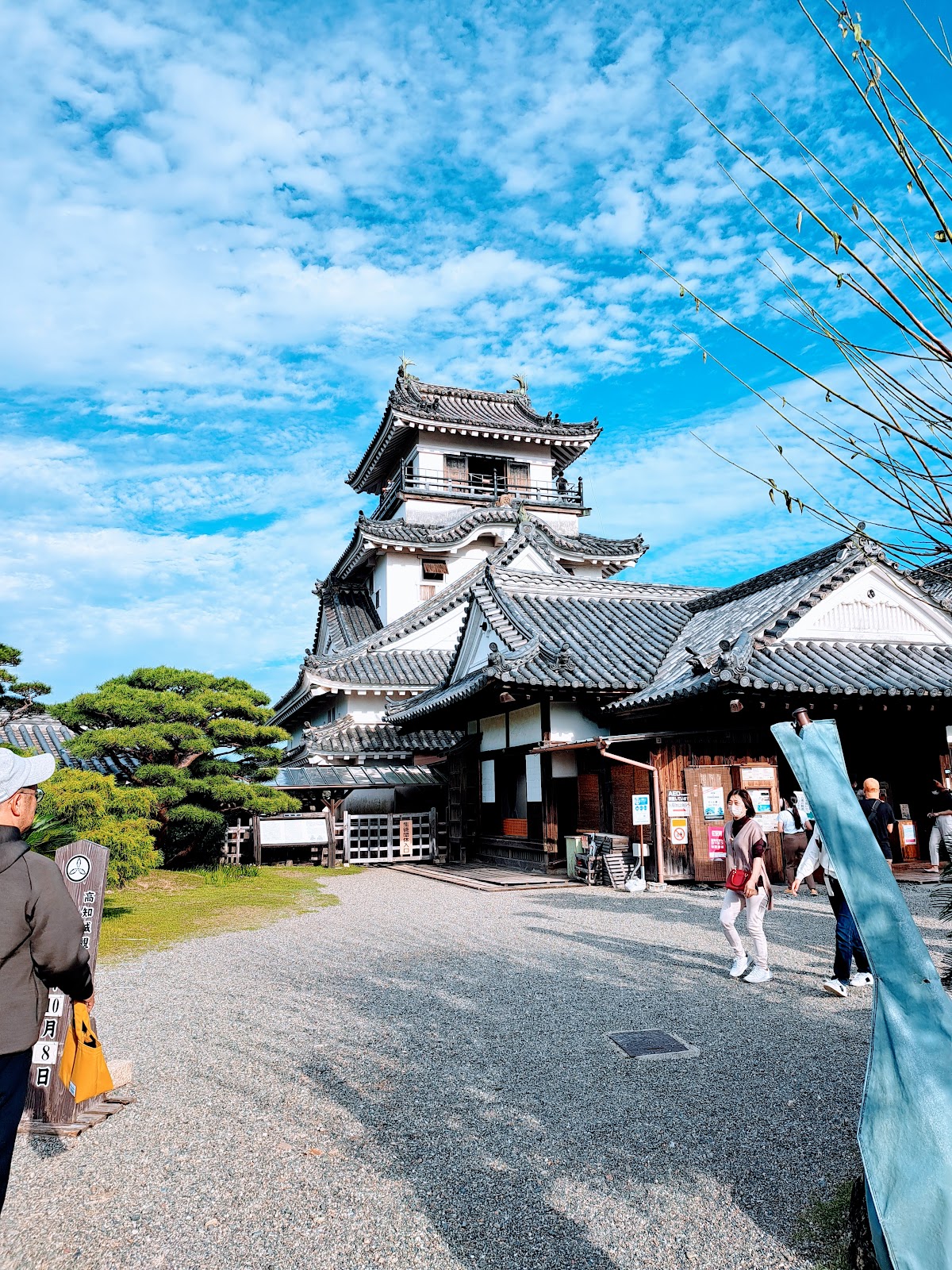
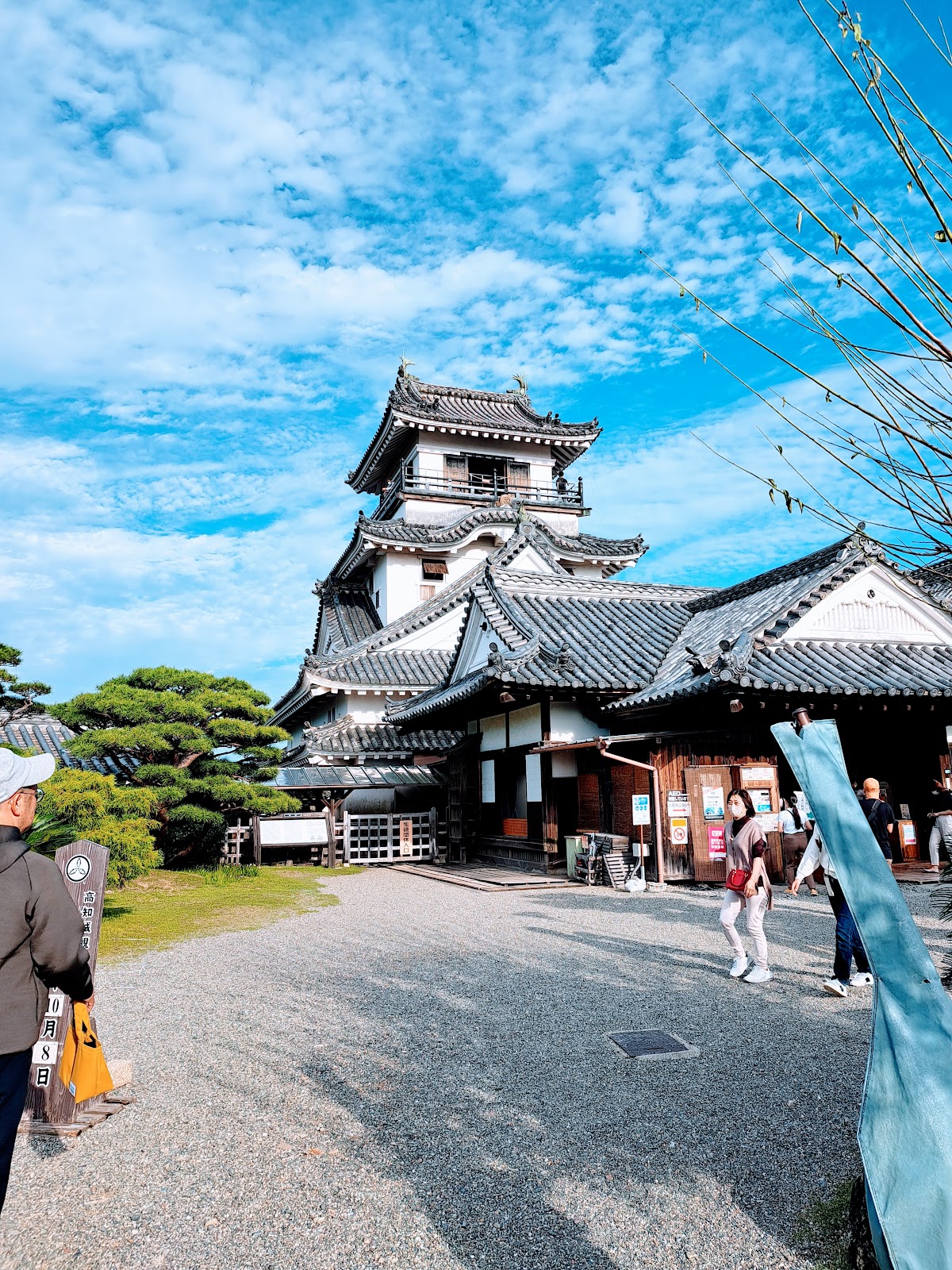
Kochi Castle, built by Yamauchi Kazutoyo, the lord of the Tosa domain, is a valuable castle with an existing keep. Located in the heart of Kochi City, many structures, including the keep, still exist. It is also selected as one of Japan’s Top 100 Castles and is a representative tourist attraction of Kochi Prefecture.
Nakamura Castle (Shimanto City)
Nakamura Castle, located in Shimanto City in western Tosa, is known as the residence of the Ichijo clan. Built by the Ichijo clan who moved from Kyoto, it became the center of the town of Nakamura, known as “Tosa’s Little Kyoto.”
Tourist Attractions in Konan City
- Noichi Zoological Park: A zoo where you can observe animals in a rich natural environment.
- Ya-Shi Park: A complex facility with a roadside station, restaurants, and hot spring facilities.
- Tei Port Movable Bridge: A rare movable bridge in Japan where you can watch the bridge open and close.
Betsuyaku Castle and the Sengoku Period History of Tosa
The Chosokabe Clan’s Unification of Shikoku and the Betsuyaku Clan
In the latter half of the 16th century, Chosokabe Motochika unified Tosa Province and further expanded his power throughout Shikoku. During this process, local lords like the Betsuyaku clan came under the Chosokabe clan’s control and supported their military strength.
The Kami District, ruled by the Betsuyaku clan, was located in the eastern part of Tosa Province and was a strategically important location near the border with Awa Province (present-day Tokushima Prefecture). It is believed that the cooperation of the local lords in this region was indispensable during the Chosokabe clan’s invasion of Awa.
The Chosokabe Clan under the Toyotomi Regime
In 1585 (Tensho 13), during Toyotomi Hideyoshi’s conquest of Shikoku, Chosokabe Motochika surrendered and was granted control of Tosa Province. Subsequently, the Chosokabe clan became a major daimyo under the Toyotomi regime, participating in Hideyoshi’s various campaigns.
The Kyushu campaign of 1587 was part of this campaign, and the Battle of Hetsugigawa, in which Betsuyaku Saburozaemon participated, was one of the battles fought during this campaign. The defeat in this battle and the death of Nobuchika were major blows to the Chosokabe clan, leading to their subsequent decline.
The Battle of Sekigahara and the Dispossession of the Chosokabe Clan
In the Battle of Sekigahara in 1600, Chosokabe Morichika (Motochika’s fourth son) sided with the Western Army. The battle ended in victory for the Eastern Army, and many of the daimyo who sided with the Western Army were dispossessed of their domains. The Chōsokabe clan was no exception; their Tosa Province was confiscated, and Yamauchi Kazutoyo was appointed as the new lord of Tosa.
This change of power forced many of the Chōsokabe clan’s former retainers to make significant changes, and many, like Betsuyaku Sankichiro Yoshishige, returned to farming. It is believed that Betsuyaku Castle was abandoned around this time.
Investigation and Research of Betsuyaku Castle
Designation as a City Historic Site
The Betsuyaku Castle ruins are designated as a city historic site in Kōnan City and are protected as an important cultural property of the region. This designation ensures the preservation and proper management of the remains.
Position in Castle Research
Betsuyaku Castle, as a castle of a local lord in Tosa, is an important example in the study of medieval castles. Unlike large-scale early modern castles, it is a small to medium-sized castle that reflects the realities of a regional lord, making it a valuable resource for understanding regional society during the Sengoku period.
Expectations for Future Investigations
Regarding Betsuyaku Castle, many areas have yet to be thoroughly excavated or surveyed, and future investigations may yield new insights. In particular, there are many issues that need to be clarified, such as the castle’s construction date, its detailed layout, and the location of the Betsuyaku clan’s residence.
Summary
Betsuyaku Castle is a Sengoku period mountain castle remaining in Konan City, Kochi Prefecture, and holds significant historical importance as the residence of the Betsuyaku clan, who served the Chosokabe clan. The tragedy of Betsuyaku Saburozaemon, who died in the Battle of Hetsugigawa, and the story of Betsuyaku Sankichiro Yoshishige, who returned to farming after the fall of the Chosokabe clan, symbolize the Sengoku period history of Tosa.
Currently, the Kamado Shrine stands on the castle site, and remains such as earthworks and moats are well-preserved. While Kochi Prefecture boasts famous castles such as Kochi Castle and Okotoyo Castle, castles of local lords like Betsuyaku Castle are also indispensable for understanding the history of Tosa.
For castle enthusiasts, those interested in the Sengoku period history of Tosa, and those with an interest in medieval history, Betsuyaku Castle is a historical site well worth a visit. When you visit Konan City, be sure to stop by. The ruins remaining in the quiet mountains will transport you back to the Sengoku period, more than 400 years ago.