Tendo Castle and Tendo City History & Tourism Guide | The Charm of the Mountain Castle Ruins on Maizuru Mountain and the City of Shogi
Located almost in the center of Yamagata Prefecture, Tendo City developed as a castle town of Tendo Castle, built during the Nanboku-cho period, and is now known nationwide as a production center for shogi pieces. Maizuru Mountain, towering over the city center, is the site of Tendo Castle and attracts many tourists as a cherry blossom viewing spot in spring and as the stage for the annual “Human Shogi” event. This article provides a detailed explanation of this fascinating city, from the historical background of Tendo Castle to the geography, industries, and tourist spots of Tendo City.
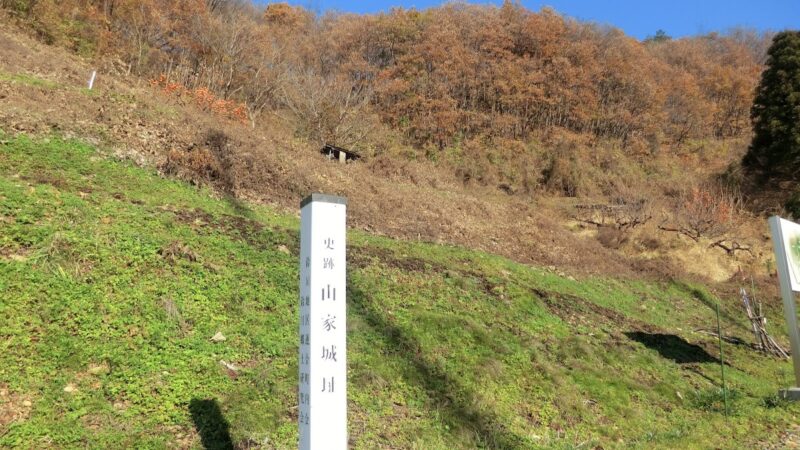
History of Tendo Castle (Maizuru Mountain)
Construction during the Nanboku-cho Period and Kitabatake Tendomaru
Tendo Castle is a mountain castle built during the Nanboku-cho period by Kitabatake Tendomaru, a member of the Kitabatake family. The Kitabatake clan were influential court nobles loyal to the Southern Court, and Tendōmaru established a castle in this area as a base for the Southern Court forces in the Tohoku region. Maizuru Mountain, at an elevation of approximately 242 meters, was strategically located overlooking the Yamagata Basin.
The castle’s name is said to originate from the name of its builder, Tendōmaru, and later became established as a place name. As a mountain castle, Tendō Castle featured defensive structures that skillfully utilized the natural terrain, demonstrating the high level of castle-building technology of the time.
From the Sengoku Period to the Edo Period
During the Sengoku period, it came under the control of the Mogami clan and functioned as part of the Yamagata Domain. In the Edo period, the Tendō region was divided and governed by the Yamagata Domain and the shogunate, but a major turning point occurred in 1830 (Tenpō 1).
The Oda clan, who ruled the Takabatake Domain, moved their headquarters to Tendō Village, and the Tendō Domain was established. The Oda clan were descendants of Oda Nobunaga’s second son, Nobuo, and ruled a small domain of approximately 20,000 koku, but they cultivated a unique culture in the Tendo region. This Tendo Domain period is a crucial time in shaping the cultural foundation of present-day Tendo City.
The Meiji Restoration and the Role of Tendo Castle
With the Meiji Restoration, the Tendo Domain, like other domains, ceased to exist due to the abolition of the feudal system and the establishment of prefectures. While Tendo Castle itself had already lost its function as a practical fortress during the Edo period, it continued to be cherished by residents as a regional symbol. After the Meiji Restoration, Maizuru Mountain was developed into a park, which evolved into the present-day Maizuru Mountain Park.
Geography and Location of Tendo City
Location in Central Yamagata Prefecture
Tendo City is located almost in the center of Yamagata Prefecture and has a long, diamond-shaped area running east to west. To the south, it borders Yamagata City across the Tachi River, and to the west, it borders Sagae City, Kahoku Town, and Nakayama Town across the Mogami River. To the north, Tendo City borders Higashine City across the Rangawa River, making it an important component city of the Yamagata metropolitan area (Yamagata Greater Metropolitan Area).
The city covers an area of approximately 113 square kilometers and has a population of about 60,000. Its convenient location, approximately 20 minutes by car from the center of Yamagata City and 10 minutes from Yamagata Airport, is a significant advantage for both industrial development and tourism promotion.
Topography and Rivers
Tendo City’s topography is characterized by alluvial fans formed by rivers such as the Tachi River and Rangawa River, which originate in the Ou Mountains. The western part is a plain belonging to the Yamagata Basin, making it suitable for agriculture and urban development. The eastern part, on the other hand, is a mountainous area included in the Ou Mountains, where a rich natural environment is preserved.
The Mogami River flows through the southwestern part of the city, and the Kuratsu River, which flows through the central part, and the Rangawa River, which flows through the northern part, merge with the Mogami River. These rivers have been used for agricultural water since ancient times, supporting Tendo’s abundant agricultural production. Furthermore, the well-drained soil characteristic of alluvial fans is suitable for fruit cultivation, and the production of fruits such as cherries and La France pears is thriving.
Climate and Seasons
Tendo City has a continental climate, characterized by hot and humid summers and cold winters with heavy snowfall. The large temperature difference throughout the year contributes to the high sugar content of the fruits.
In spring, the cherry blossoms on Maizuru Mountain are in full bloom; in summer, fruit picking in orchards; in autumn, the autumn leaves; and in winter, snowscapes and hot springs – you can enjoy the charms of each season. The winter views of the snow-covered mountains, particularly the Zao, Asahi, and Gassan mountain ranges, are breathtaking, and the scenery from Maizuru Mountain attracts many photography enthusiasts.
Transportation Access and Convenience
Rail Transportation
The JR Ou Main Line runs north-south through the approximate center of Tendo City, with Tendo Station serving as the city’s gateway. From Tendo Station, access to Yamagata Station is approximately 15 minutes, and to Sendai Station is approximately 1 hour, making it easily accessible. Furthermore, Tendo-Minami Station (Sakuranbo-Higashine Station), a stop on the Yamagata Shinkansen, is also located within the city, providing convenient access from the Tokyo area.
Road Transportation
National Route 13 runs north-south through the approximate center of the city, functioning as a major arterial road in the Tohoku region. The urban area is formed in the region surrounded by the JR Ou Main Line and National Route 13, and is a concentration of commercial facilities and residential areas.
National Route 48 branches off from the eastern part of the city, continuing towards Sendai City in Miyagi Prefecture via the Sekiyama Pass. This National Route 48 is an important route connecting the Pacific coast and the Sea of Japan coast.
In addition, the Yamagata Expressway passes through the city, and access to the expressway network from the Tendo Interchange is easy. Development of the Tohoku Chuo Expressway is also progressing, and further improvements in transportation convenience are expected in the future.
Air Transportation
Tendo City’s proximity to Yamagata Airport (Oishii Yamagata Airport), just a 10-minute drive away, is a major attraction. Regular flights operate from the airport to destinations such as Tokyo (Haneda), Osaka (Itami), and Nagoya (Chubu), making it useful for both business and tourism.
History and Present of the Shogi Piece Industry
A Tradition Beginning as a Home-Based Craft by Tendo Domain Samurai
The reason Tendo City became known as the “City of Shogi Pieces” stems from the financial difficulties of the Tendo Domain during the late Edo period. It is believed that the then-lord encouraged the production of shogi pieces as a relief measure for the impoverished samurai.
Starting as a home-based craft for samurai, shogi piece making eventually developed into a local industry in Tendo. Even after the Meiji Restoration and the disappearance of the samurai class, this technique was passed down to craftsmen, and it continued to grow as an important industry in Tendo.
Designated as a Traditional Craft
Tendo shogi pieces are designated as a national traditional craft, recognized for their high level of skill and quality. Currently, Tendo City accounts for approximately 95% of the nation’s shogi piece production, making it the undisputed leading shogi piece production area in Japan.
The production of shogi pieces involves many processes, including wood preparation, lettering, carving, and lacquering, requiring the skills of highly skilled craftsmen. Especially for high-grade pieces, precious woods such as boxwood and Siamese boxwood are used, and each piece is carefully finished by hand.
Promoting Shogi Culture
Tendo City has a shogi museum exhibiting the history of shogi pieces, the production process, and materials related to famous shogi players. Many workshops in the city also hold production demonstrations and workshops, allowing tourists to experience making shogi pieces themselves.
In recent years, new initiatives aimed at younger generations, such as collaborations with the popular manga and anime “March Comes in Like a Lion,” have been undertaken, promoting both the continuation and innovation of this traditional industry.
Maizuruyama Park and Human Chess
Maizuruyama as a Cherry Blossom Viewing Spot
Maizuruyama, the site of Tendo Castle, is now developed as Maizuruyama Park and serves as a place of relaxation for citizens. Approximately 2,000 cherry trees are planted in the park, creating a spectacular sight when the entire mountain is dyed pink in spring.
The best time to see the cherry blossoms is usually from mid- to late April, and you can enjoy various varieties of cherry blossoms, mainly Somei Yoshino. The trees are also illuminated at night, allowing you to enjoy the magical sight of cherry blossoms after dark. Following the cherry blossom season, azaleas also come into bloom, with approximately 10,000 azalea bushes in full bloom in May.
The History and Charm of Human Chess
The “Human Chess” event, held annually in late April at Maizuruyama Park, is a representative spring event of Tendo City. Started in 1956 (Showa 31), this event has a history of over 60 years and attracts many shogi fans and tourists from all over Japan.
In Human Shogi, actual professional shogi players play a game, and people dressed in armor and kimonos move as pieces on a giant shogi board according to their moves. This magnificent shogi match, unfolding against the backdrop of Maizuru Mountain in full bloom with cherry blossoms, is a sight unique to Tendo.
Titleholders and popular players are often invited to the matches, making it a rare opportunity for shogi fans to see professional players up close. During the event, stalls selling shogi-related goods, offering hands-on experiences, and serving local cuisine are also set up, adding to the festive atmosphere.
View from Maizuru Mountain
From the summit of Maizuru Mountain, a magnificent view unfolds, encompassing the Zao Mountain Range, Asahi Mountain Range, Mount Gassan, and the flow of the Mogami River. On clear days, the entire Yamagata Basin can be seen, including Tendo city, as well as the cityscapes of Yamagata and Higashine.
In autumn, it’s known as a famous spot for autumn foliage, and the scenery of maple and other trees changing color offers a different kind of beauty than the cherry blossoms of spring. It’s a tourist spot worth visiting throughout all four seasons.
The Charm of Tendo Onsen
History of Den’en Onsen
Tendo Onsen is a rural hot spring located on the outskirts of Tendo City, the city of shogi (Japanese chess). Although it’s a relatively new hot spring resort, having opened in 1911 (Meiji 44), it has gained popularity for its abundant hot spring water and high-quality spring water.
The hot spring town features many facilities and objects related to shogi, and inns and hotels offer unique Tendo touches such as bathtubs shaped like shogi pieces and shogi puzzles in guest rooms.
Spring Water Quality and Effects
Tendo Onsen’s spring water is mainly sodium-calcium sulfate spring water, characterized by its colorless, transparent, slightly salty taste. It is said to be effective for neuralgia, muscle pain, joint pain, and fatigue recovery, soothing the fatigue of tourists and business travelers.
Hot Springs and Sightseeing Hub
Tendo Onsen is conveniently located as a base for sightseeing in Yamagata Prefecture. It offers easy access to major tourist destinations such as Zao, Yamadera, and Ginzan Onsen, and popular sightseeing plans combine it with fruit picking at nearby orchards or visits to shogi piece workshops.
Other Tourist Spots
Wakamatsu-ji Temple (Wakamatsu Kannon)
Wakamatsu-ji Temple in Tendo City is an ancient Tendai sect temple known as a sacred place for matchmaking. It is said to have been founded in 708 (Wado 1) by Gyoki, boasting a history of over 1300 years. It is also famous as the first temple of the Mogami Thirty-Three Kannon Pilgrimage, attracting many visitors.
Within the temple grounds, historical buildings such as the Kannon Hall, Okunoin, and Child-Rearing Jizo Hall are scattered, making it particularly popular with young women and couples as a Kannon for matchmaking. Located on the mountainside, the temple grounds offer magnificent views, allowing visitors to enjoy the changing seasons.
Tendo City Shogi Museum
The Tendo City Shogi Museum is a symbolic facility of Tendo, the city of shogi (Japanese chess). The museum exhibits the history of shogi pieces, the manufacturing process, materials related to famous shogi players, and a collection of valuable pieces.
Visitors can watch demonstrations of shogi piece making by actual craftsmen, and workshops are also held where you can create your own original shogi pieces. This is a recommended spot not only for shogi fans but also for those interested in traditional crafts.
Orchards and Fruit Picking
Tendo City is a leading fruit-producing area in Yamagata Prefecture, harvesting various fruits throughout the seasons, including cherries, La France pears, grapes, and apples. There are many tourist orchards in the city where you can enjoy fruit picking.
Cherry picking in June is particularly popular, attracting many tourists from all over Japan. The luxurious experience of tasting high-quality cherries, including “Sato Nishiki,” on the spot is one of the highlights of sightseeing in Tendo.
Industry and Economy
Agriculture
Agriculture in Tendo City has developed primarily around fruit cultivation. The climate, characterized by significant temperature differences unique to the Yamagata Basin, and the well-drained soil of the alluvial fan are ideal for producing high-quality fruit.
Cherries are cultivated extensively in Tendo City, one of the major production areas in Yamagata Prefecture, the birthplace of the “Sato Nishiki” variety. In autumn, pears, grapes, and apples are harvested, and these fruits are shipped nationwide and also utilized as tourist attractions.
Rice cultivation is also an important agricultural sector, producing Yamagata Prefecture’s brand-name rice varieties such as “Tsuyahime” and “Yukiwakamaru.”
Industry and Commerce
Besides the shogi piece industry, Tendo City is home to various manufacturing industries. Taking advantage of its convenient transportation, factories producing electronic components, precision machinery, and food processing plants operate, supporting the local economy.
Commercially, large commercial facilities are located mainly along National Route 13, and the area also functions as a commuter town for Yamagata City. In recent years, the development of suburban shopping centers has progressed, and the commercial area is expanding.
Administration and Council
Overview of City Administration
Tendo City was incorporated in 1958 (Showa 33) and has continued to develop for over 60 years since then. The city hall is located in Oinomori 1-chome, Tendo City, and serves as the central hub for citizen services.
The basic policy of the city administration is “Tendo: Where people shine and the city thrives,” and it is working on industrial promotion, enrichment of education and culture, improvement of welfare, and development of urban infrastructure.
Council
The Tendo City Council, as representatives of the citizens, checks the city administration and plays a role in important policy decisions. It has 18 members, and elections are held every four years.
The city council deliberates on budgets, ordinances, and important contracts, functioning as a vital institution that reflects the voices of citizens in city administration.
Education and Cultural Facilities
Educational Institutions
Tendo City has elementary schools, junior high schools, and high schools, providing a well-developed educational environment for children. There are eight municipal elementary schools and four junior high schools, providing community-based education.
There are several high schools, including Yamagata Prefectural Tendo High School, offering both general and specialized courses. Furthermore, there are universities in the neighboring cities of Yamagata and Higashine, providing good access to higher education.
Cultural Facilities
Tendo City has cultural facilities such as the Tendo City Civic Culture Center (Wakuwaku Land) and the Tendo City Library. The Civic Culture Center hosts concerts, plays, lectures, and other events, serving as a hub for citizens’ cultural activities.
The library houses approximately 200,000 books, supporting citizens’ learning and reading activities. The children’s book section is well-stocked, and efforts are being made to cultivate reading habits in children.
Sister Cities and Partner Cities
Tendo City has sister city and friendship city relationships with cities both domestically and internationally, promoting cultural and economic exchange.
Tendo City has a sister city relationship with Morden, Manitoba, Canada, and mutual student visits and cultural exchanges take place. Domestically, Tendo City is also deepening cooperation with various municipalities, including through exchanges via shogi (Japanese chess).
These exchanges deepen citizens’ international understanding and provide opportunities to promote the charms of Tendo City both domestically and internationally.
Postal Services and Communications
Tendo City has several post offices, centered around the Tendo Post Office, providing services such as postal services, savings, and insurance. Postal codes range from 994-00xx to 994-01xx.
Communication infrastructure is also well-developed, and high-speed internet access is available through the development of a fiber optic network. In recent years, with the spread of teleworking and online education, the importance of communication environments has increased, and the city is working to improve its information and communication infrastructure. ## Local Communities and Citizen Life
Tendo City is also focusing on revitalizing local communities. Community centers are established in each district and are used as places for residents to interact and for lifelong learning.
Various local events are held throughout the year, and in addition to the Human Chess event, citizen-participation events such as the Tendo Summer Festival and the Tendo La France Marathon foster a sense of community.
In response to the aging society, efforts are being made to improve welfare facilities and build a community-based integrated care system, promoting the creation of a city where everyone can live with peace of mind.
Summary
Tendo City, which developed as a castle town of Tendo Castle and is known nationwide as a production center for shogi pieces, is an attractive city where history and tradition, nature and industry are in harmony. The ruins of Tendo Castle, remaining on Maizuru Mountain, tell the story of its long history dating back to the Nanboku-cho period, and attract many people with its spring cherry blossoms and Human Chess event.
Leveraging its location almost in the center of Yamagata Prefecture, Tendo City has developed as a transportation hub. Working in cooperation with neighboring municipalities such as Yamagata City, Higashine City, and Sagae City, it plays a vital role in the Yamagata metropolitan area. Its excellent access to National Routes 13 and 48, the Yamagata Expressway, and Yamagata Airport is a major strength for both tourism and business.
The local economy is supported by a diverse range of industries, including the production of traditional shogi (Japanese chess) pieces, fruit cultivation (cherries and La France pears, for example), and tourism centered around Tendo Onsen (hot springs). These industries work together to establish the brand image of “Tendo: the city of shogi, hot springs, and fruit.”
Tendo City boasts a variety of tourist resources, including historical temples and shrines such as Wakamatsu-ji Temple, the seasonal beauty of Maizuru-yama Park, cultural experiences at the Shogi Museum, and fruit picking in orchards. Exploring these allows visitors to comprehensively experience Tendo’s history, culture, nature, and industries.
When you visit Tendo City, be sure to climb Mount Maizuru and enjoy the panoramic view of the Yamagata Basin from the ruins of Tendo Castle. The majestic mountains of the Zao, Asahi, and Gassan mountain ranges, the flow of the Mogami River, and the cityscape spreading out below will give you a real sense of the rich nature and history of this region. With cherry blossoms in spring, fruits in summer, autumn leaves in fall, and hot springs in winter, Tendo City can be enjoyed throughout the four seasons, making it a fascinating tourist destination where you can discover something new no matter how many times you visit.