Complete Guide to Takō Castle (Tochigi Prefecture): The Utsunomiya Clan’s Fortress That Even Uesugi Kenshin Couldn’t Conquer
What is Takō Castle?
Takō Castle was a medieval flatland castle located in Takō, Kaminokawa-machi, Kawachi-gun, Tochigi Prefecture. As the residence of the Takō clan, a branch of the Utsunomiya clan, it functioned as a key point for the southern defense of Utsunomiya Castle from the Kamakura period to the Sengoku period.
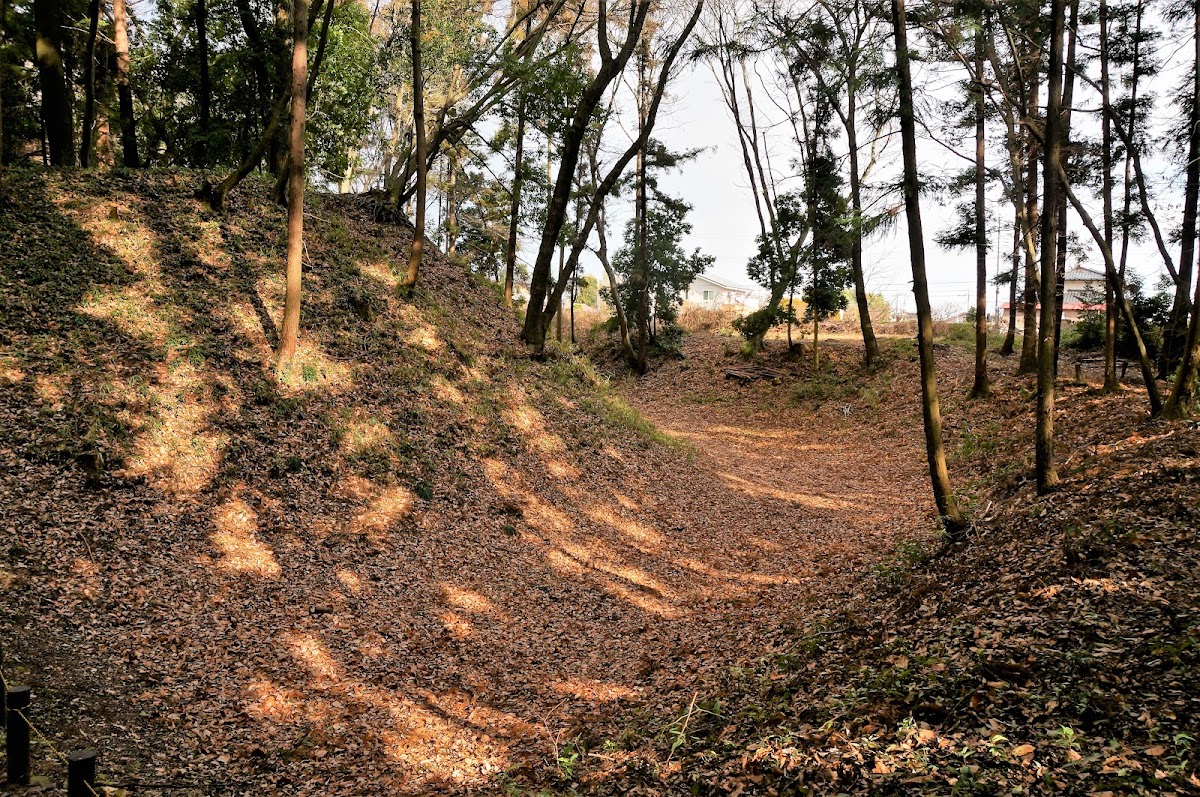
Currently, remnants of earthworks and moats remain in part of the main keep site, conveying the appearance of a once formidable fortress. Located on a strategically important route leading from the spheres of influence of the Oyama and Yakushiji clans to Utsunomiya Castle, it was an extremely important fortress.
History and Development of Takō Castle
Kamakura Period: Construction and the Establishment of the Takō Clan
The construction of Takō Castle is believed to have taken place in Hōji 2 (1248). Takō Iwami-no-kami Munetomo, the fourth son of Utsunomiya Yoritsuna, the fifth lord of Utsunomiya Castle, chose the Takō area as a defensive stronghold south of Utsunomiya Castle and built this castle there.
By establishing the castle in this location, Munetomo began to call himself the “Takō clan,” and for approximately 350 years thereafter, the Takō clan resided in this castle for generations. As a branch of the Utsunomiya clan, the Takō clan played a crucial role in the defense network centered around Utsunomiya Castle.
Muromachi Period: As a Base for Regional Control
Throughout the Muromachi period, Takō Castle functioned as an important branch castle within the Utsunomiya clan’s sphere of influence. Along with Yokota Castle, ruled by the Yokota clan, also a branch of the Utsunomiya clan, it formed a defensive line to prepare for invasions from the south.
During this period, the Takō clan expanded their power as a powerful local lord, establishing control over the surrounding area centered around Takō Castle. The castle’s fortifications were gradually expanded, and it is believed to have developed into a formidable fortress with double and triple moats.
Sengoku Period: Battles with Uesugi Kenshin
Takō Castle first appears on the historical stage during the Sengoku period (Warring States period). In 1557, when Uesugi Kenshin (then known as Nagao Kagetora) of Echigo invaded the Kanto region, the castle’s lord at the time, Takō Nagatomo, successfully repelled Kenshin’s forces.
Uesugi Kenshin was one of the most renowned generals of the Sengoku period, often referred to as a “god of war,” and repelling his army demonstrated the castle’s strong defenses and Takō Nagatomo’s bravery. This battle was a significant event that enhanced the reputation of both Takō Castle and the Takō clan.
Battles Against the Hojo Clan
In 1572 (Genki 3), during the time when Takō Fusatomo, son of Nagatomo, was the castle lord, the forces of the Hojo clan of Sagami Province attacked Takō Castle. However, like his father, Fusatomo succeeded in repelling the Hojo attack.
During this period, major powers such as the Uesugi, Hojo, and Satake clans were vying for supremacy in the Kanto region, and the Utsunomiya clan was fighting for survival in the midst of these conflicts. Takō Castle continued to play an extremely important role in the defense of Utsunomiya Castle amidst these wars.
End under the Toyotomi Regime
With the end of the Sengoku period, the history of Takō Castle also came to an end. In 1597 (Keichō 2), when the Utsunomiya clan was dispossessed (had their territory confiscated) by Toyotomi Hideyoshi, the Takō clan, a branch of the Utsunomiya clan, also lost their territory, and Takō Castle was abandoned.
The history of Takō Castle, which lasted for approximately 349 years from its construction in 1248 (Hōji 2) to its abandonment in 1597 (Keichō 2), has now come to an end.
Structure and Characteristics of Takō Castle
Castle Type and Location
Takō Castle is classified as a flatland castle. Built on a flat area approximately 65 meters above sea level, it prioritizes defense through moats and earthworks rather than utilizing the rugged terrain of a mountain castle.
The castle is located along the road leading from Oyama to Utsunomiya, strategically situated to control a key transportation hub. This location was important not only for military defense but also for managing transportation and distribution.
Layout and Defensive Facilities
From historical records and existing remains, it is known that Takō Castle was a formidable fortress with double and triple moats. Despite being a flatland castle, its complex moat layout provided a high level of defense.
It is believed that multiple baileys were arranged around the main keep. The earthworks were built high, and the moats were wide and deep. This structure is likely one of the factors that enabled the castle to repel the forces of Uesugi Kenshin and the Hojo clan.
Castle Scale
While historical records are limited regarding the exact size of Takō Castle, it is estimated to have been a considerable size as an important branch castle of the Utsunomiya clan. Based on the extent of the remaining structures and the surrounding topography, the castle grounds, including the main keep, may have covered several hectares.
Current Takō Castle Site
Location and Access
Location: Takō, Kaminokawa-machi, Kawachi-gun, Tochigi Prefecture
Currently, the Takō Castle site is located north of Ishibashi Golf Garden. A stone monument marking Takō Castle stands near the entrance to the golf driving range, serving as a landmark for visitors.
Access by public transportation is somewhat inconvenient; visiting by private car is recommended. It’s about a 10-minute drive from JR Ishibashi Station.
Remaining Structures
Currently, the following remains are preserved at the Takō Castle site:
Earthworks and moats on the north and west sides of the main enclosure: This is the best-preserved section, allowing visitors to appreciate the scale of the former castle. The double dry moats and earthworks extending east and west are clearly visible, making them valuable remains for understanding the structure of a medieval castle.
Part of the eastern earthwork: A portion of the earthworks remains on the east side of the main enclosure.
Moat remains: Traces of the moat from that time can be seen in the area adjacent to the rice paddies. Even areas currently used as rice paddies were once part of the castle’s defensive facilities.
Points to Note When Visiting
There are several points to note when visiting the Takō Castle site:
- Consideration for private property: Part of the castle site is private property. Since some areas are close to a golf driving range, careful consideration is necessary when entering. 2. Google Maps Accuracy: Some map apps have been reported to mislead users, sometimes directing them to private property. It’s best to aim for the stone monument at the entrance to the golf driving range.
- Visiting Etiquette: To protect the historical remains, please be careful when entering the earthworks and moats. Also, please be considerate of noise levels, as this is a residential area.
Related Historical Sites in the Surrounding Area
Kenshoji Temple: Located near the Takō Castle ruins, Kenshoji Temple houses the graves of successive generations of the Takō clan. Those wishing to gain a deeper understanding of the Takō clan’s history are encouraged to visit this temple as well. The burial grounds of the castle lords quietly tell the story of the Takō clan’s approximately 350-year history.
Yokota Castle Ruins: Like Takō Castle, Yokota Castle was ruled by the Yokota clan, a branch of the Utsunomiya clan, and played a role in the southern defense of Utsunomiya Castle alongside Takō Castle.
Historical Significance of Takō Castle
Position in the Utsunomiya Clan’s Defense Strategy
Takō Castle did not function as a standalone fortress, but rather as part of a network of castles centered around Utsunomiya Castle. It played a crucial role in monitoring and defending invasion routes from the south, making it indispensable for the Utsunomiya clan’s maintenance of power.
The Utsunomiya clan was one of the most prestigious families in the Kanto region, and their power was supported by the existence of branch castles like Takō Castle. By coordinating with each other, they built a defensive system capable of resisting invasions from larger forces.
Examples of Siege Warfare in the Sengoku Period
The fact that Takō Castle repelled attacks from prominent daimyo of the Sengoku period, such as Uesugi Kenshin and the Hōjō clan, demonstrates the high defensive capabilities of Takō Castle and provides a valuable example of the realities of siege warfare during the Sengoku period.
The structure of Takō Castle, which achieved strong defenses despite being a flatland castle, is an important subject of study in medieval castle research. It offers one solution to the challenge of how to enhance defensive capabilities on flat land during an era when mountain castles were dominant. ### Importance in Local History
When discussing the history of Tochigi Prefecture, particularly Kaminokawa Town, the existence of Takō Castle and the Takō clan is indispensable. The history of the Takō clan, who ruled this land for approximately 350 years, is an integral part of the region’s identity.
The fact that “Takō” remains as a place name today, and that the Takō clan’s tombs are preserved at Kenshōji Temple, is evidence that the local people have carefully preserved and passed down their history.
Genealogy and Figures of the Takō Clan
First Lord of the Castle: Takō Munetomo
Born as the fourth son of Utsunomiya Yoritsuna, Munetomo built Takō Castle and became the founder of the Takō clan. Being entrusted with the important task of defending the south as a member of the Utsunomiya clan was a testament to Munetomo’s ability and trustworthiness.
Takō Nagatomo
He was the lord of the castle who repelled Uesugi Kenshin’s forces in 1557. His achievements in this battle enhanced the military reputation of the Takō clan. During the time of Nagatomo, Takō Castle played a crucial role amidst the turbulent Sengoku period.
Takō Fusaaki
Nagatomo’s son, he repelled an attack by the Hōjō clan in 1572. Inheriting his father’s bravery, he was a renowned general who successfully defended Takō Castle.
Cultural Value of Takō Castle
Designation Status
Currently, Takō Castle ruins are not designated as a national or prefectural historical site, but they are recognized as an important historical heritage of Kaminokawa Town. The remaining structures are valuable resources for understanding the structure of medieval castles.
Preservation Status and Challenges
While parts of the castle ruins have been lost due to development, the main structures remain. However, preservation challenges exist, such as deterioration over time and overgrown vegetation.
As a regional historical heritage site, it is necessary to maintain a balance between appropriate preservation and utilization in the future.
Significance of Visiting Takō Castle
Visiting the Takō Castle ruins offers more than just a glimpse of the site; it has the following significance:
Experience a Sengoku Period Battlefield: By seeing the remains of a castle that actually repelled attacks from Uesugi Kenshin and the Hojo clan, you can realistically feel the tension of the Sengoku period.
Understanding the Structure of Medieval Castles: This is a valuable opportunity to concretely understand the defensive system of a flatland castle. You can experience firsthand how earthworks and moats functioned as defenses.
Connecting with Local History: Through the history of the Takō clan, which lasted for approximately 350 years, you can learn about the transition from the medieval to the early modern period in Tochigi Prefecture.
A Quiet Historical Stroll: As it is not a famous tourist spot, you can reflect on history in a calm atmosphere.
Summary
Takō Castle is a valuable medieval castle ruin remaining in Kaminokawa Town, Tochigi Prefecture. From its construction in 1248 to its abandonment in 1597, Takō Castle served as the southern defense for the Utsunomiya clan for approximately 350 years.
Its ability to repel attacks from powerful daimyo of the Sengoku period, such as Uesugi Kenshin and the Hojo clan, speaks volumes about the castle’s strength and the bravery of the Takō clan. The remaining earthworks and moats demonstrate the advanced castle-building techniques of the time.
For those interested in Tochigi Prefecture’s history, medieval castles, or the battlefields of the Sengoku period, Takō Castle ruins are a worthwhile historical site to visit. Using the stone monument at the entrance to Ishibashi Golf Garden as a landmark, why not pay a visit? Visiting the Takō clan’s ancestral tombs at the nearby Kenshōji Temple will allow you to gain a deeper understanding of the history of the Takō clan and Takō Castle.
--765x450.png)