Katsumi Castle (Chiba Prefecture) Complete Guide: A Thorough Explanation of History, Remains, and Access
Katsumi Castle was a mountain castle from the Sengoku period located in Ichihara City, Chiba Prefecture. Although only a portion of the remains exist today, it is known as an important historical site for understanding the region’s history. This article provides a detailed explanation of Katsumi Castle, from its historical background to its current state, highlights, and access methods.
Basic Information on Katsumi Castle
Katsumi Castle was a medieval mountain castle located in the Katsuma district of Ichihara City, Chiba Prefecture. Built on the hilly area around present-day Katsuma in Ichihara City, it functioned as a strategic stronghold in the inland part of the Boso Peninsula.
Location and Geographical Characteristics
- Location: Katsuma, Ichihara City, Chiba Prefecture
- Castle Type: Mountain Castle
- Construction Period: Sengoku period (estimated late 15th to 16th century)
- Elevation: Hilly area of approximately 50-60 meters
Katsumi Castle was built near a tributary of the Yoro River, offering a geographical advantage that allowed for monitoring both water and land routes. Its layout is characterized by its use of the natural topography of the hills.
History of Katsumi Castle
Background and Era of Construction
During the Sengoku period, when Katsumi Castle was built, the Boso region was a turbulent era with multiple powers vying for control. In particular, power struggles were unfolding among the Chiba, Satomi, and Takeda clans (Kazusa Takeda).
Katsumi Castle is believed to have been built by a local lord who ruled this region. The Ichihara area was close to the center of Kazusa Province and was an important strategic base for each power. ### Castle Lord and Ruling Force
Regarding the lord of Katsumi Castle, due to the limited availability of reliable historical records, many details remain unclear. However, based on local traditions and place names, the following possibilities have been suggested:
Possible Builders
- Local Lord Theory: Possibility that the castle was built by a local lord based in the Katsuma area.
- Kazusa Takeda Clan Related Theory: Possibility that it was built by a samurai under the Kazusa Takeda clan, as it was within their sphere of influence.
- Chiba Clan Related Theory: Possibility that it functioned as a branch castle during the Chiba clan’s period of power expansion.
In the Boso Peninsula during the Sengoku period, many small castles and fortresses were built under the control of larger powers, and Katsumi Castle is thought to have been one of them.
Role in the Sengoku Period
Katsumi Castle is presumed to have played the following roles:
- Center for Territorial Administration: Center for governing the surrounding area and collecting land tax
- Military Surveillance Base: Monitoring of transportation routes in the Yoro River basin
- Emergency Shelter: Evacuation site for residents during wartime
- Information Transmission Relay Point: Part of an information network using signal fire stations, etc.
Time of Abandonment
While there are no clear records of when Katsumi Castle was abandoned, the following periods are considered:
- After the Siege of Odawara in 1590: After Toyotomi Hideyoshi’s pacification of the Kanto region and Tokugawa Ieyasu’s entry into the Kanto region, many small and medium-sized castles were abandoned. It is highly likely that Katsumi Castle also ceased its role around this time.
- One Castle Per Province Decree in the Early Edo Period: The One Castle Per Province Decree of 1615 formally abolished branch castles throughout the region.
Katsumi Castle’s Layout and Structure
Basic Structure of the Castle
Katsumi Castle is a typical Sengoku period mountain castle and is thought to have had the following structure:
Main Components
- Main Enclosure (Honmaru): The central enclosure of the castle, located at the highest elevation.
- Second and Third Enclosures (Ninmaru and Sanmaru): Multiple enclosures protecting the main enclosure.
- Moat: A defensive structure dug to cut across the ridge.
- Earthwork: An earthen wall built around the enclosure.
- Entrance (Koguchi): An entrance to the castle, with a fortified defensive structure.
Defensive Features
It is presumed that Katsumi Castle’s defensive system had the following features common to Sengoku period mountain castles:
- Utilization of Natural Terrain: Steep slopes were used as outer moats.
- Stepped Arrangement of Enclosures: Multiple enclosures were arranged in a stepped pattern to achieve multi-layered defense.
- Demarcation by Moats: Moats were used to prevent enemy incursions along the ridges.
- Ensuring Clear Visibility: The location offered a panoramic view of the surrounding plains.
Current Status and Remains of Katsumi Castle
Current State
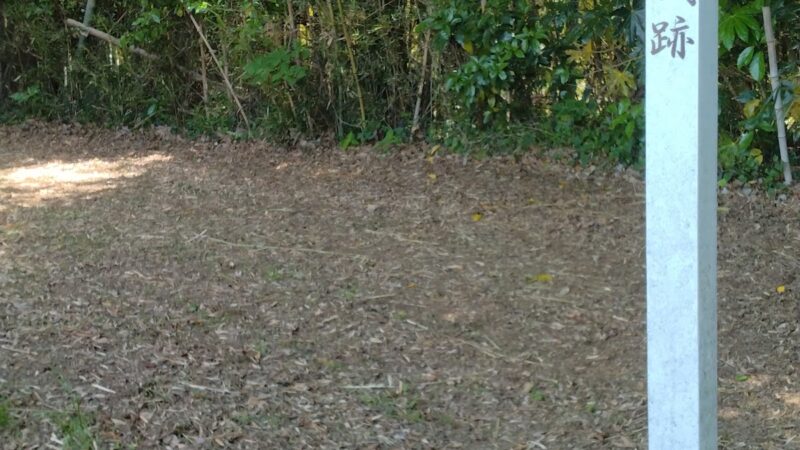
Currently, most of the Katsumi Castle site is private land and forest, making it difficult to confirm clear castle remains. Years of weathering and development have significantly altered its appearance from its former state.
Identifiable Remains
Field surveys and research have indicated the following traces of remains:
- Topographical undulations: Flat areas believed to be the remains of baileys
- Edible cliff-like terrain: Steep slopes that may have been artificially excavated
- Traces of a moat: Depressions in the terrain that appear to have cut through a ridge
- Earthwork-like elevations: Terrain that appears to be the remains of an earthwork in some areas
However, these remains are not clear and are difficult to identify without specialized knowledge.
Preservation Status and Challenges
Katsumi Castle Ruins face the following preservation challenges:
- No Historic Site Designation: Because it hasn’t been designated a historical site by the national, prefectural, or municipal government, preservation activities are limited.
- Private Land Issues: The majority of the site is privately owned, making surveys and maintenance difficult.
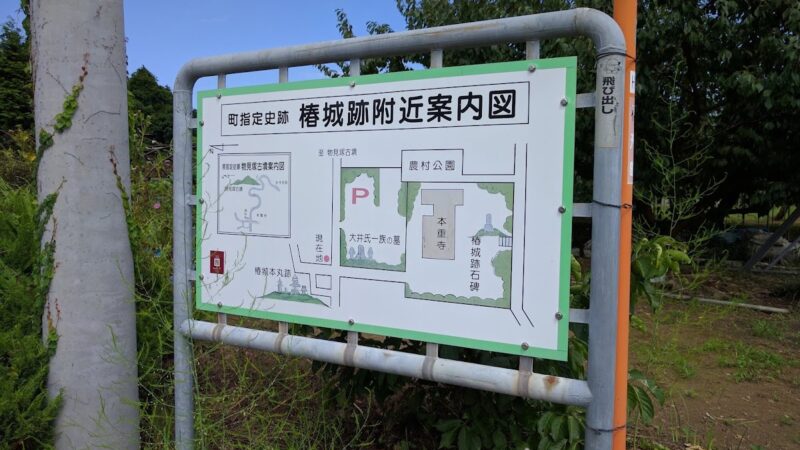
- Low Awareness: Even among local residents, awareness of it as a castle site is weak.
- Natural Erosion: Overgrown vegetation and weathering have obscured the remains.
Highlights of Katsumi Castle
Experience Historical Romance
Although there are few clearly defined remains at Katsumi Castle ruins, it’s a place where you can truly feel the history of Boso during the Sengoku period.
- Sengoku Period Atmosphere: Imagine the lives of the warlords and local people of that time.
- Topographical Observation: Understand the ingenuity of the mountain castle’s location.
- Boso History: Learn about a part of Boso’s Sengoku history, including the Chiba and Satomi clans.
Nearby Historical Spots
When visiting Katsumi Castle ruins, we recommend visiting other historical spots in Ichihara City as well.
Related Historical Sites in Ichihara City
- Kazusa Kokubunji Temple Ruins: The center of ancient Kazusa Province
- Kazusa Kokubun-niji Temple Ruins: An ancient temple site designated as a national historic site
- Ichihara City Buried Cultural Properties Research Center: Exhibits local historical materials
- Anezaki Shrine: A shrine that has attracted worshippers since ancient times
Access to Katsumi Castle
Access by Public Transportation
Access to Katsumi Castle Ruins by public transportation is limited.
By Train and Bus
- Get off at JR Uchibo Line “Yawatajuku Station”
- Take a taxi or walk from the station (approximately 3-4 km)
- Kominato Railway buses are also available (check routes and schedules)
Access by Car
Visiting by car is the most convenient option.
Route from Major Roads
- From Tokyo: Keiyo Expressway → Tateyama Expressway → Ichihara IC → Via National Route 297
- Car Navigation Settings: Search for “Katsuma, Ichihara City, Chiba Prefecture”
- Parking: There is no dedicated parking lot, so please use nearby public facilities or roadside rest areas.
Points to Note When Visiting
Please note the following points when visiting Katsumi Castle Ruins.
- Respect for Private Property: Do not trespass on private property without permission.
- Ensure Safety: Use appropriate equipment for activities in forests.
- Prior Survey: Confirm the exact location with the Ichihara City Board of Education or other relevant authorities beforehand.
- Season Selection: Avoid summer when vegetation is abundant; late autumn to early spring is suitable for observation.
- Avoid Solo Activities: Visit in groups if possible.
Research and Future of Katsumi Castle
Current State of Academic Research
Currently, academic research on Katsumi Castle is not yet sufficiently advanced.
Future Research Topics
- Detailed Survey: Creation of an accurate castle layout map
- Excavation: Dating artifacts based on their discovery
- Documentary Research: Clarification of the castle lord and history from ancient documents
- Relationship with Surrounding Castles: Clarification of the regional castle network
Expectations for Preservation and Utilization
Preservation and utilization of Katsumi Castle ruins are expected as a regional historical heritage site.
Future Possibilities
- Historical Site Designation: Protection through city designation as a historical site
- Installation of Information Boards: Providing information to visitors
- Utilization for Local Education: As teaching material for local history in elementary and junior high schools
- Historical Tourism: As a historical tourism resource for Ichihara City
Boso Mountain Castles and Katsumi Castle
Characteristics of Boso Castles
Many medieval castles existed on the Boso Peninsula. Katsumi Castle is one of them and possesses the following characteristics of Boso castles.
- Many small mountain castles: There are few large-scale early modern castles; instead, small and medium-sized mountain castles are scattered throughout the area.
- Castles of local lords: Castles of local powerful families are more common than those of daimyo (feudal lords).
- Utilization of natural terrain: Skillful use of the hilly terrain.
- Relationship with water transport: Many castles are located near rivers or coastlines.
Surrounding Castles of the Same Period
The following castles existed around Ichihara City at the same time as Katsumi Castle:
- Shiizu Castle: A castle located in Shiizu, Ichihara City.
- Bushi Castle: A castle located in Bushi, Ichihara City.
- Kaiho Castle: A castle located in Kaiho, Ichihara City.
- Saze Castle: A castle located in Saze, Ichihara City.
These castles are thought to have formed a regional defense network through cooperation with each other.
The Ichihara Region in the Sengoku Period
Political Situation in Kazusa Province
During the Sengoku period, the following forces vied for supremacy in Kazusa Province (present-day central Chiba Prefecture):
- Chiba Clan: A prestigious clan based in Shimosa Province
- Takeda Clan (Kazusa Takeda Clan): A branch of the Kai Takeda clan with power in Kazusa Province
- Satomi Clan: Based in Awa Province, extending its influence to southern Kazusa Province
- Hojo Clan: Based in Odawara Province, aiming to control the entire Kanto region
Strategic Importance of the Ichihara Region
The Ichihara region was strategically important for the following reasons:
- Transportation Hub: A major route in the inland area of the Boso Peninsula
- Economic Value: Agricultural productivity in the Yoro River basin
- Military Buffer Zone: Border region between various powers
Katsumi Castle functioned as a base for territorial control and defense within this regional context.
Summary: Historical Value of Katsumi Castle
Although there are few clear remains or detailed records, Katsumi Castle is a valuable historical site that shows the reality of regional control in Boso during the Sengoku period.
What Katsumi Castle Tells Us
- Reality of Local Control: The state of control not only by daimyo but also by local lords
- Typical Mountain Castle: An example showing the characteristics of mountain castles in the Sengoku period
- History of Boso: An important element in understanding the medieval history of Chiba Prefecture
- Regional Identity: The historical background of the Katsuma district in Ichihara City
Expectations for the Future
It is hoped that the Katsumi Castle ruins will be investigated in more detail in the future and preserved and utilized as a regional historical heritage. It is crucial that local residents, researchers, and the government cooperate to pass on this valuable historical site to future generations.
Why not visit the Katsumi Castle ruins while reflecting on the Boso Peninsula during the Sengoku period? Standing on the site will allow you to experience a historical romance that cannot be felt through historical documents alone.