Takatoyama Castle (Ichinomiya Town, Chiba Prefecture) Complete Guide | History, Remains, and Access Information for the Castle Ruins of Kazusa Hirotsune
Takatoyama Castle, located in Ichinomiya Town, Chosei District, Chiba Prefecture, is a historical mountain castle known as the residence of Kazusa Hirotsune, a powerful local lord who ruled Kazusa Province from the late Heian period to the early Kamakura period. Built on a hill approximately 70 meters above sea level, this castle is an important historical site indispensable to understanding the medieval history of the Kazusa region.
This article provides comprehensive information useful for castle enthusiasts and history buffs, including the detailed history of Takatoyama Castle, its castle structure, existing remains, and access information for those actually visiting.
Overview and Basic Information of Takatoyama Castle
Takatoyama Castle is a medieval mountain castle located in Ichinomiya, Ichinomiya Town, Chosei District, Chiba Prefecture. Also known as “Yanagisawa Castle,” this castle served as the base of the Kazusa clan and was the center of their rule over Kazusa Province for approximately 100 years.
Basic Castle Data
- Location: Ichinomiya, Ichinomiya-machi, Chosei-gun, Chiba Prefecture
- Castle Type: Mountain Castle
- Construction Period: Late Heian Period (Early 12th Century)
- Builder: Kazusa Tsuneie (2nd generation of the Kazusa clan)
- Main Lords: Kazusa Tsuneie, Kazusa Tsuneharu, Kazusa Tsunesumi, Kazusa Hirotsune
- Elevation: Approximately 70 meters
- Current Status: Forest, some remains still exist
- Designated Cultural Property: Not designated (preserved as a town historical site)
History of Takafujiyama Castle
Establishment of the Kazusa Clan and Construction of Takafujiyama Castle
The history of Takafujiyama Castle dates back to the first year of Daiji (1126) at the end of the Heian period. According to the “Chiba Family Genealogy,” Tsuneie, the second son of Kazusa-Shimosa-no-suke Tsunekane, was appointed Shimosa-no-suke and granted Kazusa Province, establishing his base at Yanagisawa Castle (Takafujiyama Castle) in Ichinomiya, Nagara District.
The Kazusa clan was a family descended from the Kanmu Taira clan and expanded its influence across the Boso Peninsula as a branch of the Chiba clan. It is believed that Tsuneie chose Takafujiyama Castle as his base because it was strategically located in the heart of Kazusa Province, offering a panoramic view of the Kujukuri Plain.
As the Residence of Four Generations of the Kazusa Clan
Takafujiyama Castle served as the base of the Kazusa clan for four generations, starting with its builder, Kazusa Tsuneie. Tsuneie was succeeded by Tsuneharu and Tsunezumi, with the fourth generation being the famous Kazusa Hirotsune.
For approximately 100 years, the Kazusa clan established their rule over Kazusa Province from their base at Takafujiyama Castle, growing into one of the most powerful clans on the Boso Peninsula. Their power reached its peak during the time of Kazusa Hirotsune, and they wielded such influence that they were counted among the “Eight Taira Clans of Kanto.”
Kazusa Hirotsune and Minamoto no Yoritomo
The most important figure in the history of Takafujiyama Castle is the fourth lord, Kazusa Hirotsune. In 1180, Hirotsune responded to Minamoto no Yoritomo’s uprising in Izu, leading a massive army said to number 20,000 cavalrymen.
At this time, Yoritomo’s army was said to consist of only a few hundred cavalrymen, and Hirotsune’s participation instantly transformed it into the largest military force in eastern Japan. It is said that without Hirotsune’s support, Yoritomo’s uprising would not have succeeded; his contribution was immense.
However, perhaps due to his immense power, Hirotsune was assassinated in December of Juei 2 (1183) by Kajiwara Kagetoki, acting on orders from Yoritomo. He was 54 years old. After Hirotsune’s death, the power of the Kazusa clan rapidly declined, and it is believed that Takafujiyama Castle also lost its function.
Period of Castle Abandonment
The exact date of Takafujiyama Castle’s abandonment is unclear, but it is presumed that it lost its function as a castle shortly after the death of Kazusa Hirotsune. Hirotsune’s successor, Kazusa Yoshitsune, inherited his father’s territory, but was unable to maintain the same level of power as before, and Takafujiyama Castle seems to have been gradually abandoned.
From the Kamakura period onward, as the power structure of this region changed, Takafujiyama Castle disappeared from the historical stage and, over many years, became buried in the forest.
Structure and Layout of Takafujiyama Castle
Takafujiyama Castle is a typical medieval mountain castle built on a hill approximately 70 meters above sea level. Its location overlooking the Kujukuri Plain makes it ideally situated for monitoring and controlling the surrounding area.
Main Enclosure and Bailey Layout
The central part of the castle is the main enclosure located near the mountaintop, which is believed to be where the lord’s residence was located. While it is presumed that multiple baileys were arranged around the main enclosure, clear divisions have become difficult to discern due to years of weathering.
The main enclosure is estimated to be approximately 50 meters east-west and 40 meters north-south, a standard size for a medieval mountain castle. Even today, a relatively flat terrain remains on the mountaintop, allowing us to imagine the former appearance of the main enclosure.
Earthworks and Moats
Traces of earthworks can be seen in some areas as defensive structures of Takafujiyama Castle. In particular, around the main enclosure, there are terrain features that appear to be remnants of earthworks. However, few remains are clearly visible, and many are difficult to distinguish from the natural terrain.
Regarding the moats, no clear remains that cut across the mountain ridge have been confirmed, but the topography suggests the possibility that some kind of defensive structure once existed there.
Ascent Route and Entrance
The current ascent route was constructed in later periods, and the route taken during the medieval period is unknown. It is thought that there were multiple paths from the foot of the mountain to the summit, and it is presumed that the structure was designed to be easily defended in times of conflict.
While no clear remains of the entrance (koguchi) remain, the topography suggests that the entrance to the main enclosure was located in a limited area and was heavily fortified.
Remains of the Residence Below the Castle
Given the nature of a mountain castle, it is possible that it was a “negoya-style” castle, where the residence was located at the foot of the mountain during peacetime, and the castle on the mountaintop was used only during wartime. It is presumed that the Kazusa clan’s peacetime residence was located in the area surrounding the current Ichinomiya town center, but the specific location has not been identified.
Existing Remains and Highlights
Takafujiyama Castle is approximately 900 years old, and while clear remains are scarce, visiting the castle ruins allows you to experience the atmosphere of a medieval mountain castle.
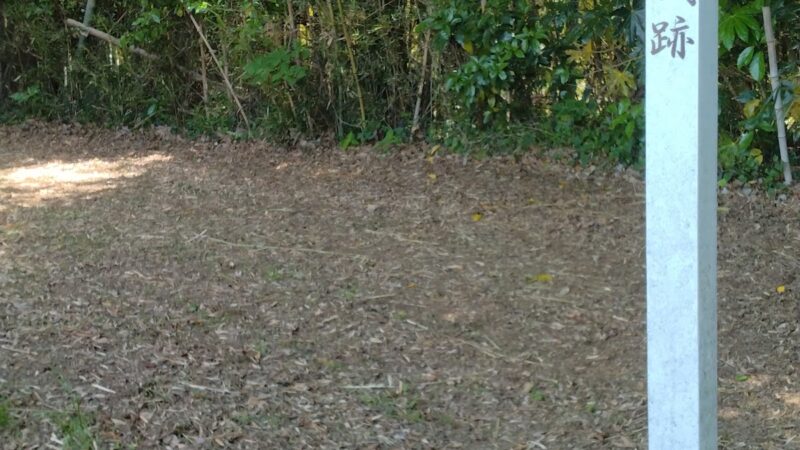
Flat Area of the Main Enclosure
A relatively flat area, believed to be the former main enclosure, remains at the summit. Standing here, you can enjoy a panoramic view of the Kujukuri Plain, and imagine Kazusa Hirotsune surveying his vast territory from this spot. On a clear day, you can even see the Pacific Ocean.
Traces of Earthworks
Around the main enclosure, slight mounds of earth, believed to be traces of earthworks, can be seen. Due to weathering, it is difficult to distinguish them from natural terrain without specialized knowledge, but careful observation can reveal traces of artificial terrain modification.
Flat Area of the Main Enclosure ### Information Boards and Explanation Boards
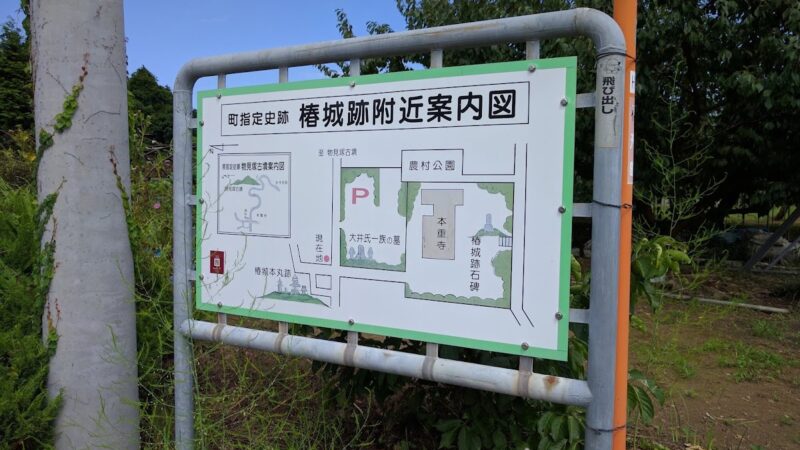
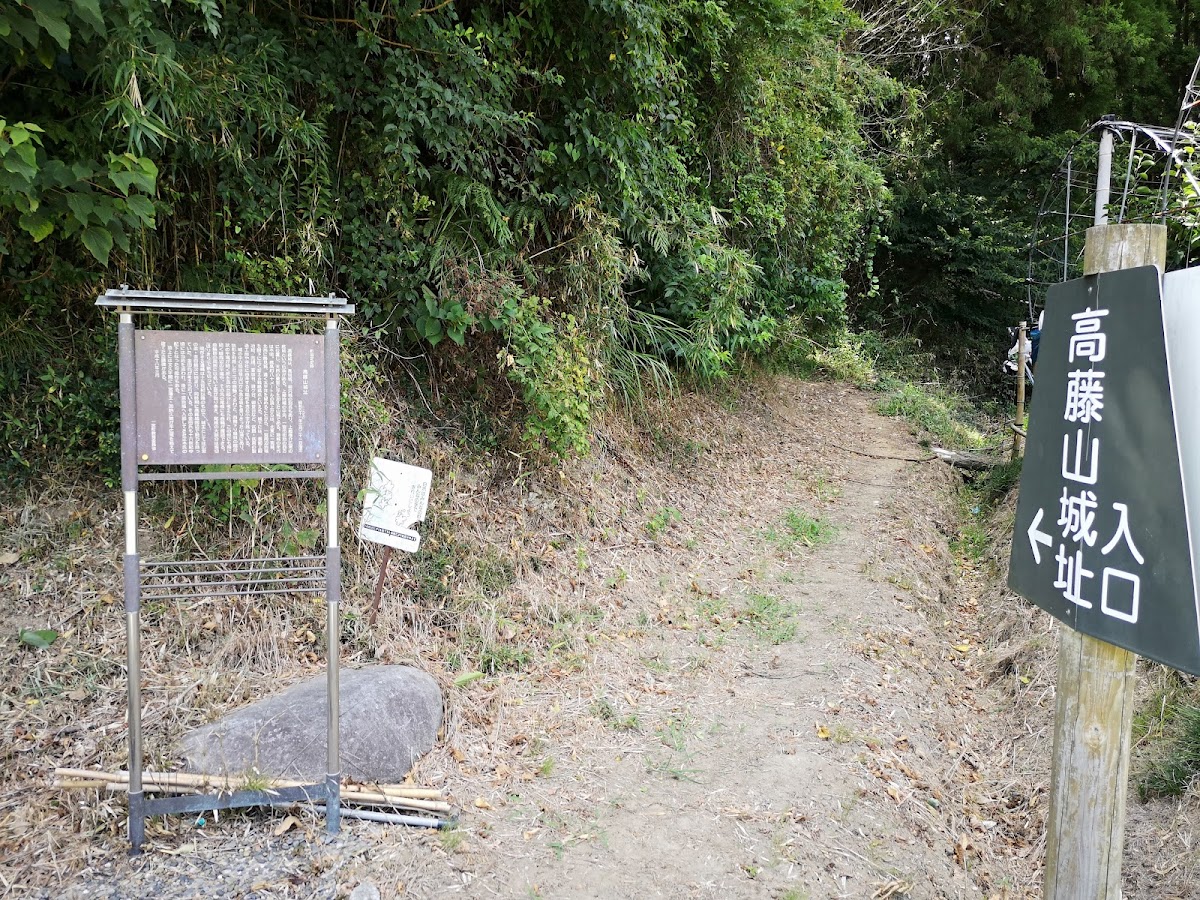
Near the entrance to the castle ruins, there are information boards explaining the history of Takafujiyama Castle. These boards concisely summarize the achievements of Kazusa Hirotsune and the castle’s history; it is recommended to read them before visiting the castle ruins.
Natural Environment
The Takafujiyama Castle ruins are currently covered in rich nature, allowing visitors to enjoy the vegetation throughout the seasons. Spring brings fresh greenery, summer brings deep green, autumn brings vibrant foliage, and winter offers a clear view after the leaves have fallen, each season displaying a different face.
Access Information
Detailed access information for visiting Takafujiyama Castle is provided below.
Access by Public Transportation
By Train
The nearest station is Kazusa-Ichinomiya Station on the JR Sotobo Line. It takes approximately 70 minutes from Tokyo Station using the Limited Express “Wakashio” or approximately 90 minutes by local train.
- Tokyo Station → Limited Express Wakashio (approx. 70 minutes) → Kazusa-Ichinomiya Station
- Chiba Station → Sotobo Line Local Train (approx. 50 minutes) → Kazusa-Ichinomiya Station
From Kazusa-Ichinomiya Station to the castle ruins is approximately a 20-25 minute walk. Exit the station and head southeast, passing through the residential area and towards the hilly region.
Walking Route
- Exit Kazusa-Ichinomiya Station and head right (south).
- Cross National Route 128 and proceed southeast through the residential area.
- Follow the signs to the hilly area.
- From the castle entrance, it’s about a 10-minute walk up the mountain path to the summit.
Access by Car
Using the Expressway
- Approximately 15 minutes (approx. 10km) from the Ken-O Expressway “Mobara-Chonan IC”
- Approximately 5 minutes (approx. 3km) from the Kujukuri Toll Road “Ichinomiya IC”
Parking Information
There is no dedicated parking lot for the castle ruins, but there are paid parking lots around Kazusa-Ichinomiya Station. There may also be some street parking available near the castle entrance, but please be considerate of local residents.
Important Notes for Visitors
- Attire: Since you will be walking on mountain trails, please wear comfortable clothing and non-slip shoes.
- Season: Insect repellent is necessary in summer, and warm clothing is necessary in winter.
- Time: Please allow approximately one hour for the round trip to the castle.
- Weather: Caution is advised in rainy weather as the ground may be slippery.
- Items to Bring: Bringing drinking water, a towel, and a camera is recommended.
About the Castle Stamp
The castle stamp for Takafujiyama Castle is planned by the Chiba Castle Preservation and Utilization Association, and designed by Mutsumi, a “mountain castle girl,” and is available for purchase.
Where to Buy Castle Stamps
The castle stamp for Takafujiyama Castle can be purchased at the following locations:
- Ichinomiya Station Tourist Products Direct Sales Store (Nearest and most easily accessible)
- Chiba Port Tower
- Michi-no-Eki Azuno-Sato Ichihara
- Marugoto Shisui
Features of the Castle Stamp
The castle stamp for Takafujiyama Castle features a design related to Kazusa Hirotsune and is popular among castle enthusiasts and castle stamp collectors. Collecting it along with castle stamps from other castles in Chiba Prefecture is also recommended.
Nearby Tourist Spots
Here are some nearby tourist spots you might want to visit when you come to Takafujiyama Castle.
Tamasaki Shrine
Located about an 8-minute walk from Kazusa-Ichinomiya Station, this is an ancient shrine with the status of the Ichinomiya (first-ranked shrine) of Kazusa Province. It is said that Kazusa Hirotsune also revered this shrine, and it has deep historical ties to Takafujiyama Castle. The beautiful shrine buildings and grounds are well worth a visit.
Ichinomiya Coast
Located at the southern end of Kujukuri Beach, Ichinomiya Coast is known as a surfing mecca. It was also the venue for the surfing competition at the 2020 Tokyo Olympics, and you can enjoy the beautiful coastline.
Other Castle Ruins in Chosei District
- Mobara Castle: A medieval castle ruin located in Mobara City
- Maritani Castle: An important base of the Satomi clan located in Kisarazu City
Visiting these castle ruins together will allow you to gain a deeper understanding of the medieval history of the Kazusa region.
Materials for Learning About Takafujiyama Castle and Kazusa Hirotsune
Here are some reference materials for those who want to learn more about Takafujiyama Castle and Kazusa Hirotsune.
Recommended Books
- “Comprehensive Guide to Japanese Castles, Volume 6: Chiba and Kanagawa” (Shin Jinbutsu Oraisha): A specialized book comprehensively explaining castles in Chiba Prefecture.
- “Illustrated Guide to Castles of Boso Peninsula” (Kokushokankokai): Introduces castles on the Boso Peninsula with abundant illustrations.
- “Kazusa Hirotsune” (Various History Books): A biography detailing the life of Kazusa Hirotsune.
- “Azuma Kagami”: A history book from the Kamakura period, recording the activities and final moments of Kazusa Hirotsune.
Related Historical Sites
- Historical Sites in Kamakura City: Visiting historical sites in Kamakura where Kazusa Hirotsune was active will allow for a more comprehensive understanding of history.
- Castles Related to the Chiba Clan: Castles of the Chiba clan, which had close ties to the Kazusa clan, such as Chiba Castle (Inohana Castle) and Hon-Sakura Castle.
Visiting Guide for Castle Fans
Estimated Visiting Time
Please use the following time allocation as a guideline for visiting Takafujiyama Castle:
- From the station to the castle entrance: Approximately 20 minutes on foot
- From the castle entrance to the summit: Approximately 10 minutes on foot
- Visiting the summit: Approximately 20-30 minutes
- Descending: Approximately 10 minutes
- Total: Approximately 1 hour 30 minutes to 2 hours
Photo Opportunities
- View from the summit: A spectacular viewpoint offering a panoramic view of the Kujukuri Plain
- Traces of the earthworks: A chance to document the few remaining structures
- Information board: To record the history of the castle
- The path to the castle: A chance to capture the atmosphere of the mountain castle
Best Season
- Spring (April-May): Beautiful fresh greenery and mild weather
- Autumn (October-November): The best time to visit, with autumn foliage and refreshing weather
- Winter (December-February): The area is ideal for observing the ruins due to the clear visibility after leaf fall.
Visiting in summer requires caution due to the heat and numerous insects.
Summary: The Historical Value of Takafujiyama Castle
Although Takafujiyama Castle has few clearly visible remains, it holds a significant place in Japanese medieval history. As the residence of Kazusa Hirotsune, who supported Minamoto no Yoritomo’s uprising and greatly contributed to the establishment of the Kamakura Shogunate, this castle holds extremely important historical significance.
From the castle ruins, nestled in a quiet mountain forest today, one can imagine the glory of the Kazusa clan who once ruled this land and the turbulent era of the Genpei War. When visiting Chiba Prefecture, be sure to visit Takafujiyama Castle, a place brimming with historical romance.
Access from Kazusa-Ichinomiya Station is relatively easy, making it possible to combine a day trip with other tourist spots such as Tamasaki Shrine and Ichinomiya Beach. It’s a recommended spot not only for castle enthusiasts but also for history buffs and those who enjoy nature walks.
Standing on a mountaintop overlooking the Kujukuri Plain, why not relive the view that Kazusa Hirotsune saw approximately 900 years ago?