Complete Guide to the Hamamashike Fortified Residence of the Shonai Domain (Ishikari City, Hokkaido) | A Historical Heritage Site for Northern Guard in the Late Edo Period
The Hamamashike Fortified Residence of the Shonai Domain, located in Kawashita, Hamamasu Ward, Ishikari City, Hokkaido, is an important historical heritage site built amidst the tense international situation of the late Edo period. Established in 1859 by order of the shogunate by the Shonai Domain (a domain centered around present-day Tsuruoka City, Yamagata Prefecture) for the purpose of guarding Ezo (present-day Hokkaido), this fort was designated a national historic site on May 17, 1988. This article provides a detailed explanation of this valuable historical heritage site, from its origins to its current state.
What is the Hamamashike Fortified Residence of the Shonai Domain?
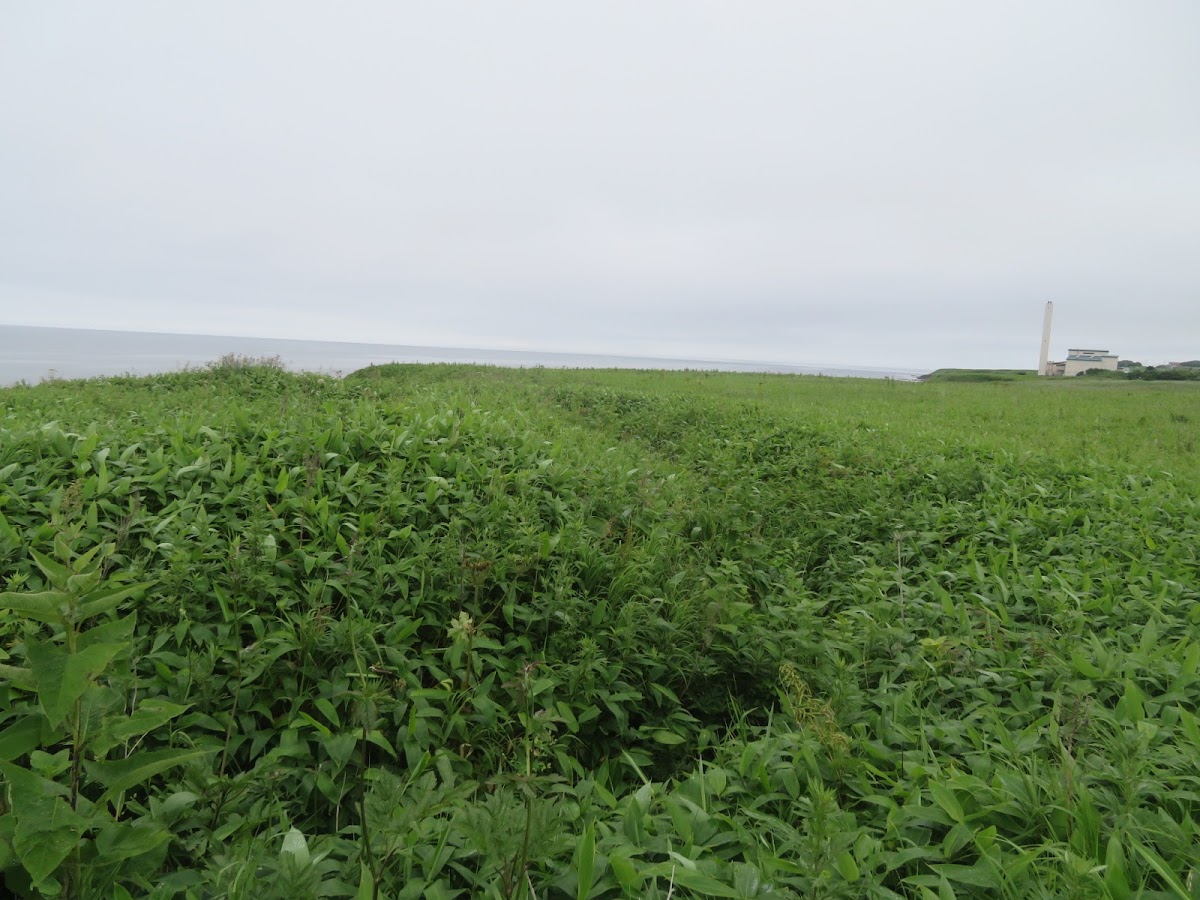
The Hamamashike Fortified Residence of the Shonai Domain is the remains of a fortified residence built in the late Edo period for the purpose of guarding Ezo (present-day Hokkaido). Located on a low hillside on the right bank of the Hamamasu River, remnants of the earthworks and wooden posts marking the site of the residence still remain.
Location and Basic Information
- Location: Kawashita, Hamamasu-ku, Ishikari City, Hokkaido
- Designation Classification: National Historic Site
- Date of Designation: May 17, 1988
- Designated Area: Approximately 13,000 square meters
- Management: Ishikari City Board of Education
- Related Facilities: Ishikari Sand Dune Wind Museum (Ishikari City)
The Jinya (fortified residence) site is located next to Kawashita Shrine and is close to National Route 231 (Ororon Line). The Hamamasu area is located in the northern part of Ishikari City and is a naturally rich area facing the Sea of Japan.
Historical Background of the Hamamashike Jinya (fortified residence) of the Shonai Domain
International Situation and Ezo Defense in the Late Edo Period
In the mid-19th century, foreign ships, including Russian vessels, began to frequently appear in the waters surrounding Japan. Russia’s southward expansion policy, in particular, posed a significant threat to the shogunate. In response to this rising international tension, the shogunate was compelled to strengthen its defenses in Ezo (Hokkaido).
Ezo Partition and Defense in 1859
In 1859 (Ansei 6), the shogunate made the crucial decision to entrust the defense of Ezo to powerful domains in the Tohoku region. At this time, Ezo (Hokkaido) was divided into the following six domains:
- Shonai Domain (Shonai-han): The entire western coast of the Sea of Japan (excluding Mashike), including Rumoi, Tomamae, and Teshio, approximately 40 ri (about 120 km)
- Akita Domain: Soya, Rishiri, and Rebun areas
- Sendai Domain: Shiraoi and Yufutsu areas
- Nanbu Domain: Tokachi area
- Tsugaru Domain: Nemuro and Kunashiri areas
- Aizu Domain: Abashiri and Monbetsu areas
The Shonai Domain was responsible for guarding the vast area facing the Sea of Japan, and a fortified residence was built in Hamamashike (Hamamasu) as its base.
Development of Ezo by the Shonai Domain
Upon receiving its territory, the Shonai Domain immediately began preparations for development and security. Development proceeded mainly in the present-day Kawashita area, and construction of the fortified residence began. The samurai, despite the harsh climate of Hokkaido and the hardships of life in undeveloped land, carried out their duties of security and development.
Structure and Facilities of the Jinya (Fortified Residence)
Size and Layout of the Jinya
The Hamamashike Jinya of the Shonai Domain was built on a low hill on the right bank of the Hamamasu River. The Jinya grounds covered approximately 13,000 square meters, and more than ten residences were built there. The Jinya was called “Gojinya” (御陣屋) and functioned as an important base for the domain in the northern region.
Main Facilities
The following facilities were located within the Jinya (fortified residence):
- Otemon: The main gate of the Jinya, where a portion of the earthen rampart still remains today.
- Honjin: The central facility where the domain’s officials conducted their duties.
- Heisha: Accommodation for the samurai on guard duty.
- Warehouse: A facility for storing weapons, food, etc.
- Gyō: A facility for raising horses.
The Existence of Senryōbori
A defensive facility called “Senryōbori” (Thousand-Ryo Moat) was also built around the Jinya. This moat was built to protect the Jinya, and its name is thought to originate from the enormous cost of its construction. Senryōbori played an important role in enhancing the Jinya’s defensive capabilities.
Jinya Operation and the Life of the Samurai
Security System
Samurai were regularly dispatched from the Shōnai Domain to take turns on guard duty. These samurai endured the harsh Hokkaido winters while monitoring and patrolling the coast. Furthermore, managing interactions and trade with the Ainu people was also an important task.
Development Projects
Beyond security, development projects were also a crucial role of the fortified residence. Activities contributing to regional development included land reclamation for agriculture, promotion of fishing, and road construction. These activities demonstrate that the residence functioned not only as a military base but also as a center for regional development.
The Boshin War and the End of the Fortified Residence
When the Boshin War broke out in 1868 (Keio 4), the Shonai Domain joined the Ouetsu Reppan Alliance and fought against the new government forces. As a result, the domain’s samurai who had been dispatched to Ezo (Hokkaido) withdrew en masse to Shonai.
This sudden withdrawal resulted in the loss of many detailed historical records concerning the fortified residence. Currently, there are almost no detailed records of the Hamamashike Fortified Residence remaining in Ishikari City, and historical documents of the Shonai Domain remaining in Tsuruoka City, Yamagata Prefecture, are crucial clues for unraveling its history.
Current Remains and Highlights
Remaining Remains
At the current Hamamashike Jinya (fortified residence) site, you can see the following remains:
- Earthwork: A portion of the earthwork remaining near the main gate. An important remains that gives a sense of the scale of the fortified residence at the time.
- Residence Site: The foundation of the building and wooden posts indicating its layout are installed.
- Topography: The topography of the hilly area where the fortified residence was built is preserved as it was at the time.
- Kawashimo Shrine: A shrine adjacent to the fortified residence site, a place that tells the history of the region.
Status of Historical Site Development
After being designated a national historical site, the Ishikari City Board of Education is working on the preservation and development of the historical site. A route has been established, allowing visitors to tour the fortified residence site. However, since it involves walking on mountain paths, appropriate equipment is necessary when visiting.
Points to Note When Visiting
- Clothing: Since you will be walking on mountain trails, wearing boots or trekking shoes is recommended.
- Season: Due to snow in Hokkaido during winter, visiting from spring to autumn is ideal.
- Time Required: Allow approximately one hour for a thorough visit.
- Guide: You may be able to receive a detailed explanation by contacting the Ishikari City Board of Education in advance.
Access Methods
Access by Car
The most convenient way to access the Hamamashike Jinya Ruins of the Shonai Domain is by car:
- From Sapporo: Head north on National Route 231 (Ororon Line), approximately 2 hours.
- From Rumoi: Head south on National Route 231, approximately 40 minutes.
- Parking: Parking is available near Kawashita Shrine.
National Route 231 is a scenic route known as the “Ororon Line,” where you can enjoy a drive while admiring the beautiful coastline of the Sea of Japan.
Access by Public Transportation
Public transportation access is limited:
- Bus: Buses operate from Ishikari city to Hamamasu, but the number of services is limited, so prior confirmation is necessary.
- Taxi: Taxis are available from the nearest station or bus stop.
When planning your visit, we recommend checking Ishikari City’s tourist information and the latest transportation updates.
Restoration Plan and Future Prospects
Request for Cooperation from Tsuruoka City
In recent years, Ishikari City has requested cooperation from Tsuruoka City, Yamagata Prefecture, for the restoration of the Hamamasu Jinya (fortified residence) site of the Shonai Domain. Because detailed historical materials are not available locally, historical materials and drawings stored in Tsuruoka City, the former base of the Shonai Domain, are key to the restoration.
Re-evaluation of Historical Value
The Hamamasu Jinya site is valuable evidence in the historically important theme of northern defense during the late Edo period. In recent years, with the growing interest in the history of the late Edo period and the history of Hokkaido’s development, the value of this historical site has been re-evaluated. ### Utilization as a Tourism Resource
In Ishikari City, the Hamamashike Jinya Ruins are positioned as an important local tourism resource and are introduced as part of “Ishikari Travel.” As a tourist spot along the Orolon Line, visits from history enthusiasts and castle fans are increasing.
Related Historical Heritage and Facilities
Ishikari Sand Dune Wind Museum
The Ishikari Sand Dune Wind Museum, located in Ishikari City, exhibits on the history and culture of the Ishikari region. It also showcases materials and research findings related to the Shonai Domain’s Hamamashike Jinya, and visiting before or after a visit to the Jinya Ruins will provide a deeper understanding.
Other Ezo Guard Jinya Ruins
Other Jinya ruins built by other domains remain in Hokkaido:
- Matsumae Domain Tokiri-chi Jinya Ruins (Hokuto City)
- Eastern Ezo Southern Domain Jinya Ruins
Comparing these historical sites reveals a comprehensive picture of Hokkaido’s defense system during the late Edo period. ### Historical Connections with Tsuruoka City, Yamagata Prefecture
Tsuruoka City, the former base of the Shonai Domain, retains many historical materials and buildings from the feudal period. Tsuruoka City and Ishikari City share a historical connection through the Hamamashike Jinya (fortified residence), and exchanges between the two cities are ongoing.
History of Research and Investigation
Archaeological Excavations
Multiple archaeological excavations have been conducted at the Shonai Domain Hamamashike Jinya site. These include investigations by the Hamamasu Village Board of Education (at the time), as well as academic research conducted before and after the site’s designation as a national historical site, revealing the structure and scale of the fortified residence.
Introduction of Research Results
The results of these investigations have been published as reports and are also publicly available at places like the Ishikari Sand Dune Wind Museum. These studies are gradually shedding light on the realities of northern defense during the late Edo period and the daily lives of Shonai Domain samurai.
Significance in the Region
Historical Identity of Hamamasu District
The Hamamasu Domain’s Hamamashike Jinya Ruins are an important element in forming the historical identity of the Hamamasu district. As a valuable heritage site that tells the story of the region’s history from the late Edo period to the early Meiji period, it is cherished by the local residents.
Educational Value
In local school education, the Hamamasu Domain’s Hamamashike Jinya Ruins are an important teaching material for learning local history. It provides children with an opportunity to learn about local history and deepen their attachment to their hometown.
Model of Cultural Property Protection
The designation as a national historical site and the preservation activities serve as a model example demonstrating the importance of cultural property protection in the region. Efforts continue to pass on historical heritage to future generations while balancing development and preservation.
Summary
The Hamamasu Domain’s Hamamashike Jinya Ruins are a historical heritage site that played a crucial role in the defense of Ezo (Hokkaido) amidst the tense international situation at the end of the Edo period. Although its existence spanned less than 10 years, from its construction in 1859 until its withdrawal during the Boshin War, the Hamamashike Jinya site holds immense historical significance.
The earthworks and remains of the residences, still standing on the hillside on the right bank of the Hamamasu River, convey the hardships and sense of duty of the samurai of that time. Located relatively easily accessible along National Route 231 (the Orolon Line), this historical site maintains a tranquil atmosphere, making it a worthwhile visit not only for history enthusiasts but for anyone interested in Hokkaido’s history.
Attention is also being drawn to future developments, such as the preservation and utilization efforts by Ishikari City and the restoration plan in cooperation with Tsuruoka City. The Hamamashike Jinya site of the Shonai Domain offers a valuable opportunity to experience firsthand the crucial theme of northern defense during the late Edo period in Japanese history. When visiting Hokkaido, be sure to consider a visit.
Those planning a visit can obtain the latest information and more detailed explanations by contacting the Ishikari City Board of Education or the Ishikari Sand Dune Wind Museum in advance. This will be a valuable experience that allows you to feel the pulse of history and reflect on the challenges Japan faced in the late Edo period and the people who confronted them.