Itokazu Gusuku (Okinawa Prefecture) Complete Guide: History and Highlights of the Largest Castle Ruins in Southern Okinawa Island
Itokazu Gusuku is the largest castle ruin (gusuku) in southern Okinawa Island, located in Itokazu, Tamagusuku, Nanjo City, Okinawa Prefecture. Built on a limestone plateau at an altitude of approximately 170 to 183 meters, this castle is believed to have been constructed in the first half of the 14th century as a western defense for Tamagusuku Gusuku, and was designated a national historic site in 1972. This article provides a detailed explanation of Itokazu Gusuku’s history, architectural features, highlights, and points to consider when visiting.
Overview of Itokazu Gusuku
Itokazu Gusuku is a gusuku located in what is now Nanjo City, Okinawa Prefecture (formerly Tamagusuku Village). Due to its scale and well-preserved state, it is known as one of the representative castle ruins of southern Okinawa Island.
Basic Data
- Location: Itokazu, Tamagusuku, Nanjo City, Okinawa Prefecture
- Alternate Names: Itokazu Castle Ruins, Itsugasu Castle
- Elevation: Approximately 170-183 meters
- Construction Period: Early 14th century (estimated)
- Builder: Itokazu Anji
- Designation: National Historic Site (designated May 15, 1972)
- Castle Structure: Mountain castle utilizing a limestone plateau
Itokazu Gusuku is built on the western cliff edge of a plateau southwest of the Itokazu settlement. Its defensive structure cleverly utilizes the terrain, with a sheer cliff on the southwest and a plateau on the northeast. The castle walls are considered the largest in southern Okinawa Island, and the winding, high walls built along the terrain are truly impressive.
History and Legends of Itokazu Gusuku
Background of Construction
Itokazu Gusuku is believed to have been built during the Three Kingdoms period of Ryukyu (14th century). During this time, Okinawa Island was divided into three powers: Hokuzan, Chuzan, and Nanzan, with powerful local clans called Aji vying for power. Itokazu Gusuku is said to have been built by the Itokazu Aji as a western defense fortress for Tamagusuku Gusuku.
Tamagusuku Gusuku is an important sacred site that appears in the Ryukyu creation myth, and the fact that Itokazu Gusuku functioned as a defensive base for it speaks to the political and military situation of the time. Its location on high ground allows for a panoramic view of the surrounding area, making it an extremely advantageous defensive location.
The Legend of Higa Ucho and the Fall of the Castle
Itokazu Gusuku has a tragic legend of its fall involving a woman named Higa Ucho. According to this legend, Higa Uchō, the wife of Itokazu Anji (lord), threw herself from a cliff when her husband was killed due to an enemy’s stratagem and the gusuku (castle) fell.
This legend illustrates the intensity of power struggles during the gusuku period and reveals a part of the oral culture deeply rooted in the region. Even today, this legend is passed down locally and is one of the elements that enhances the historical value of Itokazu Gusuku.
After the Unification of the Ryukyu Kingdom
When the Ryukyu Kingdom was unified by Shō Hashi in 1429, the gusuku gradually lost their military role. Itokazu Gusuku was no exception; after unification, it lost its function as the Anji’s residence and is believed to have eventually been abandoned.
However, even after its role as a gusuku ended, it continued to maintain its importance as a place of worship for the region. Even today, several places of worship remain within the gusuku and are carefully preserved by the local people.
Architectural Features of Itokazu Gusuku
Magnificent Castle Walls
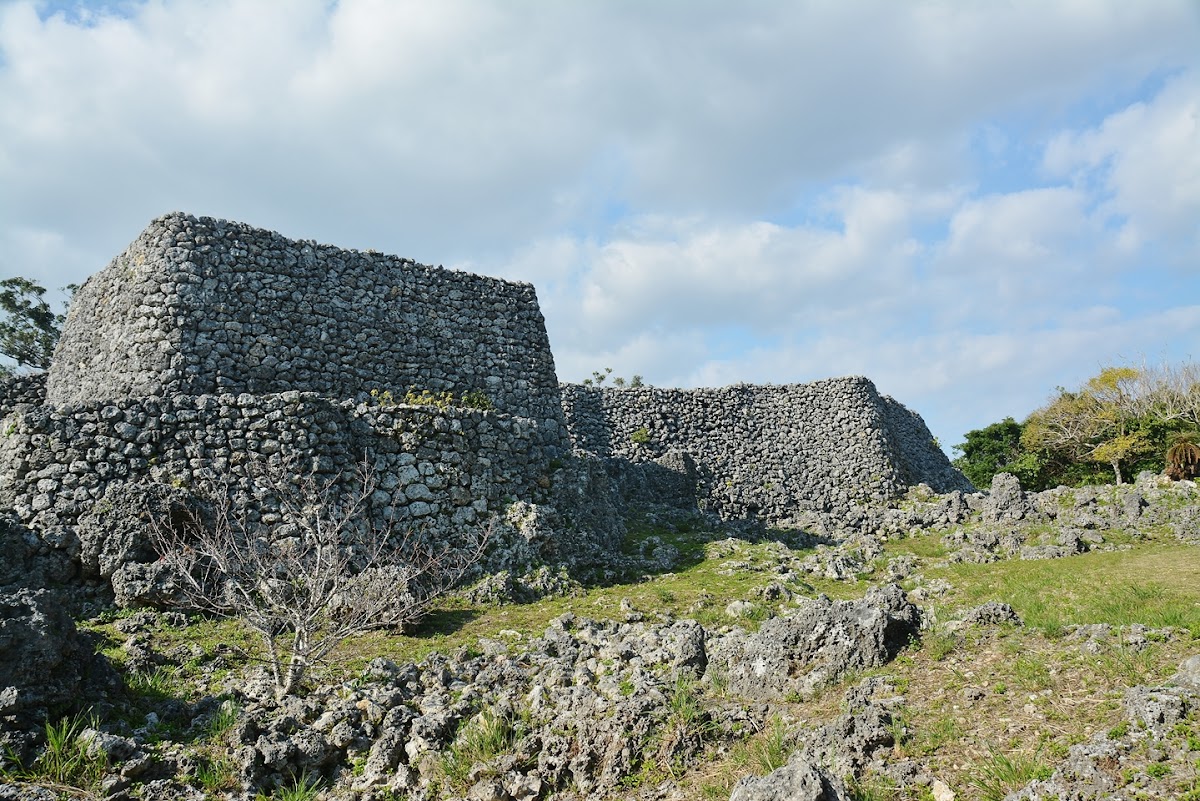
The greatest highlight of Itokazu Gusuku is undoubtedly its magnificent castle walls. Built using Ryukyu limestone, the walls curve along the terrain, reaching heights of 3 to 4 meters in some places.
The stonework technique used for the walls is an ancient method called “nozurazumi,” where natural stones are stacked as they are. This differs from the more refined stonework technique called “aikatazumi” seen at Shuri Castle and Nakagusuku Gusuku, and represents an older style of castle construction. These nozurazumi walls give a simple yet powerful impression, reflecting the ancient history of the gusuku.
The total length of the castle walls is approximately 400 meters, making it the largest among the gusuku in southern Okinawa Island. The walls built along the cliff on the southwest side, in particular, demonstrate the remarkable fusion of the natural terrain and defensive structure.
Castle Gate (Watchtower Gate)
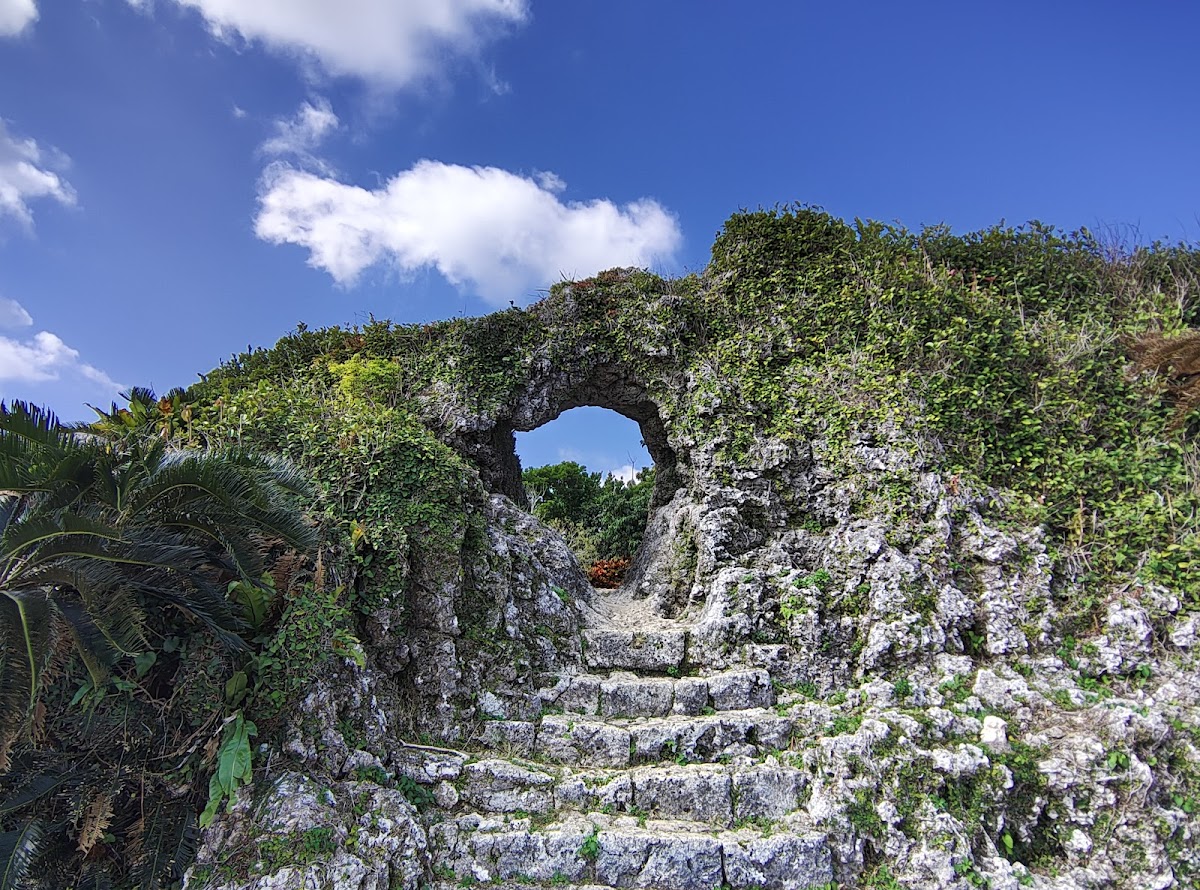
On the northeast side of Itokazu Gusuku, where it meets the plateau, is a castle gate called a yaguramon (watchtower gate). This gate served as the formal entrance to the gusuku.
The gate’s structure is relatively simple, but the presence of stone walls on both sides indicates its defensive function. Currently, some of the stone walls remain, allowing us to estimate the scale of the gate at the time. Entering the gusuku through this gate reveals a vast area, giving a real sense of the immense power of the Anji (local lord) at that time.
Northern and Southern Azana
Itokazu Gusuku has two watchtowers (observation points) called “Northern Azana” and “Southern Azana.” Azana means “watchtower” in the Okinawan dialect, and these played an important role in the defense of the gusuku.
Northern Azana is located on the north side of the gusuku, offering a panoramic view of the surrounding plateau and settlements. From this point, it was possible to monitor the direction of Tamagusuku Gusuku, suggesting that a coordinated defense system was in place.
The Southern Azana is located on the south side of the gusuku, near the cliff, and offers a panoramic view of the Pacific Ocean. On a clear day, the Kerama Islands can be seen, making for a spectacular view. Even today, it remains a top photo spot for visitors.
These two Azana are ingenious features designed to ensure a 360-degree view for the gusuku’s defense, demonstrating the military ingenuity of the time.
Layout of the Gusuku Area
The gusuku area is vast and divided into multiple sections. It is believed that the main enclosure (equivalent to the main keep) was at the center, with the second and third enclosures arranged around it, but currently, clear divisions are difficult to discern.
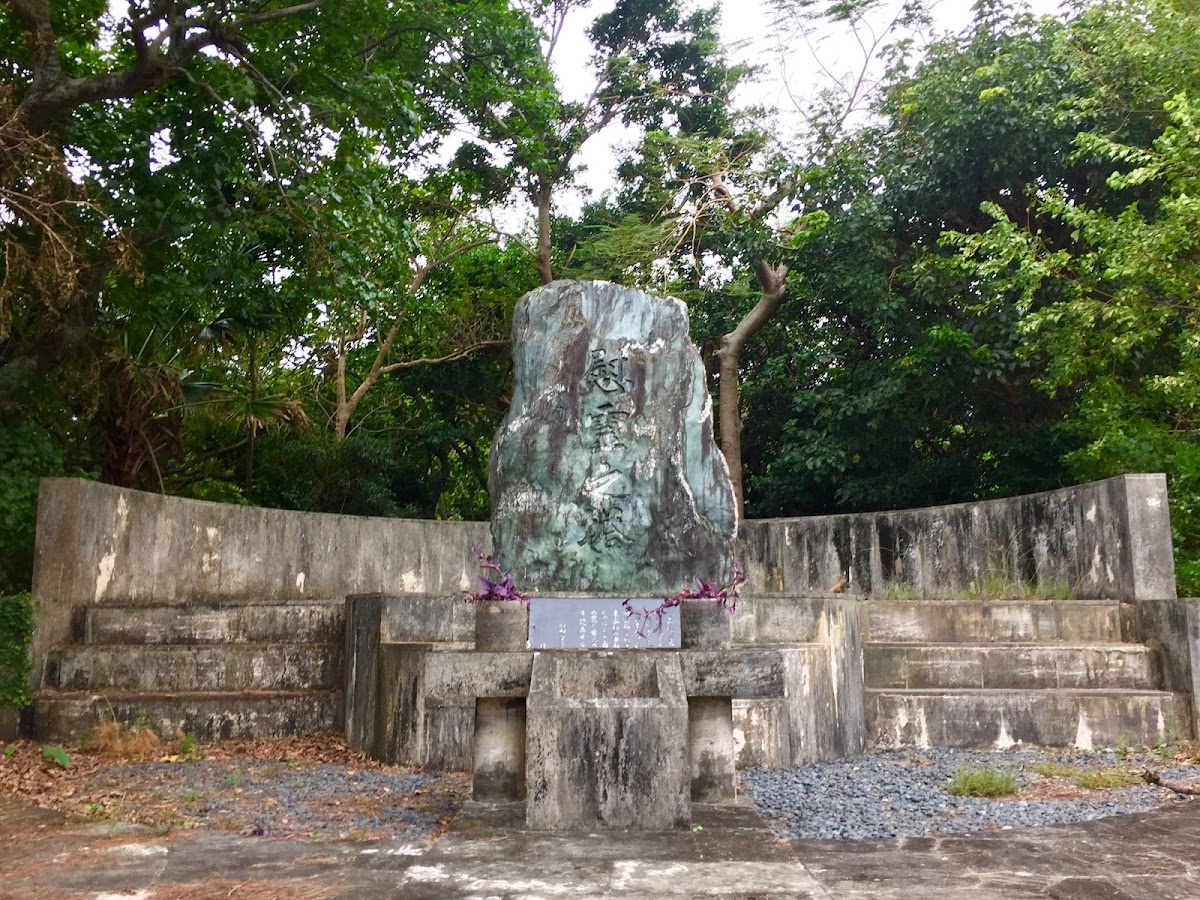
Within the gusuku, there remains a burial site believed to be the Anji’s tomb, where the Itokazu Anji family is said to be buried. Furthermore, several places of worship are scattered throughout, indicating that the gusuku was not merely a military facility but also an important place of worship.
Highlights of Itokazu Gusuku
The Stunning Curved Walls
When visiting Itokazu Gusuku, the first thing to notice is the beauty of the winding walls that follow the natural terrain. Rather than straight walls, the curved walls, utilizing the natural topography, combine both functional and aesthetic beauty.
Walking along the walls, you’ll be overwhelmed by their height and thickness. The walls along the cliff on the southwest side are particularly impressive when viewed from below. From the top of the walls, you can enjoy a panoramic view of the surrounding landscape, allowing you to imagine how the local lord (Anji) looked out over his territory from this spot.
Breathtaking Panoramic Views
Located on a hill approximately 180 meters above sea level, Itokazu Gusuku offers 360-degree panoramic views. The view from the southern Azana is particularly magnificent, offering a view of the blue Pacific Ocean, the Chinen Peninsula, and even the Kerama Islands.
From the north, you can see the cityscape of Nanjo City and the direction of Tamagusuku Gusuku, allowing you to understand the relative positions of the gusuku (castles). To the east, the Pacific Ocean stretches out, and to the west, the inland area of Okinawa Island can be seen.
This spectacular view speaks to the military importance of the gusuku and offers a superb experience for modern visitors. The view at sunset is particularly exceptional and ideal for photography.
Places of Worship and Religion
Several places of worship remain within the gusuku, and worship continues to this day by local people. These places of worship indicate that the gusuku was not merely a military facility, but also had aspects of a sacred site.
In Okinawa, gusuku are also considered “places where gods descend,” and many gusuku are objects of worship. Itokazu Gusuku is no exception, and it has been cherished to this day as a spiritual center for the region.
Anji Tomb
Within the gusuku is a burial site believed to be the Anji Tomb, where the Itokazu Anji family is said to be buried. This burial site is one of the important remains that tell the history of the gusuku (castle).
Many gusuku in Okinawa have the tombs of the Anji (local lord) attached to them, indicating that the Anji’s power and faith were closely intertwined. The Anji tomb at Itokazu Gusuku is also a valuable legacy that conveys the culture of the Ryukyu period.
Relationship with Neishi Gusuku
Near Itokazu Gusuku is a smaller gusuku called Neishi Gusuku (Nishi Gusuku). Neishi Gusuku is thought to have been an outpost or related facility of Itokazu Gusuku, and it is possible that the two formed an integrated defense system.
Although Neishi Gusuku is smaller in scale than Itokazu Gusuku, remains such as stonework are still present, and visiting both together allows for a deeper understanding of the gusuku defense system of that time.
Comparison with surrounding gusuku
Tamagusuku Gusuku
Itokazu Gusuku was built as a western defensive castle for Tamagusuku Gusuku. Tamagusuku is a sacred site that appears in the Ryukyu creation myth and is believed to have a longer history than Itokazu Gusuku. Visiting both gusuku allows you to understand the relationship between the main castle and its subsidiary castles.
Kakihana Gusuku
Kakihana Gusuku is also a gusuku located in Nanjo City and is thought to have been built around the same time as Itokazu Gusuku. Located near the coast, Kakihana Gusuku has a structure that emphasizes monitoring maritime traffic, giving it different characteristics from the inland Itokazu Gusuku.
Okawa Gusuku
Okawa Gusuku is also a gusuku located in the Tamagusuku district of Nanjo City and, like Itokazu Gusuku, is thought to have been part of the defense network of Tamagusuku. Visiting these gusuku allows you to understand the regional defense system of that time.
Access and Visiting Information for Itokazu Gusuku
Access Methods
Access by Car:
- Approximately 40 minutes from Naha Airport
- Approximately 15 minutes from Haebaru Minami IC
- Parking: Several parking spaces available near the gusuku.
Public Transportation:
- From Naha Bus Terminal, take the Toyo Bus Route 38 “Shikiya Line” and get off at the “Itokazu” bus stop, then walk for approximately 15 minutes.
Points to Note When Visiting
- Footwear: The gusuku has uneven terrain and many exposed limestone areas, so comfortable walking shoes are essential.
- Sun Protection: There is little shade on the hillside, so bring a hat and sunscreen.
- Hydration: Hydration is especially important during the summer.
- Respect for Sacred Sites: The sacred sites within the gusuku are still objects of worship. Please be considerate when entering or taking photographs.
- Weather Check: The ground can become slippery in rainy weather, so please check the weather before visiting.
Estimated Visiting Time
For a leisurely tour of the castle, approximately 1 to 1.5 hours is recommended. Including time for photography and enjoying the scenery, allow about 2 hours.
Cultural Value of Itokazu Gusuku
Itokazu Gusuku was designated a National Historic Site on May 15, 1972. This designation recognized the castle’s historical value, architectural value, and excellent state of preservation.
While Okinawa has five castles registered as World Heritage Sites—Shuri Castle, Nakijin Gusuku, Zakimi Gusuku, Katsuren Gusuku, and Nakagusuku Gusuku—Itokazu Gusuku is considered a crucial castle, ranking third after these. Although not a World Heritage Site, its value is extremely high as the largest castle wall in southern Okinawa Island.
In particular, the preservation of ancient stone-stacking techniques using the “nozurazumi” method, the skillful use of the terrain in its defensive structure, and its excellent state of preservation make it an important resource for the study of Ryukyuan castles (gusuku).
Itokazu Gusuku and Local Culture
Itokazu Gusuku is not merely a historical relic, but remains a central part of local culture. The local Itokazu village continues to carefully preserve the castle, conducting regular cleaning activities and maintaining the sacred sites.
Furthermore, Nanjo City has developed a tourist route called the “Gusuku Road,” with Itokazu Gusuku serving as its starting point. This route takes visitors to major castles in Nanjo City, including Itokazu Gusuku, Tamagusuku Gusuku, and Chinen Gusuku, offering a course where they can experience Ryukyuan history and culture.
In local school education, Itokazu Gusuku is also used as an important subject for local history studies, providing children with a place to learn about local history. Thus, Itokazu Gusuku is both a legacy of the past and an important element in shaping the current local culture.
Impressions and Recommendations for Visiting Itokazu Gusuku
Many visitors to Itokazu Gusuku are deeply impressed by the grandeur of its castle walls and the magnificent views. In particular, the curved walls that follow the terrain possess a unique beauty not seen in other gusuku (Okinawan castles), making it a popular spot for photography.
The view from the hilltop is an excellent place to appreciate the natural beauty of Okinawa. The blue ocean of the Pacific, the lush green land, and the islands visible in the distance – this view alone makes the visit worthwhile.
Furthermore, because it hasn’t been overly commercialized, it’s appealing for those who want to quietly reflect on the history of the gusuku. While World Heritage gusuku are often crowded with tourists, Itokazu Gusuku is relatively quiet, allowing for a leisurely visit.
History buffs can learn about Ryukyu-era castle construction techniques and defensive philosophies by closely observing the castle’s structure. Those interested in architecture will find plenty to see, including the nozurazumi (rough-stone masonry) technique and the layout of the walls that utilize the natural terrain.
Summary
Itokazu Gusuku is the largest gusuku (castle) in southern Okinawa Island, located in Nanjo City, Okinawa Prefecture. Built in the first half of the 14th century, this castle site boasts numerous attractions, including magnificent walls, two azana (gates), and a castle gate, and is designated a national historic site.
Built as a western defense for Tamagusuku Gusuku, Itokazu Gusuku is an important heritage site that tells the history from the Three Kingdoms period of Ryukyu to the unification of the Ryukyu Kingdom. Local legends, such as the legend of the fall of Higa Ucho, are also fascinating, adding depth to the history of the gusuku.
From its elevated position of approximately 180 meters, visitors are captivated by the breathtaking panoramic views stretching to the Pacific Ocean and the Kerama Islands. The site retains ancient stone-stacking techniques using the nozurazumi method, making it of significant value in the study of Ryukyu gusuku.
Although not registered as a World Heritage Site, its scale and excellent state of preservation make it an indispensable site for understanding Okinawan gusuku. As the starting point of Nanjo City’s “Gusuku Road” and a center of local culture, Itokazu Gusuku continues to be loved by many people today.
When you visit Okinawa, be sure to visit Itokazu Gusuku and experience the history and culture of Ryukyu, as well as its magnificent views.