Asaba Castle (Kanra Town, Gunma Prefecture) Complete Guide: 370 Years of History of the Shirakura Clan, Highlights, and Access Information
Located in Kanra Town, Kanra District, Gunma Prefecture, Asaba Castle is a mountain castle that played an important role in the Kanto region during the Sengoku period. As the residence of the Shirakura clan, senior retainers of the Kanto Kanrei (governor of the Kanto region) Yamanouchi Uesugi clan, it was a central figure in the region for approximately 370 years. Currently, it is maintained as Asaba Castle Ruins Park, and its well-preserved remains captivate visitors.
History of Asaba Castle and the Shirakura Clan
Construction and the Rise of the Shirakura Clan
Asaba Castle is said to have been built during the Bunmei era (around 1469-1487) by the Shirakura clan, a branch of the Obata clan. The Shirakura clan, as senior retainers of the Kanto Kanrei Yamanouchi Uesugi clan, formed an important power in the region alongside the Obata clan.
The castle was built on the tip of a tongue-shaped plateau in the hilly area northeast of Kanra Town, and had a defensive structure that took advantage of the terrain, known as a cliffside castle. This location allowed for a panoramic view of the surrounding area, making it a strategic base for detecting enemy incursions early.
Shirakura Castle as a Separate Castle Complex
The most distinctive feature of Asaba Castle was its “separate castle complex” configuration, functioning as an integrated unit with Niiya Castle, located approximately 500 meters to the east. These two castles together were called “Shirakura Castle,” and they worked together to form a defensive network. This relationship, sometimes described as twin castles, is noteworthy as an interesting example of castle strategy during the Sengoku period.
By positioning the two castles across a valley, a wider area could be defended, and one could provide support if the other was under attack. This arrangement can be seen as an example of the strategic thinking behind the Shirakura clan’s territorial management.
Relationship with Takeda Shingen
In 1563 (Eiroku 6), Shirakura Muneto, recognizing the changing times, pledged allegiance to Takeda Shingen. Shirakura Muneto was known as a brave warrior, and an anecdote remains of him shooting down the horse of Takeda Shingen’s senior retainer, Itagaki Nobukata, at Fuefuki Pass. This incident is recounted as an episode demonstrating the Shirakura clan’s military prowess.
Their pledge of allegiance to the Takeda clan reflects the historical context of the time, when the power of the Kanto Kanrei Uesugi clan was declining and the Takeda clan of Kai Province was expanding its influence into the Kanto region. The Shirakura clan chose to change their lord in order to survive.
The Fall of the Castle and the Downfall of the Shirakura Clan in 1590 (Tensho 18)
When the Takeda clan fell in 1582 (Tensho 10), the Shirakura clan submitted to Takigawa Kazumasu, and later to Hojo Ujinao. However, Toyotomi Hideyoshi’s “Siege of Odawara” in 1590 sealed the fate of the Shirakura clan.
The then-head of the clan, Shirakura Shigeie, holed up in Odawara Castle, while his younger brother, Shirakura Shigetaka, defended Asaba Castle. However, Asaba Castle fell to an attack by the northern forces led by Maeda Toshiie and Uesugi Kagekatsu. Along with the nearby Kunimine Castle, it also fell, bringing an end to the 370-year-old Shirakura clan. This fall marked the end of the Shirakura clan’s history during the Sengoku period.
Structure and Layout of Asaba Castle
Basic Structure of the Castle
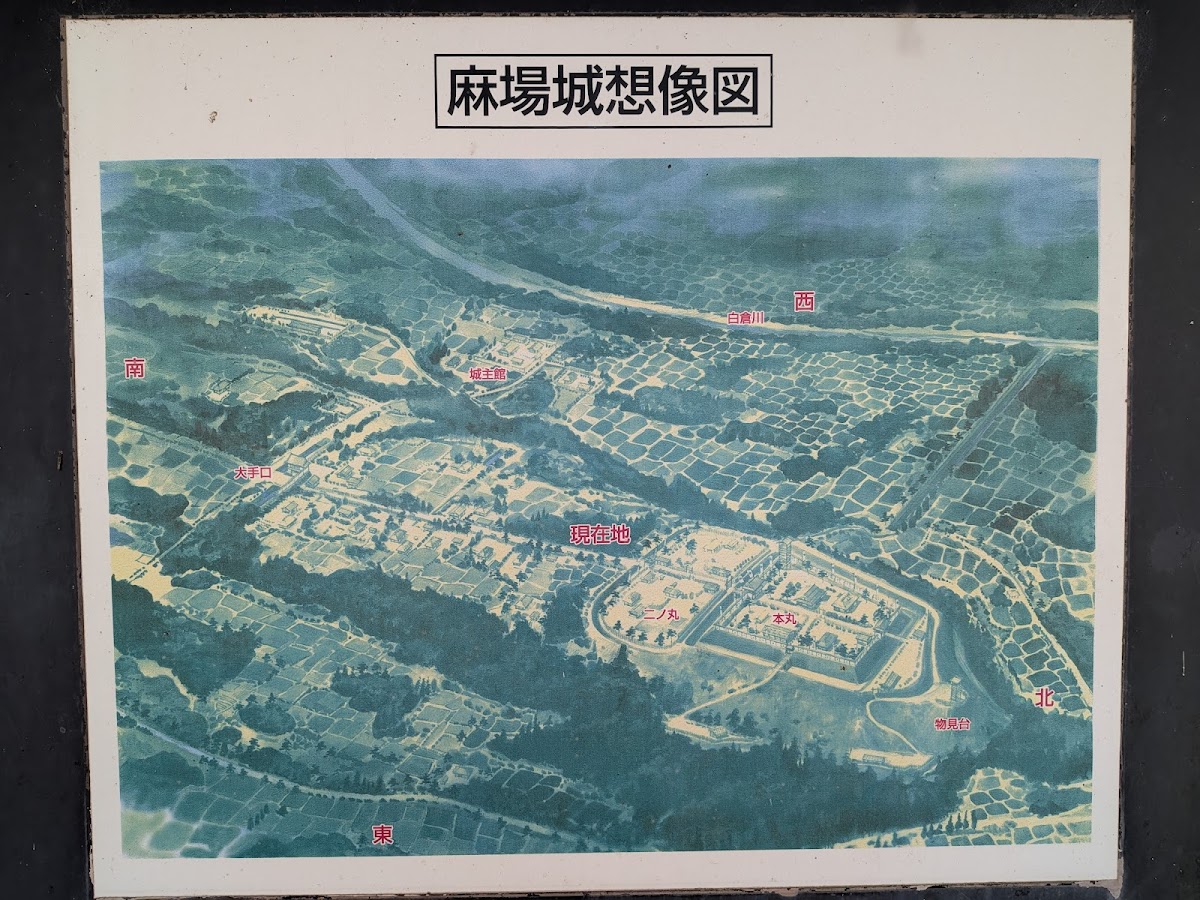
Asaba Castle, as a cliffside castle, possesses a defensive structure that skillfully utilizes the natural terrain. The main keep is located at the tip of a tongue-shaped plateau, with the second and third baileys connected behind it, creating a series of interconnected baileys.
While the castle is not particularly large, its efficient design, which maximizes the use of the limited terrain, is a key feature. The edge of the plateau was a steep cliff, functioning as a natural fortress.
Dry Moat and Earthen Bridge
One of the highlights of Asaba Castle is the dry moat located between the main keep and the second bailey. This moat is still clearly visible today, indicating its function as a deep and wide trench. The dry moat served to prevent enemy intrusion and also demarcated each bailey.
An earthen bridge, built to cross the dry moat, also remains, conveying the appearance of the castle’s entrance and exit at the time. Because earthen bridges are a defensive weak point, their width was designed to be narrow, a measure taken to prevent large enemy forces from invading at once.
Earthen Embankment Arrangement
Earthen embankments were built around each bailey, functioning as defensive walls against enemy arrows and firearms. The height and shape of the embankments reveal the castle’s defensive plan. The embankments around the main keep, in particular, are relatively well-preserved, making them valuable remains for understanding the castle’s structure at the time.
Restored Watchtower
During the park’s development, a watchtower was restored. This tower was recreated based on historical documents, providing a visual representation of the lookout facilities of the time. From the tower, you can enjoy a panoramic view of the surrounding landscape, realizing the strategic location of the castle.
Highlights of Asaba Castle Ruins Park
Main Enclosure Site
The heart of Asaba Castle Ruins Park is the main enclosure site. This is believed to be the location of the lord’s residence, and is now a flat, open space. From the main enclosure, you can overlook the townscape of Kanra and the surrounding mountains, experiencing the castle’s excellent location.
An information board is installed at the main enclosure site, providing detailed explanations about the castle’s history and structure. Reading this board carefully when visiting the castle ruins will deepen your understanding of Asaba Castle’s history.
Preservation of Remains
The remains of Asaba Castle boast some of the best preservation in Gunma Prefecture. Since its development as Asaba Castle Ruins Park in April 1992, the site has been properly managed, allowing for clear observation of the dry moats, earthworks, and layout of the baileys.
The fact that the development has not damaged the remains, but rather made them easier to visit, is highly appreciated. For castle enthusiasts, it is a valuable place where they can concretely imagine what a mountain castle from the Sengoku period looked like.
Scenery of the Four Seasons
Asaba Castle Ruins Park displays different scenery throughout the four seasons. Cherry blossoms bloom in spring, the greenery is lush in summer, the autumn leaves are beautiful, and sometimes a snowscape spreads in winter. It is a place where you can enjoy the beauty of nature along with historical walks.
Especially during the autumn foliage season, the entire castle site is colored, making it a popular spot for photography. Discovering different charms depending on the time of year you visit is one of the characteristics of Asaba Castle Ruins Park.
Information on the Castle Stamp
Features of the Castle Stamp
The castle stamp for Asaba Castle features calligraphy by the “Menkoi Girls,” Gunma Prefecture’s special ambassadors and calligraphy idols, and is characterized by its beautiful brushwork. The design incorporates illustrations of the seven autumn flowers, with the castle itself featuring a bellflower (kikyo).
This castle stamp is not merely a souvenir, but also an art piece that conveys the castle’s history and culture. It is highly popular among collectors, and limited editions attract particular attention.
Where to Purchase: Michi-no-Eki Kanra
The Asaba Castle stamp can be purchased at “Michi-no-Eki Kanra,” located at 444-1 Obata, Kanra-machi, Kanra-gun, Gunma Prefecture. In addition to selling castle stamps, the roadside station also sells local agricultural products, offers meals, and provides historical walking tours and tourist information for the castle town of Obata.
The facility also includes a thatched-roof house that was relocated and restored from the Matsui family residence, who served as village headmen during the Edo period, making it a comprehensive base for learning about the region’s history. When visiting Asaba Castle, we recommend stopping by the roadside station to obtain a castle stamp and enjoy the charm of the area.
Limited Edition Castle Stamps
In addition to the regular castle stamp, Asaba Castle regularly releases seasonal limited editions. Various variations are available, such as the Autumn 2025 limited edition, the New Year 2026 limited edition, the Spring 2026 limited edition, the Summer 2026 limited edition, and the Winter 2026 limited edition, each with limited editions of 100 or so, making them quite rare.
Since the release dates for limited edition castle stamps are fixed, we recommend checking the sales information in advance if you wish to obtain one. The latest information is posted on the Gunma Castle Stamp Project’s official website and social media.
Castle Stamp for Shirakura Castle
A castle stamp for “Shirakura Castle,” which combines Asaba Castle and Niiya Castle, is also available. This project leverages the unique characteristic of the two castles, making it a special collector’s item for fans visiting both castles.
Shirokura Castle’s official castle stamp is also issued in seasonal limited editions, such as a spring limited edition and a winter limited edition. Collecting these together with the Asaba Castle’s individual castle stamp will create a more complete collection.
Access Information
Access by Car
Asaba Castle Ruins Park is easily accessible by car. It is approximately 15 minutes from the Tomioka Interchange on the Joshinetsu Expressway, or approximately 20 minutes from the Shimonita Interchange.
Access is via a prefectural road from National Route 254. Following the road signs makes the route relatively easy to understand. When using a car navigation system, it is recommended to search for “Asaba Castle Ruins Park” or “Kanra-cho Shirakura.”
Parking
Asaba Castle Ruins Park has a dedicated parking lot. It is free to use and has space for several regular-sized cars. During holidays and peak tourist seasons, it can get crowded, so we recommend visiting earlier in the day.
The castle ruins are just a short walk from the parking lot, making access very convenient. This makes it relatively easy to visit even for those with mobility issues.
Access by Public Transportation
If using public transportation, the nearest station is Joshu-Fukushima Station on the Joshin Electric Railway. From the station, it’s about a 30-minute walk or a 10-minute taxi ride.
Bus services are limited, so it’s a good idea to check the timetable in advance or consider taking a taxi. Renting a bicycle to explore the surrounding tourist attractions is also a recommended option.
Combining with Nearby Tourist Attractions
When visiting Asaba Castle, it’s efficient to plan a sightseeing route that combines it with nearby tourist attractions. Kanra Roadside Station, Niiya Castle, the castle town of Obata, and Rakuzan-en Garden (a nationally designated scenic spot) are all nearby.
Niiya Castle, in particular, is a castle complex that forms a pair with Asaba Castle, and visiting both will give you a deeper understanding of the structure of a separate castle complex. While it’s possible to travel between them on foot, traveling by car is more convenient.
Related Historical Sites in the Surrounding Area
Niiya Castle
Located approximately 500 meters east of Asaba Castle, Niiya Castle, together with Asaba Castle, formed the Shirakura Castle complex. The castle ruins still remain today, and visiting both castles allows you to experience the separate castle complex system firsthand.
Similarly, Niiya Castle also retains remains such as dry moats and earthworks, allowing you to observe different topography and structures from Asaba Castle. Comparing the two castles will deepen your understanding of castle strategies during the Sengoku period.
Kunimine Castle
Kunimine Castle, the residence of the Obata clan, who perished along with the Shirakura clan, is also located within Kanra Town. Kunimine Castle, which fell simultaneously with Asaba Castle in 1590, is an important historical site that tells the story of the final moments of the senior retainers of the Kanto Kanrei Uesugi clan.
Kunimine Castle is a large mountain castle, requiring more serious mountaineering equipment, but it boasts impressive remains that are well worth seeing for castle enthusiasts.
Obata Castle Town
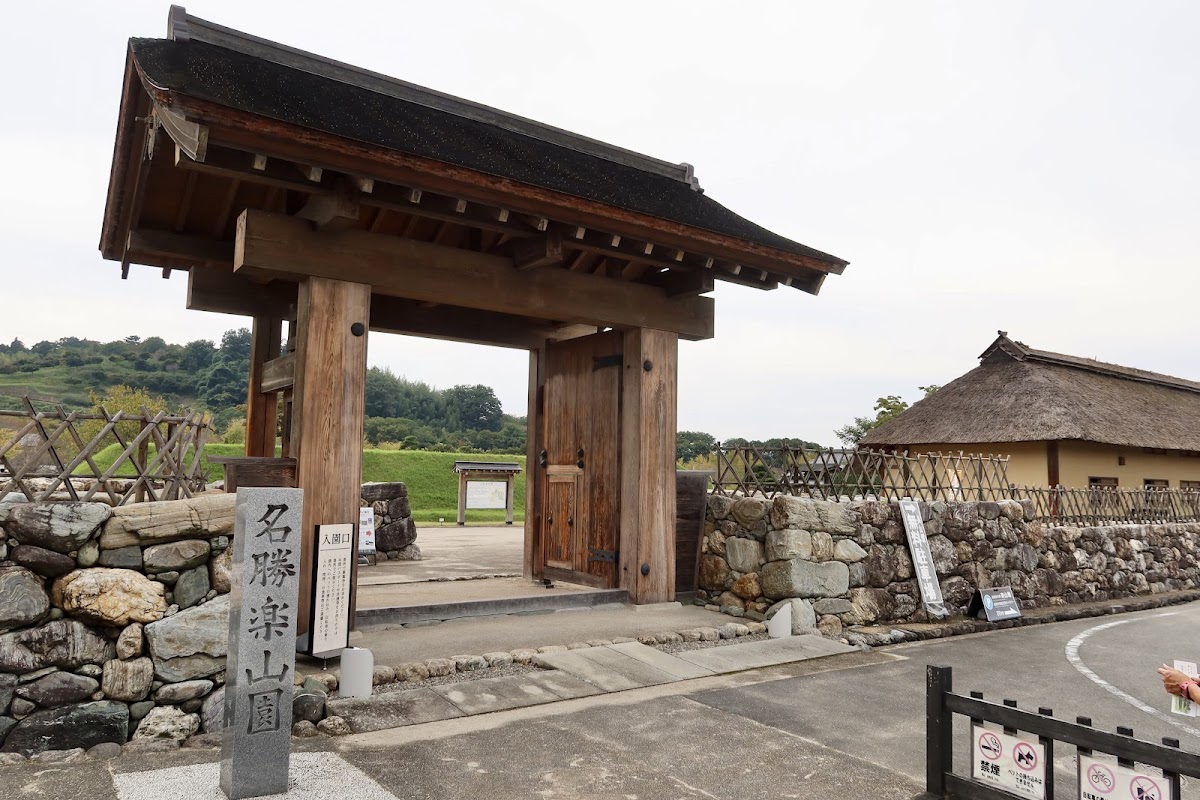
The Obata district, which flourished as a castle town of the Oda clan during the Edo period, retains historical buildings such as samurai residences and merchant houses. Rakuzan-en Garden, a nationally designated scenic spot, is a beautiful strolling garden built as the garden of the Obata domain lord and is a must-see.
By strolling through the castle town, you can experience the flow of history of Kanra Town, from the Sengoku period to the Edo period.
Notes and Manners for Visitors
Clothing and Equipment for Visiting
Although Asaba Castle Ruins Park is well-maintained, since you will be viewing the remains of a mountain castle, we recommend wearing comfortable shoes and clothing suitable for walking. Please be especially careful after rain, as the ground can become slippery.
In summer, don’t forget insect repellent; in winter, take precautions against the cold. Bringing drinks is also a good idea. A hat and sunscreen are necessary during periods of strong sunlight.
Protection of the Ruins
The ruins of Asaba Castle are a valuable cultural asset. Please refrain from climbing on the earthworks or moats, and from collecting plants. Photography is permitted, but please be considerate and avoid damaging the ruins.
Please take all your trash with you and help preserve the beauty of the castle ruins. Respectful etiquette is crucial for passing on this historical heritage to future generations.
Estimated Visiting Time
A thorough visit to Asaba Castle Ruins Park should take approximately 30 minutes to an hour. If you plan to observe the ruins in detail or take photographs, allow a little more time.
If visiting both Asaba Castle and Niiya Castle, it is recommended to allow approximately two hours, including travel time.
The Charm and Historical Value of Asaba Castle
Excellent State of Preservation
The greatest charm of Asaba Castle lies in its excellent state of preservation. While many mountain castles have lost their remains due to development and weathering, Asaba Castle clearly retains its dry moats, earthworks, and the layout of its baileys, making it a valuable historical site that allows for a concrete understanding of the castle structure of the Sengoku period.
Among the castle ruins in Gunma Prefecture, examples of remains preserved in such good condition are rare, giving it high value from the perspective of castle research and history education.
An Example of a Separate Castle and Bailey Structure
The structure of a separate castle and bailey, integrated with Niiya Castle, is an interesting example of castle strategy in the Sengoku period. The idea of two castles cooperating to form a defensive network is a manifestation of ingenuity in trying to achieve maximum defensive effect with limited resources.
Such a castle system is rare nationwide, and Asaba Castle and Niiya Castle occupy an important position in the study of castle history.
The History of the Shirakura Clan
Asaba Castle is a valuable historical site that conveys the 370-year history of the Shirakura clan. The Shirakura clan, who served as important retainers of the Kanto Kanrei Uesugi clan and survived by changing lords to the Takeda and Hojo clans, exemplifies the typical way of life of a local powerful family during the Sengoku period.
Ultimately, they perished during Toyotomi Hideyoshi’s unification of Japan, but their history is preserved as part of the region’s identity.
Summary: The Value of Visiting Asaba Castle
Asaba Castle is a valuable historical site that preserves the appearance of a Sengoku period mountain castle in excellent condition. Having served as the residence of the Shirakura clan, important retainers of the Kanto Kanrei Uesugi clan, for 370 years, and having connections with key figures of the era such as Takeda Shingen and Toyotomi Hideyoshi, its historical significance is considerable.
Currently, it is maintained as Asaba Castle Ruins Park, where visitors can observe the remains such as dry moats and earthworks up close, and enjoy the changing seasons. Collecting castle stamps, visiting surrounding historical sites, and strolling through the castle town are just some of the many ways to enjoy the area.
When you visit Gunma Prefecture, why not stop by Asaba Castle and experience the atmosphere of the Sengoku period? Obtaining a castle stamp at the Kanra Roadside Station and exploring the entire Shirakura Castle complex, including Niiya Castle, will surely be an unforgettable experience for history buffs.