

Awano Castle (Tochigi Prefecture) Complete Guide | A Mountain Castle in Shimotsuke Province, the Site of Fierce Battles Between the Sano and Minagawa Clans
What is Awano Castle?
Awano Castle (Awano-jo) is a medieval mountain castle located in Kuchiawano, Kanuma City, Tochigi Prefecture, also known as Tosoku-jo. As a mountain castle at an altitude of 247m and a relative height of 110m, it is one of the important castles symbolizing the Sengoku period in the Kanto region.
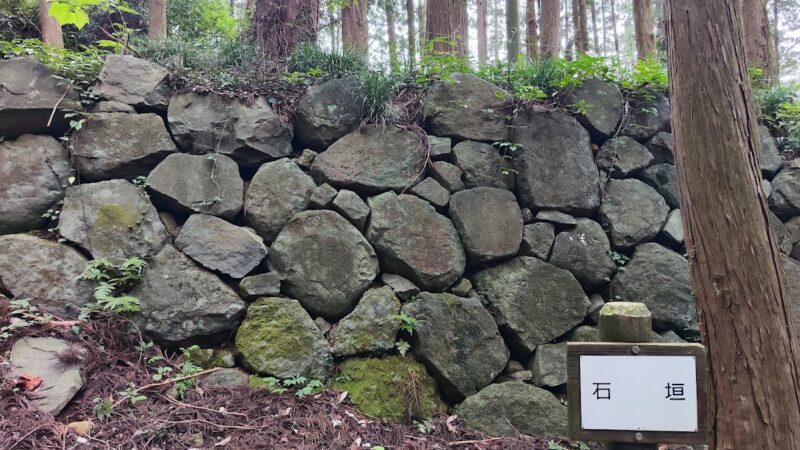
Currently designated as a historical site by Kanuma City, the castle ruins retain well-preserved remains such as earthworks, baileys, moats, and wells. In the late Sengoku period, it was the stage for fierce battles between the Sano and Minagawa clans, and is a historically valuable castle site, particularly known for the dramatic event of the death of Saito Hidetaka.
History of Awano Castle
From Construction to the Late Heian Period
There are various theories regarding the initial construction of Awano Castle, but the most widely accepted theory is that it was built by Ashikaga Tadatsuna during the Jisho era (1177-1181) at the end of the Heian period. There is also a tradition that it was built by Hirano Norihisa during the En’en era (1336-1340), but the details are uncertain.
The Hirano clan was a powerful family in Shimotsuke Province, and Awano Castle is thought to have functioned as a base of control for this region.
Awano Castle in the Sengoku Period
During the Sengoku period, Awano Castle was incorporated into the sphere of influence of the Sano clan. Hirano Daizen Hisakuni, a vassal of Sano Ujitada, ruled Awano Castle as his residence. Hirano Hisakuni, as a senior retainer of the Sano clan, played an important role in the defense of this region.
The Capture and Recapture by Minagawa Hiroteru
The most dramatic event in the history of Awano Castle occurred in 1575 (Tensho 3). Minagawa Hiroteru, the head of the Minagawa clan, ordered his retainer, Saito Hidetaka, to attack Awano Castle.
Under the fierce assault of the Minagawa army led by Saito Hidetaka, Awano Castle fell. Hirano Daizen Hisakuni was forced to flee to Sano. At this time, Awano Castle came under the control of the Minagawa clan, and Saito Hidetaka was appointed as its lord.
However, the story doesn’t end there. Taking advantage of Saito Hidetaka’s absence from battle against the Hojo clan as part of the Minagawa army, Hirano Hisakuni attempted to recapture Awano Castle. Hisakuni’s strategy, timed to coincide with the castle’s weakened defenses, was a resounding success, and he managed to reclaim Awano Castle.
The Fierce Battle of 1588 and the Death of Saito Hidetaka
In 1588 (Tensho 16), at the end of the Sengoku period, the final fierce battle for Awano Castle took place between the Sano and Minagawa clans. This battle ended tragically with the death of Saito Hidetaka, a senior retainer of the Minagawa clan.
Saito Hidetaka’s death was a great blow to the Minagawa clan. Hidetaka was a trusted retainer of Minagawa Hiroteru, and his bravery and strategic acumen were widely known. His death is one of the most memorable events in the history of Awano Castle.
From the Edo Period Onward
With the end of the Sengoku period, Awano Castle ceased to play a military role. In the Edo period, it was abandoned, and the castle ruins were preserved by local people. To this day, its remains are preserved in relatively good condition and are recognized as an important historical heritage site in Tochigi Prefecture.
Structure and Layout of Awano Castle
Location as a Mountain Castle
Awano Castle is a typical mountain castle built on a mountain 247m above sea level with a relative height of 110m. It is known for its scale and excellent state of preservation among the mountain castles of Shimotsuke Province (present-day Tochigi Prefecture). The layout, which skillfully utilizes the steep terrain, demonstrates the high level of castle-building technology of the Sengoku period.
The main enclosure is located at the mountaintop, and from there, multiple enclosures are arranged in a stepped fashion, creating a linear layout. This structure is a clever design to prevent enemy incursions in stages and is a common feature of mountain castles in the Kanto region.
Major Remains
Earthworks
One of the most prominent remains of Awano Castle is the earthworks. The earthworks, built surrounding the main enclosure, can still be clearly seen in terms of their height and shape. The earthworks served to prevent enemy incursions and also functioned as a foothold for defensive fire from within the castle.
Enclosures (Kuruwa)
Multiple enclosures (kuruma) have been identified within the castle grounds. The main enclosure (Okuruma) is at the center, followed by the second and third enclosures, each forming a defensive line. Elevations were created between each enclosure, a design intended to prevent attackers from reaching the main enclosure directly.
Moats
Multiple moats (horikiri), a defensive feature unique to mountain castles, have also been identified. These moats, dug to cut across ridges, played a crucial role in hindering enemy advances. The moats at Awano Castle are deep and wide, demonstrating the advanced castle-building techniques of the time.
Wells
Securing water was a critical issue for mountain castles. The remains of wells at Awano Castle indicate that the castle was equipped for siege warfare. These wells are important historical remains demonstrating the castle’s ability to withstand prolonged sieges.
Utilization of the Castle Mountain’s Topography
The castle mountain on which Awano Castle was built made maximum use of the natural terrain. The steep slopes made it difficult for enemies to approach, and the mountaintop offered a wide view of the surrounding area. This excellent visibility was essential for detecting enemy movements early.
Highlights of Awano Castle
View from the Main Enclosure
One of the greatest highlights of Awano Castle is the view from the main enclosure. From the mountaintop at an altitude of 247m, you can see the city of Kanuma and the surrounding mountains. On a clear day, you can even see the Nikko mountain range in the distance, and it’s hard not to feel the romance of history when you imagine the castle lords of the Sengoku period gazing at this same view.
This view was not merely aesthetically pleasing, but also had military significance. This location, which allowed for the detection of enemy movements from afar, enhanced the strategic value of Awano Castle.
Well-Preserved Earthworks and Moats
The remains of Awano Castle remain in relatively good condition even today, several hundred years after its construction. The earthworks and moats, in particular, are clearly visible, making them valuable resources for understanding the castle’s structure at the time.
Visiting the site in person allows you to truly appreciate how formidable this castle’s defenses were, from the height of the earthworks to the depth of the moats. It’s highly recommended to experience its scale firsthand rather than just viewing photographs.
Walking the Stage of History
Awano Castle is a place where the fates of two warlords, Hirano Daizen Hisakuni and Saito Hidetaka, intersected. Walking through the castle ruins, you can reflect on the battles of 1575 and the fierce fighting of 1588.
The spot where Saito Hidetaka was killed, in particular, is steeped in local legend, making it a deeply moving visit for history buffs. It’s a valuable historical site where you can feel the lives of the warlords of the Sengoku period.
Harmony with Nature
The castle ruins are now surrounded by abundant nature. You can enjoy the beautiful scenery of each season, from the fresh greenery in spring to the vibrant autumn leaves. This spot is popular with nature lovers as it allows for visits that combine historical exploration and hiking.
Access Information
Location
Address: Shiroyama, Kuchiawano-machi, Kanuma City, Tochigi Prefecture
Access by Public Transportation
The following route is the most common way to access Awano Castle by public transportation:
- Take the JR Nikko Line or Tobu Nikko Line to Kanuma Station
- From Kanuma Station, take a bus or taxi towards Kuchiawano
- Approximately 20-30 minutes to the castle entrance
However, since bus services are limited, it is recommended to check the timetable in advance.
Access by Car
Access by car is the most convenient.
- Approximately 15km (25 minutes by car) from Kanuma IC on the Tohoku Expressway
- Approximately 20km (30 minutes by car) from Tsuga IC on the Kita-Kanto Expressway
There is parking space near the castle entrance, but it is not very large, so caution is advised during busy times.
About Visiting the Castle
The walk from the entrance to the main keep takes approximately 20-30 minutes. Since you will be walking on a mountain path, we recommend preparing the following equipment:
- Comfortable walking shoes (trekking shoes or sneakers)
- Comfortable clothing
- Drinking water
- Insect repellent spray (summer)
- Rain gear (in case of unstable weather)
The path is well-maintained, but there are steep slopes typical of mountain castles. Those who are not confident in their physical fitness should not push themselves and should climb at their own pace.
Important Notes for Visitors
Safety Precautions
- The mountain trails can be slippery in places, so extra caution is needed, especially during or after rain.
- Some areas have uneven footing, so please proceed with caution.
- Visiting in a group is recommended over visiting alone.
- Cell phone reception may be poor in some areas, so please inform family or friends of your destination in advance.
Manners
- The castle ruins are a valuable cultural asset. Please do not damage or take any remnants.
- Please take all your trash with you.
- You may pass through private property, so please be considerate of local residents.
- Photography is permitted, but please be careful not to disturb other visitors.
Best Time to Visit
Awano Castle is accessible year-round, but each season has its own unique characteristics.
- Spring (March-May): Beautiful fresh greenery and mild weather, ideal for visiting the castle.
- Summer (June-August): Dense greenery and many insects, so insect repellent is essential.
- Autumn (September-November): Beautiful autumn foliage and pleasant weather, a popular season.
- Winter (December-February): Possibility of snow and ice, so caution is needed when visiting the castle.
Nearby Attractions and Recommended Spots
Other Castle Ruins in Kanuma City
When visiting Awano Castle, why not also visit other castle ruins in Kanuma City?
Nishide Castle and Higashide Castle
Nishide Castle and Higashide Castle, believed to have functioned as subsidiary castles of Awano Castle, are located relatively close to Awano Castle. Visiting these castle ruins together will allow you to understand the overall picture of the castle network centered around Awano Castle.
Otsuka Castle
Another mountain castle located within Kanuma City, it possesses characteristics distinct from Awano Castle. Comparing multiple castle ruins allows you to learn about the diversity of castle construction techniques during the Sengoku period.
Kanuma City Tourist Attractions
Kanuma Autumn Festival
Held annually in October, the Kanuma Autumn Festival is famous as the “Kanuma Imamiya Shrine Festival’s Float Procession,” registered as a UNESCO Intangible Cultural Heritage. Visiting Kanuma during this time, along with a visit to Awano Castle, is highly recommended.
Furumine Shrine
Furumine Shrine, dedicated to Yamato Takeru, is a popular shrine known for its Tengu (mythical creature) goshuin (shrine stamp). Located about 20 minutes by car from Awano Castle, many tourists visit both together.
Other Famous Castles in Tochigi Prefecture
Besides Awano Castle, Tochigi Prefecture has many other historical castles.
Karasawayama Castle
Located in Sano City, Karasawayama Castle is a renowned castle, counted among the seven most famous castles in the Kanto region. As the main castle of the Sano clan, it has a deep connection to Awano Castle. It is a valuable castle site with remaining stone walls and is designated a national historic site.
Utsunomiya Castle
Located in the heart of Utsunomiya City, Utsunomiya Castle currently has a portion of its main keep restored. While differing in scale and character from Awano Castle as a central castle of Shimotsuke Province, it is an important site for understanding the history of castles in Tochigi Prefecture.
Ashikaga Clan Residence
Located in Ashikaga City, the Ashikaga Clan Residence is the site of the residence of the Ashikaga clan, who founded the Muromachi Shogunate. Designated a national historic site, it is now the site of Banna-ji Temple. Its connection to Ashikaga Tadatsuna, who is said to have been involved in the construction of Awano Castle, is also an interesting point.
Awano Castle and Shimotsuke Province in the Sengoku Period
The Conflict Between the Sano and Minagawa Clans
To understand the history of Awano Castle, it’s necessary to know the power dynamics in Shimotsuke Province during the Sengoku period. Both the Sano and Minagawa clans were powerful daimyo (feudal lords) of Shimotsuke Province.
The Sano clan was based at Karasawayama Castle and held power in the southern part of Shimotsuke Province. On the other hand, the Minagawa clan was based at Minagawa Castle (later Tochigi Castle) and controlled the western part of Shimotsuke Province. Both clans were in competition, aiming to expand their territories, and Awano Castle was located on the front lines of this struggle.
Relationship with the Hojo Clan
In the late Sengoku period, the Kanto region was under the influence of the Hojo clan, based in Odawara. Both the Sano and Minagawa clans engaged in complex diplomacy, sometimes allied with the Hojo clan and sometimes clashing with them.
The episode of Hirano Hisakuni recapturing the castle while Saito Hidetaka was fighting the Hojo clan symbolizes the complex power dynamics of this period. Sengoku daimyo (feudal lords) constantly had multiple allies and enemies, and needed to adapt their strategies according to the situation.
Toyotomi Hideyoshi’s Siege of Odawara and Awano Castle
In 1590 (Tensho 18), Toyotomi Hideyoshi launched the Siege of Odawara, leading to the downfall of the Hojo clan. In this battle, both the Sano and Minagawa clans fought on Hideyoshi’s side, maintaining their status as Sengoku daimyo.
After the Siege of Odawara, the Kanto region became the territory of Tokugawa Ieyasu, marking the end of the Sengoku period. Awano Castle also ended its military role and withdrew from the stage of history.
The Cultural Value of Awano Castle
Protection as a City-Designated Historic Site
Awano Castle is designated as a historic site by Kanuma City and is protected by the local government. Due to the excellent state of preservation of the remains, it is considered an important resource for the study of mountain castles of the Sengoku period.
Academic Value
Awano Castle provides a valuable case study for the study of the Sengoku period in the Kanto region. Its academic value is particularly recognized in the following respects:
- Study of Fortification Layout: It possesses a typical mountain castle structure, making it important for understanding Sengoku period castle construction techniques.
- Site of Historical Events: It was the site of specific battles recorded in historical documents, allowing for the comparison of historical facts with the remains.
- Elucidation of Local History: It provides clues to understanding the activities of Sengoku daimyo in Shimotsuke Province.
Regional Historical Heritage
Awano Castle is an important historical heritage site for Kanuma City and Tochigi Prefecture. It is also used in local history education, providing a place for children to learn about their local history.
Furthermore, history enthusiasts and tourists who visit the castle ruins contribute to the local economy. The protection and utilization of historical heritage is an important issue from the perspective of regional development.
Voices of Visitors to Awano Castle
Evaluation from Castle Enthusiasts
Awano Castle has gained a certain level of recognition among castle enthusiasts who visit castle ruins throughout Japan. Many visitors post photos and impressions on community sites such as Kojodan, and there are even avid fans who consider Awano Castle their main castle, participating in the “100 Castle Lords” project.
Visitors have offered the following evaluations:
- “The remains are well-preserved, allowing visitors to fully experience the atmosphere of a Sengoku period mountain castle.”
- “The view from the main enclosure is magnificent, making the climb worthwhile.”
- “Visiting after learning about the historical episode of Saito Hidetaka’s death in battle is deeply moving.”
- “The natural state, not overly developed, actually evokes a sense of historical romance.”
As a Photography Spot
Awano Castle is also a popular subject for photography. The remains of earthworks and moats, the view from the main enclosure, and the changing seasons offer plenty of subjects to photograph.
Especially during the autumn foliage season, many photography enthusiasts visit. The scenery, where historical remains and beautiful nature harmonize, captivates many as a quintessential Japanese landscape.
Reference Materials for Awano Castle Research
Main Literature
For those who wish to learn more about Awano Castle, here are some reference materials.
- “Medieval Castle Sites in Tochigi Prefecture” (Tochigi Prefectural Board of Education): A comprehensive report surveying castles in Tochigi Prefecture.
- “Comprehensive Survey of Japanese Castles, Volume 4: Ibaraki, Tochigi, and Gunma” (Shin Jinbutsu Oraisha): A comprehensive work detailing castles in the Kanto region.
- “History of Kanuma City”: A city history comprehensively describing the history of Kanuma City.
Online Resources
- Castle Wanderings: A website introducing castle sites throughout Japan with photographs.
- Castle Attack Group: A community site for castle enthusiasts, rich in visit records and photographs.
- Yogo-kun’s Homepage: Features numerous castle layout maps by a castle researcher.
By utilizing these materials, you can gain a deeper understanding of Awano Castle.
Summary
Awano Castle is a mountain castle site from the Sengoku period remaining in Kanuma City, Tochigi Prefecture. Built on a mountaintop 247 meters above sea level and 110 meters above ground, this castle was the site of fierce battles between the Sano and Minagawa clans.
This castle, where the fates of two warlords, Hirano Daizen Hisakuni and Saito Hidetaka, intersected, is not merely a ruin of stone and earth, but a historical witness that conveys the spirit of the people who lived during the Sengoku period.
The remains of the earthworks, baileys, moats, and wells are preserved in relatively good condition, making them valuable resources for understanding the structure of mountain castles during the Sengoku period. The view from the main bailey is magnificent, deeply moving visitors.
While access is somewhat inconvenient, this ensures a quiet environment where one can contemplate history. For history buffs, castle enthusiasts, and nature lovers, Awano Castle is a place well worth visiting.
When visiting Tochigi Prefecture, be sure to visit Awano Castle and experience the spirit of the Sengoku period. It will surely be an unforgettable experience.
--765x450.png)
.png)