Saijo Jinya (Ehime Prefecture) Complete Guide: The Existing Main Gate and Moat Tell the History of the Saijo Domain
What is Saijo Jinya?
Saijo Jinya was a fortified residence located in Myoyashiki, Saijo City, Ehime Prefecture (formerly Saijo, Niihama District, Iyo Province). During the Edo period, it functioned as the administrative center of the Saijo Domain. While a “jinya” generally refers to the administrative office of a daimyo or small domain without a castle, Saijo Jinya was surrounded by a moat on all four sides and boasted a robust structure with earthworks and stone walls. Despite its name, it was essentially a large castle.
Currently, the site of the jinya is designated as an Ehime Prefecture Historic Site, “Saijo Domain Jinya Site,” and is used as the grounds of Ehime Prefectural Saijo High School. The original main gate still exists as the school’s main entrance, and the surrounding moat and earthworks are well-preserved, making it a valuable historical site that conveys the atmosphere of an Edo-period jinya.
History of Saijo Jinya
Establishment of the Saijo Domain and the Arrival of the Hitotsuyanagi Clan
The history of Saijo Jinya begins in 1636 (Kanei 13) when Hitotsuyanagi Naoshige was appointed to Saijo in Iyo Province with a 30,000 koku stipend. The Hitotsuyanagi clan originally ruled Kambe in Ise Province, but were transferred to Saijo during Naoshige’s time.
Ichiyanagi Naoshige immediately began construction of the Jinya after his arrival. While there are various theories regarding the construction date, it is believed that the basic structure was completed within a few years from 1636. Some documents state that construction began around 1640, suggesting that it took several years to complete.
Governance by the Hitotsuyanagi Clan and the Development of the Jinya
After Hitotsuyanagi Naoshige, the Saijo Domain was ruled by the Hitotsuyanagi clan for generations. During the time of Naoshige’s son, Hitotsuyanagi Naooki, the domain experienced a period of development, including an increase in stipend. The Saijo Jinya (fortified residence) served as the center of the domain’s administration, fulfilling administrative functions and the residence of the feudal lord.
Within the Jinya, in addition to the lord’s residence, offices and warehouses were located, consolidating the domain’s governing structure. Its structure, surrounded on all four sides by a moat and featuring gates such as the Otemon (main gate) and Kita-gomon (north gate), combined defensive functions with symbols of authority.
From the Meiji Restoration to the Present
With the Meiji Restoration, the Saijo domain was abolished, and the Jinya lost its function. Subsequently, an educational facility was established on the Jinya site, which continues to this day as Ehime Prefectural Saijo High School.
The Otemon (main gate) continues to be used as the high school’s main gate, and the moat and earthworks are preserved as part of the school grounds, thus passing on valuable historical heritage to the present day. In this way, its use as an educational facility also functions as a place for local history education.
Structure and Characteristics of Saijo Jinya
Basic Structure of the Jinya
Saijo Jinya measured approximately 180 meters east-west and 160 meters north-south, and was surrounded on all four sides by a wide moat. The moat in front of the main gate on the east side was particularly wide, giving it the appearance of a flatland castle rather than a typical jinya (fortified residence).
A defensive embankment was positioned inside the moat to enhance its defensive capabilities. Part of this embankment still remains on the grounds of Saijo High School, making it an important historical site for understanding the original structure.
Characteristics of the Moat and Saijo’s Water Culture
One of the most distinctive features of Saijo Jinya is its abundant water-filled moat. Saijo City is known as the “City of Water,” a region where abundant groundwater from the Ishizuchi Mountain Range springs forth. Taking advantage of this rich water source, a moat with a constant flow of clean water was constructed around the jinya.
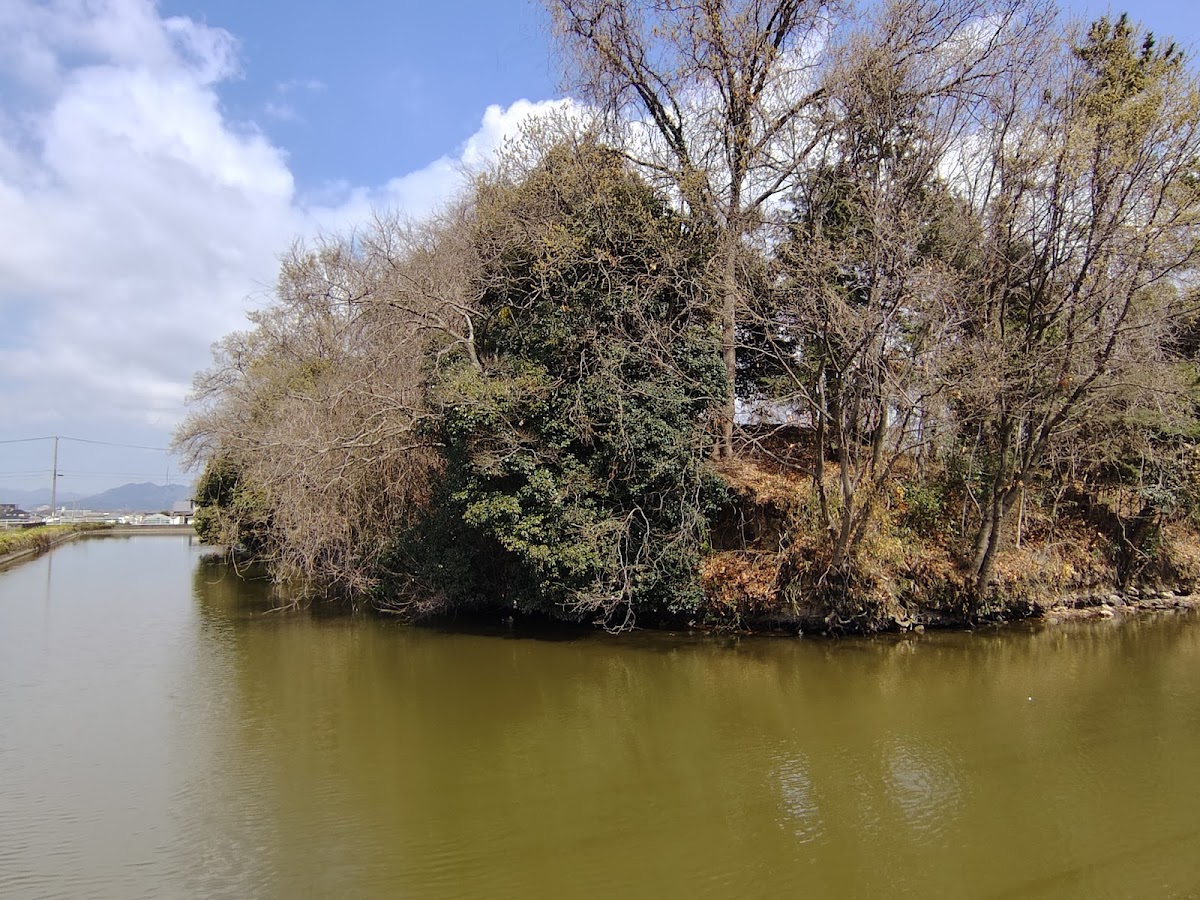
The moat remains in good condition today, allowing visitors to enjoy the scenery throughout the seasons. The moat is filled with carp, and the surrounding area is planted with cherry trees and greenery, making it a place of relaxation for local residents. The moat, utilizing Saijo’s abundant water resources, is a unique charm of the Saijo Jinya (fortified residence), unlike those found at other Jinya.
Existing Main Gate
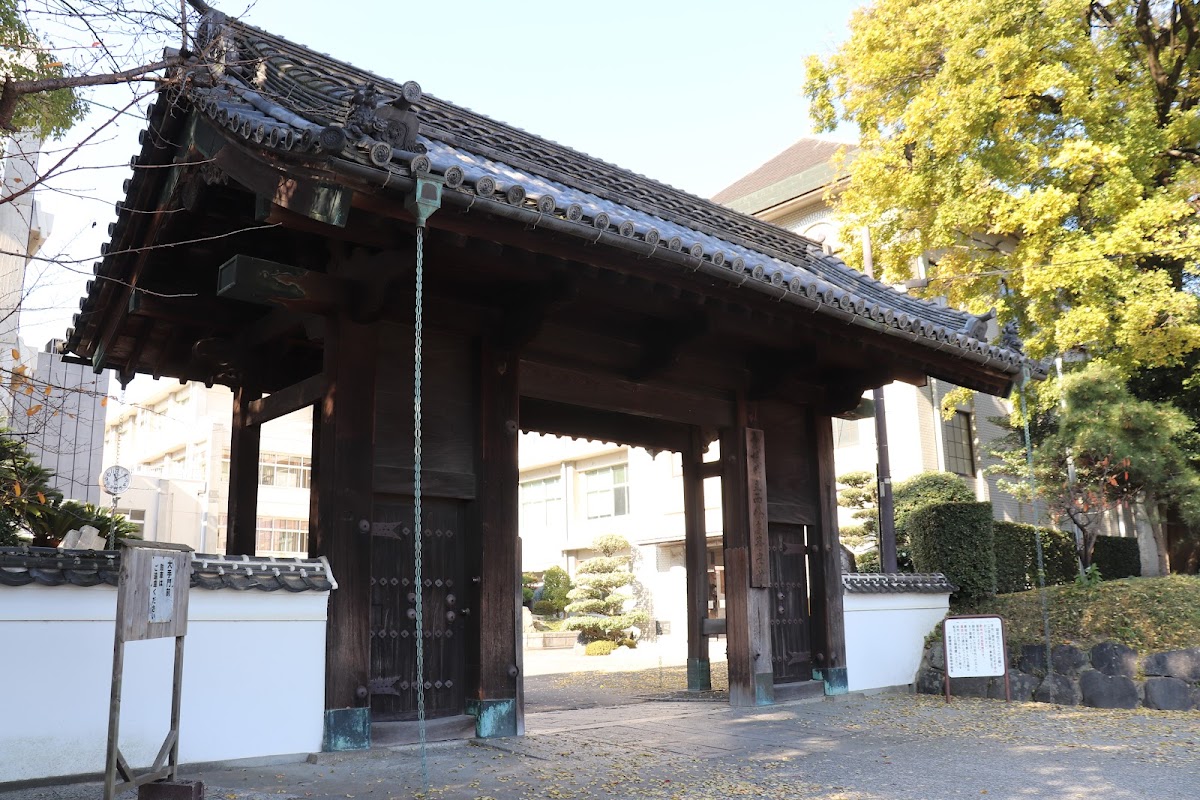
The most important surviving structure of the Saijo Jinya is the Main Gate. Built in the Yakui-mon style, this gate is a valuable cultural asset that conveys the architectural style of the Edo period.
The Main Gate is still used as the main gate of Saijo High School, and every day many students pass through the same gate as the feudal lords of the past. The gate’s structure is simple and sturdy, possessing the dignified style befitting a samurai residence. The roof is a hip-and-gable style, giving it a dignified impression.
Stone walls remain on either side of the gate, evoking the grandeur of the former Jinya. The area around the Main Gate is particularly well-preserved, and it is the area that most strongly retains the atmosphere of the Edo period.
Kita-Gomon and Hiroshiki-mon
Besides the Otemon (main gate), the Saijo Jinya (fortified residence) had several other gates. The Kita-Gomon was located on the north side of the Jinya and functioned as a rear gate. The Hiroshiki-mon also still exists, located to the right of the Otemon.
These gates each served different roles as entrances to the Jinya. The placement of multiple gates indicates an effort to ensure smooth movement and strengthen defensive capabilities.
Earthworks and Stone Walls
A low earthwork was positioned inside the moat. This earthwork increased the height above the moat, enhancing defensive capabilities. A portion of the earthwork still remains on the grounds of Saijo High School, allowing us to see its original structure.
Stone walls remain mainly around the Otemon, showcasing techniques such as rough-hewn stonework and fitted stonework. Although not large in scale, it is clear that a respectable stone wall was constructed for a Jinya.
Highlights of Saijo Jinya
Otemon Gate (Main Gate of Saijo High School)
When visiting Saijo Jinya, the first thing you should see is the Otemon Gate. Standing in the same location since the Edo period, this imposing gate, in the Yakuimon style, conveys the grandeur of its time.
An explanatory sign is installed in front of the gate, where you can learn about the history and structure of Saijo Jinya. Furthermore, the stone walls and moat surrounding the gate remain in good condition, allowing you to imagine the overall layout of the Jinya.
Since it is on school grounds, consideration is needed when entering during class hours, but it is possible to view it from the outside. Especially during cherry blossom season, the cherry blossoms along the moat and the Otemon Gate create a beautiful landscape.
Moat Tour
You can walk all the way around the moat of Saijo Jinya. There are walking paths along the moat in some places, allowing you to enjoy a stroll.
The moat in front of the Otemon Gate on the east side is particularly wide, giving you a real sense of the former scale of the Jinya. The water’s surface reflects the sky and surrounding greenery, offering beautiful scenery throughout the seasons.
The moat’s water is kept consistently clean by Saijo’s abundant groundwater, and fish such as carp swim in it. This clarity of water is a unique characteristic of Saijo, the “City of Water.”
Remains of the Earthen Embankment
Within the grounds of Saijo High School, a portion of the former earthen embankment remains. There are places where the shape of the embankment can be seen from the outside, making it an important remains for understanding the defensive structure of the encampment.
Trees grow lushly on top of the embankment, creating a verdant landscape. The combination of the embankment and the moat is a typical structure of Edo-period encampments, demonstrating the historical value of the Saijo encampment.
Stone Monument and Information Board
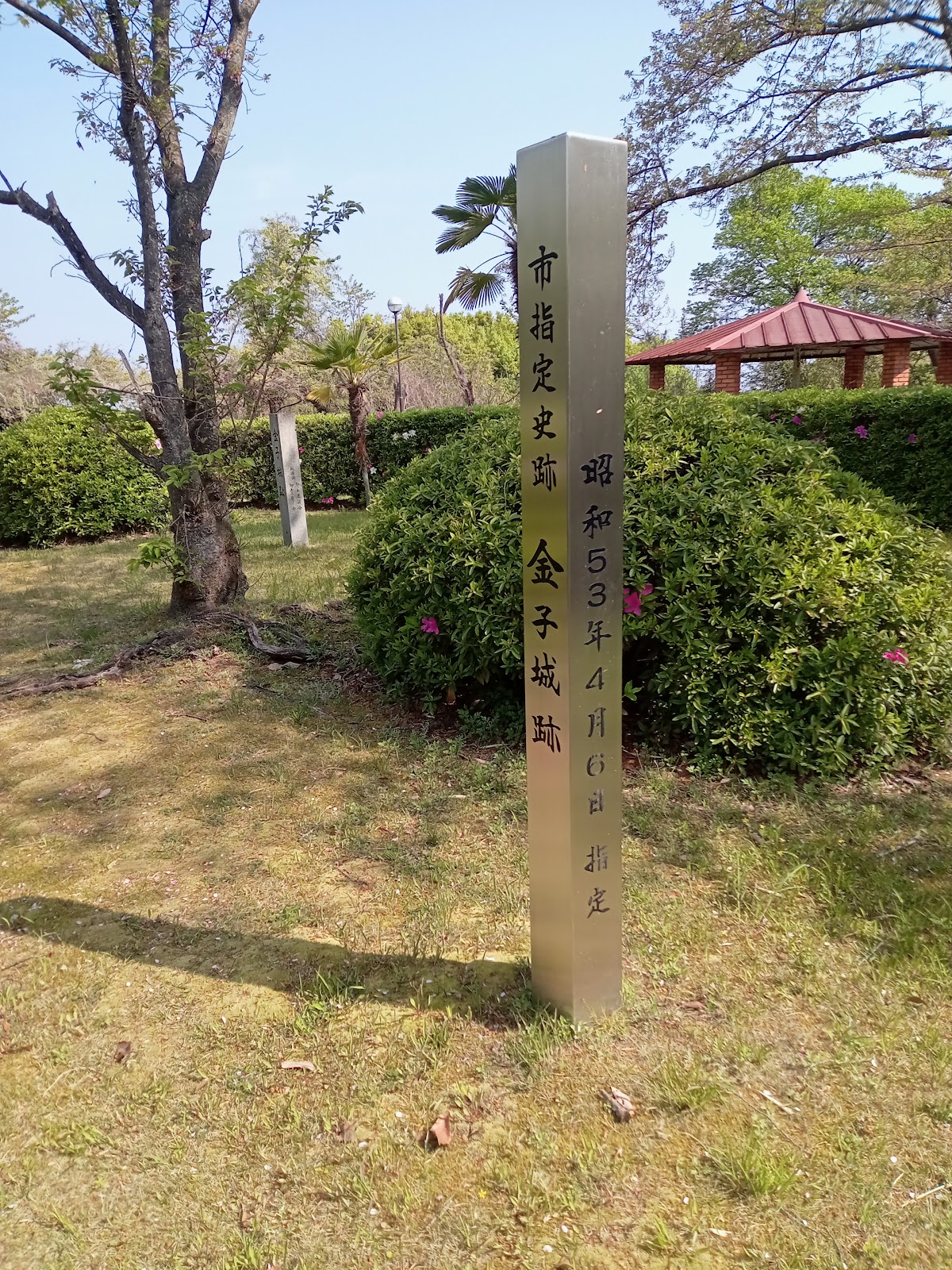
A stone monument and information board marking the “Saijo Domain Encampment Site” are installed at the encampment site, providing detailed information about the historical background and structure. Reading these information boards while visiting will allow for a deeper understanding of the history of the Saijo encampment.
Basic Information on Saijo Jinya
Location and Access
Location: Akebono-shiki, Saijo City, Ehime Prefecture (Ehime Prefectural Saijo High School)
Access:
- Approximately 15 minutes on foot from JR Yosan Line “Iyo-Saijo Station”
- Immediately after alighting at the Setouchi Bus “Saijo High School Mae” bus stop
- Approximately 10 minutes by car from Matsuyama Expressway “Iyo-Saijo IC”
Parking
There is no dedicated visitor parking at the Saijo Jinya site (Saijo High School). When visiting, we recommend using nearby paid parking lots or public transportation.
There are several parking lots around Saijo City Hall and Iyo-Saijo Station, and you can access the site on foot from there.
Notes for Visitors
The Saijo Jinya site is currently the grounds of Ehime Prefectural Saijo High School. Therefore, please note the following points when visiting:
- Refrain from entering the school grounds during class hours.
- The main gate and moat can be viewed from the outside.
- Avoid visiting during school events or exam periods.
- Respect students’ privacy.
- Visit quietly and respect the learning environment.
The outer moat and main gate can be viewed from the public road, allowing you to enjoy historical exploration without disrupting school activities.
Best Time to Visit
While Saijo Jinya Ruins are open year-round, there are particularly recommended times:
Spring (late March to early April): The cherry blossoms along the moat are in full bloom, creating a beautiful landscape in combination with the main gate. Cherry blossom season is when Saijo Jinya is at its most magnificent.
Autumn (November): The autumn leaves are reflected in the moat, allowing you to enjoy a historical stroll in a tranquil atmosphere. The weather is mild and suitable for a walk.
Summer Vacation: During school holidays, you can visit more quietly. However, heat protection is essential.
Nearby Tourist Attractions
Historical Sites in Saijo City
Around Saijo Jinya, there are numerous historical sites related to the Saijo Domain and facilities that convey the history of Saijo.
Saijo Local History Museum: A museum where you can learn about the history and culture of Saijo, with exhibits on the Saijo Domain and the Ichiyanagi clan. Visiting before or after visiting Saijo Jinya will provide a deeper understanding.
Saijo Castle Ruins: A castle that existed before Saijo Jinya was built; only a stone monument remains today. It is an important historical site for understanding the history of castles in Saijo.
Artesian Springs
Saijo City is known as the “City of Water,” and “artesian springs” where groundwater gushes forth can be seen throughout the city. The moat of Saijo Jinya also utilized this abundant water source.
There is an “artesian spring plaza” in the city where you can freely draw water. This is a place you’ll want to visit in conjunction with a tour of the Jinya (fortified residence), as it offers a chance to experience Saijo’s water culture.
Mt. Ishizuchi
To the south of Saijo City stands Mt. Ishizuchi (1,982m above sea level), the highest peak in western Japan. The groundwater flowing from the Ishizuchi mountain range is Saijo’s abundant water source, and the moat of the Saijo Jinya also benefits from this.
You can enjoy hiking and sightseeing via ropeway, fully experiencing both Saijo’s nature and history.
Saijo Festival
Held every October, the Saijo Festival is a grand festival considered one of the three major festivals of Shikoku. Magnificent floats and portable shrines parade through the city, and the area around the Saijo Jinya ruins is also part of the festival route.
The combination of the historic Jinya ruins and the traditional festival gives a deep sense of Saijo’s culture.
Historical Value of Saijo Jinya
Characteristics of Jinya Architecture
Saijo Jinya is a valuable historical site that retains many characteristics of Edo period jinya architecture. While jinya are typically smaller in scale and have limited defensive capabilities compared to castles, Saijo Jinya was surrounded on all four sides by a moat and possessed a robust structure with earthworks and stone walls.
This scale and structure are exceptionally well-developed for a small domain of 30,000 koku, and are thought to reflect the castle-building techniques of the Ichiyanagi clan and the geographical conditions of Saijo.
Importance of Existing Remains
Nationwide, there are not many examples of jinya remains that have been preserved in such good condition. Saijo Jinya, with its main gate, moat, and earthworks still existing, and its continued use as an active educational facility, is a prime example of the preservation and utilization of historical heritage.
In particular, the fact that the main gate remains in its original location and continues to be used as the main gate is a valuable example demonstrating the continuity of history.
Significance in Local History
The Saijo Jinya (fortified residence) played a significant role in the development of the region as the political, economic, and cultural center of the Saijo Domain. The governing structure and samurai culture of the domain era formed the foundation of modern-day Saijo City.
By utilizing the Jinya site as an educational facility, it has become a place for local history education, contributing to the transmission of history to future generations. Students of Saijo High School can feel a close connection to local history by passing through the historic Otemon Gate every day and studying in an environment surrounded by a moat.
The Appeal of Visiting Saijo Jinya
Coexistence of History and Modernity
The greatest appeal of Saijo Jinya lies in the fact that the Edo period remains are utilized as a modern educational facility, creating a coexistence of history and modernity. The sight of students studying in an environment surrounded by a moat, using the Otemon Gate as the main entrance, is proof that history is alive.
This method of utilizing historical heritage is not merely preservation, but an ideal form of passing on practical value to future generations.
The Charm of Saijo, the “City of Water”
The moat of the Saijo Jinya (fortified residence) embodies why Saijo is called the “City of Water.” Abundant groundwater from the Ishizuchi Mountains constantly supplies pure water, creating a beautiful waterscape throughout the seasons.
The high clarity of the moat and its harmony with the surrounding nature are unique charms of Saijo, features not found at other Jinya ruins.
A Quiet Historical Stroll
Because the Saijo Jinya ruins are not a large-scale tourist destination, you can enjoy a quiet historical stroll. Walking along the moat, you can imagine what the Jinya was like during the Edo period, or picture the feudal lords and retainers of yesteryear in front of the main gate, slowly reflecting on history.
As a historical site integrated into the lives of the local people, it possesses a simple charm that hasn’t been commercialized for tourism.
Summary
The Saijo Jinya (Akebono-shiki, Saijo City, Ehime Prefecture) was a fortified residence that served as the administrative center of the Saijo Domain during the Edo period. Currently, it is used as the site of Ehime Prefectural Saijo High School. Built in 1636 by Ichiyanagi Naoshige upon his arrival in the domain, the residence boasted an exceptional scale and defensive capabilities for a fortified residence, surrounded by a moat and equipped with earthworks and stone walls.
The existing main gate is a magnificent Yakui-mon style structure and is still used as the high school’s main gate. The surrounding moat utilizes Saijo’s abundant water resources, maintaining a constant supply of clean water and creating beautiful scenery throughout the seasons. Parts of the earthworks and stone walls remain, conveying the atmosphere of the Edo-period fortified residence.
The Saijo Jinya site is designated as an Ehime Prefecture Historic Site as the “Saijo Domain Jinya Site,” recognizing its value as a historical heritage. As a prime example of a facility that preserves history while serving as an educational institution, and as a historical site symbolizing Saijo’s water culture, this place is well worth visiting.
It’s easily accessible, about a 15-minute walk from Iyo-Saijo Station, and there are many other facilities in the surrounding area that showcase Saijo’s history and culture. The scenery is especially beautiful during cherry blossom season and autumn foliage season, making it an ideal spot for a quiet historical stroll. When you visit Saijo, be sure to visit this historic Jinya site.