Complete Guide to Shigiyama Castle Ruins (Minamiyama Castle Ruins) | A Thorough Explanation of the 600-Year-Old Mountain Castle of the Naganuma Clan
Located in Tajima, Minamiaizu-machi, Minamiaizu-gun, Fukushima Prefecture, Shigiyama Castle Ruins was a mountain castle that flourished as the base of the Naganuma clan, who ruled the Minamiaizu region from the medieval period to the Sengoku period. Also known as Minamiyama Castle or Tajima Castle, this castle site, built on Mt. Atago at an altitude of 750 meters, is a typical mountain castle that skillfully utilizes the natural terrain and remains in excellent condition today.
This article will provide a detailed explanation of the history of Shigiyama Castle, from its construction to its abandonment, the characteristics of its castle structure, the changes in successive castle lords, and the remains that can be visited today.
History and Background of Shigiyama Castle
Construction during the Nanboku-cho Period and the Rule of the Naganuma Clan
The exact date of construction of Shigiyama Castle is unclear, but records show that in 1459 (Chōroku 3), the Yamauchi Etchū and Shirakawa clans attacked and captured “Minamiyama Shikiyama Castle,” confirming its existence at that time. Therefore, it is estimated that the castle’s construction dates back to the Nanboku-cho period (mid-14th century).
The Naganuma clan, after the Mongol invasions of the Kamakura period, came to rule the Tajima region of southern Aizu. It is said that they built Shigiyama Castle in this location as an important base to fortify Minamiyamaguchi, the gateway to Aizu from the Kanto region. The Naganuma clan was a branch of the Oyama clan of Shimotsuke Province (present-day Tochigi Prefecture), and while serving the Ashina clan, a powerful daimyo of Aizu, they built their own independent power in southern Aizu.
The Turmoil of the Sengoku Period and the Changes in Castle Lords
With the arrival of the Sengoku period (Warring States period), Shigiyama Castle became subject to the political turmoil of the Aizu region. As the Ashina clan declined, the then-lord of the castle, Naganuma Morihide, pledged allegiance to Date Masamune. However, in 1590, Toyotomi Hideyoshi’s “Oshu Settlement” forced the Naganuma clan to leave Minamiyama and follow the Date clan.
Subsequently, Ogura Yukiharu, a retainer of Gamo Ujisato, who came to rule Aizu, entered Shigiyama Castle. During the Gamo era, it was positioned as an important branch castle of Wakamatsu Castle (Tsuruga Castle), and improvements to the castle grounds were made. In particular, the Negoya area at the foot of the northern mountain is said to have been significantly renovated by the Gamo clan.
The Uesugi Clan Era and the Placement of Castle Deputies
In 1598, when Uesugi Kagekatsu became the lord of Aizu with a domain of 1.2 million koku, a castle deputy of the Uesugi clan was appointed to Shigiyama Castle. Under the command of Naoe Kanetsugu, powerful retainers such as Okuni Saneyori served as castle deputies, and the castle functioned as a base for controlling southern Aizu. During the Uesugi era, the castle was also renovated, and some of the remains that can still be seen today, such as the stone-built main gate, are thought to have been constructed during this period.
Abandonment of the Castle in the Early Edo Period
In 1601, when Uesugi Kagekatsu’s domain was reduced to 300,000 koku in Yonezawa, Aizu once again became the territory of the Gamo clan. Later, in 1627, the Kato clan took control. However, during the Kan’ei era (1624-1644) in the early Edo period, Shigiyama Castle was abandoned and its role came to an end. Since then, the castle ruins have been preserved as part of the grounds of Atago Shrine, and remain so to this day.
Shigiyama Castle’s Layout and Fortification Structure
Characteristics of a Mountain Castle Utilizing Natural Terrain
Shigiyama Castle is a typical mountain castle built on the northern edge of Mt. Atago, at an altitude of 750 meters. The entire castle extends approximately 700 meters from north to south, with the top 350 meters being a steep slope and the bottom 350 meters a gentle slope, making maximum use of the topographical features.
From the summit to the foot of the mountain, earthworks, gates, and moats were constructed utilizing the natural terrain such as ridges and valleys, and the typical layout of a medieval mountain castle can still be seen in good condition today. Due to its excellent state of preservation, the Shigiyama Castle ruins are designated as a historical site of Fukushima Prefecture.
Main Enclosures and Defensive Facilities
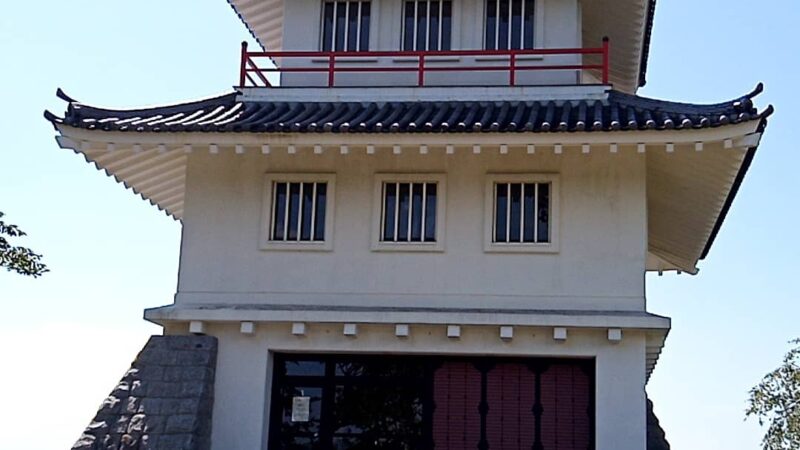
The heart of Shigiyama Castle is the main enclosure located at the summit of Mt. Atago. From the main keep, one can enjoy a panoramic view of Tajima city and the entire Minami-Aizu Basin, making it a strategically important location. Several baileys are arranged around the main keep, some with names such as Mondokuruwa (the water bailey).
On the steep slopes of the mountaintop, trenches and vertical moats were constructed to prevent enemy intrusion, forming a strong defensive line combining natural ruggedness with artificial defensive structures. Earthen ramparts surround each bailey, some of which are over 2 meters high.
Negoya and the Great Gate Ruins
On the gentle slopes at the foot of the mountain, the Negoya, where the lord and his retainers resided, spread out. As mentioned earlier, this Negoya area is thought to have undergone extensive renovations during the time of the Gamo and Uesugi clans, becoming a more developed castle town.
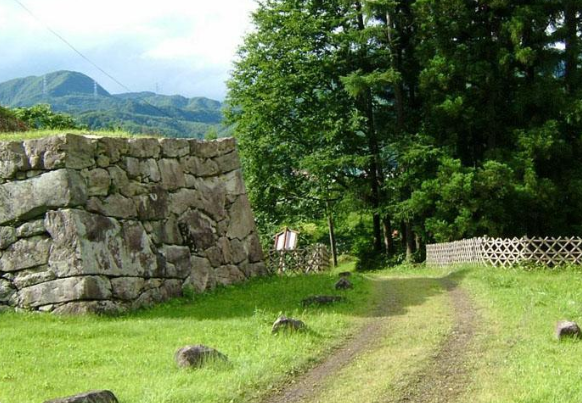
Of particular note is the remains of the stone-built Great Gate. Currently, this gate site has been restored and maintained, allowing visitors to experience the atmosphere of the castle in its heyday. The stone-walled structure exhibits characteristics of a transitional period from medieval earthen castles to early modern castles, and is a valuable historical site showing traces of renovations by the Gamo and Uesugi clans.
Genealogy of the Naganuma Clan and Successive Castle Lords
Origins of the Naganuma Clan and Rule of Southern Aizu
The Naganuma clan was a branch of the Oyama clan of Shimotsuke Province and a samurai family that ruled the Southern Aizu region from the Kamakura period to the Muromachi period. It is believed that they were granted the land of Southern Aizu as a reward after the Mongol invasions, and ruled the area for approximately 200 years.
The Naganuma clan, as influential vassals of the Ashina clan, were deeply involved in the politics of the Aizu region, while also building their own independent power base in Southern Aizu. Based at Shigiyama Castle, they ruled the entire Southern Aizu area, known as Minamiyama, and dedicated themselves to the development and governance of the region.
Naganuma Morihide at the End of the Sengoku Period
At the end of the Sengoku period, Naganuma Morihide, the castle lord, pledged allegiance to Date Masamune after the Battle of Suriagehara in 1589, following the decline of the Ashina clan. However, with the pacification of Oshu the following year, he left Minamiyama along with the Date clan, marking the end of the Naganuma clan’s rule over Shigiyama Castle.
Castle Deputies during the Gamo and Uesugi Periods
During the time of Gamo Ujisato, Ogura Yukiharu became the castle lord, and it functioned as a southern base for the Gamo clan’s control of Aizu. During the time of Uesugi Kagekatsu, figures such as Okuni Saneyori, a subordinate of Naoe Kanetsugu, served as castle deputies, making it the center of the Uesugi clan’s management of southern Aizu.
These castle deputies not only played a military role but also oversaw regional administration and economic affairs, contributing to the development of southern Aizu.
These castle deputies played a role not only in military affairs but also in regional administration and economic management, contributing to the development of southern Aizu. ## Current Highlights of Shigiyama Castle Ruins
Access and Ascent Route
Shigiyama Castle Ruins can be accessed from the southern part of Tajima town in Minamiaizu. A parking lot is available at the foot of Mt. Atago, from where you can hike up to the main keep at the summit via a trail. The climb takes approximately 30 to 40 minutes, but the well-maintained walking path makes it relatively easy.
Well-Preserved Remains
The greatest appeal of Shigiyama Castle Ruins is the excellent preservation of the remains of this medieval mountain castle. The layout of the main keep, the arrangement of each enclosure, earthworks, moats, and vertical trenches remain almost exactly as they were at the time of construction, making it a valuable historical site for learning about the structure of mountain castles.
The view of Tajima town from the summit is particularly magnificent, allowing you to truly understand why a castle was built in this location. Its location, overlooking the Minamiaizu Basin, speaks volumes about its role as a strategic point protecting Minami-Yamaguchi. ### Restored Gate Ruins and Stone Walls
In the Negoya area at the foot of the mountain, there are restored stone walls marking the remains of a large gate. This gate, constructed during the time of the Gamo and Uesugi clans, is a valuable historical site incorporating the techniques of early modern castle construction. Visitors can observe the stonework and gate structure up close, making it an important resource for understanding the evolution of castle architecture.
Coexistence of Atago Shrine and Castle Ruins
Currently, Atago Shrine stands on the summit of Mount Atago, and the site of the main keep is now part of its grounds. The presence of the shrine has protected the castle ruins from development, maintaining their excellent state of preservation. Visitors can combine worship with exploring the castle ruins, experiencing a unique atmosphere where history and faith are intertwined.
Coexistence of Atago Shrine and Castle Ruins
The Historical Role of Shigiyama Castle
A Military Strategic Point in Minami-Yamaguchi
Shigiyama Castle was a crucial military base fortifying Minami-Yamaguchi, the gateway to Aizu from the Kanto region. It played a vital role in monitoring and defending the southern invasion routes into the Aizu Basin, functioning as a key element in the control of Aizu.
For successive daimyo who ruled Aizu—the Ashina, Date, Gamo, and Uesugi clans—securing Shigiyama Castle was a prerequisite for controlling Minami-Aizu, and it was always considered an important subsidiary castle.
The Political and Economic Center of Minami-Aizu
Shigiyama Castle was not only a military base but also the political and economic center of Minami-Aizu. A town developed around the castle, and Tajima flourished as a center of commerce and distribution in Minami-Aizu. This tradition continues today, with Tajima functioning as the central urban area of Minami-Aizu Town.
From the time of the Naganuma clan through the Gamo and Uesugi clans, the lords and castellans of Shigiyama Castle dedicated themselves to the development and governance of the region, making a significant contribution to the growth of Minami-Aizu.
Remains that show the transitional period from medieval mountain castles to early modern castles
The remains of Shigiyama Castle exhibit characteristics of the transition period from medieval earthen mountain castles to early modern castles using stone walls. The coexistence of medieval elements such as earthworks and moats from the Naganuma clan era and early modern elements such as stone walls and well-maintained fortifications from the Gamo and Uesugi clan eras makes it a valuable example for understanding the development process of Japanese castle architecture.
Cultural Value and Preservation Activities of Shigiyama Castle Ruins
Designation as a Fukushima Prefecture Historic Site and Preservation Status
The Shigiyama Castle Ruins have been designated as a Fukushima Prefecture Historic Site in recognition of their excellent state of preservation and historical value. Preservation activities have been carried out since the Showa era, with efforts being made to protect and utilize the remains.
In recent years, Minamiaizu Town has been carrying out development projects, creating an environment where visitors can safely visit the castle ruins, including the installation of explanatory signs and the construction of walking paths.
As a Place for Local History Education
Shigiyama Castle Ruins are also used as an important educational site for learning about local history. Local elementary and junior high schools regularly hold local history lessons, and history enthusiasts hold guided tours, making it a beloved historical heritage site in the region.
Minamiaizu Town is also working to promote tourism by utilizing the region’s historical and cultural resources, including Shigiyama Castle Ruins, and is widely disseminating the appeal of the castle ruins through campaigns such as the “Come to Minamiaizu!” campaign.
Challenges for Future Preservation and Utilization
Several challenges remain regarding the preservation and utilization of Shigiyama Castle Ruins. Due to its nature as a mountain castle, continuous effort is required to maintain the remains, with vegetation management and soil erosion prevention being particularly important challenges.
Furthermore, there is a need to develop explanatory materials to help more people understand the value of the castle ruins, and to disseminate information using digital technology. Local residents and the government are working together to preserve this valuable historical heritage for future generations.
Sights Around Shigiyama Castle and the History of Minami-Aizu
Former Minami-Aizu County Office and Modern Architecture
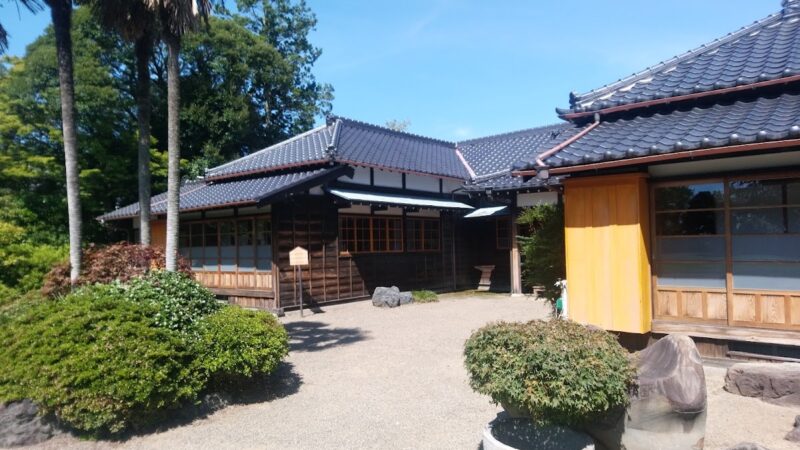
Near the Shigiyama Castle ruins, in the Tajima town area, the former Minami-Aizu County Office building, built during the Meiji era, is preserved. Constructed in 1885 (Meiji 18), this building is designated a National Important Cultural Property as a fine example of pseudo-Western style architecture, blending Western and Japanese elements.
By visiting both the medieval and early modern history of Shigiyama Castle and the modern history of the former county office, one can gain a comprehensive understanding of Minami-Aizu’s history.
History and Culture of Minami-Aizu
The Minami-Aizu region has cultivated its own unique culture since the time of Shigiyama Castle. While part of the Aizu region, it also had deep ties with the Kanto region, forming a distinctive cultural sphere.
Even today, traditional festivals and folk performing arts are passed down, and the “Aizu Tajima Gion Festival,” for example, is designated as a National Important Intangible Folk Cultural Property. Visiting these cultural heritage sites in conjunction with a tour of the Shigiyama Castle ruins will allow you to gain a deeper understanding of the history and culture of Minami-Aizu.
Summary: What Shigiyama Castle Tells Us Today
Shigiyama Castle (Minami-Yamashiro Castle Ruins) is a mountain castle that remained at the heart of Minami-Aizu’s history for approximately 300 years, from the Nanboku-cho period to the early Edo period. From its construction by the Naganuma clan, through the eras of the Gamo and Uesugi clans, to its eventual abandonment, it continued to play a crucial role as a key point in Minami-Yamaguchi, reflecting the political situation of the Aizu region.
Built on Mt. Atago at an altitude of 750 meters, the castle ruins possess high historical value as a typical example of a medieval mountain castle that skillfully utilized the natural terrain, and as a structure that exhibits characteristics of castle architecture from the transitional period between the medieval and early modern periods. Thanks to its excellent state of preservation, visitors can still see a variety of remains, including the main keep, baileys, earthworks, moats, and the remains of the stone-built main gate.
Designated as a Fukushima Prefecture Historic Site, Shigiyama Castle Ruins are preserved and utilized as an important historical heritage of the region, making it a must-visit historical site when visiting Minami-Aizu. Enjoying the view from the mountaintop while walking through the remains of this mountain castle, built over 600 years ago, will allow you to feel closer to the history of the medieval and Sengoku periods.
Minami-Aizu Town is continuously working to preserve and utilize historical and cultural resources, including Shigiyama Castle Ruins, and it is hoped that this valuable heritage will be passed down to future generations. Shigiyama Castle Ruins is an attractive destination not only for history enthusiasts but also for those who enjoy nature walks and hiking.