Takako-oka Castle (Fukushima Prefecture) Complete Guide: A Thorough Explanation of the History and Highlights of the Birthplace of the Date Clan
Located in Hobara-cho, Date City, Fukushima Prefecture, the Takako-oka Castle ruins are an essential historical site for tracing the roots of the Date clan, a renowned Sengoku period daimyo. It was the first castle residence of Date Tomomune, the founder of the Date family (known as Date Masamune), and is still visited by many history enthusiasts as the “birthplace of the Date clan.”
This article will provide a comprehensive overview of the charm of this historical site, covering everything from the detailed history of Takako-oka Castle and its structure as a fortress, to current highlights and access methods.
History of Takako-oka Castle: The Story of the Date Clan’s Origin
Date Tomomune and the Oshu War
The history of Takako-oka Castle dates back to the Oshu War of 1189 (Bunji 5). Nakamura Nyudo Nensai, a warrior from Hitachi Province who served in Minamoto no Yoritomo’s campaign against the Oshu Fujiwara clan, achieved great military success in this battle. As a reward for his achievements, Yoritomo bestowed upon him Date County (present-day Date City, Fukushima Prefecture).
Nakamura Nyudo Nensai and his four sons moved to Date County and built a castle at Takako-oka. He then adopted “Date” as his surname, after the place name, and changed his name to Date Tomomune. This marked the beginning of the Date clan, who would later become the rulers of Oshu.
Role as a Base for the Date Clan
Takako-oka Castle holds special significance in the history of the Date family as the first castle built by the Date clan. Tomomune began governing Date County from this castle, establishing the foundation of the Date clan.
The castle’s location was strategically advantageous, situated on a hill overlooking the Abukuma River basin. This area was a strategically important transportation hub and is considered suitable as a center for governing the domain.
Changes in the Castle and its Present
The Date clan subsequently moved their residence to Kuwori Nishiyama Castle (later Date Koriyama Castle) in Kuwori Town, then to Iwadeyama Castle in Miyagi Prefecture, and finally to Sendai Castle. While there are no clear records of how long Takako-oka Castle was in use, it is believed that as the Date clan’s power expanded, their base moved to larger castles.
Although very few remains of the castle itself remain at the current Takako-oka Castle site, its historical value as the birthplace of the Date clan is recognized, and it is cherished by many people.
Structure and Fortification Features of Takako-oka Castle
Location and Topography
Takako-oka Castle was built on a hill approximately 200 meters above sea level, north of Takako Station on the Abukuma Express Line. This hill offered a panoramic view of the surrounding area, providing excellent defensive and surveillance advantages.
As the character “Oka” (hill) in the castle’s name suggests, it is presumed to have been a hill castle (okajiro) that utilized the natural terrain. Located in an area surrounded by the Abukuma River and its tributaries, it was also a convenient location for water transport.
Castle Scale and Structure
Takako-oka Castle was built at the end of the 12th century and is thought to have been of a standard size for castles in the Tohoku region during that period. Castles of that time did not possess the large stone walls and keeps seen in later Sengoku period castles, but rather consisted of defensive structures centered on earthworks and moats.
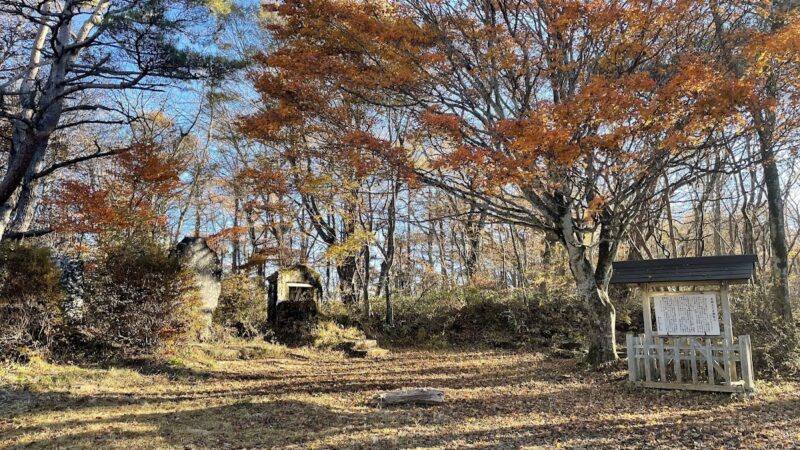
Currently, slight topographical undulations remain around the Takako-oka Castle ruins, allowing us to imagine the layout of the former baileys (kuruwa). However, due to years of development and weathering, it is difficult to clearly identify any remaining structures.
Invitation of Kameoka Hachimangu Shrine
It is said that Date Tomomune invited the divine spirit from Tsurugaoka Hachimangu Shrine in Kamakura to serve as the guardian deity of the castle, and enshrined Kameoka Hachimangu Shrine on the mountaintop. This demonstrates loyalty to Minamoto no Yoritomo and ties to the Kamakura Shogunate, illustrating the nature of faith in samurai society at the time.
There is a theory that the name “Kameoka” was chosen to correspond to “Tsurugaoka” in Kamakura, reflecting Tomomune’s respect for Kamakura.
Highlights of Takakooka Castle Ruins
Takako Hachiman Shrine
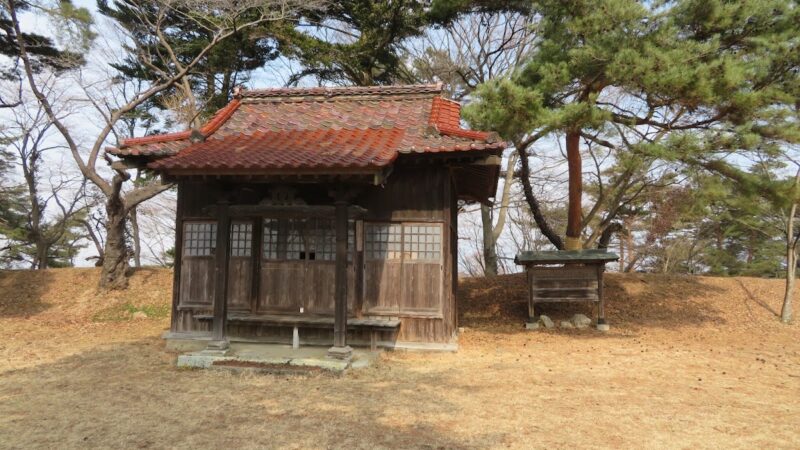
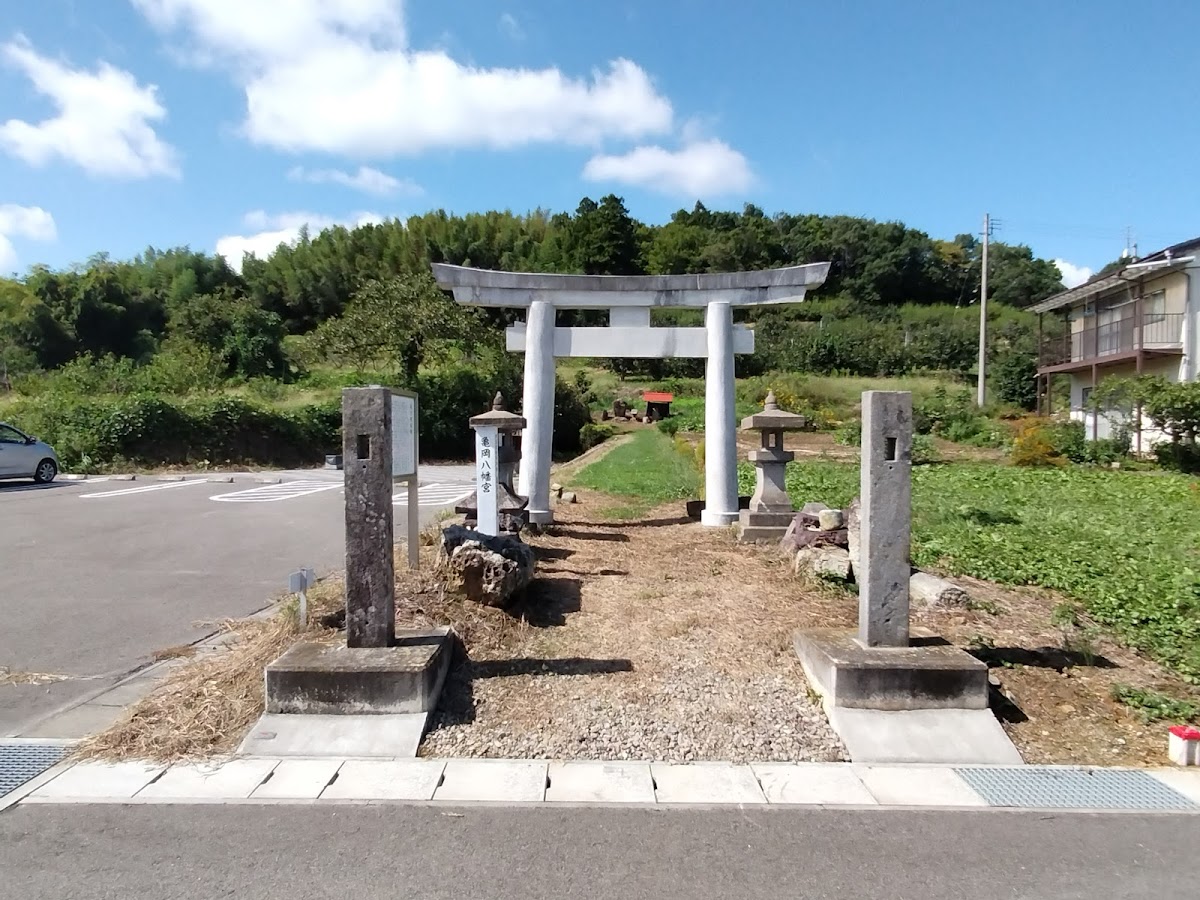
The Takako Hachiman Shrine now stands on the site of Takakooka Castle. Passing through the white torii gate and climbing the stone steps, you arrive at a tranquil shrine grounds. This shrine is believed to be a descendant of the Kameoka Hachiman Shrine, which was established by Date Tomomune.
From the shrine, you can enjoy views of the surrounding landscape, imagining how Date Tomomune once surveyed his territory from this spot. Especially on clear days, the rural landscape of the Abukuma River basin unfolds beautifully.
Takako Twenty Scenic Spots
The area around Takako-oka Castle ruins was known as the “Takako Twenty Scenic Spots” during the Edo period. This selection featured 20 beautiful landscapes in the Takako area, making it a popular destination for writers and artists.
Even today, remnants of this charm remain, allowing visitors to enjoy the beauty of nature alongside historical walks. In spring, the peach blossoms bloom in profusion, creating a particularly beautiful scene.
Peach Blossom Illumination Event
The area around Takako-oka Castle ruins is also known as a peach-producing region, and special events are held during the spring peach blossom season. These events include flower illuminations and traditional Japanese music performances, offering a rare opportunity to experience history and culture in a fantastical atmosphere.
The combination of pink peach blossoms and the historical shrine is a popular photo spot, attracting many tourists.
Nearby Historical Spots
When visiting Takako-oka Castle ruins, we recommend also visiting the nearby historical spots.
Manshoji Temple: A temple associated with the Date clan, it houses valuable historical materials that convey the history of the Date family.
Koori Nishiyama Castle Ruins: This castle, located in Koori Town, was the Date clan’s second residence after Takakooka Castle. It is an important historical site for tracing the development of the Date clan.
Date City Hobara Historical and Cultural Museum: This museum features exhibits on the history of the Date clan and local cultural properties, deepening understanding of Takakooka Castle.
Historical Significance of the Date Clan
Development of the Date Clan
The Date clan, originating from Takakooka Castle, reigned as a powerful daimyo in Oshu for approximately 400 years. In particular, the 17th head of the family, Date Masamune, was active from the late Sengoku period to the early Edo period, building the Date family’s golden age as a daimyo of the Sendai Domain with a 620,000 koku (unit of rice production) yield.
While Date Masamune’s military prowess as the “One-Eyed Dragon” and his high level of cultural refinement are widely known, the fact that his family roots lie in Takako-oka Castle is a deeply moving fact for history enthusiasts.
The Value of Takako-oka Castle as the Birthplace of the Date Clan
Takako-oka Castle ruins hold significance beyond mere castle ruins. This is because it represents the origin of the Date clan, a family that greatly influenced the history of the Tohoku region, and marks a crucial turning point in Japanese history.
Minamoto no Yoritomo’s Oshu War was a significant event during the transition from the Heian period to the Kamakura period. The process by which the Date clan, born as a result of that war, later became the main players in the history of the Tohoku region, symbolizes the flow of Japanese history from the medieval to the early modern period.
Access and Tourist Information
Basic Information
Location: Kamihobara, Hobara-machi, Date City, Fukushima Prefecture
Access:
- Train: Approximately 10 minutes on foot from Takako Station on the Abukuma Express Line
- Car: Approximately 15 minutes from Kunimi IC on the Tohoku Expressway, or approximately 20 minutes from Fukushima Nishi IC
Parking: Limited parking available (for shrine visitors)
Visiting Hours: Open access (Please refrain from visiting early in the morning or late at night as it is a shrine site)
Admission Fee: Free
Best Season to Visit
Takakooka Castle Ruins can be visited throughout the year, but there are particularly recommended times.
Spring (Early to Mid-April): Peach blossoms are in full bloom, offering the most beautiful scenery. Illumination events are sometimes held.
Autumn (October to November): The autumn foliage is beautiful, and the weather is suitable for historical walks.
Winter: While the shrine amidst the snowy landscape has its own charm, caution is needed regarding footing.
Points to Note When Visiting
- As the castle ruins are now part of the shrine grounds, please observe proper etiquette when visiting.
- Since very few remains are left, it is recommended to use your historical imagination during your visit.
- As there are stone steps, comfortable walking shoes are recommended.
- As the surrounding area is also a residential area, please be considerate of noise levels.
Nearby Tourist Facilities
Michi-no-Eki Date-no-Sato Ryōzen: A facility where you can enjoy local specialties and meals. You can also obtain tourist information for Date City.
Ryōzen: A scenic spot designated as a national place of scenic beauty, a place of mountain worship with its series of strangely shaped rocks and boulders.
Hobara Onsen: A day-trip hot spring facility where you can relax and unwind after sightseeing.
The Significance of Visiting Takako-oka Castle
A Place to Feel Historical Romance
Takako-oka Castle ruins lack large stone walls or impressive castle towers. However, standing on this quiet hill, one can imagine the moment approximately 800 years ago when Nakamura Nyudo Nensai (Date Tomomune) descended upon this land and began to carve out a new history.
The fact that this is the origin of the Date family, which produced the great warrior Date Masamune, is a source of great romance for history enthusiasts. Because there are few visible remains, it is a place that stimulates the imagination about history.
Learning Local History
Visiting Takako-oka Castle ruins is an entry point to learning about the history of Date City, Fukushima Prefecture. This region has flourished as a transportation hub since ancient times and has been the stage for many historical events.
From the history before the Date clan, through the Date clan’s era, and from the Edo period to the present day, this region has a multi-layered history. Takako-oka Castle ruins are one page of that history and an important piece for understanding the history of the entire region.
A Pilgrimage for Date Masamune Fans
For fans of Date Masamune, Takako-oka Castle Ruins is one of the “holy sites” they want to visit at least once. While there are many places associated with Masamune, such as Sendai Castle and Iwadeyama Castle, starting at Takako-oka Castle Ruins is the most historically correct order for tracing the roots of the Date family.
Knowing that the history of the Date clan began here, approximately 400 years before Masamune, will deepen your understanding of the Date family’s history.
Future Prospects for Takako-oka Castle Ruins
Preservation and Utilization as a Historic Site
While large-scale archaeological excavations and development have not yet been carried out at Takako-oka Castle Ruins, its historical value as the birthplace of the Date clan is extremely high. Further academic research may reveal the detailed structure of the castle and the lifestyle of the time.
The local community is also working to utilize this historical asset as a tourist resource, and the environment for welcoming visitors is gradually being improved through the installation of information boards and the holding of events. ### Contribution to Regional Development
Date City is working on regional development that leverages its identity as the birthplace of the Date clan. The Takako-oka Castle ruins are one of the central symbols of this effort and are expected to play a key role as a base for historical tourism.
Initiatives that combine history and local specialties, such as peach blossom events, have the potential to become a model for sustainable tourism development.
Summary: The Charm of Takako-oka Castle
Takako-oka Castle (Date City, Fukushima Prefecture) may not have spectacular remains, but it is a historical site that holds an important place in Japanese history as the birthplace of the Date clan. Its historical value is immeasurable, as it is the place where Nakamura Nyudo Nensai (Date Tomomune), who received Date County from Minamoto no Yoritomo, adopted the name “Date” and laid the foundation for the lineage that would later lead to Date Masamune.
Currently, the Takako-oka Castle ruins quietly tell its history as the Takako Hachiman Shrine, but standing on the hill, you can feel the spirit of the samurai from over 800 years ago. With its spring peach blossoms, the scenic Takako Nijukkyo (Twenty Scenic Spots of Takako) in the surrounding area, and its role as a starting point for a journey tracing the history of the Date clan, this place holds many attractions.
When visiting Fukushima Prefecture, be sure to visit Takako-oka Castle Ruins and reflect on the beginning of the magnificent history of the Date clan. This place will hold special significance for history buffs, those interested in Japanese medieval history, and those who want to learn about the roots of Date Masamune.
Its convenient access, just a 10-minute walk from Takako Station on the Abukuma Express Line, is another attractive feature. Please add Takako-oka Castle Ruins to your list of places to visit on your journey through the history of the Tohoku region.