Kiire Castle (Kagoshima Prefecture): A Complete Overview and Highlights of a Medieval Mountain Castle that Marks the History of Satsuma
Kiire Castle is a medieval mountain castle located in Kiire-cho, Kagoshima City, Kagoshima Prefecture. Also known as Kiire Castle, it played an important role as a central base in Kiire County, Satsuma Province, from the Muromachi period to the Sengoku period. This article provides a comprehensive explanation of Kiire Castle for castle enthusiasts and history fans, covering its historical background, detailed remains, highlights for visitors, and access methods.
Basic Information on Kiire Castle
Kiire Castle is a flatland/mountain castle built on a hill approximately 60 meters above sea level and with a relative height of approximately 60 meters. It is located in the Kiire district of present-day Kiire-cho, Kagoshima City, and once flourished as the center of Kiire County, Satsuma Province. The castle ruins still retain remnants such as baileys, earthworks, and moats, making it a valuable historical site that conveys the structure of a medieval Satsuma castle.
Location: Kiire-cho, Kagoshima City, Kagoshima Prefecture
Castle Structure: Mountain castle/Hilltop castle
Construction Period: Late Heian period (tradition), full-scale construction in 1411 (Oei 18)
Year of Abandonment: 1653 (Shoo 2)
Main Lords: Kyurei clan, Ijuin Yorihisa, Shimazu clan, Kiire clan, Kimotsuki clan
History and Changes of Kyurei Castle
Late Heian Period: Construction by the Kyurei clan
The origins of Kyurei Castle date back to the late Heian period. It is said that Arimichi (also known as Arimichi), the second son of Isaku Yoshimichi, a member of the Satsuma Taira clan, built a castle in this area and adopted the name Kyurei Hyoe-no-jo Arimichi. During this period, the Satsuma Taira clan was expanding its power within Satsuma Province, and the Kyurei clan was a powerful local family that played a key role in their expansion.
The place name Kyurei has existed since ancient times, suggesting that Kyurei Castle functioned as a central base in this region. From the late Heian period to the Kamakura period, the Kyurei clan maintained their power by using this castle as their residence for generations.
Oei Era: The Entry of Ijuin Yorihisa and the Conquest by Shimazu Hisatoyo
The most important turning point in the history of Kyurei Castle occurred during the Oei era (1394-1428).
In 1411 (Oei 18), Ijuin Yorihisa was granted the Kyurei district by Shimazu Motohisa (the 7th head of the Shimazu clan) and made Kyurei Castle his residence. The Ijuin clan was a powerful vassal of the Shimazu clan, and their control over Kyurei district strengthened their influence in the region.
However, just three years later, in 1413 (Oei 20), a provincial uprising broke out in Satsuma Province. Amidst this chaos, in 1414 (Oei 21), Shimazu Hisatoyo, the 8th head of the Shimazu clan, attacked and captured Kyurei Castle. The battle was fierce, but ultimately Shimazu Hisatoyo emerged victorious.
Renaming from “Kyurei” to “Kiire”
It is said that when Shimazu Hisatoyo captured Kyurei Castle, he changed the place name from “Kyurei” to “Kiire” to celebrate his victory. This name change, using auspicious characters meaning “joy enters,” symbolized the Shimazu clan’s victory. From then on, the area came to be called Kiire, and the castle was also known as Kiire Castle.
This name change was more than just a simple renaming; it was a significant event marking the establishment of Shimazu rule. Kiire Castle came under Shimazu control and became one of the important bases in the unification of Satsuma Province.
Sengoku Period: The Era of the Kiire and Kimotsuki Clans
From the late Muromachi period to the Sengoku period, the Kiire clan took control of Kiire Castle. As a branch of the Shimazu clan, the Kiire clan played a role in governing this region. It is believed that under the Kiire clan’s rule, the castle’s fortifications were improved and the castle town developed.
In 1595 (Bunroku 4), the Kimotsuki clan, a powerful daimyo of Osumi Province, entered Kiire Castle. The Kimotsuki clan was a prestigious family that maintained its own power while being subordinate to the Shimazu clan, and they came to rule over Kiire Castle as their new base. It is presumed that the castle’s defensive capabilities were further strengthened during the Kimotsuki clan’s rule.
Early Edo Period: Abandonment of the Castle and Formation of the Foothill Settlement
With the start of the Edo period, many branch castles in the Satsuma Domain were abandoned based on the “One Castle Per Province” decree. Kiire Castle was also officially abandoned in 1653.
After the castle’s abandonment, its functions were lost, but the samurai residences known as “fumoto” (foothills) that had formed below the castle continued to function as the center of the region. Under the Satsuma Domain’s unique system of outer castles, Kiire Fumoto continued to play an important role as a base for local governance throughout the Edo period.
Structure and Remains of Kiire Castle
Basic Structure of the Castle
Kiire Castle is a mountain castle built on a hill approximately 60 meters above sea level, with a relative height of approximately 60 meters. The castle is characterized by its cleverly utilized terrain, featuring a structure with multiple baileys.
The castle grounds are believed to have been composed of two main sections: “Kita-no-jo” (Northern Castle) and “Minami-ga-jo” (Southern Castle). This is a common feature of medieval castles in the Satsuma region, enhancing defensive capabilities and allowing for the deployment of multiple troops.
Major Remains
Baileys (Kuruwa) Several baileys remain at Kyurei Castle. The group of baileys, arranged in stages around the main bailey, exhibits a typical structure of a medieval mountain castle. The flat surfaces of the baileys are relatively well-preserved, allowing for estimation of their original size.
Earthworks (Dorui) Traces of earthworks can be seen along the edges of the baileys. Earthworks are earthen walls designed to prevent enemy intrusion, and the earthworks at Kyurei Castle still partially exist, making them important remains of a medieval castle’s defensive structure.
Horikiri (Moat)
A moat, cut across the ridge, has also been identified. Moats are important structures for blocking enemy incursions and enhancing defense, illustrating the strategic design of Kyurei Castle.
Kuruwa (Enclosure)
Multiple enclosures are arranged in a stepped pattern, each believed to have functioned as an independent defensive stronghold. The defensive structure, utilizing the elevation differences between enclosures, demonstrates the high level of castle construction technology in medieval Satsuma.
Current State of the Castle Ruins
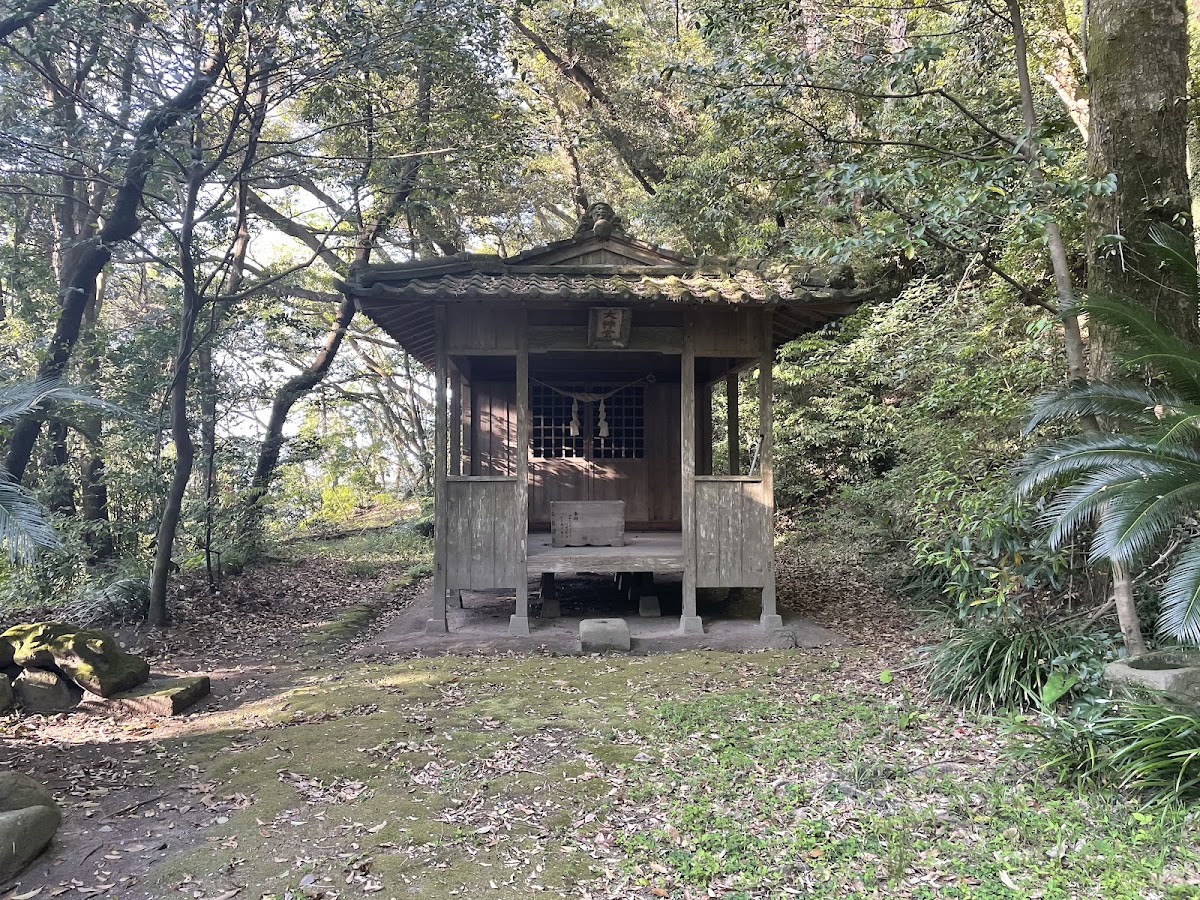
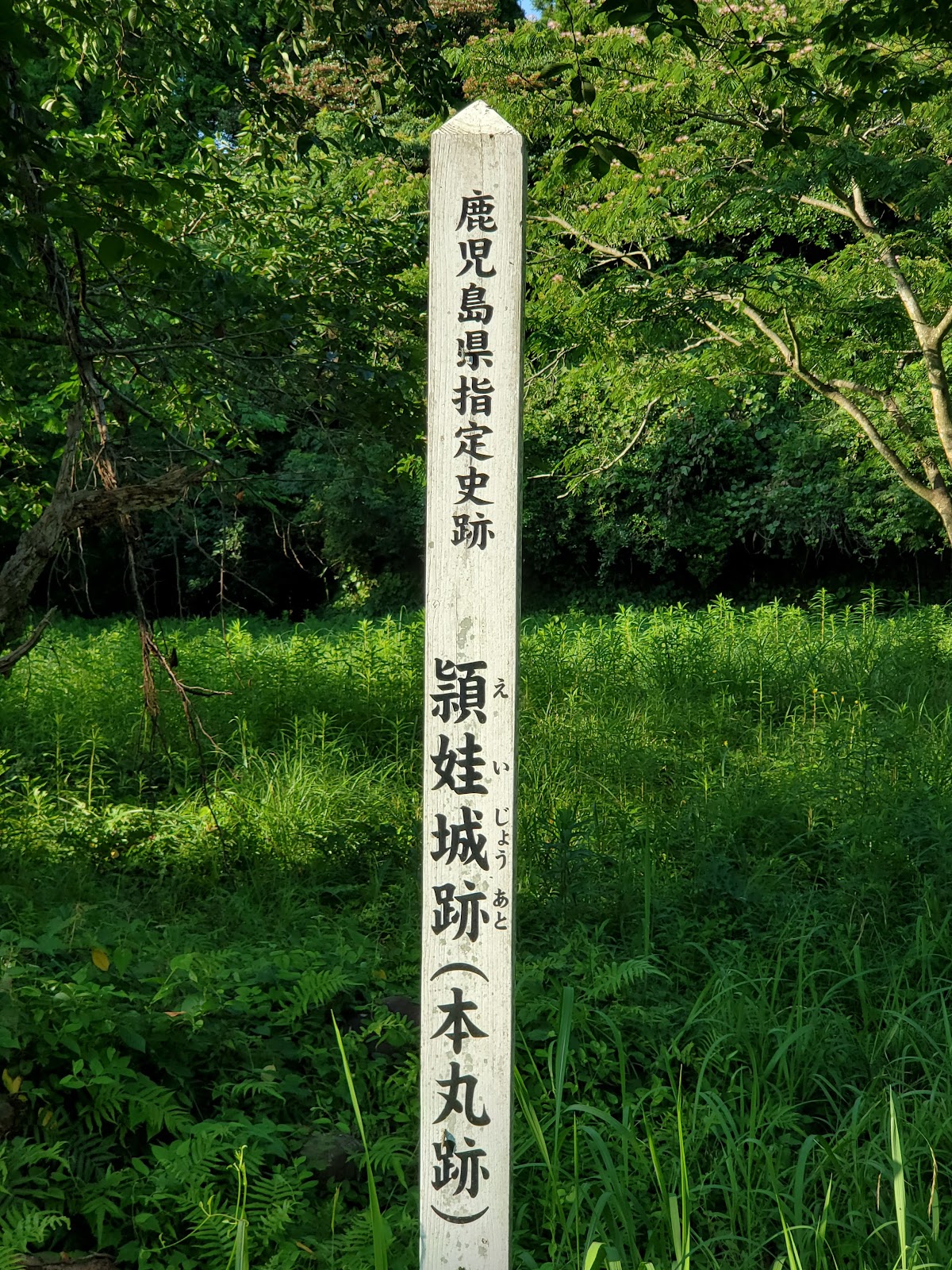
The Kyurei Castle ruins are currently a forest, and many of the remains are covered in vegetation. However, with careful observation, traces of the enclosure steps and earthworks can be seen. An information board is installed at the former Fumoto Fureai Plaza on the east side of the castle, where you can learn about the castle’s history and structure.
However, the climbing route is not clearly maintained, making it a difficult site to visit. Prior research and appropriate equipment are necessary before visiting.
Highlights and Notes on Kyuure Castle
Historical Value
The greatest highlight of Kyuure Castle lies in its historical value. Having witnessed the history of Satsuma for approximately 500 years, from the late Heian period to the early Edo period, this castle is a witness to history, encompassing the era of the Satsuma Taira clan, the rise of the Shimazu clan, the turmoil of the Sengoku period, and the peaceful Edo period.
In particular, the conquest by Shimazu Hisatoyo during the Oei era and the subsequent change of place name from “Kyuure” to “Kiire” are significant events in Satsuma history and are important points to consider when visiting this castle.
Medieval Satsuma Castle Structure
Kyuure Castle preserves the typical structure of a medieval Satsuma mountain castle. Satsuma castles developed uniquely, different from castles on the mainland, and the defensive structures built under the special geological conditions of the Shirasu plateau possess characteristics not found in other regions.
The arrangement of basic defensive structures such as baileys, earthworks, and moats reveals how medieval Satsuma samurai prepared for battle.
Relationship with the Foothills Settlement
When visiting Kiire Castle, it’s worth paying attention to the foothills settlement that formed below the castle. The samurai residences, formed under the Satsuma domain’s unique outer castle system, functioned as a central base for controlling the region, integrated with the castle.
Even today, Kiire-Fumoto retains traces of its past, such as the layout of the land and stone walls. Visiting both the castle and the foothills allows for a comprehensive understanding of Satsuma’s samurai society.
Surrounding Historical Environment
The area around Kiire Castle is dotted with historical sites that tell the story of Satsuma’s history. Nearby are medieval castles such as Chiran Castle and Kikkō Castle. Visiting these together allows for a comprehensive understanding of the castle network in Satsuma Province.
Access and Visiting Guide
Transportation Access
Public Transportation
- Get off at JR Ibusuki-Makurazaki Line “Kiire Station,” approximately 20 minutes on foot
- Get off at Kagoshima City Bus “Kiire” bus stop, approximately 15 minutes on foot
By Car
- Approximately 30 minutes from central Kagoshima City via National Route 226
- Parking: Parking spaces available around the former Fumoto Fureai Hiroba (limited number of spaces)
Notes for Visitors
Difficulty of Climbing the Castle
Kyure Castle is a castle ruin with a high difficulty level for climbing. Since there is no clearly defined climbing route, the following preparations are necessary for a visit:
- Long-sleeved shirt and long pants (for bushwhacking)
- Trekking shoes (non-slip shoes)
- Insect repellent spray
- Drinking water
- Map or GPS device
Visiting Time
Please allow 1-2 hours for visiting the castle ruins. If you wish to carefully observe the ruins, you will need even more time.
Optimal Visiting Time
The period from autumn to spring is relatively easy to visit. In summer, the vegetation is overgrown, making it difficult to confirm the ruins, and there are also many insects.
Information Boards and Guides
An information board about Kiire Castle is installed at the former Fumoto Fureai Plaza, where you can obtain basic information about the castle’s history and structure. However, there are few clear signs guiding you to the castle ruins, so it is recommended to check the location in advance using maps or materials.
Nearby Tourist Attractions
Kiire Fumoto Samurai Residences
Kiire Fumoto, which developed as a castle town of Kiire Castle, retains traces of samurai residences from the Satsuma Domain era. You can feel the atmosphere of Satsuma’s samurai society through the stone walls, hedges, and unique land divisions.
Chiran Castle Ruins
Chiran Castle, located about 30 minutes by car from Kiire Castle, was the residence of the Chiran clan, a powerful local family in Satsuma. Visiting this castle, which was active around the same time as Kyurei Castle, will deepen your understanding of medieval castles in Satsuma.
Historical Sites in Kagoshima City
In the central part of Kagoshima City, there are many historical sites that tell the story of Satsuma’s history, such as the ruins of Kagoshima Castle (Tsurumaru Castle), the residence of the Shimazu clan, and Shiroyama, the site of fierce battles during the Satsuma Rebellion. Visiting these historical sites in conjunction with Kyurei Castle will allow you to understand Satsuma’s history in a more comprehensive way.
Current Status and Materials of Kyurei Castle Research
Kyurei Castle in Historical Documents
Kyurei Castle is described in historical materials such as the “Sangoku Meisho Zue” (Illustrated Guide to Famous Places in the Three Provinces), compiled by Ijichi Sueyasu, who served as the record-keeper of the Satsuma Domain during the Edo period. These documents are important resources for studying the history of Kyurei Castle.
Archaeological Investigation
While no full-scale excavation has been conducted at the Kyurei Castle site, the structure of the medieval castle can be inferred from the remains remaining on the surface. Further detailed surveys and excavations are expected to reveal even more information.
Position in Local History
Kyurei Castle holds a significant position in local history as the central castle of Kyurei County in Satsuma Province. The provincial uprising during the Oei era and its conquest by Shimazu Hisatoyo were crucial events in the Shimazu clan’s process of unifying Satsuma, and Kyurei Castle was the historical site where these events took place.
Summary: Historical Significance of Kyurei Castle
Kyurei Castle is a medieval mountain castle that watched over the history of Satsuma for approximately 500 years, from the late Heian period to the early Edo period. Built during the time of the Satsuma Taira clan, it came under the control of the Shimazu clan during the Muromachi period and functioned as a central base in the region until its abandonment in the early Edo period, after the Sengoku period.
In particular, the conquest by Shimazu Hisatoyo in 1414 (Oei 21) and the subsequent change of place name from “Kyurei” to “Kiire” were significant turning points in Satsuma history and symbolize the historical value of Kyurei Castle.
Currently, the castle ruins retain remains such as baileys, earthworks, and moats, preserving the structure of medieval Satsuma castles. Although difficult to visit, it is a historical site well worth visiting for those interested in Satsuma history and enthusiasts of medieval castles.
By visiting Kyurei Castle, you can feel firsthand the flow of Satsuma history, from the era of the Satsuma Taira clan to the unification by the Shimazu clan and the peaceful Edo period. Standing on the castle ruins, imagine the figures of the samurai who once ruled this land and reflect on the history of Satsuma.