.png)
Dozaki Castle (Kagoshima Prefecture) Complete Guide: History and Highlights from the Nagashima Clan’s Residence to Shimazu Territory
What is Dozaki Castle?
Dozaki Castle is a medieval mountain castle located in Jokawauchi, Nagashima-cho, Izumi-gun, Kagoshima Prefecture. Built on a peninsula called Dozaki-bana, which juts out into the East China Sea, it also possesses the characteristics of a coastal castle, situated in a strategic location overlooking the sea.
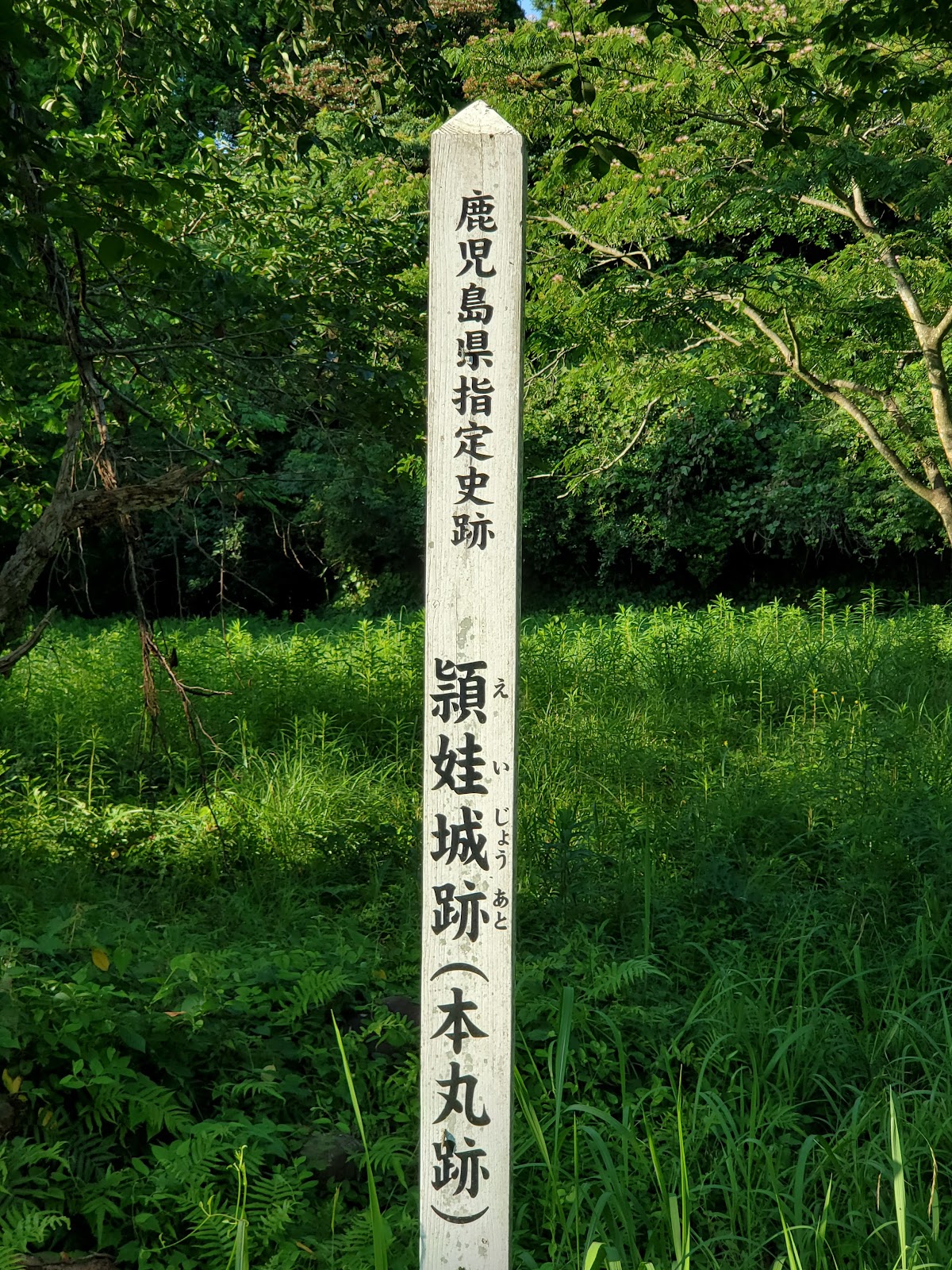
Even today, many place names related to the castle, such as “Gojo-nai,” “Enoki-no-maru,” “Uchibaba,” “Honbaba,” and “Kariya-no-ue,” remain around the castle ruins, conveying the presence of a formidable castle in this area. It is designated as a historical site of Kagoshima Prefecture and is an important cultural asset indispensable to understanding the history of Nagashima.
History of Dozaki Castle
Construction and Rule by the Nagashima Clan
The exact construction date of Dozaki Castle is unclear, but it is believed to have been built by the Nagashima clan, who ruled this area from the Kamakura period to the Nanboku-cho period. The Nagashima clan was a powerful naval force, one of the eight clans of Amakusa, and controlled maritime traffic in the East China Sea from their base in Nagashima.
The Nagashima clan used Dozaki Castle as their residence for generations, maintaining control of the surrounding sea area. The castle cleverly utilized the coastal terrain, strategically built to secure supply lines from the sea in response to attacks from land.
Turmoil of the Sengoku Period and the Expulsion of Nagashima Shizumasa
With the arrival of the Sengoku period, Dozaki Castle and the Nagashima clan faced a turbulent era. In 1554, Nagashima Shigezane, the lord of the castle at the time, was attacked by Sagara Haruhiro, a Sengoku daimyo of Higo Province, and driven out of Nagashima.
Nagashima Shigezane fled to Izumi to seek refuge with Shimazu Yoshitora, and waited for an opportunity to regain his lost territory. After the Sagara clan’s invasion, Amakusa Echizen-no-kami became the new lord of Dozaki Castle, and Nagashima was temporarily placed under the influence of Higo Province.
Conquest by the Shimazu Clan and Incorporation into Satsuma Province
In 1565, Shimazu Yoshitora dispatched an invading army to Nagashima, with his uncle, Shimazu Tadakane, as the commander. This military action was in response to a request from the exiled Nagashima Shizumasa, and simultaneously part of the Shimazu clan’s expansion of power.
The Shimazu army, led by Shimazu Tadakane, attacked Dozaki Castle and, after a fierce battle, captured it. Amakusa Echizen-no-kami was defeated, and Dozaki Castle fell into the hands of the Shimazu clan. As a result of this battle, Nagashima and Shishijima were incorporated into Satsuma Province from Higo Province (Amakusa Islands).
This territorial change continues to this day, and is the origin of the unique administrative division where, while most of the Amakusa Islands belong to Kumamoto Prefecture, only Nagashima and Shishijima belong to Kagoshima Prefecture.
Dozaki Castle as Shimazu Territory
After coming under Shimazu control, Dozaki Castle functioned as an important base for the Shimazu clan in the northern sea area. Due to its strategic location facing the East China Sea, it is believed to have played a role in monitoring and defending maritime traffic.
As the Satsuma Domain’s rule became established during the Edo period, it is presumed that Dozaki Castle gradually ceased to play a military role. The current castle ruins retain well-preserved remains from the medieval to early modern periods.
Structure and Layout of Dozaki Castle
A Coastal Castle Utilizing the Topography
Dozaki Castle was built on the hilly area of Dozaki Cape, which juts out into the East China Sea, at a relatively low elevation of approximately 29 meters. However, by skillfully utilizing the cliffs facing the sea and the natural terrain, it achieved a highly defensible fortress.
As a coastal castle, Dozaki Castle, surrounded by the sea on three sides, was difficult to attack from land. Furthermore, its design was suitable for siege warfare, as it allowed for securing supply lines from the sea.
Main Enclosure Site and Wakamiya Shrine
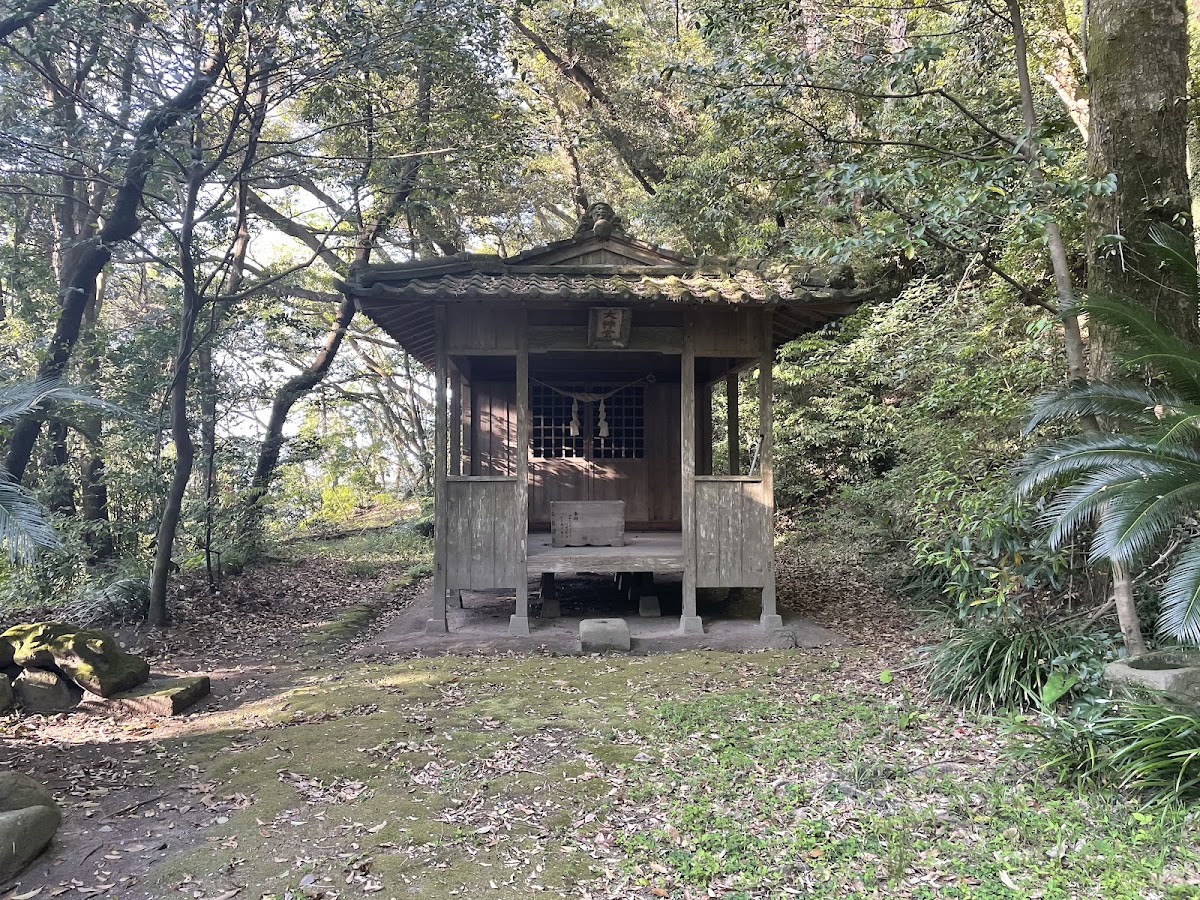
The main enclosure site, the central part of the castle, is currently home to Wakamiya Shrine. This shrine is believed to have been dedicated to the guardian deity of the castle, making it an important historical site demonstrating the connection between the castle and religious beliefs.
Around the main keep, traces of earthworks and flat baileys can be seen, allowing us to imagine the castle’s structure in its heyday. The approach to Wakamiya Shrine is presumed to have utilized the castle’s former main passageway.
Stone Steps and the Ascent Route
At the entrance to Dozaki Castle, there are stone steps believed to be from the original period. These steps are thought to have been built between the Sengoku period and the early Edo period, making them a valuable and rare structural element of Dozaki Castle.
The steps, though weathered, are solidly constructed, demonstrating the high level of stonemasonry skill of the time. By following the ascent route, you can experience the path taken by the castle lord and his retainers.
Arrangement of Baileys and Earthworks
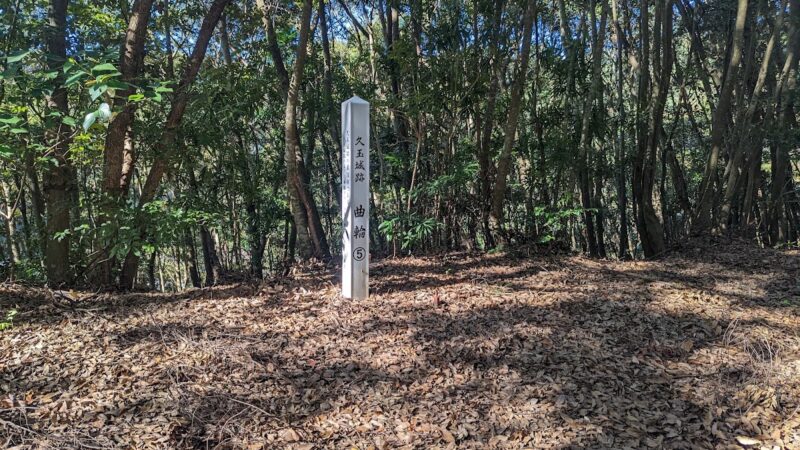
Within the castle grounds, multiple baileys are arranged in a stepped pattern, each separated by earthworks. The main enclosures retain names such as “Gojo-nai” (within the castle grounds) and “Enoki-no-maru” (Enoki-no-maru), suggesting that each had a different function.
Earthworks remain clearly visible in some places, built to a height of approximately 2-3 meters. These earthworks served not only as defensive structures but also as demarcation points within the enclosures.
Horse Training Grounds and Military Facilities
As the place names “Uchibaba” (inner horse training ground) and “Honbaba” (main horse training ground) indicate, the castle grounds included facilities for training horses and a plaza where samurai gathered. These facilities are thought to have functioned not only for peacetime training but also as a place to assemble troops during wartime.
The place name “Kariya-no-ue” (upper temporary building) suggests the possibility of temporary buildings or barracks being located there. These place names indicate that Dozaki Castle was not merely a defensive base, but a castle with complex military and administrative functions.
Highlights of Dozaki Castle
Original Stone Steps
One of the greatest highlights of Dozaki Castle is the original stone steps remaining at the entrance to the castle. The stone steps, having withstood centuries of wind and rain, exude a sense of history with each step. The texture of the moss-covered stones and their uneven yet calculated arrangement are valuable relics that convey the stonemasonry techniques of the Middle Ages.
When climbing the steps, we recommend taking your time and imagining the warriors of the Nagashima and Shimazu clans who once walked this path.
View from the Main Enclosure
Standing at the main enclosure, a magnificent view of the East China Sea unfolds before your eyes. On a clear day, you can see all the way to the horizon, giving you a real sense of how the former castle lords monitored maritime traffic from this spot.
The strategic importance of Dozaki Castle as a coastal castle is evident from this view. Its location, allowing for early detection of distant ships, made it an ideal base for maritime defense.
Remains of Earthworks and Enclosures
The earthworks remaining within the castle grounds are relatively well-preserved from their original form. The curves of the earthen ramparts, covered in vegetation, create a beautiful landscape where natural terrain and man-made structures blend seamlessly.
Walking through each enclosure allows you to understand the overall structure of the castle. In particular, the boundary between the main enclosure and the second enclosure clearly shows the difference in elevation and the arrangement of the earthen ramparts, making it an excellent learning resource for studying the layout of medieval castles.
Wakamiya Shrine
Wakamiya Shrine, located on the site of the main enclosure, is a shrine with a long history as the guardian deity of the castle. Though small, it is carefully maintained and attracts the faith of the local people.
From the shrine grounds, you can overlook the entire castle site, making it an interesting place to consider the relationship between the castle and faith. When visiting, why not reflect on the history of the castle?
Exploring Surrounding Place Names
The charm of Dozaki Castle lies not only in the castle ruins themselves, but also in the historical place names remaining in the surrounding area. By exploring the area while tracing place names such as “Gojo-nai,” “Enoki-no-maru,” “Uchibaba,” “Honbaba,” and “Kariyanoue,” you can truly experience the vastness of the former castle town.
Talking to locals may reveal legends and stories related to these place names, expanding the enjoyment of your historical exploration.
Access Information
Access by Public Transportation
To access Dozaki Castle using public transportation, first head to Izumi Station on the Hisatsu Orange Railway. From Izumi Station, it’s about a 50-minute drive, and direct access by public transport is difficult, so renting a car or taking a taxi is recommended.
To reach Nagashima Town, take National Route 328 from Izumi Station, cross the Kuro-no-Seto Bridge, and enter Nagashima Island. Once on the island, follow the signs towards the Shirokawauchi area.
Access by Car
Access by car is the most convenient. It can be accessed in about 50 minutes from the Izumi Interchange on the Kyushu Expressway, or about 40 minutes from the Akune Interchange on the Minami-Kyushu West Bypass Expressway.
Cross the Kuro-no-Seto Bridge to Nagashima Island, then take the prefectural road to the Shiokawauchi area. There are small parking spaces around the castle ruins, but the number of spaces is limited, so caution is advised during busy times.
Parking Information
There are a few parking spaces near the entrance to the Dozaki Castle ruins. Some areas are unpaved, so caution is advised in rainy weather. Visiting by large vehicles is difficult, so we recommend visiting by passenger car.
Notes for Visitors
The Dozaki Castle ruins are preserved as a historical site, but it is not a facility that is constantly managed. Visiting is free, but please note the following points:
- There are steps and uneven ground on the path to the castle and within the castle grounds, so we recommend wearing comfortable shoes.
- In summer, the vegetation can be overgrown, making it difficult to see your footing.
- Bringing insect repellent will make your visit more comfortable.
- Please be careful not to damage the ruins in order to protect the historical site.
- Please take all your trash with you.
Nearby Tourist Attractions
Highlights of Nagashima Town
When visiting Dozaki Castle, we recommend also visiting other tourist attractions in Nagashima Town. Nagashima Town is known for its rich nature and fresh seafood, and is particularly known for its thriving yellowtail farming.
At “Michi-no-Eki Nagashima” (Nagashima Roadside Station), you can purchase local specialties and fresh seafood, and enjoy the flavors of Nagashima at the restaurants. The Nagashima Art Museum also features exhibits on the region’s history and culture.
Kuro-no-Seto Bridge
The Kuro-no-Seto Bridge, connecting Nagashima to the mainland, spans the Kuro-no-Seto Strait, one of Japan’s three major tidal currents. You can enjoy the powerful scenery of the area, where strong currents sometimes create whirlpools.
There are also observation points around the bridge where you can admire the magnificent view of the strait. Why not stop by on your way to or from Dozaki Castle?
Sightseeing in Izumi City
Izumi City, which serves as a base for accessing Dozaki Castle, is home to a wintering ground for cranes designated as a special natural monument of Japan. Every year from October to March, more than 10,000 cranes migrate here, creating a spectacular sight.
Furthermore, the Izumi Fumoto Samurai Residences are a valuable historical site that conveys the outer castle system of the Satsuma Domain, and you can stroll through the beautiful streets lined with samurai residences.
Historical Significance of Dozaki Castle and Nagashima Island
Border between the Amakusa Islands and Satsuma
An important point to consider when thinking about the historical significance of Dozaki Castle is that it was located in the border region between Higo Province and Satsuma Province. Geographically, Nagashima is part of the Amakusa Islands, but after its conquest by the Shimazu clan, it held a unique position as part of Satsuma Province.
This territorial change was not merely the result of a military victory, but also reflected the power struggles between Sengoku-era daimyo over control of sea routes. The battle for Dozaki Castle marked a historical turning point in the struggle for control of the sea area off the western coast of Kyushu.
Value as a Maritime Castle
Dozaki Castle, as a maritime castle that took advantage of its location facing the sea, is a valuable example for studying the relationship between maritime traffic and military affairs in the medieval period. The fact that the Nagashima clan possessed naval power as one of the eight Amakusa clans indicates that this castle played an important role as a base for maritime defense.
Marine castles facing the open sea of the East China Sea are limited in number in Kyushu, and Dozaki Castle is an important historical site with relatively well-preserved remains.
Symbol of Regional Identity
For modern-day Nagashima Town, Dozaki Castle symbolizes the region’s history and identity. Dozaki Castle is remembered by the local people as the site of a historical event that gave rise to the unique administrative division of the Amakusa Islands, being the only one belonging to Kagoshima Prefecture.
Preservation efforts for the castle ruins and the transmission of its history are continued by the local community, and it is also used as important material for local history education.
The Value of Visiting Dozaki Castle
Unlike famous castles with large stone walls and keeps, Dozaki Castle is a historical site that preserves the appearance of a simple medieval mountain castle. However, its historical value is by no means small.
As the residence of the Nagashima clan, one of the eight clans of Amakusa, a historical site that demonstrates the expansion of the Shimazu clan’s power, and the stage for a historical event that changed the border between Higo Province and Satsuma Province, Dozaki Castle holds many historical significances.
Through the views overlooking the East China Sea, the remains of the stone steps and earthworks from that time, and the place names remaining in the surrounding area that reveal the castle’s past, you can experience the drama of history that unfolded on the western coast of Kyushu during the Sengoku period.
When touring castles in Kagoshima Prefecture or sightseeing in Nagashima Town, be sure to visit Dozaki Castle and trace the footsteps of history etched into this land. Standing in the quiet castle ruins and gazing at the sea while reflecting on history will surely be an unforgettable experience.