Kikkōjō Castle (Kagoshima Prefecture, Minamikyushu City) Complete Guide: History and Highlights of the Outpost of Chiran, Also Known as Ninajiri Castle
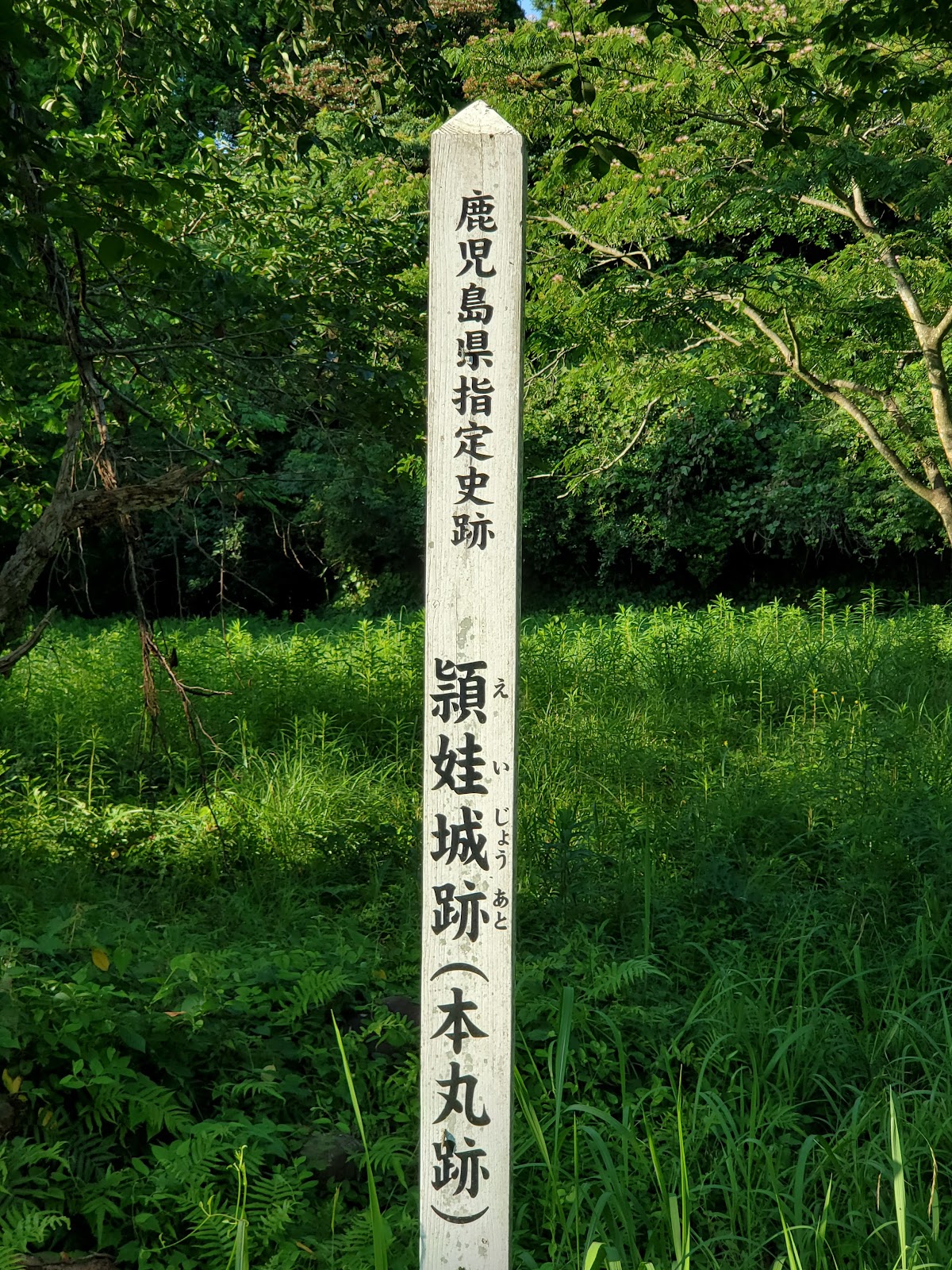
Kikkōjō Castle, located in Chiran-chō, Minamikyushu City, Kagoshima Prefecture, is a valuable mountain castle site that conveys the history of medieval Satsuma. It served as an outpost of Chiran Castle, responsible for eastern defense, and is now preserved as a city-designated historical site. This castle site, also known as “Ninajiri Castle” due to its unique spiral shape, retains many traces of a medieval castle, including dry moats, earthworks, and well remains.
Overview and Basic Information of Kikkōjō Castle
Kikkōjō Castle was a mountain castle built on the eastern side of the foot of Chiran, playing an important role as a subsidiary castle of Chiran Castle. The castle grounds measured approximately 250 meters east-west and 120 meters north-south, functioning as a defensive facility that skillfully utilized the hilly terrain.
Currently, the site is maintained as Kikkōjō Park, serving as a place of relaxation for local residents while preserving the remains of a medieval castle in excellent condition. It is also designated as a constituent cultural property of the Japan Heritage site “The Town Where Satsuma Samurai Lived – Walking Through the Samurai Residences of ‘Fumoto’,” making it an indispensable historical site for understanding the samurai culture of the Satsuma Domain.
Location and Jurisdiction
- Location: Gujō-gunjō, Chiran-chō, Minamikyushu City, Kagoshima Prefecture
- Designation Classification: Minamikyushu City Designated Historic Site
- Management: Cultural Properties Division, Minamikyushu City Board of Education
- Alternate Name: Ninajiri-jō
History of Kikkōjō: The Eastern Fortress Protecting Chiran Castle
Background and Period of Construction
The exact construction date of Kikkōjō is unclear due to a lack of historical records. However, given its function as an outpost of Chiran Castle, it is believed to have been built at the same time as or shortly thereafter. Chiran Castle is believed to have been built between the late Heian period and the Kamakura period, and it is highly probable that Kikkō Castle was also developed during this period as part of the defense network.
Relationship with Chiran Castle
Chiran Castle was an important strategic fortress in the southern part of the Satsuma Peninsula, and Kikkō Castle was positioned as an outpost responsible for the defense of its eastern side. Built on a small hill on the eastern side of Chiran Fumoto, this castle was located in a strategic spot facing the Fumoto River and is thought to have played a role in vigilance and defense against invasions from the east.
Working in conjunction with the main castle, Chiran Castle, it functioned as an important base that constituted the defense network of the entire region. Such a network of outposts is a characteristic defense system of medieval castles in Satsuma, and Kikkō Castle is a typical example.
Changes during the Satsuma Domain Era
In 1610 (Keichō 15), when the Satsuma Domain developed Chiran Fumoto and the samurai residences, the role of the castle as a military base gradually changed. During the Edo period, the castle lost its function as a practical fortress and remained as a historical symbol of the Chiran foothills.
Under the Satsuma Domain’s unique “Tojo System” (outer castle system), Chiran was positioned as one of the important outer castles, and a group of samurai residences were developed. Kikkō Castle is located at the eastern edge of this samurai settlement, retaining traces of its former defensive position while becoming part of the region’s historical landscape.
Origin of “Ninajiri Castle”: The Secret of its Unique Spiral Topography
The reason Kikkō Castle is also called “Ninajiri Castle” lies in its unique topography. The castle ruins are spiral-shaped, resembling the snail shell (nina), hence the alternative name.
Characteristics of the Spiral Topography
The ridges of the hills are arranged in a spiral pattern, and defensive facilities were skillfully constructed utilizing this natural topography. When the enemy attacked, this spiral terrain restricted their path, giving the defenders a significant advantage.
This use of terrain demonstrates the high level of castle-building technology in medieval mountain castles, showing ingenuity in constructing effective defensive structures with limited manpower. The spiral terrain, resembling a conch shell, remains a distinctive feature that can still be felt when visiting the castle ruins today.
Meaning of the Name “Kikko”
On the other hand, there are several theories about the origin of the name “Kikko.” Some theories suggest it refers to a strong defense like a turtle’s shell, while others suggest the terrain resembles the pattern of a turtle’s shell. In any case, it undoubtedly represents the character of a strong defensive structure.
Structure and Layout of Kikko Castle
Size and Layout of the Castle Area
The castle area of Kikko Castle extends approximately 250 meters east-west and 120 meters north-south. The castle’s baileys (kuruma) were strategically placed along the ridges of the hills, with dry moats and earthen ramparts strategically positioned to block the ridges.
At the summit, there was a flat area believed to be the main bailey, from which multiple baileys were arranged along the spiraling ridge. This arrangement created a multi-layered defensive structure that prevented enemy incursions in stages.
Characteristics of Defensive Structures
Dry Moats
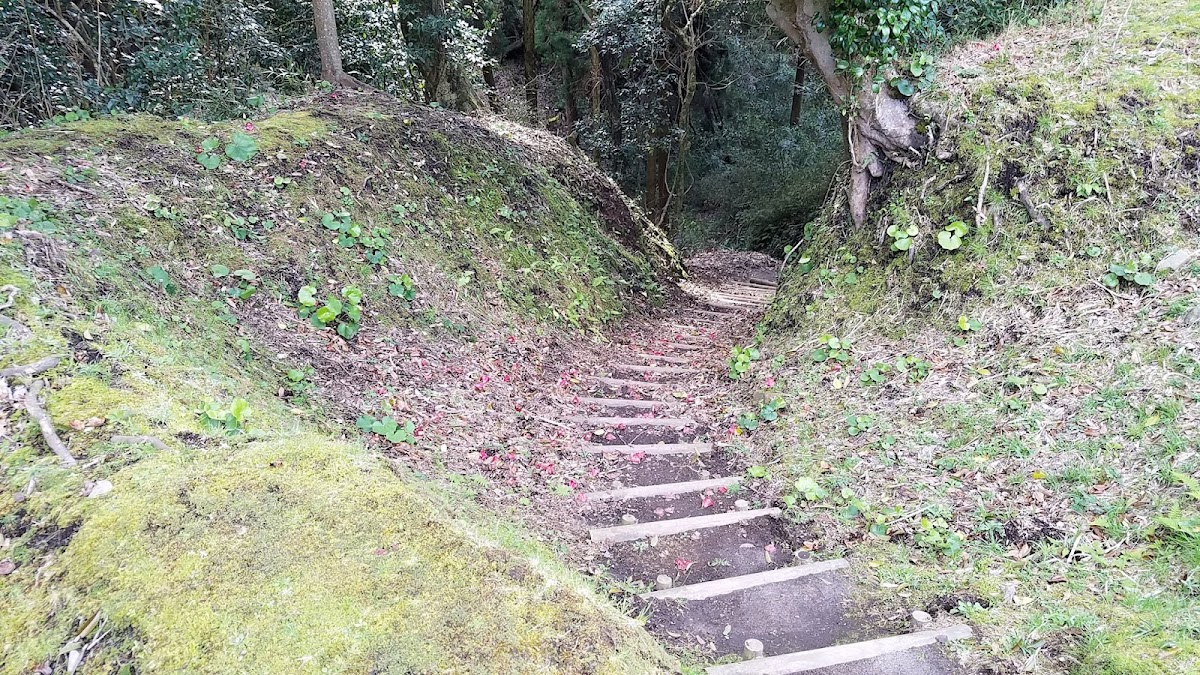
The most prominent defensive feature of Kikkō Castle is the dry moat. Digged to block the ridges, the dry moat served as a crucial defensive line, physically preventing enemy entry. The clearly surviving remains of the dry moat are valuable resources for understanding the defensive techniques of medieval castles.
The dry moat was not simply a trench; the excavated soil was piled up to form earthen ramparts, creating a higher level of defensive effectiveness. This combination of dry moats and earthen ramparts is a common feature found in medieval mountain castles of Satsuma.
Earthen Embankments
The earthen embankments, which functioned in conjunction with the dry moat, are also an important structure of Kikkō Castle. Built by piling up earth, these embankments not only served as walls to prevent enemy intrusion, but it is also believed that by constructing fences or walls on top of them, they formed an even higher defensive wall.
The remaining traces of the earthen embankments allow us to infer the scale and structure of the former castle. The height and arrangement of the embankments provide important clues to the castle-building techniques and defensive strategies of the time.
Well Remains
Well remains have also been confirmed within the castle grounds, indicating that securing a water source during sieges was considered. Securing water was one of the most important issues for mountain castles, and the presence of wells indicates a planned construction that anticipated long-term defense.
The well remains are also valuable relics for understanding the daily life aspects of the castle, making us realize that it was not merely a military facility, but a place where people actually lived and fortified their defenses.
Location in relation to Fumotogawa River
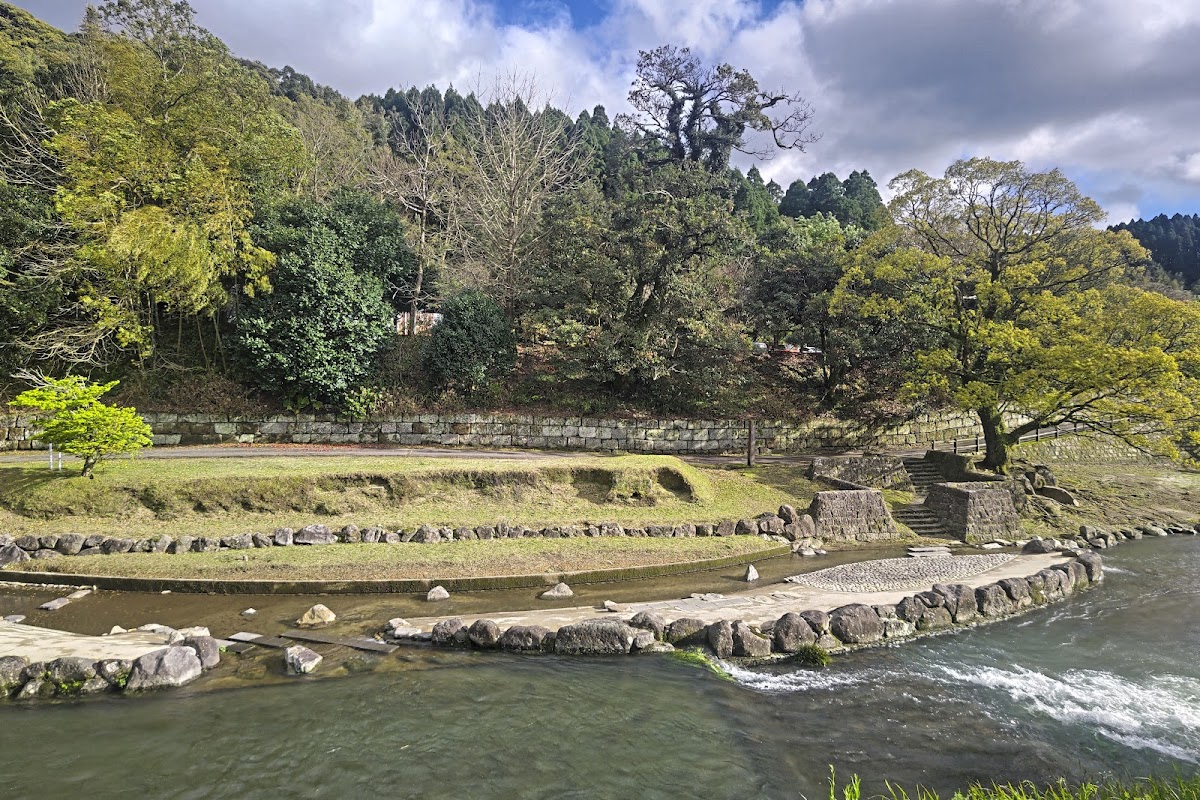
Kikkō Castle was built on a hill overlooking the Fumotogawa River, with the river serving as a natural moat. A walking path leads from near Yabitsubashi Bridge to the castle ruins, suggesting this bridge was the main approach route to the castle.
The location, which makes maximum use of the natural terrain of the river and hills, is a typical characteristic of medieval mountain castles, demonstrating the ingenuity of constructing effective defensive structures with limited manpower.
Highlights of Kikkō Castle: Experiencing a Medieval Castle Firsthand
Preservation of the Remains
While Kikkō Castle ruins have been developed into a park, the remains of the medieval castle are well-preserved. Visitors can actually see the main remains, such as dry moats, earthworks, and well remains, allowing them to imagine the castle’s appearance at the time.
In particular, the depth of the dry moats and the height of the earthworks offer a sense of scale that can only be truly appreciated by visiting the site, providing a valuable opportunity to experience the reality of medieval defensive structures.
Views and Scenery
From the mountaintop, you can enjoy a panoramic view of the town at the foot of Chiran, experiencing the view from the former castle. The view from Kikkō Castle, which functioned as an eastern defensive base, is a crucial element in understanding its strategic location.
By overlooking the samurai residences of Chiran and the surrounding terrain, you can visually understand the relationship between the castle and the foothills, and the layout of the defensive network.
Walking Trails and the Joy of Strolling
A walking trail extends from Yabitsu Bridge to the mountaintop, allowing for easy exploration of the castle ruins. Walking along the trail, you can sequentially view the spiral terrain and various remains, gaining a three-dimensional understanding of the castle’s structure.
As it is developed as a park, it can be enjoyed not only for historical exploration but also for nature walks and light hiking.
Integrated Visit with Chiran Samurai Residences
Kikkō Castle ruins are adjacent to the Chiran Samurai Residences, and visiting both together allows for a deeper understanding of Satsuma’s samurai culture. The unique charm of Chiran lies in the opportunity to experience the heritage of different eras—a medieval castle and Edo-period samurai residences—simultaneously.
After visiting the beautiful gardens and stone walls of the samurai residences, a visit to the Kikkō Castle ruins allows you to learn about both the lifestyle and defense of the Satsuma samurai.
Access Information: How to get to Kikkō Castle
Access by Public Transportation
Using Trains and Buses
- Get off at JR Kagoshima Main Line “Kagoshima-Chuo Station”
- Take a Kagoshima Kotsu bus (bound for Chiran)
- Get off at the “Buke Yashiki Iriguchi” (Samurai Residence Entrance) bus stop
- From the bus stop, it’s about a 5-10 minute walk to the Kikkō Castle ruins.
Buses from Kagoshima-Chuo Station run regularly and are the main means of access for sightseeing in Chiran. The bus journey takes approximately 1 hour.
Access by Car
Via Ibusuki Toll Road
- Approximately 9 minutes from the Chiran Interchange on the Ibusuki Toll Road
- After exiting the Chiran Interchange, take the prefectural road towards Chiran Fumoto
- Parking is available near the samurai residences
From Kagoshima City
- Head south on National Route 226 from Kagoshima City
- Travel time: Approximately 40-50 minutes
- Parking is available at the Chiran Samurai Residences
Parking Information
Free parking is available near the Chiran Samurai Residences, and you can access the Kikkō Castle ruins on foot from there. It can get crowded during peak tourist season, so we recommend visiting with plenty of time to spare.
Route to the Castle from Yabitsu Bridge
A walking trail is maintained near the Yabitsu Bridge over the Fumoto River to the Kikkō Castle ruins. Using this trail, you can climb to the summit relatively easily.
While the walking path is well-maintained, it is still a mountain trail, so comfortable shoes are recommended. The climb takes approximately 10-15 minutes.
Nearby Tourist Attractions: Enjoying Chiran
Chiran Samurai Residences
Located within walking distance of the Kikkō Castle ruins, the Chiran Samurai Residences are a valuable townscape designated as a National Important Preservation District for Groups of Traditional Buildings. Edo-period samurai residences are well-preserved, with beautiful gardens and stone walls being highlights.
Seven gardens are open to the public, each offering a unique Japanese garden experience. A must-see spot to experience the samurai culture of Satsuma.
Chiran Peace Museum for Kamikaze Pilots
This facility tells the history of the Kamikaze pilots at the end of the Pacific War and is a popular destination for many visitors to Chiran. It is an important facility where you can learn about the tragedy of war and the preciousness of peace.
Chiran Castle Ruins
The Chiran Castle ruins, the main castle of Kikkō Castle, are also open for viewing. Larger-scale mountain castle remains remain, making it an important historical site for understanding medieval Satsuma castles. Visiting it together with Kikkō Castle will give you a deeper understanding of the relationship between the main castle and its subsidiary castles.
Chiran Museum
This facility comprehensively introduces the history and culture of Chiran, and exhibits materials related to Kikkō Castle and Chiran Castle. Visiting before or after visiting the castle ruins will provide a deeper understanding.
Points to Note and Recommended Time to Visit
Clothing and Equipment
Since Kikkō Castle is a mountain castle, the following equipment is recommended:
- Comfortable walking shoes (sneakers or light hiking boots)
- Comfortable clothing
- Hat, drinking water, and insect repellent in summer
- Warm clothing in winter
Recommended Time to Visit
Spring (March-May)
The weather is mild and ideal for strolling. It is the season of fresh greenery, and the nature around the castle ruins is beautiful.
Autumn (October-November)
This is the season for autumn foliage, and the gardens of the Chiran Samurai Residences are also beautiful, making it ideal for integrated sightseeing. The temperature is pleasant, making it suitable for long strolls.
Summer Precautions
Summers in Kagoshima are extremely hot, posing a risk of heatstroke. Visiting in the early morning or evening is recommended.
Winter Attractions
There are relatively few tourists, allowing for a quiet visit to the historical sites. However, sunset is earlier, so careful time management is necessary.
Estimated Time Required
- Visiting only the Kikkō Castle Ruins: 30 minutes to 1 hour
- Visiting the Chiran Samurai Residences and Kikkō Castle Ruins together: 2 to 3 hours
- Visiting the Chiran Peace Museum for Kamikaze Pilots: Half a day to a full day
Kikkō Castle and the Japan Heritage Site “The Town Where Satsuma Samurai Lived”
The Kikkō Castle Ruins are one of the cultural properties that make up the Japan Heritage Site “The Town Where Satsuma Samurai Lived – Walking Through the Samurai Residences of ‘Fumoto’,” which was certified in 2015.
Value as a Japan Heritage Site
This Japan Heritage Site recognizes the historical value of “Fumoto,” a samurai settlement formed by the unique “Outer Castle System” of the Satsuma Domain. The Kikkō Castle Ruins, as a castle ruin that played a role as a defensive base in Fumoto, are an important component of the story.
A major characteristic of Chiran is that you can experience the historical flow from medieval castles to Edo-period samurai residences all in one area. The Kikkō Castle ruins hold a significant position as the starting point of its history.
Satsuma’s Outer Castle System and Fumoto
The Satsuma Domain divided its territory into 113 “outer castles” (tojō), employing a unique governing system that concentrated samurai in each. Chiran was one of these, and a samurai settlement called “fumoto” (foot of the mountain) was formed.
Kikkō Castle served as a defensive stronghold protecting the eastern side of this fumoto, playing a crucial role in regional security. With its designation as a Japan Heritage site, the value of this unique Satsuma samurai culture is becoming more widely recognized.
Preservation and Utilization of the Kikkō Castle Ruins
Protection as a City-Designated Historic Site
The Kikkō Castle ruins are legally protected as a designated historic site of Minamikyushu City, and the remains are preserved and properly managed. Regular surveys and maintenance by the Cultural Properties Division ensure that these valuable medieval castle remains are passed down to future generations.
Development as a Park
To balance the preservation of the historical site with its use as a place of recreation for the community, the Kikkō Castle ruins have been developed as a park. The installation of walking paths and information boards creates an environment where visitors can safely and comfortably view the historical site.
Educational Use and Local Learning
Local elementary and junior high schools use the Kikkō Castle ruins as teaching material for local learning. By actually visiting the castle ruins and learning about local history, children are fostering a love for their hometown and improving their awareness of cultural property preservation.
The Significance of Visiting Kikkō Castle: Experiencing the Spirit of Medieval Satsuma
Visiting the Kikkō Castle ruins is not simply about seeing the remains of an old castle. This place encapsulates the history of Satsuma from the medieval to the early modern period.
Understanding the Reality of Medieval Mountain Castles
The remains such as dry moats, earthworks, and well sites teach us about the reality of medieval castles that cannot be fully understood from textbooks and documents alone. By actually standing on the site and experiencing the terrain, you can truly appreciate the castle-building techniques and defense strategies of the people of that time. ### The Layered History of Chiran
Chiran, where medieval castle ruins and Edo-period samurai residences coexist, is a rare place where you can experience the layered history that transcends time. Starting from the Kikkō Castle ruins, you can trace the long flow of Chiran’s history.
Experiencing the Spirit of the Satsuma Samurai
The castle built on a harsh terrain, the well-calculated defensive facilities, and the beautifully maintained samurai residences—these all tell the story of the honesty, diligence, and aesthetic sense of the Satsuma samurai. By visiting the Kikkō Castle ruins, you can touch upon the spirit of the Satsuma samurai.
Summary: Visit the Kikkō Castle Ruins and Experience the History of Satsuma
The Kikkō Castle ruins, located in Chiran-cho, Minamikyushu City, Kagoshima Prefecture, are a medieval mountain castle that served as an outpost of Chiran Castle, responsible for the defense of the eastern side. Kameko Castle, also known as “Ninashiri Castle,” is a valuable historical site with many attractions, including its unique spiral topography, well-preserved remains such as dry moats and earthworks, and its historical connection to the Chiran Samurai Residences.
Protected as a cultural property of the Japan Heritage site “The Town Where Satsuma Samurai Lived” and a city-designated historical site, the Kameko Castle ruins are a beloved local park. Accessible by bus from Kagoshima Chuo Station, it’s an easy place to visit as part of a Chiran sightseeing trip.
Walking through the medieval castle ruins, experiencing the defense system of the time, and tracing the history of Satsuma’s samurai culture—Kimeko Castle ruins offer such a valuable experience. When visiting Chiran, be sure to visit Kameko Castle ruins along with the samurai residences to experience the depth and richness of Satsuma’s history.
Climbing the walking path from Yabitsu Bridge, enjoying the view from the summit, and touching the medieval remains—this experience will surely reveal a new facet of Satsuma’s history.