Complete Guide to Ichiuji Castle (Kagoshima Prefecture): The Strategic Location in Satsuma Province Where Shimazu Takahisa and Xavier Met
Overview of Ichiuji Castle
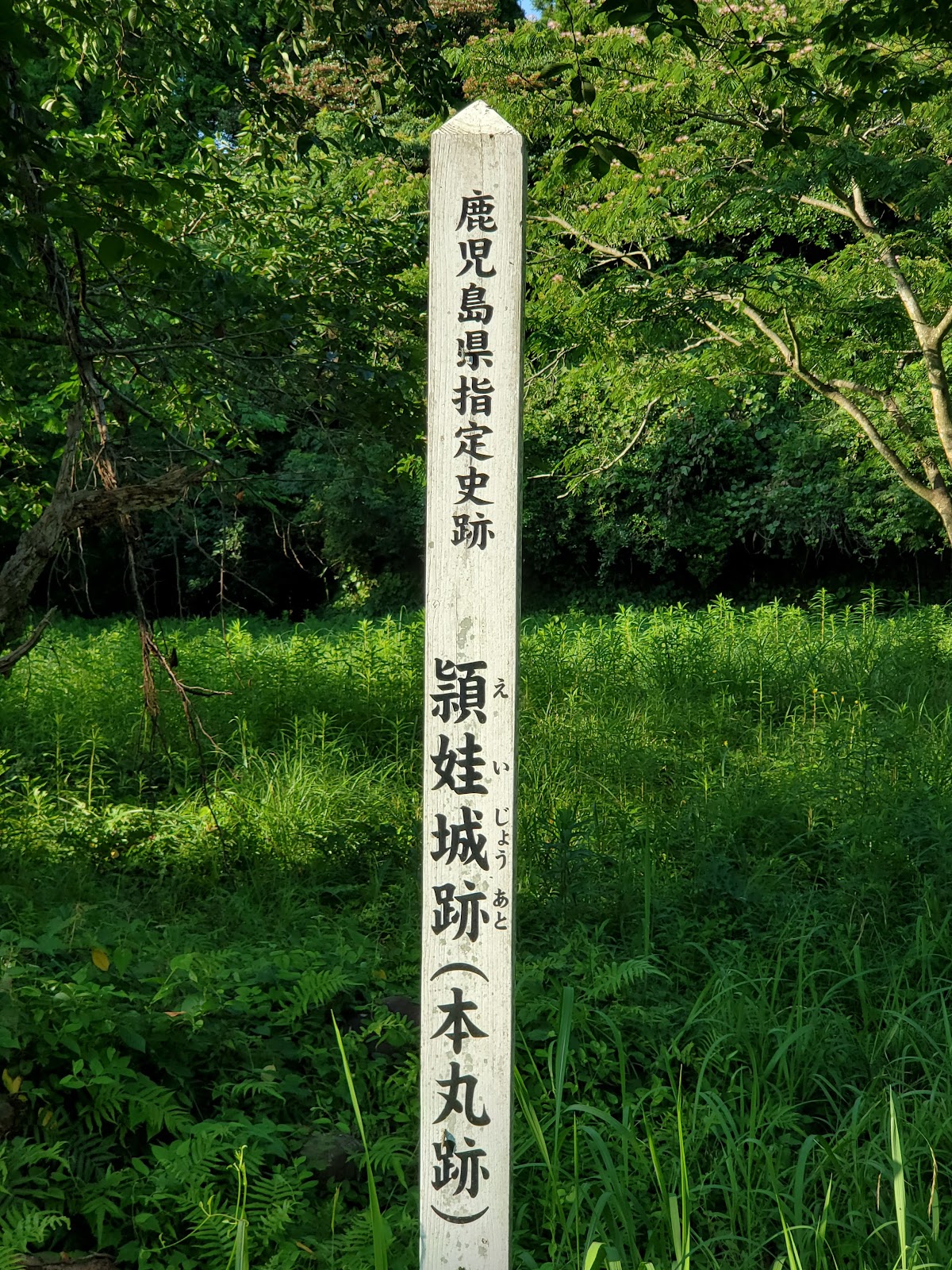
Ichiuji Castle is a medieval Japanese mountain castle located in Ota, Ijuin-cho, Hioki City, Kagoshima Prefecture. Built skillfully utilizing a natural mountain approximately 144 meters above sea level, this castle is known as an important military base in Satsuma Province and an indispensable historical site in the history of the Shimazu clan.
The castle measured approximately 600 meters east-west and 650 meters north-south, and was a large-scale mountain castle with approximately 40 baileys (kuruma) of varying sizes. The Kaminokawa River, flowing east of the castle, served as a natural moat, creating a defensive structure that maximized the use of the natural terrain. It is truly a castle with a location worthy of being called a “natural fortress.”
Currently, the site is maintained as Shiroyama Park, a place of relaxation for citizens, but the remaining structures throughout the site allow us to imagine its magnificent former glory.
History of Ichijoji Castle
Kamakura Period to Nanboku-cho Period: The Era of the Ijuin Clan
The construction of Ichijoji Castle dates back to the Kamakura period. It is said that Kishiro Tokikiyo (Ijuin Tokikiyo), the Ijuin district magistrate, was the first lord of the castle. The Ijuin clan built their own power base in Satsuma Province and ruled this area for a long time.
During the Nanboku-cho period, Ijuin Tadakuni played an active role on the Southern Court side, fighting from Ichijoji Castle. During this period, the castle played a politically and militarily important role, becoming one of the centers of Southern Court power in Satsuma Province.
Tenbun Era: As the Residence of Shimazu Takahisa
Ichijoji Castle makes a major appearance on the historical stage during the Tenbun era (1532-1555). Shimazu Takahisa, the 15th head of the Shimazu clan, moved his base from Isaku Castle to Ichijoji Castle around 1537.
Takahisa used Ichijoji Castle as his base to advance his unification of Satsuma Province, and resided there for approximately 13 years. During this period, Ichijoji Castle functioned as the political and military center of the Shimazu clan and played a crucial role in the history of Satsuma Province.
A Historic Meeting with Francis Xavier
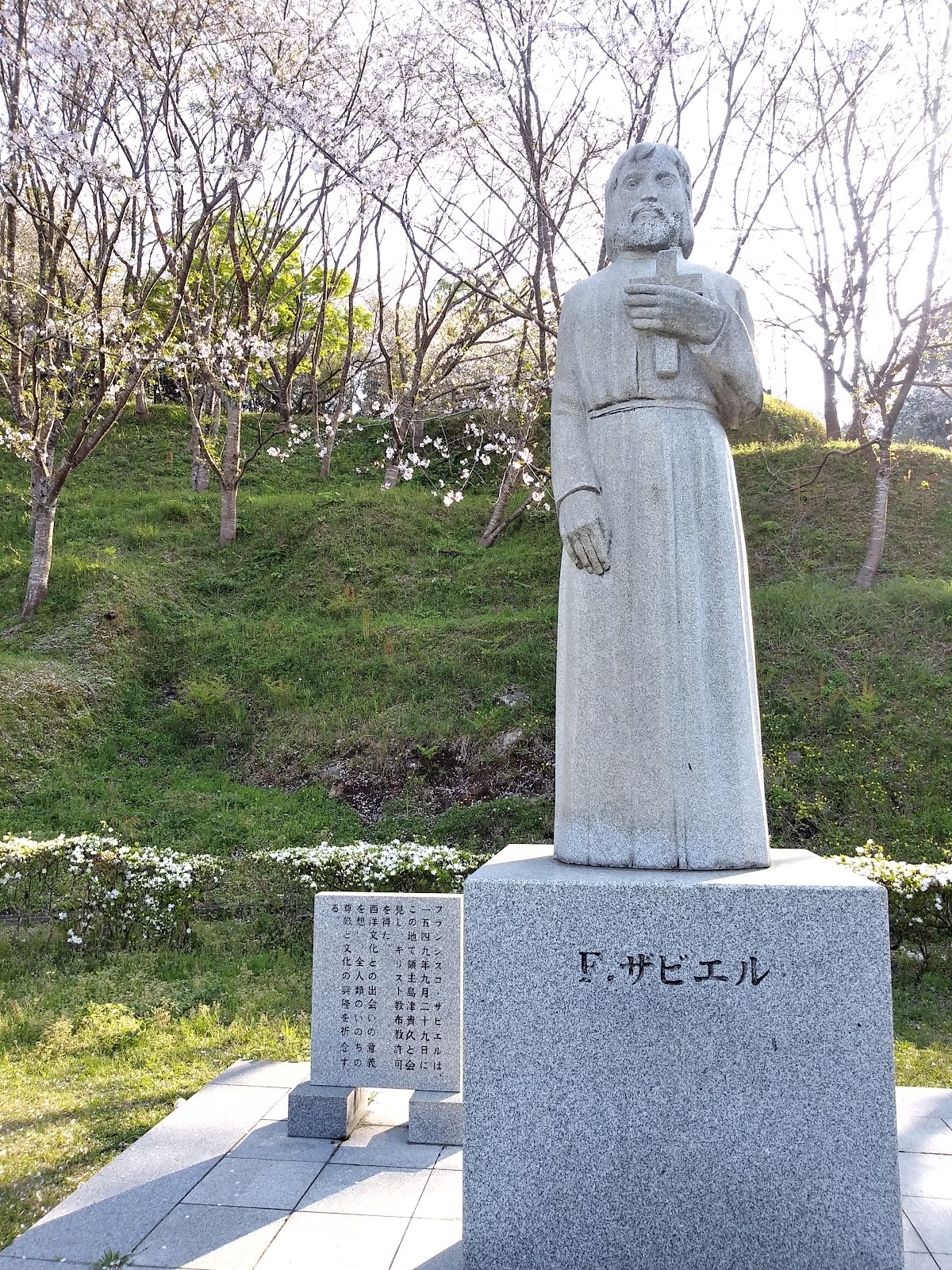
An indispensable event when discussing Ichijoji Castle is a historical event that occurred in September 1549 (Tenbun 18). Francis Xavier, known for introducing Christianity to Japan, met Shimazu Takahisa at Ichijoji Castle.
Xavier had an audience with Takahisa and requested permission to spread Christianity in Satsuma Province. Takahisa granted this permission, marking a significant turning point in the spread of Christianity in Japan. This meeting is recorded as an event of extremely important significance in the religious and cultural history of Japan.
Ichijoji Castle was not merely a military facility, but a historical site that also served as a stage for international cultural exchange.
Relocation to Uchijo and Abandonment
In 1550 (Tenbun 19), Shimazu Takahisa relocated his residence to Uchijo in Kagoshima City. This marked the end of Ichijoji Castle’s role as the Shimazu clan’s main base.
Although Ichijoji Castle was used as a subsidiary castle for a period, its military importance gradually declined, and it was eventually abandoned. However, the castle’s remains were well-preserved and remain to this day as a valuable historical site that tells the history of Satsuma Province.
Structure and Remains of Ichijoji Castle
Layout and Arrangement of Enclosures
Ichijoji Castle is a mountain castle with a skillfully designed layout (castle design) centered on the mountaintop at an altitude of 144 meters. Approximately 40 enclosures of varying sizes are arranged in stages, each organically connected while maintaining defensive functions.
The main enclosures are named as follows:
- Nakao Enclosure: One of the castle’s central enclosures
- Shinmei Castle: A key defensive enclosure
- Tsurube Castle: An enclosure in a strategically important location
- Yumiba Castle: An enclosure believed to have been used as an archery training ground, as its name suggests
- Gomasho: A place where religious ceremonies may have taken place
- Minami Castle: An enclosure protecting the south side of the castle
- Kamihira Castle: A flat enclosure located on high ground
These enclosures are cleverly positioned to utilize the terrain and effectively prevent enemy incursions.
Defensive Structures and Earthworks
The defensive structures of Ichijoji Castle made maximum use of the natural terrain. The Kaminokawa River, flowing to the east, functioned as a natural moat, limiting access to the castle.
Earthworks were built around each enclosure, and parts of them can still be seen today. Earthen ramparts not only protected the castle from enemy arrows and firearms, but also had a psychological intimidating effect.
The steep terrain characteristic of mountain castles was also utilized for defense, making it easy to imagine that it was an extremely difficult castle to conquer.
Relationship with Isaku Castle and Shinmei Castle
Ichijoji Castle, along with the surrounding Isaku Castle and Shinmei Castle, formed a defense network for Satsuma Province. It is thought that Shimazu Takahisa moved his base from Isaku Castle to Ichijoji Castle because of its more strategically advantageous location.
These castles were visible to each other and could communicate using signal fires. Such a network of castles was a typical defense system for medieval mountain castles.
Current Status and Highlights of Ichijoji Castle
Development as Shiroyama Park
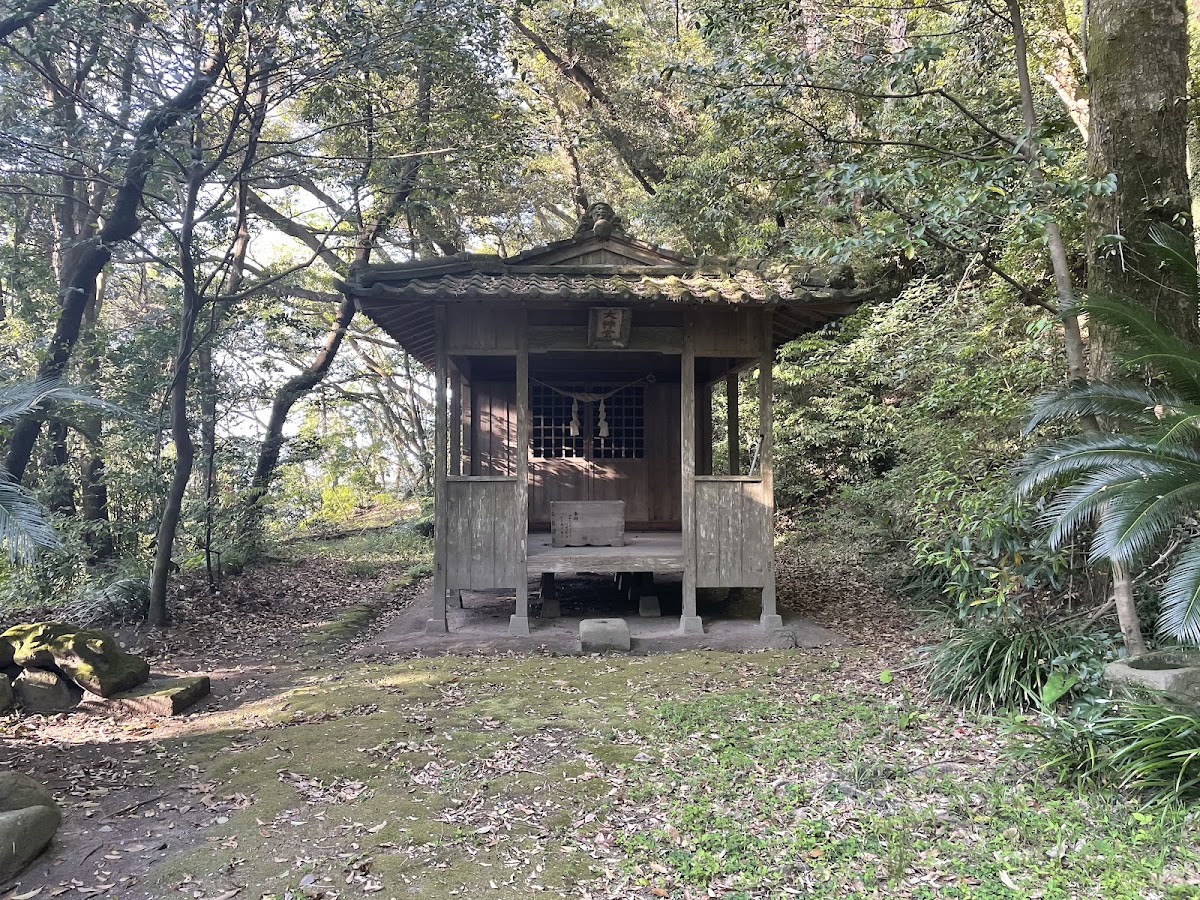
Currently, the Ichijoji Castle ruins have been developed into Shiroyama Park, a place of relaxation for the citizens of Hioki. Walking paths have been built within the park, allowing visitors to easily stroll through the castle ruins.
In spring, it is known as a famous cherry blossom viewing spot and is bustling with many flower viewers. The view of Sakurajima and Kagoshima city from the castle ruins is spectacular and delights visitors.
Remaining Structures
Even now, several hundred years after its abandonment, many remains of Ichijoji Castle remain.
Kuruwa (Enclosure) Remains: Flat enclosure remains can be seen in various places, giving a sense of the castle’s former scale. The main enclosures, in particular, are preserved in relatively good condition.
Earthworks: In some enclosures, the traces of earthworks remain clearly visible, providing valuable information for learning about the structure of medieval mountain castles.
Moats and Vertical Moats: Traces of moats cutting across ridges and vertical moats descending slopes can be seen, demonstrating the ingenuity of the defensive structures.
Stone Walls: Traces of stone walls remain in some areas, providing clues to understanding the castle’s structure.
Access and Visiting Information
Access to Ichijoji Castle Ruins (Shiroyama Park) is relatively easy. It’s about a 10-minute drive or a 30-minute walk from JR Ijuin Station. Parking is available, making it convenient to visit by car.
You can freely explore the park, and there is no entrance fee. However, due to the undulating terrain typical of mountain castles, comfortable walking shoes are recommended.
From the castle ruins, you can enjoy a panoramic view of Kagoshima city and Sakurajima, and on clear days, you can even see Mount Kaimon. This view is one of Ichijoji Castle’s major attractions.
Historical Significance of Ichijoji Castle
As a Base for the Unification of Satsuma Province
Ichijoji Castle played a crucial role in Shimazu Takahisa’s unification of Satsuma Province. Using this castle as a base, Takahisa subjugated the surrounding local lords and expanded the Shimazu clan’s power.
Although it was a relatively short period of about 13 years, the foundation built during this time led to the later development of the Shimazu clan. In that sense, Ichijoji Castle can be said to be a turning point in the history of the Shimazu clan.
As a Stage for International Exchange
The historical event of the encounter with Francis Xavier elevated Ichijoji Castle from a mere regional mountain castle to an important stage in Japanese history.
This event meant that Satsuma Province played a crucial role in the early stages of Christian missionary work in Japan. Later, many Christians emerged from Satsuma, and it also functioned as a gateway for trade with the West.
Without the encounter at Ichijoji Castle, the history of Christianity in Japan, and consequently the history of cultural exchange between Japan and the West, might have been different.
Important Historical Material for Medieval Mountain Castle Research
Ichijoji Castle is a valuable historical site for the study of medieval mountain castles. It possesses typical characteristics of medieval mountain castles, such as a large group of baileys, a layout that utilizes the natural terrain, and diverse defensive facilities.
Excavations and research have revealed castle construction techniques in medieval Satsuma and the lifestyles of the time. These research findings contribute to the overall study of Japanese castle history.
Nearby Historical Sites and Sightseeing
Historical Walks in Ijuin Town
Ijuin Town in Hioki City, where Ichijoji Castle is located, has many other historical sights.
Ijuin Clan Related Historical Sites: Numerous historical sites related to the Ijuin clan are scattered throughout the area, allowing you to experience the medieval history of this region.
Tokushige Shrine: A shrine associated with the Shimazu family, with historical buildings remaining.
Ancient Battlefield Sites: The surrounding area contains sites that were the stage of various battles, allowing you to learn about Satsuma during the Sengoku period.
Shimazu Clan Related Historical Sites in Kagoshima Prefecture
If you visit Ichijoji Castle, we recommend visiting other Shimazu clan related historical sites in Kagoshima Prefecture.
Kagoshima Castle (Tsurumaru Castle): The final residence of the Shimazu clan, now a museum called the Reimeikan.
Sengan-en Garden (Iso Garden): A former villa of the Shimazu family, offering beautiful gardens and views of Sakurajima volcano.
Chiran Castle Ruins: One of Satsuma’s important branch castles, a well-preserved mountain castle.
Visiting these sites will allow you to gain a deeper understanding of the Shimazu clan’s history.
Points to Note When Visiting Ichijoji Castle
Best Time to Visit
Ichijoji Castle Ruins can be visited year-round, but there are particularly recommended times.
Spring (Late March to Early April): Cherry blossom season, and Shiroyama Park is known as a famous cherry blossom viewing spot. You can enjoy strolling through the castle ruins while admiring the blossoms.
Autumn (October to November): The weather is mild, making it ideal for strolling. You can also enjoy the autumn foliage, and the views from the castle ruins are magnificent.
Winter (December to February): Fewer tourists, allowing you to carefully observe the remains. The clear air and expansive views are also a major draw. ### Estimated Visiting Time
Please allow the following times for your visit to the Ichijoji Castle Ruins:
- Short Stroll: 30 minutes to 1 hour
- In-depth Visit: 1 hour 30 minutes to 2 hours
- Photography and Detailed Observation: 2 hours to 3 hours
The castle ruins are vast, so visiting all the baileys will take considerable time. It’s efficient to decide which points you want to see beforehand.
Useful Items to Bring
- Comfortable Walking Shoes: Essential due to the undulating terrain unique to mountain castles.
- Drinks: Hydration is especially important in summer.
- Hat and Sunscreen: There are few places to find shade.
- Insect Repellent: Insects can be numerous depending on the season.
- Camera: For photographing scenic views and historical remains.
- Maps and Guidebooks: Helpful for understanding the layout of the baileys.
Summary
Ichijoji Castle is a medieval mountain castle located in Ota, Ijuin-cho, Hioki City, Kagoshima Prefecture. It was an important base in Satsuma Province, passed down from the Ijuin clan to the Shimazu clan. Built on a mountain 144 meters above sea level, this large castle complex boasted approximately 40 baileys of varying sizes and functioned as a natural stronghold, skillfully utilizing the natural terrain.
Especially during the Tenbun era (around 1537-1550), it became the residence of Shimazu Takahisa and played a crucial role as a base for the unification of Satsuma Province. In 1549, the castle was the site of a historic event where Francis Xavier met with Takahisa and received permission to spread Christianity.
Currently, the site is maintained as Shiroyama Park, and the remains of the baileys, earthworks, and moats are well-preserved. The panoramic views of Sakurajima and Kagoshima city are magnificent, making it a popular spot for historical walks and enjoying nature.
Ichijoji Castle is an indispensable historical site for understanding the history of the Shimazu clan, and it holds significant importance in the history of Japanese castles and the introduction of Christianity to Japan. It is definitely a historical spot you should visit when you come to Kagoshima.