Complete Guide to Izumi Castle (Kamegajo): A Thorough Explanation of the History of the Satsuma Shimazu Family’s Base and the Izumi Fumoto Samurai Residences
Located in Fumoto-cho, Izumi City, Kagoshima Prefecture, Izumi Castle is a mountain castle that flourished from the medieval to the early modern period as an important base in Satsuma Province. Also known as “Kamegajo,” “Izumijo,” and “Hanamigajo,” it is a historically significant castle that served as the base for seven generations of the Satsuma Shimazu family (Satsuma branch), a branch of the Shimazu clan. While the castle mountain itself is currently off-limits, the Izumi Fumoto samurai residences spreading across the foothills are designated as a National Important Preservation District for Groups of Traditional Buildings, preserving the atmosphere of the past.
History of Izumi Castle: From the Kenkyu Era to the Edo Period
Castle Construction and Early History
There are various theories regarding the construction date of Izumi Castle, but the most widely accepted theory is that it was built by Izumi Kaneyasu during the Kenkyu era (1190-1199). This period was immediately after the establishment of the Kamakura Shogunate, and the influence of the samurai government began to extend to southern Kyushu.
The castle’s location was strategically crucial, being close to the border with Higo Province (present-day Kumamoto Prefecture), and functioning as a vital point to defend against invasions from the north. Because the shape of the mountain resembles a turtle, it was given the nickname “Kamegajo” (Turtle Castle), and has been cherished by the local people.
The Establishment of the Satsuma Shimazu Family and Izumi Castle
The most important turning point in the history of Izumi Castle occurred in 1453. Shimazu Yorihisa, the younger brother of Shimazu Tadakuni, the 9th head of the Shimazu clan, established the Satsuma Shimazu family and made Izumi Castle its base.
Shimazu Yorihisa called himself Satsuma no Kami (Governor of Satsuma), and thus the family came to be known as the “Satsuma family,” governing northern Satsuma Province as an independent force separate from the main Shimazu family. The Shimazu family of Satsuma Province, founded by Yōkyū, the second son of Hisatoyo, the 8th head of the main Shimazu family, maintained its power base at Izumi Castle for seven generations.
Successive heads of the Shimazu family of Satsuma Province used Izumi Castle as their residence while developing and governing the surrounding area, transforming Izumi into the political, economic, and military center of northern Satsuma Province. It played a particularly important role in defending the border with Higo Province and was indispensable to the main Shimazu family.
Izumi Castle and the Fumoto System in the Edo Period
With the arrival of the Edo period, the character of Izumi Castle changed significantly. Due to the Tokugawa shogunate’s “One Castle Per Province” decree, each domain was generally only allowed to possess one castle. However, the Satsuma domain succeeded in maintaining multiple military bases by establishing its own “Fumoto System.”
Izumi Fumoto was one of the important bases under the Satsuma domain’s Tojō (outer castle) system, where a group of samurai residences were developed under the pretext of establishing a magistrate’s office. Ostensibly an administrative body, it constantly maintained preparations so that Izumi Castle on Shiroyama could be used as a last resort in times of emergency.
Izumi Fumoto was the largest of the Fumoto areas within the Satsuma domain, with approximately 150 samurai residences neatly arranged. Each section was surrounded by stone walls and hedges, each functioning as a small enclosure or fort. This structure allowed the entire Fumoto area to function as one large defensive facility.
Structure and Characteristics of Izumi Castle: A Typical Southern Kyushu Castle
Izumi Castle as a Mountain Castle
Izumi Castle is a mountain castle with a typical Southern Kyushu castle structure. Shiroyama is approximately 100 meters above sea level and built on a relatively low hill, but it occupies a strategic location overlooking the surrounding plains.
The castle’s layout consists of multiple enclosures centered around the mountaintop, demarcated by earthworks and dry moats. Stone walls are rarely used; the defenses primarily consist of earthworks and defensive structures that utilize the natural terrain. This is a common characteristic of mountain castles in southern Kyushu, and is thought to be influenced by the difficulty in obtaining building materials and the unique geological conditions of the Shirasu plateau.
Remains and Archaeological Excavations
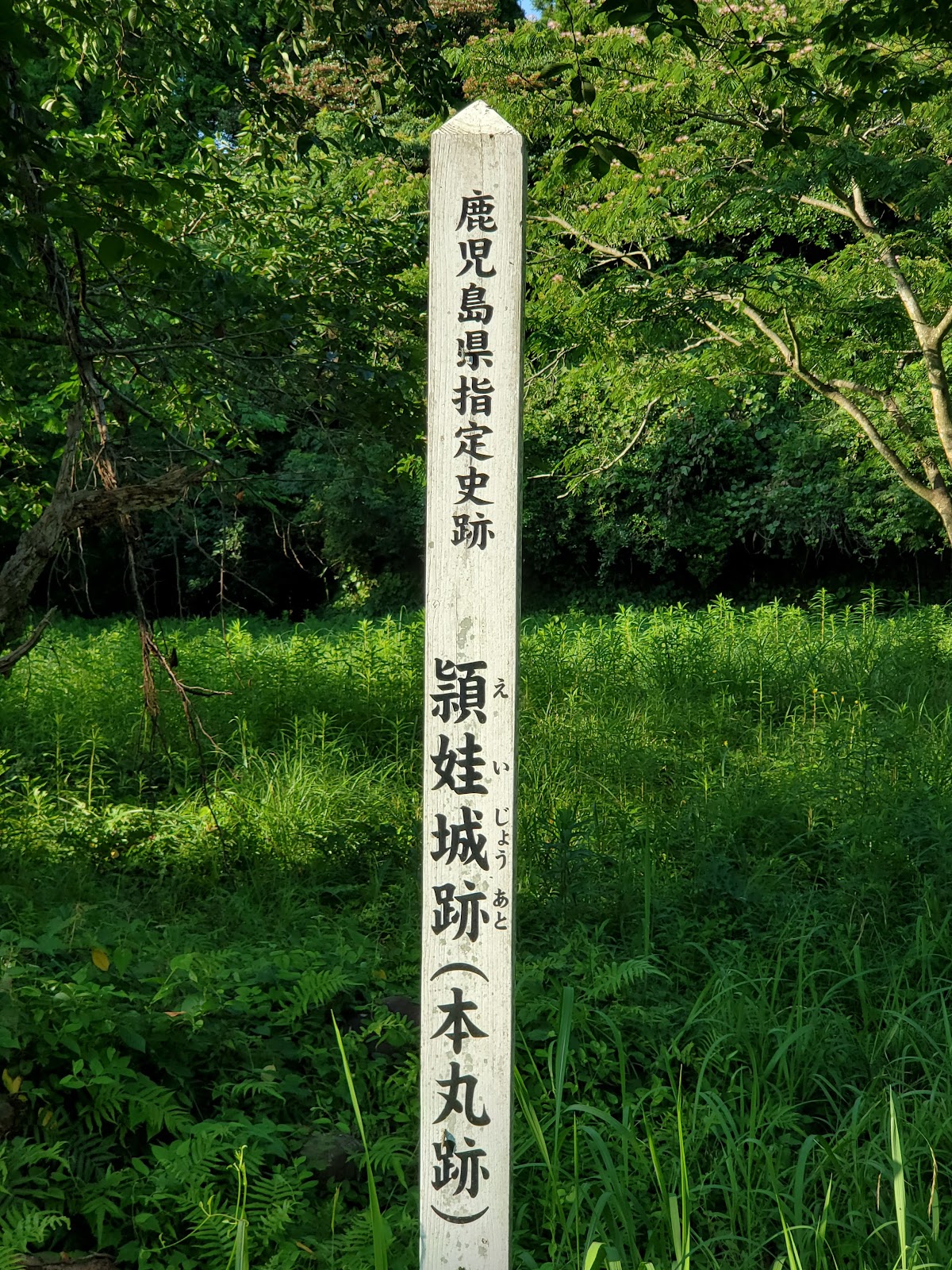
At the current Izumi Castle site, the remains of earthworks and dry moats are well-preserved. Of particular note is the discovery of a large number of roof tiles, which are rarely found in other parts of the prefecture. These tiles are unusual for a medieval mountain castle, indicating that Izumi Castle was not merely a military facility, but a residence of a certain status.
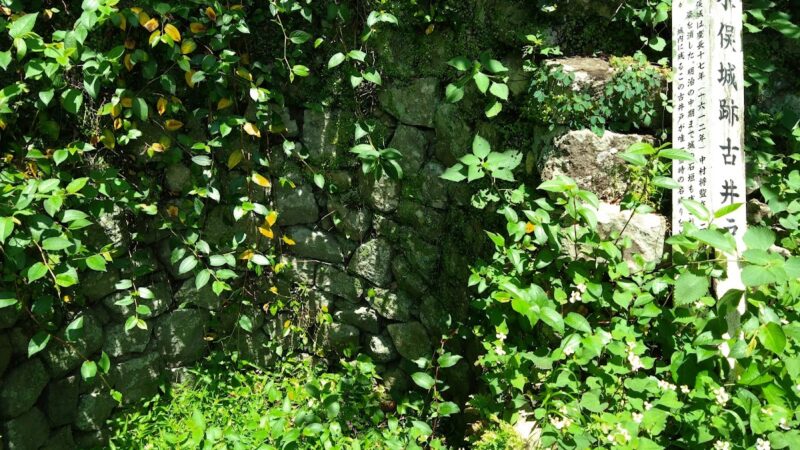
Archaeological excavations have confirmed the remains of buildings and wells, revealing evidence that the lord and his retainers actually resided there. However, many mysteries remain about Izumi Castle, and further research is anticipated.
Defense System of Izumi Fumoto
During the Edo period, Izumi Fumoto was not simply a cluster of samurai residences, but a highly planned defense system. The residences were arranged in a grid pattern, and each section was managed in units called “kumi.”
Each residence was surrounded by stone walls or hedges and equipped with a gate, making it an independent defensive unit. The main roads were not straight but intentionally curved to slow down enemy advances. Furthermore, temporary offices (government offices) were strategically placed to function as command posts in times of emergency.
The current Izumi Elementary School is located on the site of the former temporary office at Izumi-fumoto, and the temporary gate still exists. This gate is preserved as a valuable historical structure that conveys the architectural style of the Edo period.
Highlights and Current Status of Izumi Castle
Current Status of the Castle Hill
The main castle hill of Izumi Castle is currently off-limits for safety reasons. While general access is restricted for forest management and preservation of the remains, it is possible to view the castle from the foot of the hill.
The reasons for the restricted access include the steep terrain, the risk of falling trees, and the need to protect the remains. However, Izumi City regularly holds events such as the “Izumi Castle Exploration Tour,” which sometimes provides opportunities to tour the castle ruins under the guidance of experts.
Izumi Fumoto Samurai Residences: Important Preservation District for Groups of Traditional Buildings
The biggest highlight when visiting Izumi Castle is the Izumi Fumoto Samurai Residences spread across the foothills. Designated as a National Important Preservation District for Groups of Traditional Buildings in 1988, approximately 44 hectares are preserved.
At the samurai residences, you can enjoy the scenery of residences neatly lined up, surrounded by stone walls and hedges. In particular, the Saisho Residence is open to the public and is a valuable facility where you can learn about the lifestyle of Satsuma samurai in detail.
The Saisho Residence is a late Edo period building, and the main house, annex, and storehouses are preserved as they were. The garden is also beautifully maintained, allowing you to feel the atmosphere of each season. Inside, samurai furnishings and daily life items are on display, making it a must-see spot for history buffs.
Kariya Gate and Izumi Elementary School
Within the grounds of Izumi Elementary School, the Kariya Gate of Izumi Fumoto still stands. This gate was used as the main gate of the magistrate’s office during the Edo period and is a symbolic structure of the Satsuma Domain’s outer castle system.
The Kariya Gate possesses a unique Satsuma architectural style and embodies the simple yet robust samurai culture. While there are restrictions on viewing due to its location within school grounds, it is possible to view the exterior.
Izumi Castle and Japan Heritage
Izumi Fumoto, including Izumi Castle, has been designated a Japan Heritage site as “The Town Where Satsuma Samurai Lived – Walking Through the Samurai Residences of Fumoto.” This designation recognizes the unique outer castle system of the Satsuma Domain and the cultural value of Fumoto.
With the Japan Heritage designation, the historical value of Izumi Fumoto has become nationally recognized, and development as a tourist resource is progressing. Izumi City regularly holds historical events and samurai residence guided tours, providing visitors with opportunities to gain a deeper understanding of the history of Izumi Castle.
Castle Stamp and Souvenir
As a memento of your visit to Izumi Castle, the NPO Izumi Fumoto Townscape Preservation Association is distributing free castle stamps called “Jōkakufu” (castle stamps). These stamps feature the castle’s nickname, “Kamegajo” (Turtle Castle), and are designed with the Shimazu family crest, “Maru ni Jū no Ji” (a circle with a cross inside).
Castle stamps have become increasingly popular in recent years due to the castle boom, and are collected by castle enthusiasts across Japan. The Izumi Castle stamp is distributed free of charge, a rare practice that demonstrates a welcoming spirit towards visitors.
Access and Visit Information
Location and Access
Location: Fumoto-cho, Izumi City, Kagoshima Prefecture
Access by Public Transportation:
- Approximately 15 minutes on foot from Izumi Station on the Hisatsu Orange Railway
- Approximately 15 minutes on foot from Izumi Station on the JR Kyushu Shinkansen
- Approximately 5 minutes by taxi from Izumi Station
Access by Car:
- Approximately 10 minutes from Izumi IC on the Minami Kyushu West Bypass Expressway
- Parking: Tourist parking available near the Izumi Fumoto Samurai Residences
Visiting Hours and Fees
Izumi Fumoto Samurai Residences: Open at all times (exterior only)
Saisho Residence:
- Opening Hours: 9:00 AM – 5:00 PM
- Closed: Mondays (or the following day if Monday is a public holiday), New Year holidays
- Admission Fee: Adults 200 yen, Elementary and Junior High School Students 100 yen
Izumi Castle Mountain Main Building: Entry Prohibited (Except during special events)
Points to Note When Visiting
- Entry to Shiroyama (Castle Hill) is Prohibited: For safety reasons, entry to Shiroyama without permission is prohibited.
- Samurai Residences are Private Property: Except for facilities open to the public, all other areas are private property. Please refrain from entering the premises without permission.
- Photography: Exterior photography is permitted, but please be considerate of the residents’ privacy.
- Guided Tours: For a deeper understanding, we recommend using the guided tours offered by the Izumi City Tourism Association.
Nearby Tourist Attractions
Izumi City Crane Observation Center
Izumi City is famous as a wintering ground for cranes, a national special natural monument. Every year from October to March, over 10,000 cranes migrate here, allowing visitors to observe them. Combined with a visit to Izumi Castle, you can enjoy both nature and history.
Hakozaki Hachiman Shrine
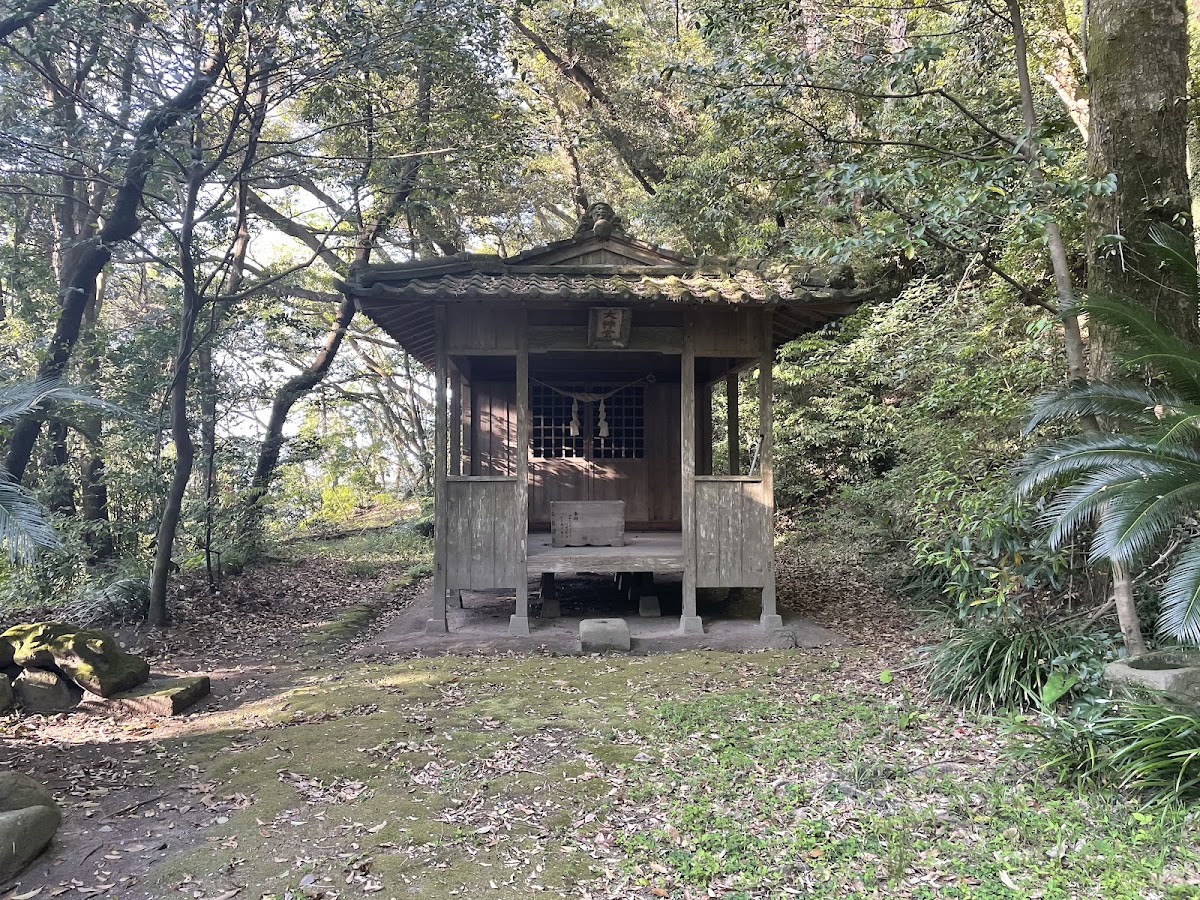
Located near Izumi Fumoto, Hakozaki Hachiman Shrine is a historic shrine revered by the Shimazu family of Satsuma Province. The shrine grounds are home to centuries-old trees, creating a tranquil atmosphere.
Izumi City Historical and Folk Museum
For those who wish to learn more about Izumi’s history, a visit to the Izumi City Historical and Folk Museum is recommended. It features exhibits on Izumi Castle, the Shimazu family of Satsuma Province, and the history of Izumi Fumoto, allowing for a deeper understanding.
Cultural Significance of Izumi Castle
Symbol of the Satsuma Domain’s Outer Castle System
Izumi Castle and Izumi Fumoto are crucial examples for understanding the unique outer castle system of the Satsuma Domain. The wisdom and strategy of the Satsuma Domain, which effectively circumvented the shogunate’s “One Castle Per Province” decree through clever system design, are embodied in this place.
The Outer Castle System was one of the factors that allowed the Satsuma Domain to maintain its powerful military strength until the end of the Edo period, and it formed the basis for the Satsuma Domain’s leading role in the Meiji Restoration. Izumi-Fumoto holds high historical value as the largest example of this system.
Preservation of Samurai Culture
The samurai residences in Izumi-Fumoto are a valuable cultural asset that conveys the samurai culture of the Edo period. The landscape created by stone walls and hedges, the layout of the residences, and the architectural style preserve a culture that combines the aesthetic sense and practicality of the Satsuma samurai.
Designated as an Important Preservation District for Groups of Traditional Buildings, this valuable cultural heritage will be passed on to future generations. It is noteworthy that the area balances the daily lives of residents with the protection of cultural properties, functioning as a “living cultural heritage.”
Current Status and Challenges of Izumi Castle Research
Many mysteries remain unsolved regarding Izumi Castle. In particular, there are many unknowns regarding the castle structure during the medieval period and the detailed history during the Shimazu family era of Satsuma, due to a lack of historical materials. Recent archaeological excavations have yielded new discoveries, such as the unearthing of valuable roof tiles, but a comprehensive academic survey of the entire castle mountain has not yet been fully conducted. It is hoped that combining archaeological research with historical document studies will further clarify the true nature of Izumi Castle.
Izumi City is working to re-evaluate the historical value of Izumi Castle and promote its appropriate preservation and utilization. Events such as the “Izumi Castle Exploration Group” raise citizens’ historical awareness and provide a platform for researchers and local residents to cooperate and share the castle’s value.
Summary: The Charm of Izumi Castle and the Significance of Visiting
Izumi Castle (Kamegajo) is a mountain castle that played an important role from the medieval to the early modern period as the base of the Shimazu family of Satsuma Province. While access to the castle mountain itself is currently restricted, the Izumi Fumoto Samurai Residences at the foot of the mountain are designated as a National Important Preservation District for Groups of Traditional Buildings, representing a valuable cultural heritage site that conveys the Satsuma Domain’s outer castle system and samurai culture.
Built during the Kenkyu era, Izumi Castle served as the residence of seven generations of the Shimazu family of Satsuma Province from 1453, functioning as a strategic point protecting the border with Higo Province. During the Edo period, it was maintained as a de facto military base under the Fumoto system, and its defensive system is a masterpiece of highly planned urban design.
Visiting Izumi Castle is not simply about viewing the castle ruins; it’s a valuable opportunity to understand the unique military and administrative system of the Satsuma Domain and experience the essence of samurai culture. Open facilities such as the Saisho Residence offer concrete insights into the lives of Satsuma samurai, and the neatly arranged samurai residences evoke a sense of stepping back in time.
Izumi Fumoto, a designated Japan Heritage site, is recommended not only for history buffs but also for those interested in traditional Japanese culture and architecture, and those who simply want to enjoy beautiful streetscapes. When visiting Izumi City, famous as a wintering ground for cranes, be sure to visit Izumi Castle and the Izumi Fumoto Samurai Residences to experience the depth of Satsuma’s history and culture. Many mysteries still surround Izumi Castle, and future research holds the potential for new discoveries. Visiting this historical site and experiencing its unique atmosphere where past and present intersect will deepen your understanding of Japanese castle history and samurai culture.