Complete Guide to Busetsu Castle: The History and Highlights of the Mikawa Mountain Castle Where Takeda Katsuyori Fled
What is Busetsu Castle?
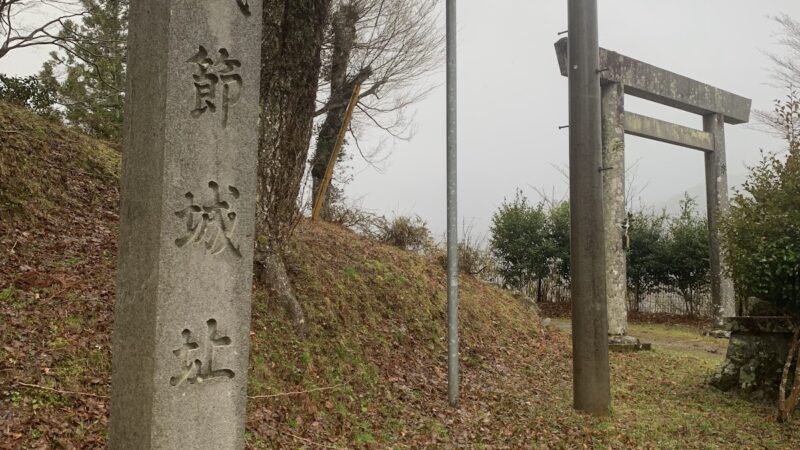
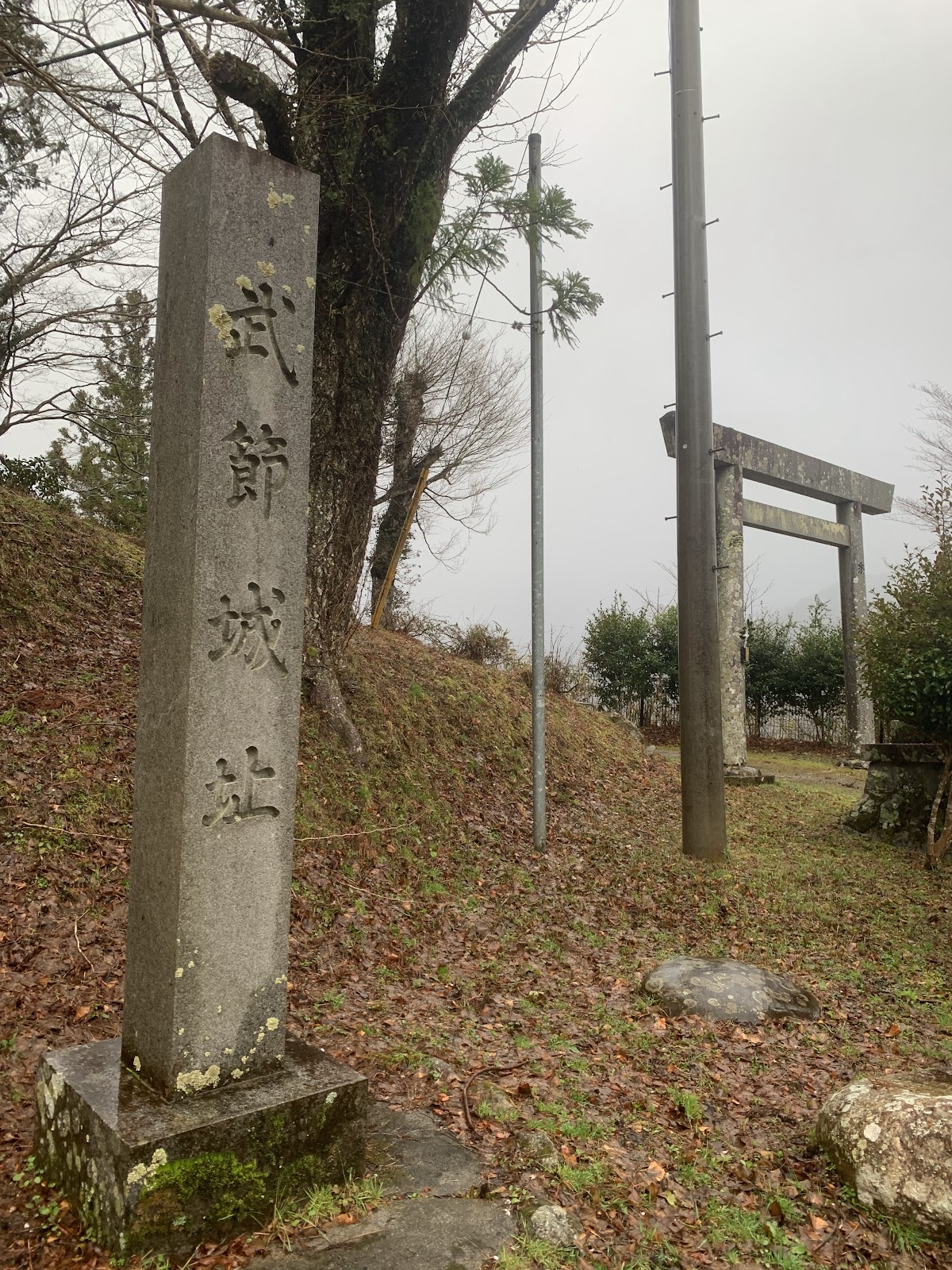
Busetsu Castle (Busetsu-jo) is a mountain castle from the Sengoku period that once existed in Busetsu-cho, Toyota City, Aichi Prefecture. Also known as Jibuse Castle, it was located at a strategic point in Shitara District, Mikawa Province. Built on a flatland hill along the Nagura River, it is now protected as a designated historical site by Toyota City.
Due to its location near the borders of the three provinces of Shinano, Mino, and Mikawa, it functioned as an important military base during the Sengoku period. It is particularly known for the anecdote that Takeda Katsuyori, after his crushing defeat at the Battle of Nagashino in 1575 (Tensho 3), stopped there on his way to Kai Province and was treated to plum vinegar tea.
Basic Information on Takesetsu Castle
- Location: Takesetsu-cho, Toyota City, Aichi Prefecture
- Alternate Name: Jibuse Castle
- Castle Structure: Mountain Castle (Hilltop Castle)
- Year of Construction: Eisho Era (1504-1521)
- Builder: Suganuma Sadanobu
- Year of Abandonment: 1590 (Tensho 18)
- Designation: Toyota City Designated Historic Site
History of Takesetsu Castle
Construction History and the Eisho Era
Takesetsu Castle was built during the Eisho era (1504-1521) by Suganuma Sadanobu, the lord of Tamamine Castle. Tamamine Castle was an important base in the depths of Mikawa Province, but the Suganuma clan recognized the need to build a branch castle in Takesetsu to further strengthen their northern defenses.
The Suganuma clan, as local lords of Mikawa Province, wielded considerable influence in the region. The construction of Takesetsu Castle strengthened the defense network centered around Tamamine Castle, establishing a system to prepare for invasions from the Shinano region. Members of the Suganuma clan, including Suganuma Juro, were appointed as castle lords, and the castle functioned as a crucial military base for the Suganuma clan.
Role in the Sengoku Period and Function as a Signal Fire Station
Takesetsu Castle was not merely a military base; it also played a vital role as a key information transmission point. Taking advantage of its location near the borders of Mikawa, Shinano, and Mino Provinces, it functioned as the center of an information network using signal fires.
Signal fires were lit from Takesetsu Castle to surrounding castles to quickly relay enemy movements to allies. This signal fire relay system allowed for the rapid sharing of military information over a wide area, enhancing its strategic value as a frontline base in Mikawa. In the communication technology of the Sengoku period, Takesetsu Castle was a crucial node in the information network.
The Battle of Nagashino and Takeda Katsuyori’s Escape
The most famous event that etched the name of Busetsu Castle into history is Takeda Katsuyori’s escape after the Battle of Nagashino in May 1575 (Tensho 3).
After suffering a crushing defeat at the hands of the Oda-Tokugawa allied forces at the Battle of Nagashino, Takeda Katsuyori was forced to retreat to Kai Province. It is believed that he stopped at Busetsu Castle on his retreat route. A legend remains that Katsuyori was treated to plum vinegar tea at the castle, and this anecdote is passed down as local history.
Plum vinegar tea was a drink believed to be effective in relieving fatigue, and it is thought to have been offered to comfort Katsuyori, who was exhausted and mentally shocked by the defeat. This event suggests that Busetsu Castle had a certain relationship with the Takeda side.
The Era of Tokugawa Ieyasu and the Okudaira Clan’s Territory
After the Battle of Nagashino, the power dynamics in the Mikawa region changed dramatically. Takesetsu Castle also came under the influence of Tokugawa Ieyasu and is believed to have been captured by Sakai Tadatsugu, a senior retainer of Ieyasu.
Afterward, Takesetsu Castle came under the control of Okudaira Nobumasa, the lord of Nagashino Castle. The Okudaira clan was a family that distinguished themselves on the Tokugawa side in the Battle of Nagashino Castle and was entrusted with the control of eastern Mikawa Province. Under the control of the Okudaira clan, Takesetsu Castle continued to function as a regional base.
The Road to Abandonment and Tensho 18
In 1590 (Tensho 18), during the process of Toyotomi Hideyoshi’s unification of Japan, Tokugawa Ieyasu was ordered to relocate to the Kanto region. Consequently, Okudaira Nobumasa also moved to Kanto, and Takesetsu Castle ceased to serve its purpose and was abandoned.
After its abandonment, Takesetsu Castle was not managed and returned to nature, but the basic structure of the castle remained as a topographical feature. Throughout the Edo period, the castle ruins were recognized as a regional historical heritage and have been preserved to this day.
Structure and Layout of Takesetsu Castle
Location as a Hilltop Castle
Takesetsu Castle is a hilltop castle built on a hill along the Nagura River. A hilltop castle is a type of castle built on a small hill or plateau in flat land. While not as rugged as a mountain castle, it offered a certain level of defensive capability while also providing easy access to the plains.
Its location near the Nagura River, a water source, facilitated the securing of water necessary for maintaining the castle. Furthermore, its position allowing for monitoring and control of riverside transportation routes enhanced the strategic value of Takesetsu Castle.
Arrangement of Enclosures (Kuruwa)
Even today, five enclosures (kuruwa) remain clearly visible at the Takesetsu Castle site. An enclosure is a flat area within the castle grounds where buildings were constructed and soldiers were stationed.
The group of enclosures, arranged in stages around the main enclosure, was designed to gradually prevent enemy incursions. Each enclosure was positioned utilizing the difference in elevation, suggesting a design that allowed for firing from higher enclosures to lower ones. ### Dry Moats and Defensive Structures
The remains of dry moats can still be seen today as part of the defensive structures of Takesetsu Castle. Dry moats are moats that do not hold water and were an important defensive structure that hindered enemy advances.
In mountain castles, where it is difficult to draw water, dry moats were the norm. The dry moats of Takesetsu Castle served to divide the baileys and limit the enemy’s incursion routes. The depth and width of the moats allow us to understand the defensive thinking of the time.
Current Status and Highlights of Takesetsu Castle Site
Preservation of Remains
More than 400 years have passed since the castle was abandoned, but the basic structure of the castle remains well preserved. Protected as a Toyota City designated historical site, it is a valuable Sengoku period ruin where five baileys and dry moats can be clearly identified.
The castle ruins, covered with trees, are integrated with nature, yet still strongly retain the characteristics of an artificially created terrain. The elevation changes in the baileys and the cuts in the dry moats, in particular, attest to the advanced civil engineering techniques of the time.
Access to the Castle Ruins
A hiking trail is maintained to the Takesetsu Castle ruins, making it relatively easy to reach. However, as it is a mountain castle, comfortable shoes and clothing are recommended.
As you proceed along the trail, the structure of the castle gradually becomes clear. Experiencing the elevation changes of the baileys firsthand will help you understand the ingenuity of castle defense during the Sengoku period.
View from the Main Enclosure
From the main enclosure, you can enjoy a panoramic view of the surrounding terrain. The strategic significance of why Takesetsu Castle was built in this location becomes clear from the view.
Looking out over the Nagura River and the surrounding mountains, you can appreciate its location for monitoring invasion routes from the Shinano region. Furthermore, considering its function as a signal fire station, the open view of the main enclosure makes it an ideal location for information transmission.
Historical Sites in and Around Takesetsu Castle
Relationship with Tamamine Castle
Because Takesetsu Castle was built as a subsidiary castle of Tamamine Castle, the two castles are closely related. Tamamine Castle currently has reconstructed buildings, making it a tourist spot where you can experience the appearance of a mountain castle from the Sengoku period.
Visiting both Takesetsu Castle and Tamamine Castle allows you to understand the overall picture of the Suganuma clan’s castle network. From the relative locations of the two castles, you can learn about the defensive strategies and methods of territorial control at the time.
Nagashino Castle Ruins and the Battle of Nagashino
Nagashino Castle Ruins, the site of the Battle of Nagashino, which is indispensable when discussing the history of Takesetsu Castle, is also a worthwhile spot to visit. The Nagashino Castle Ruins Historical Preservation Museum has detailed exhibits on the Battle of Nagashino, allowing you to deeply understand the background of Takeda Katsuyori’s escape to Takesetsu Castle.
By following the story of the escape from the Battle of Nagashino to Takesetsu Castle, you can feel the turmoil of the Sengoku period more realistically.
History and Culture of the Inabu Area
The Inabu area of Toyota City, where Takesetsu Castle is located, is a region where rich nature and history coexist. The Inabu Tourism Association provides information on local historical sites, including the ruins of Takesetsu Castle.
The Inabu area also boasts remnants of old highways and numerous historical sites that tell the story of the region’s history, making it an ideal area for historical walks.
Access and Tourist Information for Takesetsu Castle
Location and Transportation Access
Address: Takesetsu-cho, Toyota City, Aichi Prefecture
Access by Car:
- Approximately 40 minutes from the Tokai-Kanjo Expressway “Toyota Kanpachi IC” via National Route 153
- Approximately 50 minutes from the Chuo Expressway “Iida Yamamoto IC” via National Route 153
Public Transportation:
- Approximately 1 hour by Toyota Oiden Bus “Inabu/Oi bound” from Meitetsu Toyota City Station, get off at “Takesetsu” bus stop, then approximately 15 minutes on foot
Precautions for Visiting
Since Takesetsu Castle is a mountain castle, please note the following points when visiting:
- Clothing: Comfortable shoes and clothing are recommended
- Season: Insect repellent is necessary in summer, and warm clothing is necessary in winter
- Time: Visit with ample time to descend before sunset
- Weather: Be careful as the ground can be slippery in rainy weather.
- Items to bring: Drinking water, map, and mobile phone.
Estimated time required for visit
For a visit to the Takesetsu Castle ruins, allow approximately 1 to 1.5 hours from ascent to descent. If you wish to carefully observe the remains, it is recommended to allocate more time.
Nearby tourist facilities
In addition to visiting the Takesetsu Castle ruins, you can also visit the following facilities:
- Inabu Tourism Association: Provides local tourist information
- Inabu Onsen: A hot spring facility where you can relax after visiting the castle ruins
- Donguri no Yu: A hot spring facility where day trips are possible
Historical significance of Takesetsu Castle
Position in the history of castles in Mikawa Province
Takesetsu Castle played an important role in the castle network of eastern Mikawa Province. From its construction by the Suganuma clan to its subsequent ownership by the Okudaira clan, vassals of the Tokugawa clan, the castle embodied the history of the Sengoku period in Mikawa Province.
Particularly as a border castle, its function as a frontline base protecting the border with Shinano and Mino Provinces was indispensable for the security of Mikawa. The existence of Busetsu Castle supported the northern defense of Mikawa Province.
Historical Value of the Takeda Katsuyori Legend
The legend that Takeda Katsuyori, defeated at the Battle of Nagashino, stopped at Busetsu Castle and was treated to plum vinegar tea, holds historical value beyond mere anecdote.
This legend provides valuable information indicating the retreat route of the Takeda army after the Battle of Nagashino, and is also a cultural and historical document showing how castles treated defeated generals at the time. The legend, linked to the famous Sengoku warlord Takeda Katsuyori, enhances the historical value of Busetsu Castle.
Value as a Historical Heritage Site After the Castle’s Abandonment
After its abandonment in 1590, Takesetsu Castle ceased its role as a military facility, but its value as a historical heritage site has been preserved to this day. Protected as a designated historical site by Toyota City, it serves as a valuable educational resource that conveys the structure of a castle from the Sengoku period (Warring States period).
The excellent state of preservation of the remains provides important data for studying Sengoku period castle construction techniques and defensive philosophies. Furthermore, it is utilized for local history education and as a tourist resource, serving as a prime example of the multifaceted value of historical heritage.
Significance of Visiting Takesetsu Castle
Feeling the Spirit of the Sengoku Period
By visiting the ruins of Takesetsu Castle, you can feel the tension of the Sengoku period and the atmosphere of the era in which the warlords lived. Because there are no reconstructed buildings, you can experience the original topography and remains, allowing you to relive history while using your imagination.
Walking through the baileys and gazing at the dry moats, you can imagine the figures of the samurai who fortified this place. Furthermore, the thought of standing in the same place where Takeda Katsuyori once visited evokes a strong sense of historical romance.
Understanding Local History and Culture
Takesetsu Castle is a symbol of the local history and culture. Understanding Takesetsu Castle is essential to understanding the history of the Inabu district of Toyota City.
Visiting the castle ruins allows you to truly appreciate that this area was once an important military base and played a crucial role in the turmoil of the Sengoku period. Reflecting on the region’s history will lead to a deeper sightseeing experience.
Fusion of Nature and History
Takesetsu Castle ruins are located in a rich natural environment, making it a spot where you can enjoy historical exploration and hiking simultaneously. Experiencing the changing seasons while visiting historical sites is a valuable time to refresh both mind and body.
Especially during the seasons of fresh greenery and autumn leaves, the beauty of nature and the weight of history harmonize, leaving a deep impression on visitors.
Summary
Busetsu Castle, built by Suganuma Sadanobu during the Eisho era, is an important mountain castle in Mikawa Province, with a historical episode in which Takeda Katsuyori, defeated at the Battle of Nagashino, took refuge. Even after its abandonment in 1590, its five baileys and dry moats have been well preserved and are passed down to future generations as a designated historical site of Toyota City.
Located on the border of Mikawa, Shinano, and Mino provinces, Busetsu Castle also served as a signal fire station, demonstrating the multifaceted role of castles during the Sengoku period. Built as a branch castle of Tamamine Castle, it played a vital role in regional security for approximately 90 years until its role ended with Tokugawa Ieyasu’s relocation to the Kanto region.
Currently, the Busetsu Castle ruins are a popular tourist spot where nature and history blend, attracting history buffs and castle enthusiasts. When visiting Toyota City in Aichi Prefecture, be sure to visit the Busetsu Castle ruins and experience the spirit of the Sengoku period. Standing in the very spot where Takeda Katsuyori was served plum vinegar tea, and reflecting on the romance of history, will surely be an unforgettable experience.