Complete Guide to Kiyosu Castle | History, Highlights, and Access Information: The Starting Point of Oda Nobunaga’s Rise to Unification
Located in Kiyosu City, Aichi Prefecture, Kiyosu Castle is a historical fortress where Oda Nobunaga resided during the Sengoku period, taking his first step towards unifying Japan. With a history of over 600 years since its construction in 1405, the castle tower, rebuilt in 1989, now serves as a symbol of Kiyosu City, welcoming many tourists. This article provides a comprehensive explanation of Kiyosu Castle, including its detailed history, highlights, access methods, and admission fees.
History of Kiyosu Castle
From Construction to the Sengoku Period
Kiyosu Castle was built in 1405 by Shiba Yoshishige, the governor of Owari Province. Initially built as an annex to Shimotsu Castle (present-day Inazawa City), which served as the governor’s residence, it played a role as the political and military center of Owari Province.
In 1476 (Bunmei 8), Shimotsu Castle was destroyed by fire, and the provincial governor’s office was moved to Kiyosu Castle. This established Kiyosu Castle as the political center of Owari Province. Kiyosu, located near the confluence of the Gojo River and Shonai River, and a strategic transportation hub where the Tokaido and Ise Kaido roads intersected, developed significantly as a castle town.
Oda Nobunaga and Kiyosu Castle
In 1555 (Koji 1), Oda Nobunaga’s entry from Nagoya Castle into Kiyosu Castle marked the most important turning point in the castle’s history. Nobunaga used this castle as his base to proceed with the unification of Owari Province.
In May 1560 (Eiroku 3), Nobunaga marched from Kiyosu Castle to the Battle of Okehazama. Against Imagawa Yoshimoto’s army, which had approximately ten times the number of troops, Nobunaga achieved victory through a surprise attack. The victory at the Battle of Okehazama paved the way for Nobunaga’s unification of Japan, leading to Kiyosu Castle being called the “starting point of his rise to power.”
Nobunaga operated from Kiyosu Castle for approximately 10 years, moving his base to Komakiyama Castle in 1563, and later to Gifu Castle. However, Kiyosu Castle continued to hold strategic value for the Oda family as an important base in Owari Province.
The Kiyosu Conference and the Castle’s Role
After Oda Nobunaga was killed by Akechi Mitsuhide in the Honnoji Incident in 1582, Kiyosu Castle became the stage for the historic “Kiyosu Conference.” This conference, attended by Hashiba Hideyoshi (later Toyotomi Hideyoshi), Shibata Katsuie, Niwa Nagahide, and Ikeda Tsuneoki, decided on Nobunaga’s successor and the distribution of territories. As a result of this meeting, Hideyoshi established his position as the de facto successor to the Oda family and began his path to unifying Japan.
The Relocation of Kiyosu and the End of the Castle
In 1610 (Keicho 15), a large-scale urban relocation known as the “Kiyosu Relocation” was carried out by order of Tokugawa Ieyasu. The entire castle town of Kiyosu was moved to Nagoya, and the buildings and materials of Kiyosu Castle were used in the construction of Nagoya Castle. Due to this relocation, Kiyosu Castle was abandoned and subsequently became farmland, losing its appearance as a fortress.
Currently, only some earthworks and stone walls remain on the former site of Kiyosu Castle’s main keep; the majority of the castle ruins have disappeared. The current Kiyosu Castle keep, rebuilt in 1989 (Heisei 1), is not a historically accurate reconstruction, but rather a museum facility built to convey the history of Kiyosu City.
Regarding the Spelling of Kiyosu
Many visitors to Kiyosu Castle will notice the two spellings: “清洲” and “清須”. This difference in spelling has a historical background.
Historically, “清須” was the generally used spelling. However, with the implementation of the town and village system during the Meiji era, “清洲” was adopted and used for a long time. Later, with the municipal mergers in 2005, the current municipality name is “Kiyosu City”.
On the other hand, the castle complex rebuilt in 1989 is spelled “清洲城” (Kiyosu Castle). This is because it follows the place name spelling from the time of reconstruction. Therefore, currently, “Kiyosu Castle” is located in “Kiyosu City,” and both spellings coexist. This article uses both spellings depending on the context, but both refer to the same castle complex.
Highlights of Kiyosu Castle’s Main Tower
Exterior and Architecture
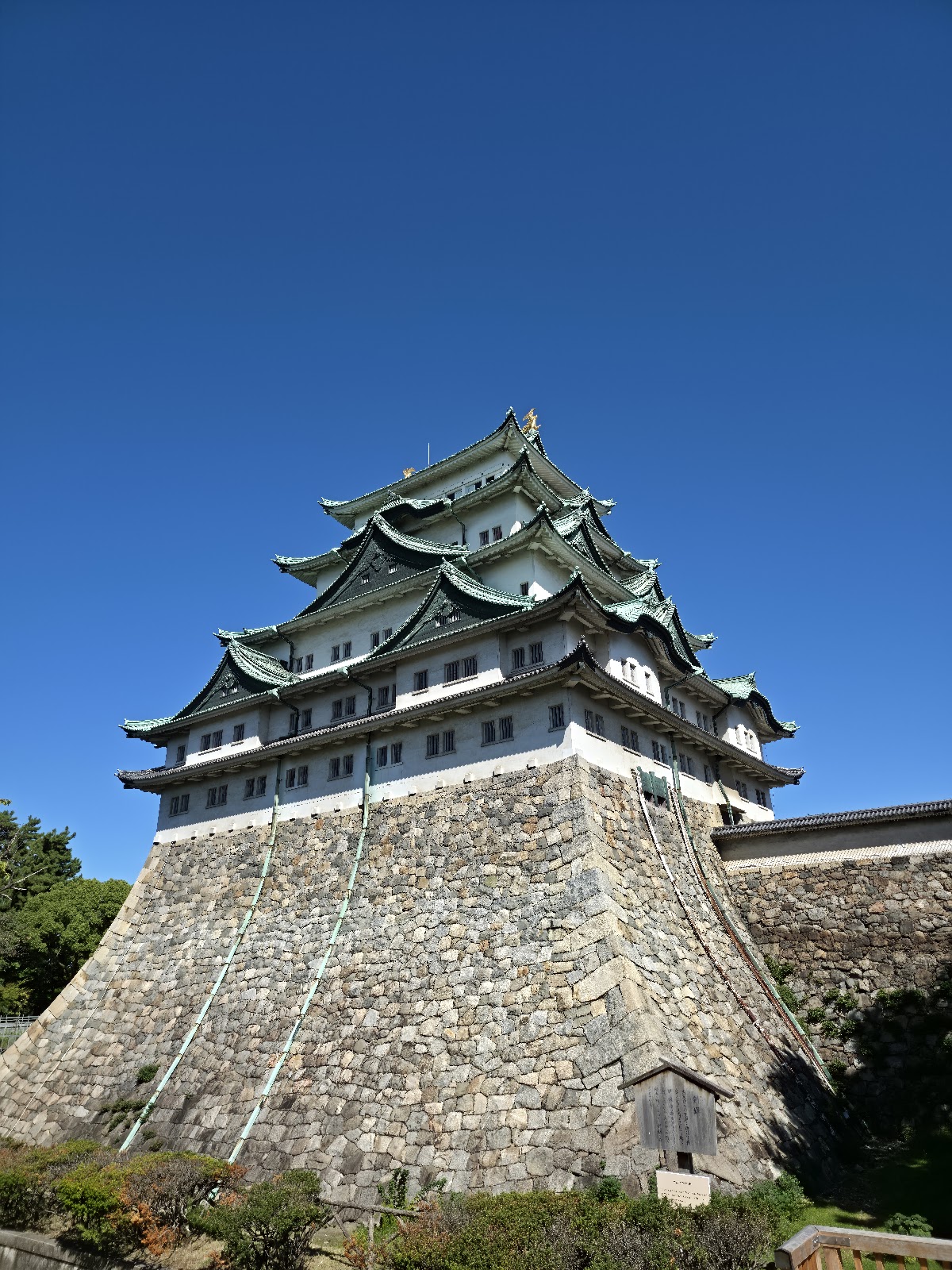
The current Kiyosu Castle’s main tower is a beautiful four-story structure with a striking contrast between its white walls and black tiles. Golden, shachi (mythical fish-like creatures) adorn the roof, creating a magnificent sight against the blue sky on sunny days. The Gojo River flows in front of the tower, spanned by the beautiful Ote Bridge with its vermilion railings. This combination of bridge and tower is a representative landscape of Kiyosu Castle and a popular photo spot.
While the building’s scale differs from the historical Kiyosu Castle, it serves as a symbolic landmark, conveying the atmosphere of a Sengoku period castle to the present day.
Permanent Exhibitions
The interior of Kiyosu Castle’s main tower has been renovated into a museum, featuring extensive exhibits showcasing the history of Kiyosu.
The 1st-floor exhibition room introduces the history of Kiyosu Castle and the appearance of the castle town. The museum clearly explains the history of Kiyosu over approximately 200 years, from its construction in 1405 to the relocation of the castle to Kiyosu, using panels and models. A diorama recreating the bustling castle town offers a glimpse into the lives of the people of Kiyosu during the Sengoku period.
The 2nd Floor Exhibition Room features extensive exhibits on Sengoku warlords, particularly Oda Nobunaga. You can learn about the events of the Battle of Okehazama and the details of the Kiyosu Conference through video materials and explanatory panels. Replicas of weapons and daily necessities from the period are also on display, allowing you to experience the lifestyle of the warlords.
The 3rd Floor Exhibition Room introduces the culture and industry of Kiyosu. Exhibits showcase the economic activities of Kiyosu, which flourished as the center of Owari Province, and its function as a post town on the Ise Highway.
The 4th Floor Observation Room offers a panoramic view of Kiyosu city. On a clear day, you can see the skyscrapers around Nagoya Station and even Nagoya Castle in the distance, giving you a real sense of the geographical relationship between the former Kiyosu and present-day Nagoya.
Performing Arts and Culture Center
The Kiyosu Castle Performing Arts and Culture Center is located within the grounds of Kiyosu Castle. Here, exhibits are displayed on the traditional performing arts and cultural activities of Kiyosu City, allowing visitors to learn about the region’s cultural aspects. It also features a Noh theater, and traditional performing arts performances are held regularly.
Visitor Information
Opening Hours
The Kiyosu Castle main tower is open from 9:00 AM to 4:30 PM (last entry at 4:15 PM). Opening hours do not change seasonally, but it is recommended to allow ample time for your visit.
Closed Days
Kiyosu Castle is closed on the following days:
- Mondays (or the following weekday if Monday is a public holiday)
- December 29th to 31st (year-end)
During Golden Week and summer vacation, the castle may be open on Mondays. We recommend checking the latest information on the Kiyosu City official website before your visit.
Admission Fees
Admission fees for Kiyosu Castle’s main tower are as follows:
- Adults: 300 yen
- Children (Elementary and Junior High School Students): 150 yen
- Preschool Children: Free
A joint admission ticket for Kiyosu Castle and the Aichi Asahi Archaeological Museum is also available:
- Adults: 450 yen
- Children: 200 yen
Using the joint admission ticket is more economical than visiting both facilities individually. The Aichi Asahi Archaeological Museum is approximately a 10-minute drive from Kiyosu Castle and allows you to learn about one of the largest Yayoi period settlement sites in the Tokai region.
Group discounts (20 or more people) and disability discounts are available; please inform the reception if applicable.
Location and Inquiries
Location: 1-1 Asahijoyashiki, Kiyosu City, Aichi Prefecture 452-0932
Phone Number: 052-409-7330
Official Website: Kiyosu Castle page on the Kiyosu City official website
For detailed inquiries about the facility or reservations for group tours, please contact the phone number above.
Access
Access by Train
There are several routes to Kiyosu Castle by train.
If using the JR Tokaido Main Line:
- Get off at JR Kiyosu Station and walk for approximately 15 minutes.
- Approximately 10 minutes from Nagoya Station to Kiyosu Station.
- Follow the signs from Kiyosu Station to the castle on foot.
If using the Meitetsu Nagoya Main Line:
- Get off at Meitetsu Shin-Kiyosu Station and walk for approximately 15 minutes.
- Approximately 10 minutes from Meitetsu Nagoya Station to Shin-Kiyosu Station.
- From Shin-Kiyosu Station, walk north to reach the castle.
While both stations are within walking distance, consider taking a taxi on hot days or if you have a lot of luggage. A taxi will get you there in about 5 minutes from the station.
Access by Car
Using the Nagoya Expressway:
- Approximately 5 minutes from the Kiyosu Exit of the Nagoya Expressway Route 6 Kiyosu Line
- Approximately 10 minutes from the Kiyosu-Nishi Exit of the Nagoya Expressway Route 16 Ichinomiya Line
Using the Tomei Expressway/Meishin Expressway:
- Approximately 20 minutes from the Ichinomiya Interchange on the Meishin Expressway
- Approximately 25 minutes from the Nagoya Interchange on the Tomei Expressway
Kiyosu Castle has a dedicated free parking lot. It can accommodate approximately 120 regular cars, and there is also space for large buses. However, it can get crowded on weekends, holidays, and during cherry blossom season, so it is recommended to allow ample time for your visit.
Kiyosu Ashigaru Cycle
Kiyosu City offers a convenient rental bicycle service, “Kiyosu Ashigaru Cycle” for sightseeing. You can rent bicycles at rental locations around JR Kiyosu Station and Meitetsu Shin-Kiyosu Station, and enjoy cycling to Kiyosu Castle.
The flat terrain makes cycling easy, allowing you to efficiently visit not only Kiyosu Castle but also the surrounding tourist attractions. Cycling is free or inexpensive; details can be found at tourist information centers.
Nearby Attractions
Kiyosu Park
Kiyosu Park is located around Kiyosu Castle and is a popular cherry blossom viewing spot in spring. Approximately 1,500 Somei Yoshino cherry trees are planted there, and the contrast between the cherry blossoms and Kiyosu Castle’s main tower makes for an excellent photo opportunity.
Kiyosu Old Castle Ruins Park
Across the Gojo River, Kiyosu Old Castle Ruins Park is located on the site of the actual main keep of Kiyosu Castle. The current Kiyosu Castle’s main tower is a tourist facility and is located in a different place from the actual main keep. The park features stone monuments and explanatory signs, allowing visitors to imagine the scale of the castle in its heyday.
Aichi Asahi Archaeological Museum
Opened in 2020, the Aichi Asahi Archaeological Museum is located about a 10-minute drive from Kiyosu Castle. You can learn about the Asahi archaeological site, one of the largest moated settlements in the Tokai region during the Yayoi period, through excavated artifacts and reconstructed models. A combined admission ticket with Kiyosu Castle is also available at a discounted price, so please visit if you have the time.
Kiyosu City Haruhi Art Museum
The Kiyosu City Haruhi Art Museum, which primarily exhibits contemporary art, is also attracting attention as a cultural facility in Kiyosu City. Special exhibitions are held regularly, allowing you to enjoy art appreciation in conjunction with a visit to Kiyosu Castle.
Tips for Enjoying Kiyosu Castle
Best Season to Visit
While Kiyosu Castle can be visited year-round, there are particularly recommended seasons.
Spring (late March to early April): During cherry blossom season, Kiyosu Park is adorned with cherry blossoms in full bloom, offering a beautiful view of the Kiyosu Castle keep. The “Kiyosu Castle Cherry Blossom Festival” is also held, featuring nighttime illuminations.
Autumn (October-November): Enjoy a pleasant stroll in the refreshing weather. During the autumn foliage season, the surrounding trees change color, creating a beautiful harmony with the castle.
Winter (December-February): Fewer tourists, allowing for a more leisurely visit. The air is clear, and the view from the main tower is excellent.
Estimated Time Required
For a visit to Kiyosu Castle’s main tower, allow approximately 60 to 90 minutes. This may take longer if you want to carefully examine the exhibits or enjoy taking photographs. If you plan to explore the surrounding Kiyosu Park and Old Castle Ruins Park as well, it’s recommended to allow about 2 hours.
Photo Spots
Here are some popular photo spots at Kiyosu Castle:
- The Castle Tower from Otebashi Bridge: A classic spot with a beautiful contrast between the vermilion railings and the white castle tower.
- The Promenade Along the Gojo River: You can photograph the castle tower reflected on the river’s surface.
- Inside Kiyosu Park: You can take particularly beautiful photos during cherry blossom season.
- The Observation Room on the 4th Floor of the Castle Tower: You can photograph a panoramic view of Kiyosu city.
Nearby Dining and Rest Spots
Around Kiyosu Castle, there are restaurants and cafes using local ingredients. Some establishments offer Nagoya specialties such as miso katsu and chicken wings, allowing you to enjoy a meal along with your sightseeing. There are rest areas within Kiyosu Castle, but please note that eating and drinking are only permitted in designated areas.
Cultural Significance of Kiyosu Castle
Kiyosu Castle is not merely a tourist facility; it is a castle that played an important role in Japanese history. As the place where Oda Nobunaga took his first step toward unifying Japan, and as the stage for the historic Kiyosu Conference, a major political meeting, Kiyosu Castle symbolizes a turning point in Japanese history.
While the current Kiyosu Castle keep is not a historically accurate reconstruction, it plays a vital role in preserving lost historical heritage. For the citizens of Kiyosu, it is a source of local pride, and for visitors, it offers a glimpse into the romance of the Sengoku period.
Events and Exhibitions
Kiyosu Castle hosts various events and exhibitions throughout the year.
Kiyosu Castle Cherry Blossom Festival (late March to early April): Held to coincide with the cherry blossom season, it features nighttime illuminations and food stalls offering local cuisine.
Kiyosu Castle Nobunaga Festival (October): An event related to Oda Nobunaga, featuring a samurai procession and demonstrations of matchlock guns.
Special Exhibitions: Regularly held exhibitions on the history and culture of Kiyosu. Checking the official website for event information before your visit will allow for a more fulfilling experience.
Summary
Kiyosu Castle is a historically significant castle where Oda Nobunaga took his first step towards unifying Japan. From its construction in 1405 until its abandonment due to the relocation of Kiyosu, it functioned as the center of Owari Province for approximately 200 years. Currently, the castle tower, rebuilt in 1989, welcomes many tourists as a symbol of Kiyosu City.
The exhibits inside the castle offer a detailed look at the history of Kiyosu, and the view from the castle tower is magnificent. It’s easily accessible, about 10 minutes by train from Nagoya city center, and less than 30 minutes by car, making it an ideal spot for a day trip.
Visiting during the cherry blossom season in spring or the refreshing autumn weather is especially recommended. Combining a visit with nearby attractions such as Kiyosu Park, the Old Castle Ruins Park, and the Aichi Asahi Archaeological Museum will allow you to enjoy a more enriching historical exploration.
For those interested in the history of the Sengoku period, those who want to visit places associated with Oda Nobunaga, and those looking for tourist spots in Aichi Prefecture, Kiyosu Castle is a must-see. Be sure to visit and experience the history and charm of the castle that was the starting point of his quest for national unification.